
Reverse Mortgage When Multiple Home Systems Fail: Managing Simultaneous Urgent Repairs
Your roof, furnace, and water heater all fail at once. A reverse mortgage can cover multiple emergency home repairs without devastating your retirement income.
The Perfect Storm: Multiple System Failures
Your furnace goes out in December (Ontario is cold). You budget $6,000 to replace it. You make the appointment.
Then your roof starts leaking. You get three quotes: $18,000-$22,000 to replace it.
Then your water heater fails. That's another $2,000-$3,000.
Three major home systems have failed simultaneously. Total repair cost: $26,000-$31,000. Your retirement savings don't have this amount available without devastating your income and security.
This scenario is common for Ontario homeowners aged 70+. Homes that are 25-40 years old experience simultaneous system failures because multiple systems were installed around the same time.
A reverse mortgage is a practical solution when multiple urgent repairs hit at once.
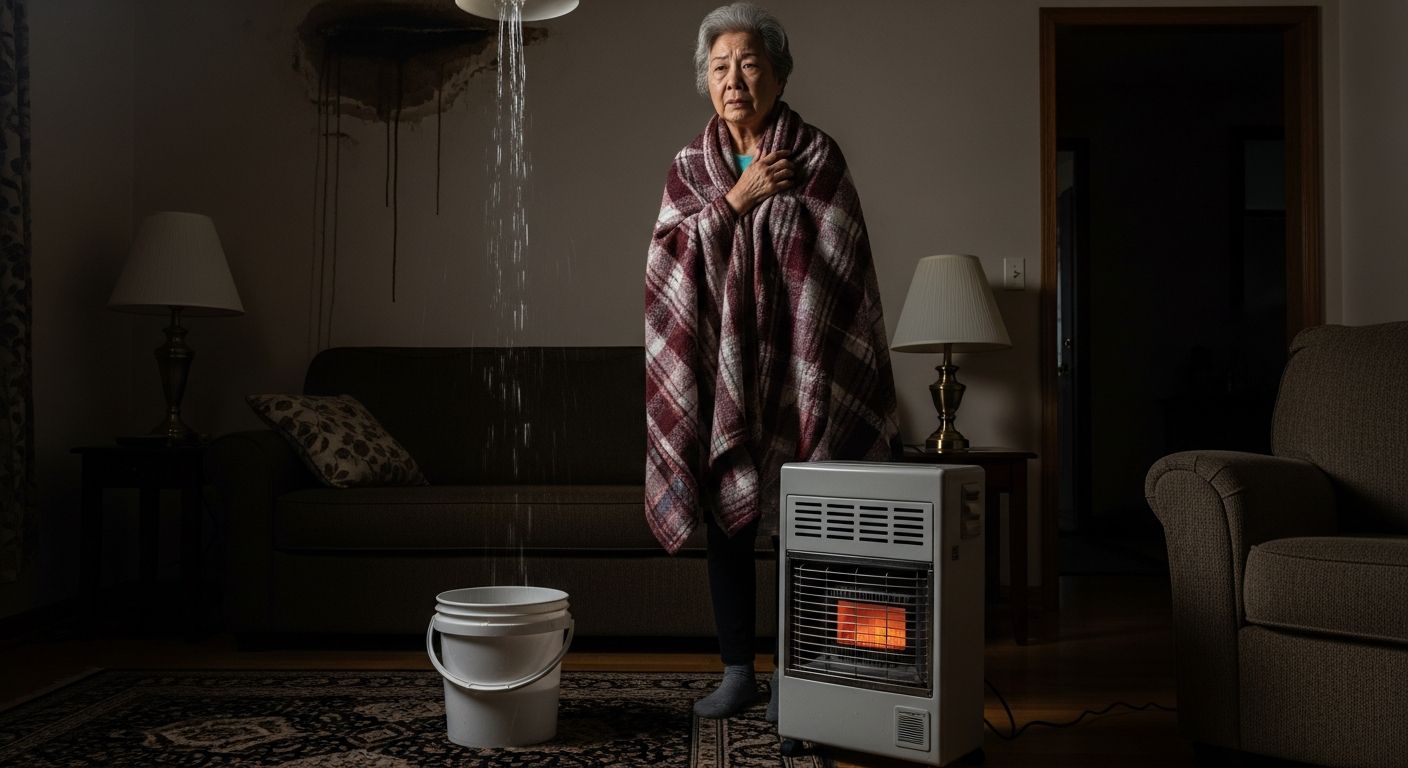
Why Multiple Systems Fail Together
Homes built in the same era have systems with similar lifespans. A house built in 1990:
- Furnace installed in 1990 (lifespan: 15-20 years, fails around 2005-2010)
- Roof installed in 1990 (lifespan: 20-25 years, fails around 2010-2015)
- Water heater installed in 1990 (lifespan: 10-15 years, fails around 2000-2005)
If you didn't replace these systems on their first failure cycle (or replaced only some), you're now facing multiple failures within a few years.
For a 75-year-old homeowner on CPP/OAS, three major repairs ($26,000+) can't come from savings. They must come from:
- Selling the home (undesirable)
- Taking on unsecured debt (high interest)
- Delaying repairs (home deteriorates further)
- Using a reverse mortgage (access equity without monthly payments)
The Financial Impact of Delayed Repairs
Delaying multiple home repairs costs more than fixing them immediately:
Furnace Delay:
- Skip one heating season = burst pipes = $10,000+ in water damage
- Skip two seasons = mold growth = $5,000-$15,000 in remediation
Roof Delay:
- One season of leaks = water damage to insulation, drywall, flooring
- Two seasons = structural damage to joists and foundation
- Subsequent repairs: $30,000-$50,000+ instead of $20,000 for replacement
Water Heater Delay:
- Burst water heater = $3,000-$5,000 flood damage
- Subsequent repair costs double the replacement cost
Delaying repairs to save money often costs more. A reverse mortgage to do repairs now is actually a cost-saving measure.
The Reverse Mortgage Solution
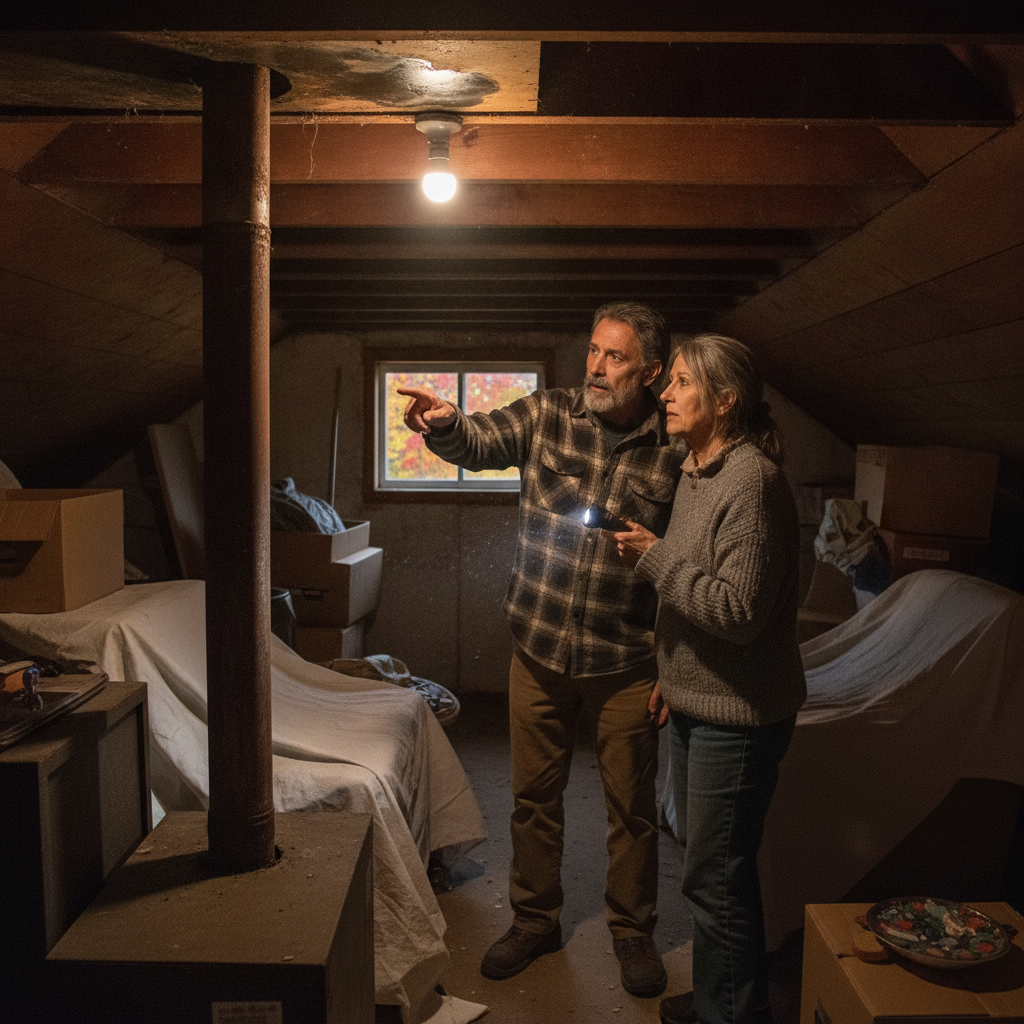
Scenario:
- Your home value: $700,000
- Your age: 75
- Needed repairs: furnace ($6,500), roof ($20,000), water heater ($2,500) = $29,000
- Your liquid savings: $8,000
- Your monthly retirement income: $2,400 CPP + $1,200 OAS = $3,600
The Reverse Mortgage Solution:
- Apply for reverse mortgage for $30,000-$35,000
- Receive funds via lump sum
- Use proceeds for furnace, roof, and water heater replacement
- Home is protected and functional
- No monthly mortgage payment
- Reverse mortgage interest accrues at ~6.5%
- Debt is repaid when home sells or you pass away
The Cost Analysis:
- Reverse mortgage interest on $30,000 at 6.5% annually
- After 10 years: balance grows to ~$56,500
- Your home appreciates from $700,000 to ~$850,000 (typical 2% annual appreciation)
- Net home equity: $850,000 - $56,500 = $793,500
- You kept your home, made necessary repairs, and gained $93,500 in appreciation
Cost comparison table:
| Repair Item | Typical Cost Range | Cost if Delayed 2+ Years |
|---|---|---|
| Furnace replacement | $5,000-$8,000 | $10,000-$20,000 (burst pipes, mold) |
| Roof replacement | $18,000-$22,000 | $30,000-$50,000+ (structural damage) |
| Water heater replacement | $2,000-$3,000 | $6,000-$10,000 (flood damage) |
| Total | $25,000-$33,000 | $46,000-$80,000+ |
The Horror Alternative: Delaying Repairs
What Happens Without Immediate Repair:
Year 1:
- Furnace fails: temporary heaters cost $2,000; home cold
- Roof leaks: water damage begins accumulating
- Water heater fails: cold showers, emergency hot water costs
Year 2:
- Water damage spreads to walls and floors
- Mold develops in attic and walls ($5,000-$10,000 remediation)
- Home value perception declines
Year 3:
- Structural damage to roof and walls
- Insurance company flags issues during inspection
- Home is essentially unmortgageable
Year 4:
- Forced sale at 20-30% discount due to visible damage
- Forced relocation away from home and community
- Massive financial and emotional loss
This is the real horror scenario. A $30,000 reverse mortgage investment avoids a $100,000+ loss from delayed repairs.
Priority Ranking: Which Repairs to Do First
If you can't afford all repairs simultaneously, prioritize this way:
Critical (Do First):
- Furnace in winter months (heat is survival)
- Roof (water damage spreads rapidly and expensively)
- Plumbing/water heater (water damage is catastrophic)
Important (Do Second): 4. Electrical system issues (safety hazard) 5. Foundation cracks (structural concern) 6. Exterior siding/windows (weather protection)
Can Wait (Do Later): 7. Cosmetic renovations 8. Accessory upgrades 9. Aesthetic improvements
Use reverse mortgage for critical and important repairs first. Defer cosmetic work.
Using a Reverse Mortgage Line of Credit for Phased Repairs
Instead of a lump sum, some borrowers prefer a reverse mortgage line of credit (LOC):
How It Works:
- Borrow $50,000 as a line of credit (don't draw it all at once)
- Draw $6,500 for furnace now
- Draw $20,000 for roof when contractor is ready
- Draw $2,500 for water heater after furnace
- Interest only accrues on amounts drawn
Advantage:
- You pay interest only on money you actually use
- You have remaining credit if another emergency emerges
- You maintain flexibility for timing
Disadvantage:
- Interest rates on LOC sometimes higher than lump sum
- Temptation to keep borrowing for non-essential repairs
For multiple urgent repairs, the lump sum is often simpler.
Lump sum vs. line of credit comparison:
| Feature | Lump Sum | Line of Credit (LOC) |
|---|---|---|
| Interest charged on | Full amount immediately | Only amounts drawn |
| Best for | Repairs needed all at once | Phased or uncertain timing |
| Typical rate | ~6.5%-7.5% | Often 0.5%-1% higher |
| Flexibility | Lower (fixed amount) | Higher (draw as needed) |
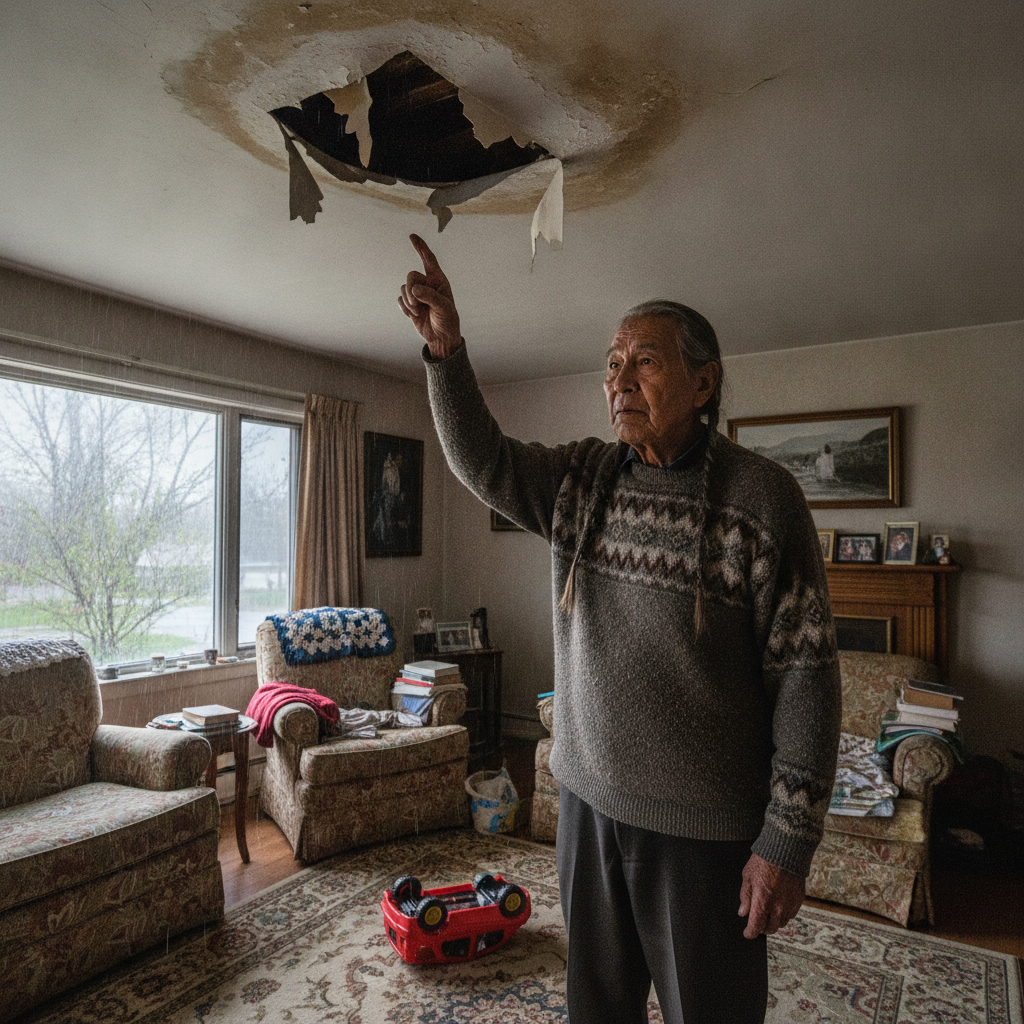
Preparing for System Failures Before Crisis Hits
Proactive homeowners take these steps:
Ages 50-60:
- Get home inspection every 5 years
- Budget $500-$1,000/year for repair reserve
- Monitor system age (furnace, roof, water heater, electrical)
Ages 60-70:
- Conduct comprehensive home inspection
- Replace systems approaching end-of-life proactively
- Build repair reserve of $15,000-$20,000 if possible
Ages 70+:
- Maintain clear record of system ages and condition
- Have reverse mortgage quote available
- Plan for simultaneous failure scenarios
Emergency Preparation:
- Know your home's condition
- Have contractor contact information
- Understand reverse mortgage as funding option
Contractor Tips for Multiple Repairs
When getting multiple repair quotes:
1. Get Single Contractor Bids Some contractors offer discounts for bundling multiple projects (furnace + roof + water heater).
2. Negotiate Payment Terms Some contractors offer 0% financing for large jobs. This can reduce reverse mortgage borrowing needs.
3. Ask About Extended Warranties Warranties (10-year on roof, 5-year on furnace) add cost but provide long-term protection.
4. Check Contractor Insurance Verify contractors have liability insurance and WSIB coverage.
5. Get Written Guarantees Ensure all work is guaranteed in writing (minimum 1-year warranty).
The Legacy Impact
Using a reverse mortgage for critical home repairs protects your legacy:
With Reverse Mortgage:
- Home is maintained and safe
- Your children inherit a well-maintained property
- Home value is protected (proper roof, furnace prevent depreciation)
- Home is livable and comfortable until end of life
Without Reverse Mortgage (forced repair delays):
- Home deteriorates
- Children inherit damaged property
- Repairs become increasingly expensive
- Home might become unmortgageable for next generation
Proactive repairs funded by reverse mortgage actually protect your children's inheritance.
Key Takeaways
- Homes 25-40 years old often see furnace, roof, and water heater systems fail within the same few years because they were installed at the same time.
- Combined replacement costs for these three systems typically run $25,000-$33,000, versus $46,000-$80,000+ if repairs are delayed and damage spreads.
- A reverse mortgage lets Ontario homeowners 55+ access $30,000-$35,000 or more in equity without monthly payments, at rates around 6.5%-7.5%.
- A reverse mortgage line of credit lets you draw funds only as each repair happens, so interest accrues only on money actually used.
- Reverse mortgage proceeds are tax-free and the loan is only repaid when the home is sold, the last owner passes away, or moves out permanently.
- Delaying critical repairs can make a home effectively unmortgageable and force a distressed sale at a 20-30% discount.
Frequently Asked Questions
Can a reverse mortgage cover more than one home repair at a time?
Yes. Reverse mortgage funds are disbursed as a lump sum or line of credit and can be used for any combination of repairs, including furnace, roof, and water heater replacement in the same project.
How quickly can I access reverse mortgage funds for an emergency repair?
Funding typically takes a few weeks from application to disbursement, since an appraisal and standard documentation are required. For true emergencies, some homeowners use short-term financing and repay it once reverse mortgage funds arrive.
Will a reverse mortgage affect my CPP or OAS payments?
No. Reverse mortgage proceeds are considered a loan, not income, so they are tax-free and do not affect CPP, OAS, or GIS eligibility.
Is it better to use a lump sum or a line of credit for multiple repairs?
It depends on timing. A lump sum is simpler when all repairs are needed immediately. A line of credit is more cost-effective when repairs will happen in stages, since interest only accrues on the amount drawn.
What happens if my home needs repairs but I don't yet qualify for a reverse mortgage?
Reverse mortgage eligibility mainly depends on age (55+ for all titled owners) and home equity, not income or credit score, which makes qualification more accessible than a traditional loan for many retirees. A broker can review your specific situation.
Does fixing my home with a reverse mortgage protect my children's inheritance?
Generally, yes. Keeping a home well-maintained protects its resale value, while deferred repairs typically cost far more to fix later and can reduce what heirs eventually inherit.
Moving Forward: Protecting Your Home From Multiple Failures
If your home is 20+ years old, you're at risk for multiple system failures. Take these steps:
- Get a professional home inspection — Identify system ages and condition
- Prioritize repairs — Know which systems are critical
- Get a reverse mortgage quote — Understand your funding options
- Have a plan — Know what you'll do if multiple systems fail
- Act proactively — Fix critical systems before failure
For Ontario homeowners 70+, multiple home system failures aren't a question of "if" but "when." A reverse mortgage ensures you can handle these crises without forced home sale or dangerous delayed repairs.
Your home is your sanctuary. Keeping it safe, warm, and dry is worth the cost of a reverse mortgage to fund critical repairs.
Ready to Learn More?
Find out exactly how much you could unlock from your home — free and no obligation.
Related Articles
Reverse Mortgage for Home EV Charging and Smart Utility Grid Upgrade: Modernizing Your Ontario Home
Fund electrical panel upgrades, EV charger installation, and smart meter readiness for aging in place with a reverse mortgage in Ontario.
Read →Reverse Mortgage Before Industrial Rezoning: Securing Equity When Your Neighborhood Changes
Protect your home equity with a reverse mortgage before industrial rezoning or commercial development reduces your property value in Ontario.
Read →Reverse Mortgage for Multilingual Household Caregiving: Language Support and Cognitive Decline Management
Fund bilingual caregivers, professional interpreters, and language-specific cognitive assessment for aging parents in Ontario multilingual homes.
Read →