
Reverse Mortgage on a Mobile or Manufactured Home in Canada
Can you get a reverse mortgage on a mobile or manufactured home in Canada? Learn lender rules, eligibility requirements, and alternatives for 2026.
"I own a manufactured home on my own land in Ontario — can I get a reverse mortgage on it?" It is one of the most frequently asked questions Rick Sekhon receives from retirees living outside major urban centres. The answer is nuanced: most mobile and manufactured homes do not qualify for a reverse mortgage in Canada, but there are specific exceptions that could make yours eligible.
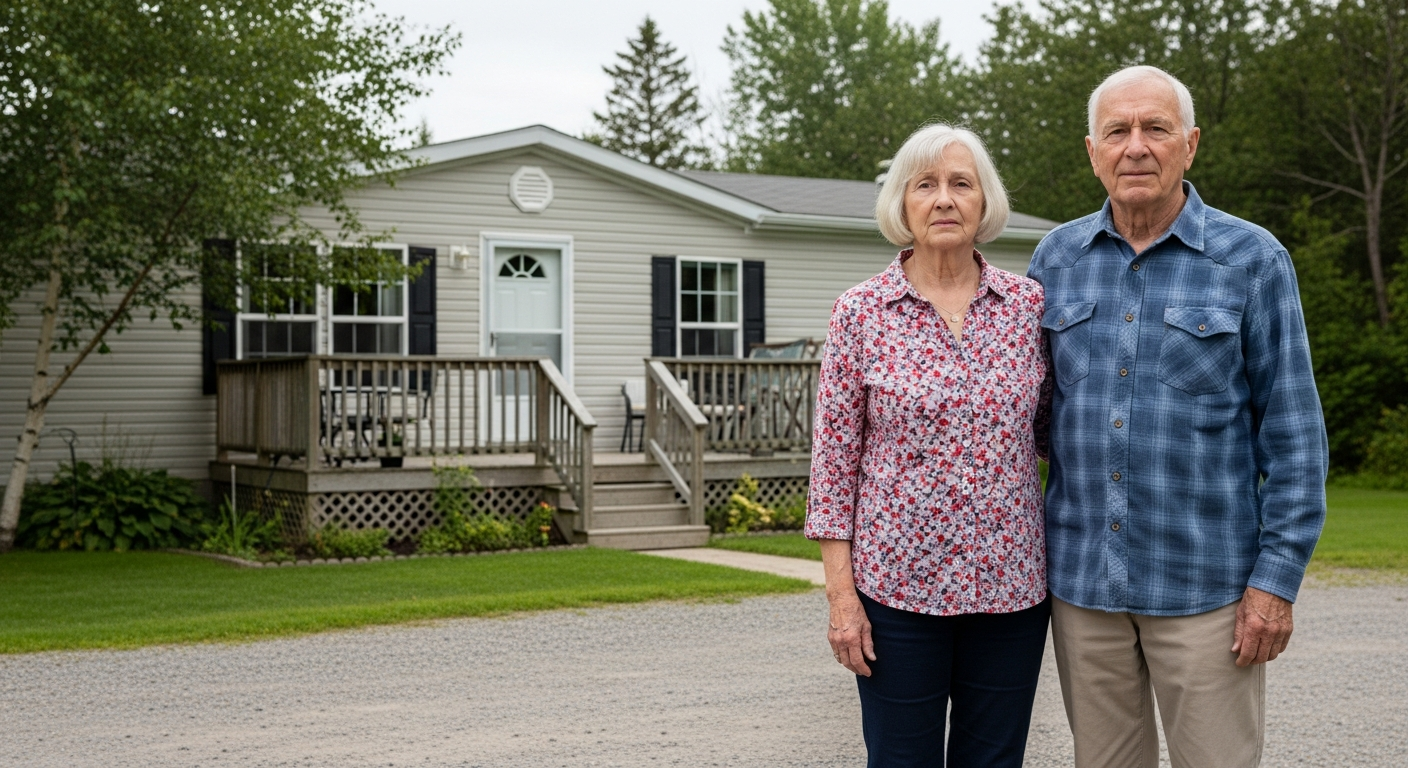
This guide explains exactly which types of manufactured and mobile homes qualify, which do not, what lenders look for, and what alternatives exist if your home does not meet reverse mortgage criteria. Whether you live in a single-wide mobile home, a double-wide manufactured home, or a modular home on a permanent foundation, this article covers your situation.
Understanding the Terminology: Mobile vs Manufactured vs Modular
Before diving into eligibility, it is essential to understand what lenders mean by these terms — because they have very specific definitions that directly affect your reverse mortgage eligibility.
| Term | Definition | Typical Foundation | Reverse Mortgage Eligible? |
|---|---|---|---|
| Mobile home | Built before 1976, on a steel chassis with wheels/axles | Not permanent; can be towed | Almost never |
| Manufactured home | Factory-built after 1976 to CSA Z240 standards, on a steel frame | May or may not be permanent | Rarely; depends on foundation |
| Modular home | Factory-built in sections, assembled on-site to provincial building code | Permanent concrete foundation | Often yes |
| Mini home | Regional term (common in Atlantic Canada) for small manufactured homes | Varies | Depends on foundation and land ownership |
| Park model | Recreational unit under 400 sq ft, typically in seasonal parks | Not permanent | No |
The critical distinction is between a home that is permanently affixed to a foundation on land you own versus one that sits on a chassis, rests on blocks or piers, or is located on leased land. This distinction determines everything.
According to Canada Mortgage and Housing Corporation (CMHC), a manufactured home must be placed on a permanent foundation and connected to permanent utilities to be considered real property rather than personal property (chattel). This classification directly affects mortgage eligibility.
Why Most Mobile and Manufactured Homes Do Not Qualify
Reverse mortgage lenders in Canada — including HomeEquity Bank (CHIP), Equitable Bank, Bloom Financial, and Home Trust — require that the mortgaged property be real property registered on a land title. This means the home must be:
- Permanently affixed to a foundation that cannot be moved
- On land you own (not leased or rented land)
- Registered on the land title as part of the real property
- Built to provincial building code standards
- Insurable under a standard homeowner's insurance policy
Most traditional mobile homes and many manufactured homes fail one or more of these requirements.
The Foundation Problem
The most common disqualifier is the foundation. A mobile or manufactured home sitting on:
✗ Concrete blocks or cinder blocks ✗ A steel chassis with wheels removed ✗ Wooden posts or piers ✗ Levelling jacks
...is not considered permanently affixed. Even if the home has been in the same location for decades, if the foundation is not a permanent concrete structure (full basement, crawl space with concrete walls, or concrete slab), most lenders will decline the application.
The Land Ownership Problem
Many mobile and manufactured homes in Ontario are located in mobile home parks or land-lease communities where residents own their home but lease the land underneath. This is a fundamental problem for reverse mortgage eligibility because:
✗ The lender cannot place a mortgage on land you do not own ✗ The home alone (without owned land) is classified as personal property (chattel) ✗ Chattel cannot secure a reverse mortgage — only real property qualifies ✗ If the land lease expires or is terminated, the home's value can drop to near zero
According to the Financial Services Regulatory Authority of Ontario (FSRAO), land-lease communities are governed by the Residential Tenancies Act, and residents have specific protections. However, these protections do not change the fundamental issue that a home on leased land cannot serve as collateral for a reverse mortgage.
The Registration Problem
Even if your manufactured home is on owned land with a permanent foundation, it must be registered on the land title as a fixture — meaning it is legally part of the real property. In some cases, older manufactured homes were never properly registered, leaving them classified as chattel even though they sit on owned land. A real estate lawyer can help determine whether your home is properly registered.
When a Manufactured or Modular Home DOES Qualify
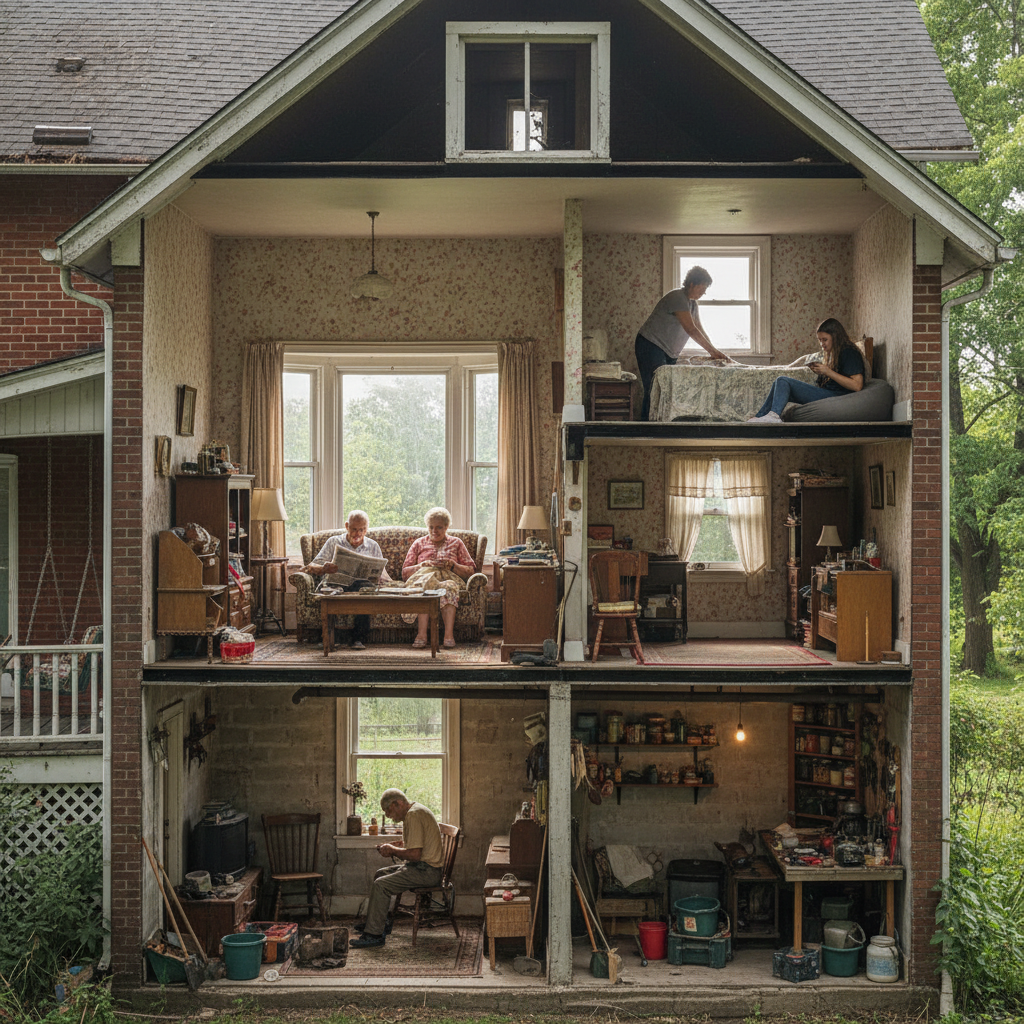
There are genuine scenarios where a manufactured or modular home qualifies for a reverse mortgage. Here is what lenders look for:
Modular Homes on Permanent Foundations
Modular homes — built in factory sections and assembled on-site — are the most likely to qualify. If your modular home meets all of these criteria, it is treated the same as a site-built home:
✓ Assembled on a permanent concrete foundation (full basement or crawl space) ✓ Built to the Ontario Building Code (not just CSA standards) ✓ Connected to permanent municipal or well water and septic/sewer ✓ Registered on the property's land title as a fixture ✓ Insured under a standard homeowner's insurance policy ✓ Located on land you own outright
Manufactured Homes That Have Been Converted
Some older manufactured homes have been converted to real property by:
- Removing the steel chassis and wheels
- Placing the home on a permanent concrete foundation
- Obtaining a building permit and passing inspection
- Having the home registered on the land title as a fixture
If this conversion has been properly completed and documented, the home may qualify. However, lenders often require additional documentation and may order a more detailed appraisal.
Lender-Specific Rules
| Lender | Manufactured/Modular Home Policy |
|---|---|
| HomeEquity Bank (CHIP) | Modular homes on permanent foundations generally eligible. Manufactured homes reviewed case-by-case. Mobile homes not eligible. |
| Equitable Bank | Modular homes eligible if on permanent foundation and on owned land. Manufactured homes typically declined. |
| Bloom Financial | Reviews modular and manufactured on case-by-case basis. Requires permanent foundation and land ownership. |
| Home Trust | Similar requirements to CHIP. Must be real property on title. |
Rick Sekhon recommends contacting him before assuming your home does or does not qualify. Many homeowners are pleasantly surprised to learn their modular home is fully eligible, while others discover issues that can sometimes be resolved before applying.
The Appraisal Challenge for Manufactured Homes
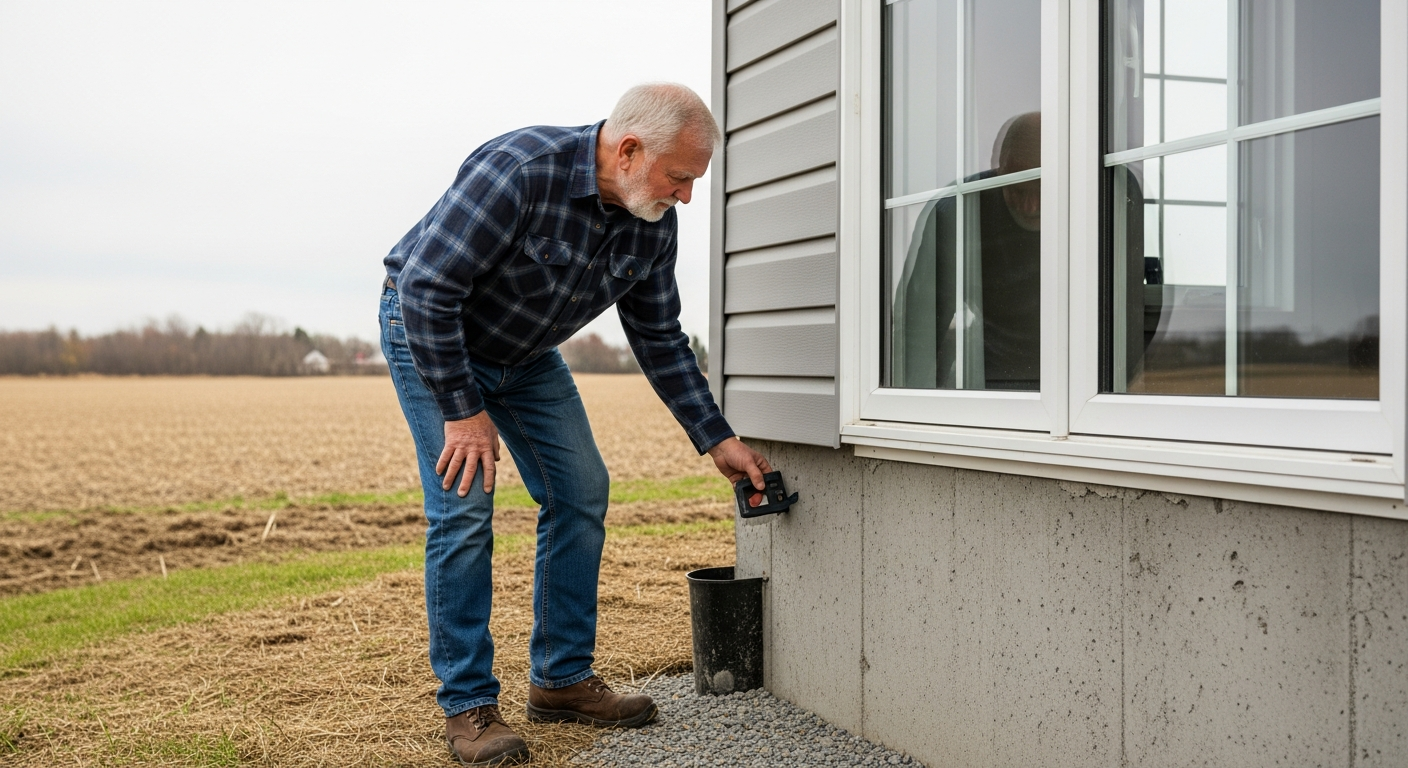
Even when a manufactured or modular home meets the basic eligibility criteria, the appraisal process presents unique challenges.
How Appraisers Value Manufactured Homes
Appraisers must find comparable sales of similar properties to establish market value. In areas where most homes are site-built, finding comparable sales of manufactured homes can be difficult. This can result in:
- Lower appraised values than expected
- Wider value ranges (less certainty in the estimate)
- Requests for additional comparable sales data
- In some cases, an inability to complete the appraisal
| Appraisal Factor | Site-Built Home | Modular Home | Manufactured Home |
|---|---|---|---|
| Comparable sales availability | High | Moderate | Low |
| Foundation assessment | Standard | Standard | Detailed inspection required |
| Building code compliance | Assumed | Verified | Must be proven |
| Depreciation treatment | Land appreciates, structure depreciates slowly | Similar to site-built if on permanent foundation | May depreciate faster |
| Insurance documentation | Standard | Standard | May require specialized policy |
The Minimum Value Threshold
Most reverse mortgage lenders have a minimum property value requirement — typically $150,000 to $200,000. Many manufactured homes, particularly those in rural areas or smaller communities, fall below this threshold, which creates an additional barrier to qualification.
According to Statistics Canada, the median value of mobile and manufactured homes in Ontario is significantly lower than the median for conventional housing, making the minimum value threshold a practical barrier for many applicants.
What to Do If Your Home Does Not Qualify
If your mobile or manufactured home does not meet reverse mortgage eligibility requirements, you still have options:
Option 1: Convert Your Home to Real Property
If you own the land and the main barrier is the foundation or registration, it may be worth investing in:
- A permanent foundation (cost: $15,000–$40,000 depending on size and soil conditions)
- Proper registration on the land title (legal fees: $1,000–$3,000)
- Building code compliance upgrades if needed
This investment could make your home eligible for a reverse mortgage and would also increase its market value and insurability.
Option 2: Personal Line of Credit
Some banks and credit unions offer unsecured or secured personal lines of credit to retirees with good credit and some income. While the interest rates are higher than a reverse mortgage and monthly payments are required, this may be the only lending option for chattel properties.
Option 3: Chattel Mortgage
A chattel mortgage is a loan secured against personal property (the home itself, not the land). Some lenders offer chattel mortgages on manufactured homes, though the terms are less favourable:
| Feature | Reverse Mortgage | Chattel Mortgage |
|---|---|---|
| Interest rate | 6.49%–7.59% | 8%–12%+ |
| Monthly payments | None required | Required |
| Term | No set term; due on sale or permanent departure | 5–25 years |
| Maximum LTV | Up to 55% | Up to 65% of chattel value |
| Age requirement | 55+ | None |
| Tax-free proceeds | Yes | Depends on use |
Option 4: Government Programs
Several Ontario and federal programs assist seniors with home maintenance, renovation, and income:
- Ontario Renovates — grants up to $15,000 for accessibility modifications
- CMHC Residential Rehabilitation Assistance Program — funding for necessary home repairs
- OAS and GIS — ensure you are receiving all government benefits you are entitled to
- Ontario Seniors' Property Tax Grant — up to $500 annually for eligible seniors
For a comprehensive list, see our guide to Ontario seniors programs.
Option 5: Sell and Relocate
If accessing home equity is essential and your manufactured home does not qualify for any mortgage product, selling the home and purchasing a conventional property could open the door to a reverse mortgage on the new home. This is a significant life change, and the decision should be made carefully with professional guidance. Our reverse mortgage vs downsizing guide explores this option in detail.
Provincial Variations Across Canada
While this guide focuses on Ontario, manufactured home policies vary by province:
| Province | Key Differences |
|---|---|
| Ontario | Must be real property on title. Land-lease communities common in southern Ontario. |
| British Columbia | BC has a significant number of manufactured home parks. Mobile Home Registry exists. Same real property requirement for reverse mortgages. |
| Alberta | Manufactured homes must be on owned land with permanent foundation. Alberta has specific manufactured home regulations under the Safety Codes Act. |
| Atlantic Canada | "Mini homes" are common. Same permanent foundation and land ownership requirements apply. |
The Canada Revenue Agency (CRA) treats all homes the same for principal residence exemption purposes, provided the home is your primary residence — but mortgage lender eligibility is a separate matter entirely.
Tips for Homeowners Considering a Reverse Mortgage on a Manufactured Home
Rick Sekhon recommends the following steps if you own a manufactured or modular home and are considering a reverse mortgage:
- Determine your home's classification. Is it registered on your land title as real property, or is it classified as chattel? A real estate lawyer can confirm this quickly.
- Verify your foundation type. Take photos and note whether your home sits on a permanent concrete foundation, blocks, piers, or a chassis.
- Confirm land ownership. Do you own the land outright, or do you lease it from a park operator or landowner?
- Gather documentation. Building permits, CSA or building code compliance certificates, insurance policy, and property tax assessments all help in the application process.
- Contact Rick Sekhon early. Before spending money on an appraisal, a preliminary review of your situation can determine whether proceeding is likely to be worthwhile.
As overseen by OSFI, all federally regulated lenders must follow consistent underwriting standards, but individual lenders have discretion in how they evaluate non-standard properties.
Frequently Asked Questions
Can I get a CHIP reverse mortgage on a mobile home in a trailer park?
No. HomeEquity Bank requires the property to be real property on owned land with a permanent foundation. A mobile home in a trailer park on leased land does not meet these requirements. This applies to all reverse mortgage lenders in Canada.
My manufactured home is on my own land with a concrete pad — does it qualify?
Possibly. A concrete pad (slab) can qualify as a permanent foundation if the home is properly anchored to it and registered on the land title. However, a full concrete basement or crawl space is preferred by most lenders. Contact Rick Sekhon for a preliminary assessment.
How do I convert my manufactured home from chattel to real property?
The process involves: (1) ensuring the home is on a permanent foundation, (2) obtaining any necessary building permits, (3) having a lawyer register the home as a fixture on the land title, and (4) obtaining standard homeowner's insurance. The total cost varies but is typically $2,000–$5,000 for the legal and administrative steps alone, plus any foundation work required.
Are prefabricated homes the same as manufactured homes?
Not necessarily. Prefabricated (prefab) homes that are assembled on-site on a permanent foundation and built to provincial building code standards are treated the same as site-built homes by most lenders. The term "prefab" encompasses modular homes, panelized homes, and pre-cut homes — all of which typically qualify for a reverse mortgage if properly constructed and registered.
What is the minimum property value for a reverse mortgage in Ontario?
Most lenders require a minimum property value of $150,000–$200,000. This threshold is not specific to manufactured homes — it applies to all property types. However, manufactured homes are more likely to fall below this minimum, especially in rural areas.
Can I get a reverse mortgage on a cottage or seasonal property?
No. Reverse mortgages require the property to be your principal residence — the home where you live at least 183 days per year. Cottages, seasonal properties, and vacation homes do not qualify. See our eligibility guide for complete requirements.
Not sure if your home qualifies? Get a free assessment.
Get your free Ontario Reverse Mortgage Guide →
This content is for illustrative purposes only. Rates may vary. Call Rick Sekhon for the best rates and more information.
Ready to Learn More?
Find out exactly how much you could unlock from your home — free and no obligation.
Related Articles
Reverse Mortgage on a Condo in Ontario: Complete 2026 Guide
Learn about reverse mortgages on condos in Ontario, including eligibility requirements, special considerations, and fees involved.
Read →Reverse Mortgage on Rural Property in Ontario: What You Need to Know
Can you get a reverse mortgage on rural Ontario property? Learn about acreage limits, well and septic requirements, LTV adjustments, and which lenders cover rural areas.
Read →Reverse Mortgage Eligibility in Ontario: Complete 2026 Guide
Everything Ontario homeowners need to know about qualifying for a reverse mortgage in 2026. Covers age requirements, home equity, property types, and the application process.
Read →