
Reverse Mortgage for Life Coaching Business: Launching Retirement Consulting
Fund your retirement life coaching or consulting business with a reverse mortgage. Turn your expertise into flexible part-time income and legacy work.
Can you afford to launch a life coaching or consulting business in retirement? Many Ontario professionals accumulate 20–30 years of expertise but can't monetize it in early retirement due to startup costs: certification programs ($5,000–$15,000), business licensing and insurance ($2,000–$4,000), website and marketing ($1,500–$5,000), home office setup ($2,000–$8,000), and 6–12 months of thin client pipeline before revenue stabilizes. Most seniors don't have $15,000–$35,000 in liquid capital to risk on a startup business. A reverse mortgage changes this equation: you fund the business launch from home equity, build a client base over 12–24 months, then live partly from business revenue and partly from CPP/OAS. You're not forcing retirement; you're creating purposeful, flexible work that matches your energy, expertise, and timeline.
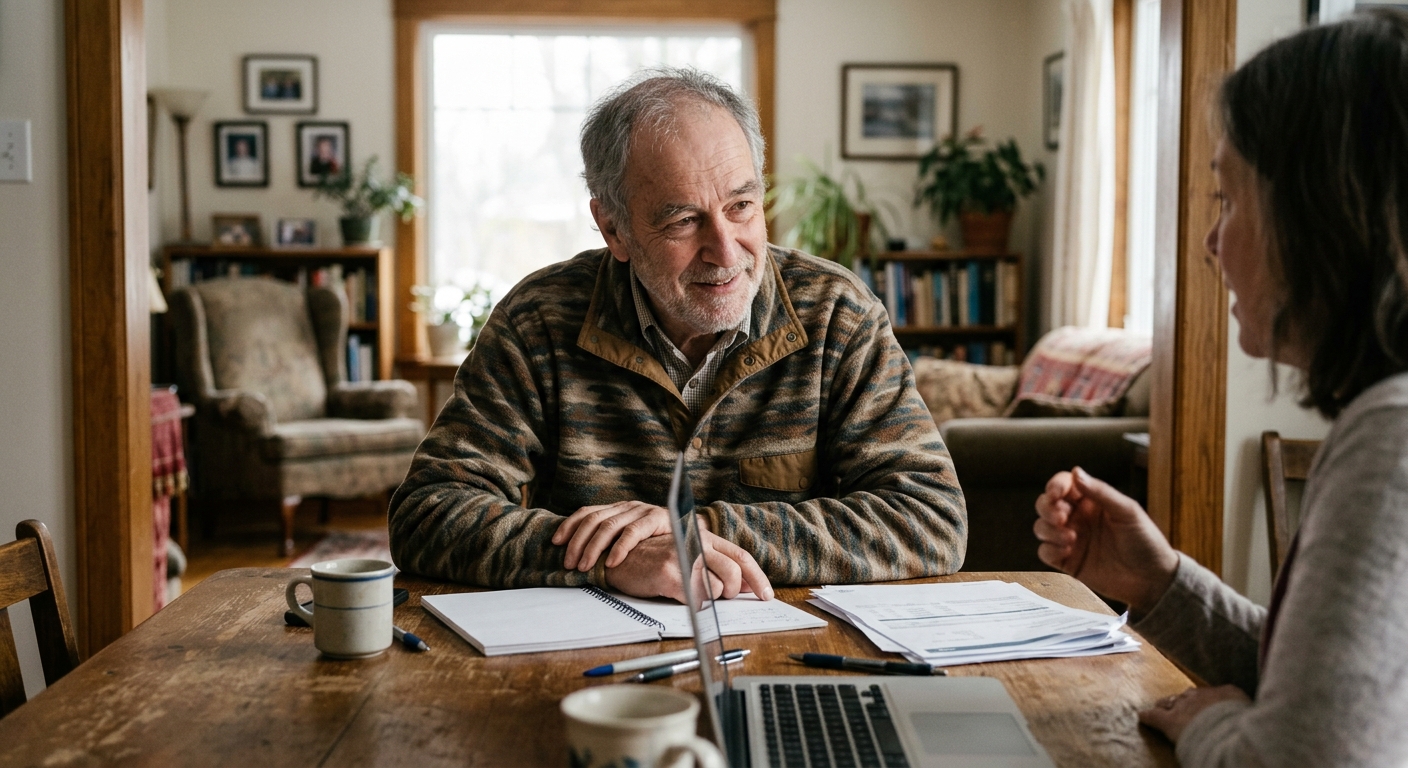
The Retirement Coaching Boom
Coaching and consulting are exploding as retirement careers. According to the International Coach Federation (ICF), there are now 100,000+ professional coaches globally, with 30% being age 55+. In Ontario specifically, there's a shortage of experienced coaches (most are under 45, lacking mature life experience). A 60+ year-old with 30 years of corporate, therapeutic, or personal development experience is precisely what coaching clients seek.
Why life coaching/consulting makes sense for retiring professionals
| Professional Background | Coaching Niche | Potential Part-Time Income |
|---|---|---|
| HR / organizational development | Corporate transition coaching | $75–$150/hour × 20 clients = $30K–$60K |
| Finance / accounting | Retirement planning coaching | $100–$200/hour × 15 clients = $22.5K–$60K |
| Psychology / therapy background | Life coaching (licensed) | $100–$200/hour × 20 clients = $40K–$80K |
| Business executive | Executive coaching (C-suite) | $150–$300/hour × 10 clients = $30K–$60K |
| Education / teaching | Career transition coaching | $75–$125/hour × 20 clients = $30K–$50K |
| Healthcare / nursing | Wellness/health coaching | $75–$150/hour × 25 clients = $18.75K–$60K |
Key advantage: Coaching is scalable without geographic limit. You can serve clients in Ontario, Canada, North America via video coaching. One client takes 1 hour/week, 4 weeks/month = 4 hours/month. 20 clients = 80 hours/month (very manageable part-time work). At $100/hour, 20 clients = $40,000 annually with no employees, no office rent, no inventory. Pure leverage of your expertise.
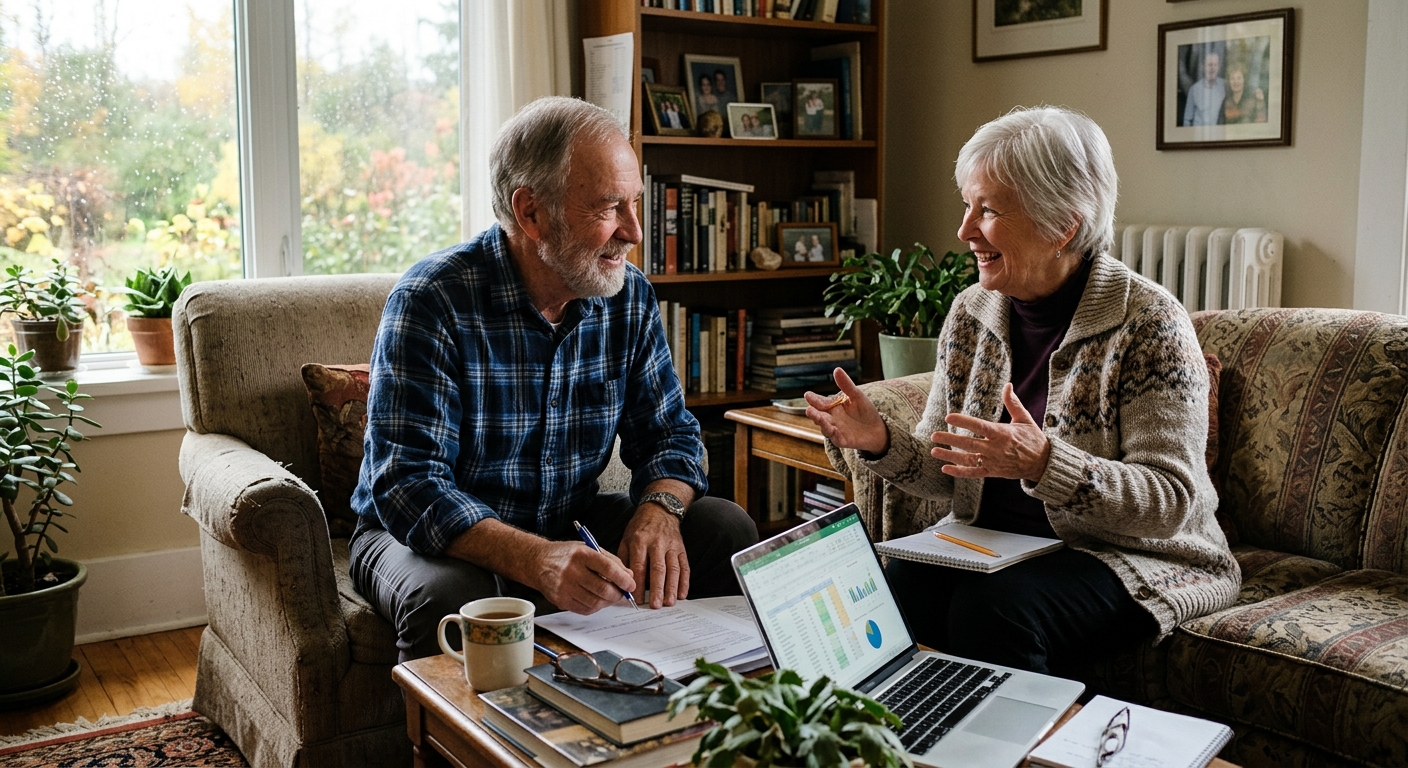
Reverse Mortgage Funding for Coaching Launch
A reverse mortgage funds the coaching business startup through two mechanisms:
Strategy 1: Lump sum for business launch costs
Take $25,000–$35,000 as a lump sum to cover:
| Startup Expense | Typical Cost |
|---|---|
| Coaching certification (ICF-accredited program) | $5,000–$12,000 |
| Business licensing and registration | $500–$1,000 |
| Professional liability insurance (required by ICF) | $800–$1,500/year |
| Home office upgrade (desk, ergonomic chair, shelving) | $2,000–$5,000 |
| Technology infrastructure (software, CRM, booking platform) | $1,500–$3,000 |
| Website design and domain (professional but minimal) | $1,000–$2,500 |
| Initial marketing (LinkedIn, Google Ads, networking events) | $1,000–$3,000 |
| Client materials (worksheets, assessments, handouts) | $500–$1,500 |
| Business account and accounting setup | $500–$1,000 |
| Total typical startup: | $13,000–$31,000 |
Reverse mortgage lump sum covers this entirely, and you launch the business within 3–6 months.
Strategy 2: Line of credit for phased launch and bridge
Some coaches prefer a slower launch. A reverse mortgage line of credit funds this:
| Timeline | Monthly Draw | Purpose |
|---|---|---|
| Months 1–6 | $1,500 | Certification, business setup, initial marketing |
| Months 7–12 | $1,000 | Continuing education, marketing, client acquisition |
| Months 13–24 | $500–$1,000 | Bridge gap while client base stabilizes; marketing boost |
| After 24 months | $0 | Draws stop; business revenue covers operations |
This phased approach is lower-stress: you build the business gradually while maintaining other income (part-time work, CPP, OAS). As clients accumulate, draws reduce. By year 2–3, business revenue replaces draws entirely.
Real-world example: Susan's coaching business
Susan, 58, spent 30 years in corporate HR. She's planning to semi-retire at 62 but wants meaningful work. She has passion for helping professionals navigate mid-career transitions (gender bias, age discrimination, industry shifts).
Susan's situation:
- Current salary: $85,000/year
- Plan: Work part-time consultant contract ($30,000/year) for 2 years, then launch coaching
- Home equity: $280,000 (mortgage-free)
- Liquid savings: $45,000 (wants to preserve for emergencies)
- Vision: Build coaching practice generating $40K–$60K/year by age 65
Susan's strategy:
- Take $25,000 reverse mortgage lump sum at age 58
- Complete ICF coaching certification (1-year program, evenings/weekends) while still employed
- At age 62: Leave corporate job; transition to $20,000/year part-time consulting
- Launch coaching practice with established credentials, insurance, website, marketing
- Year 1 (age 62): Build client base (8–12 clients) = $18K–$24K revenue
- Year 2 (age 63): Scale to 15–20 clients = $30K–$48K revenue
- Age 65: Have 20–25 clients; revenue $40K–$60K; CPP begins
Outcome: Susan's reverse mortgage $25,000 + accrued interest ($2,000–$3,000) is completely repaid by coaching revenue within 2–3 years. By age 65, her coaching business generates as much income as her corporate job did—but with autonomy, flexibility, and purpose. She works 60–80 hours/month (very part-time), not 40+ hours/week. Reverse mortgage is repaid before she even draws CPP; no long-term debt burden.
Legacy element: Susan's coaching helps 20–25 clients annually transition careers fairly. She's building a legacy of impact alongside income. This is precisely why coaching appeals to retirees: it combines purpose, income, and flexibility.
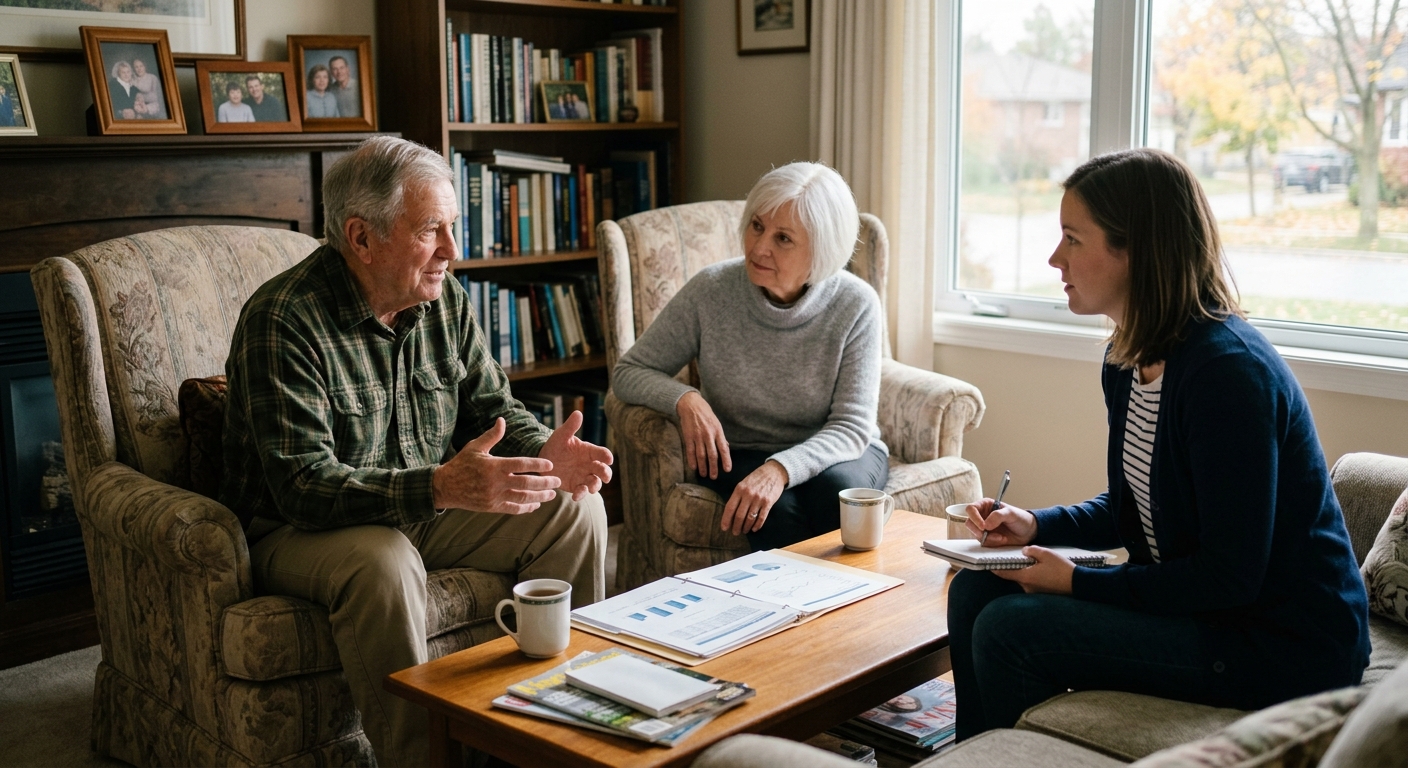
Coaching Model Comparison: Full-Time vs Part-Time vs Hybrid
Different retirees build coaching businesses differently. Here's the comparison:
| Business Model | Client Base | Hours/Month | Annual Income | Reverse Mortgage Role |
|---|---|---|---|---|
| Part-time (10–15 clients) | 10–15 | 40–60 | $18K–$36K | Bridge income gap; supplement CPP |
| Semi-retirement (20–25 clients) | 20–25 | 80–100 | $40K–$60K | Replace lost employment income |
| Active coaching (30+ clients) | 30+ | 120–150 | $60K–$90K | Startup capital; pure business funding |
| Group programs/retreats | Variable | Flexible | $50K–$100K+ | Startup + retreat facility costs |
Most retirees choose part-time or semi-retirement model (10–25 clients). This provides meaningful income ($25K–$60K) without full-time job demands. A reverse mortgage funds the launch; business revenue repays the loan within 2–3 years.
Tax Considerations for Coaching Business
Coaching business revenue is self-employment income, subject to self-employment tax and CPP contributions:
| Tax Consideration | Impact |
|---|---|
| Self-employment tax | 15.8% CPP contribution on net earnings (vs 11.9% for employees) |
| Business deductions | Home office, software, insurance, continuing education all deductible |
| Reverse mortgage costs | Interest is NOT tax-deductible (personal loan, not business loan) |
| Quarterly tax installments | Required if projected tax > $3,000 for the year |
| HST registration | Optional if revenue < $30,000; required if > $30,000 |
According to CRA's self-employment guidance, coaching businesses are legitimate professional services. Revenue is fully taxable as business income, but legitimate expenses (certification, software, marketing, home office) reduce taxable income substantially. Many coaching startups have minimal tax liability in year 1 due to deductions exceeding revenue.
Good news for reverse mortgage planners: Reverse mortgage draws are not taxable income, so they don't trigger self-employment tax. Only your actual coaching fees (invoiced to clients) are taxable. This means a $25,000 reverse mortgage draw + $20,000 coaching revenue = $20,000 taxable income, not $45,000.
Comparing Business Funding Options for Coaches
When launching a coaching business, coaches have limited traditional options:
| Funding Source | Capital | Debt Obligation | Impact on Credit |
|---|---|---|---|
| Reverse mortgage (lump sum) | $25K–$40K | $0/month (repaid eventually) | No impact (secured loan) |
| Personal loan (bank) | $15K–$25K | $300–$500/month | Impact (unsecured; affects borrowing) |
| Credit cards | $10K–$20K | 19.99% interest (high) | Major impact (affects credit score) |
| RRSP withdrawal (early) | $25K–$50K | 50%+ tax hit; RRSP depleted | No monthly payment but permanent tax loss |
| Family loan | Variable | Depends on arrangement | Relationship risk |
| Bootstrapping (savings) | $10K–$20K | $0 | No impact but depletes emergency fund |
Reverse mortgage wins for coaching startup because:
- ✓ No monthly payments (critical for early business when revenue is thin)
- ✓ Capital is substantial ($25K–$40K)
- ✓ No credit score impact or credit bureau reporting (secured against home)
- ✓ Repaid from business revenue (not forced debt service during lean months)
- ✓ Tax-efficient (proceeds are tax-free; only actual business revenue is taxed)
Building a Sustainable Coaching Practice (Year 1 Reality)
Year 1 is the hardest. New coaches typically acquire 1–3 clients/month in months 1–4, then 2–4 clients/month as word spreads. By month 12, most coaches have 10–15 active clients. Here's realistic Year 1:
| Month | Clients | Revenue | Cumulative RM Draw |
|---|---|---|---|
| 1–3 | 0–2 | $0–$3K | Startup costs: $5K drawn |
| 4–6 | 2–5 | $3K–$12K | Marketing: $1.5K drawn |
| 7–9 | 5–10 | $12K–$25K | Bridge costs: $1K drawn |
| 10–12 | 10–15 | $25K–$45K | Sustaining: $500 drawn |
| Year 1 total | 10–15 clients | $40K–$85K revenue | ~$8K drawn |
| Reverse mortgage balance | — | — | ~$10K (including ~$2K interest) |
Key insight: Year 1 revenue often exceeds the reverse mortgage startup costs. By end of Year 1, you're drawing on reserve RM funds only minimally. Year 2 is much stronger (clients stick, referrals build). By Year 3, the reverse mortgage is completely repaid from coaching revenue.
Key Takeaways
✓ 100,000+ professional coaches globally; 30% are 55+, with massive demand for experienced, mature coaches with life expertise
✓ Coaching startup costs $13,000–$31,000 (certification, business setup, marketing, tech), which reverse mortgage covers entirely without business debt stress
✓ Part-time coaching (10–25 clients) generates $18,000–$60,000 annually with only 40–100 hours/month of work, making it ideal for semi-retirement
✓ Reverse mortgage provides zero monthly payment pressure — critical when business revenue is thin in months 1–6; draws scale down as revenue grows
✓ Coaching revenue repays reverse mortgage within 2–3 years, making this a self-repaying business investment with no long-term debt burden
✓ Coaching is legacy work — you help clients navigate career, life, health, relationships; you build meaningful impact alongside income and flexibility
Frequently Asked Questions
Do I need a license to be a life coach in Ontario?
Not officially. Unlike therapists or counselors (regulated professions), life coaches are not licensed by the province. However, ICF (International Coach Federation) certification is the professional standard and provides credibility with clients. Most clients expect coaches to be ICF-certified or equivalent. A reverse mortgage funds this certification easily.
Can I launch a coaching business while still employed?
Yes. Most coaches complete ICF certification part-time (evenings/weekends) while employed. After certification (12–24 months), you launch the coaching practice while employed. Once you have 10–15 stable clients, you can reduce employment hours or leave entirely. This staged approach is lower-risk than quitting and starting simultaneously.
What if I don't acquire clients quickly?
Realistic: Month 1–3 you'll have 0–2 clients. This is normal. Month 6 you'll have 3–5. Month 12 you'll have 10–15 if you're marketing consistently. Reverse mortgage draws bridge the months when client acquisition is slow. If after 12 months you have fewer than 8 clients, you can pause the business and use reverse mortgage to subsidize other part-time work while you build coaching on the side. No pressure; the reverse mortgage provides flexibility.
Can I combine coaching with my current career (not retire yet)?
Absolutely. Many coaches launch part-time while employed. You build coaching alongside your job for 1–3 years, then transition to coaching part-time as the job winds down. Reverse mortgage can fund the coaching launch without forcing employment decisions.
Is coaching income volatile or stable?
Depends on your model. Monthly retainer clients (paying $300–$500/month for ongoing coaching) provide stable income. Project-based clients (paying $2K–$5K for a 6-week coaching program) are variable. Most sustainable coaches combine both: 15 retainer clients ($5K–$7.5K/month stable) + 5–10 project clients (variable $3K–$5K/month). Reverse mortgage bridges the ramp-up period until this mix stabilizes.
What if health issues prevent me from continuing coaching?
Coaching is exceptionally flexible for health constraints. You can pause practice (no obligations), reduce to 3–5 clients (lower time commitment), or shift to group programs/retreats (less 1-on-1 time). Unlike traditional employment, coaching doesn't require "full duty" or "fitness to work" — you control your caseload entirely. If health becomes prohibitive, you stop; reverse mortgage is repaid from savings or home sale later.
Ready to explore launching your coaching practice with reverse mortgage funding? Get your free Ontario Reverse Mortgage Guide →
Ready to Learn More?
Find out exactly how much you could unlock from your home — free and no obligation.
Related Articles
Reverse Mortgage for Home-Based Professional Practice Wind-Down
Fund your transition from home-based professional practice to full retirement. Use a reverse mortgage to bridge income while scaling down your business.
Read →Reverse Mortgage for Home-Based Business Mentorship and Entrepreneurship Coaching Program
Build a home-based coaching practice mentoring aspiring entrepreneurs, funded by a reverse mortgage to launch your business mentorship program.
Read →Reverse Mortgage for Consulting Transition: Funding Your Independent Business
Learn how Ontario seniors can use reverse mortgages to fund a consulting business transition, covering startup costs and cash flow during the early phases.
Read →