
Reverse Mortgage for Inherited Property With Structural Defects: Home Stabilization
Fund urgent structural repairs on an inherited Ontario home. Reverse mortgage strategy for inherited properties with foundation issues, roof damage, or major defects.
You've inherited your parents' home, but the inspector's report reveals $60,000 in foundation repairs needed. Do you sell, pay out of pocket, or find another way? Many adult children inherit homes with hidden structural problems — and face an impossible choice.
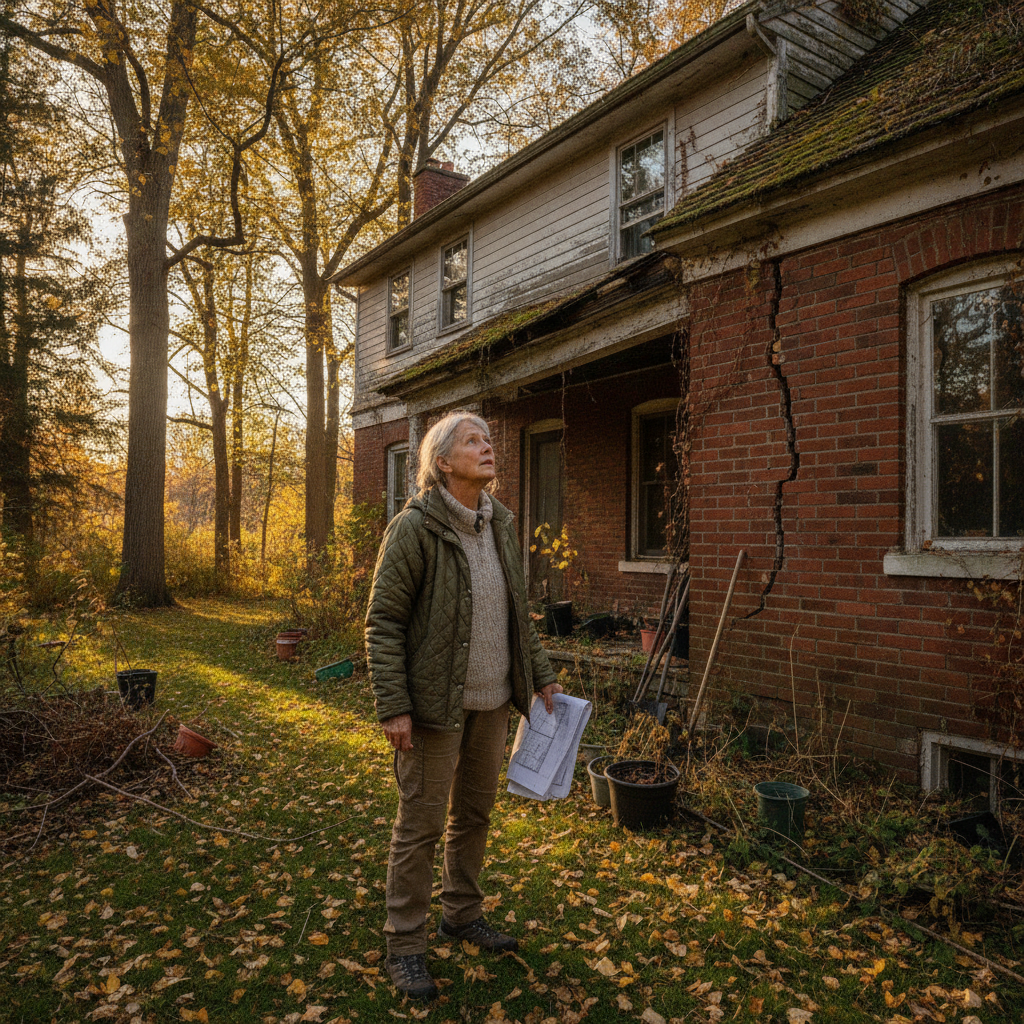
Inheriting a house is supposed to be a gift. But older homes in Ontario often hide expensive problems: settling foundations, failing roofs, rotting joists, or outdated electrical systems. If you inherited your parents' home and you're 55 or older, a reverse mortgage on that inherited property can fund critical stabilization while you decide what comes next.
The Inherited Property Problem
Structural defects in inherited homes fall into several categories:
Critical (safety/habitability):
- Foundation cracks or settling (risk of collapse)
- Roof failure or leaks (water damage, mold)
- Electrical hazards (fire risk, code violations)
- Plumbing or septic system failure
- Asbestos or lead contamination
Significant (durability/value):
- Rotting siding or trim
- Failed windows or doors
- Outdated HVAC systems
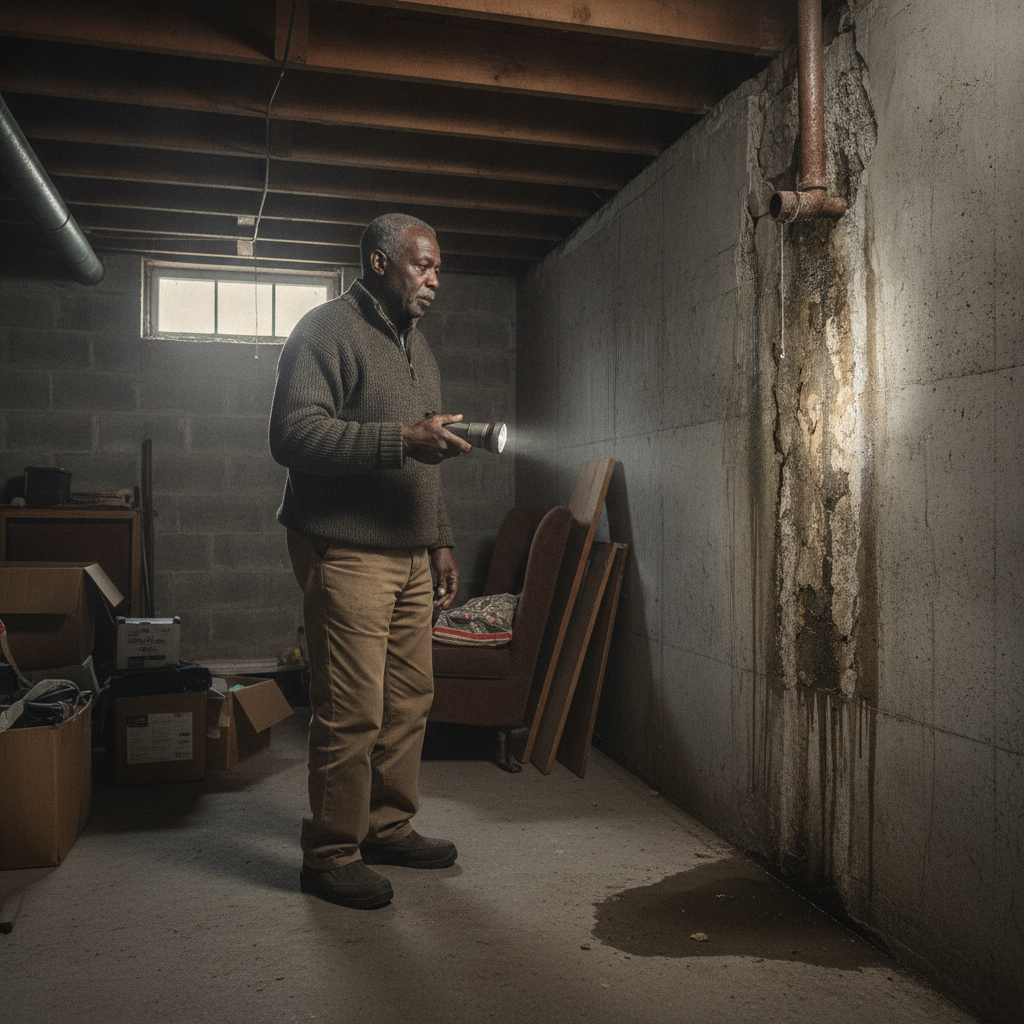
- Basement moisture or mold
- Missing insulation or ventilation
These repairs can cost $20,000–$150,000 depending on severity. Many adult children inherit homes simultaneously with paying mortgages on their own homes, aging parent care costs, and uncertain financial futures.
Why Inherited Properties Have Structural Issues
Parents often defer maintenance over 30–50 years of ownership:
- A roof built in 1980 is likely at end-of-life in 2026
- Foundation settling is normal over decades (though costly to repair)
- Deferred maintenance compounds — a small leak becomes mold and structural rot
- Older Ontario homes may have asbestos insulation, lead paint, or outdated wiring
By the time the property transfers to adult children, the full scope of repairs is often unknown until after closing.
Reverse Mortgage on Inherited Property: The Strategy
If you inherit a home and you're 55+, you have a unique opportunity:
- Obtain the property — inherit or accept the deed
- Clear any existing debt — pay off the deceased parent's mortgage (if any) or estate liabilities
- Apply for a reverse mortgage — the inherited home becomes your primary residence
- Fund stabilization — use reverse mortgage proceeds to pay for critical repairs
- Decide long-term — keep the home, rent it, or sell it once stabilized
| Stage | Action | Cost/Funding |
|---|---|---|
| Inheritance | Accept property, clear title | Estate pays initial debts |
| Inspection | Comprehensive structural inspection | $400–$800 (adult child's cost) |
| Emergency repairs | Stabilize critical issues (roof, foundation) | Reverse mortgage proceeds |
| Long-term planning | Decide: live in it, rent it, or sell | Home now stabilized, more valuable |
| Repayment | No forced repayment until you sell or pass away | Reverse mortgage continues |
Case Study: Margaret Inherits Her Parents' Home in Mississauga
Margaret (62) inherited her parents' bungalow in Mississauga. The inspection revealed:
- Foundation settling: $35,000 to repair
- Roof needs replacement: $18,000
- Electrical panel outdated: $4,000
- Basement moisture: $6,000
Total: $63,000 in repairs.
Margaret's options:
- Sell now — "as-is" sale worth $550,000 vs. $700,000 if stabilized (loses $150,000 to discount)
- Use savings — deplete retirement funds for repairs (risky)
- Reverse mortgage — access $300,000 equity, pay $63,000 for repairs, keep home
Margaret chose option 3. She accessed a $300,000 reverse mortgage on the inherited home. She paid $63,000 for repairs over 6 months. The home, now stabilized and worth $700,000, became either an asset to keep or to sell at full value. Margaret retained options; she wasn't forced to sell in distress.
Reverse Mortgage vs. Other Funding Options for Inherited Repairs
| Option | Pros | Cons | Best For |
|---|---|---|---|
| Reverse mortgage | Tax-free, flexible timing, keeps home | Interest compounds, reduces estate | Keeping home, 55+, strong equity |
| Sell as-is, buy new home | Clean break, no hidden costs | Significant price discount (20–30%) | Not emotionally attached, want fresh start |
| Home equity loan (traditional) | Lower interest rates | Requires income verification, monthly payments | Still working, stable income |
| Personal loan/line of credit | Quick access | Higher interest, taxable if from business | Small repairs, short timelines |
| Home warranty coverage | May cover some items | Rarely covers structural defects, pre-existing conditions excluded | Post-purchase only |
| Sell, then use proceeds for new home | No inherited home maintenance burden | Real estate transaction costs, market risk | Prefer not to inherit |
According to CMHC, inherited homes require structural repairs in approximately 40% of cases — much higher than newly purchased homes. A reverse mortgage is explicitly designed for this scenario.
Tax and Estate Considerations
Principal residence exemption: If you inherit your parents' home and it becomes your principal residence, capital gains on appreciation (after inheritance) may be tax-free when you eventually sell. A reverse mortgage doesn't affect this exemption; it's a debt against the home, not income.
Estate impact: A reverse mortgage reduces the equity you can pass to other heirs. However, if the alternative is forced sale or no repairs:
| Scenario | Equity Remaining | Heirs' Inheritance |
|---|---|---|
| Keep home, no repairs (stays at $550K as-is value) | $550,000 | $550,000 ÷ heirs |
| Reverse mortgage $100K for repairs (home now $700K) | $600,000 | $600,000 ÷ heirs (net gain despite debt) |
| Sell as-is (30% discount to $385K) | $385,000 | $385,000 ÷ heirs (worst outcome) |
A reverse mortgage often increases heirs' inheritance because the stabilized home is worth more than the as-is discount.
According to CRA and FSRAO, reverse mortgages on inherited properties are recognized as legitimate strategies for managing deferred maintenance and stabilizing family assets.

Choosing Between Repair and Sell
Keep the home if:
- You want to live in it long-term
- The repairs are manageable (under 20% of home value)
- You have emotional attachment to the property
- Rental market in the area is strong (consider tenants later)
Sell if:
- Repairs exceed 30% of home value ($200,000+ repairs on a $600,000 home)
- The property is far from where you live
- You don't want ongoing maintenance responsibility
- You need immediate liquidity for other needs
Working with Contractors on Inherited Properties
When you stabilize an inherited home:
- Get 3 quotes for major repairs
- Verify contractors are licensed and insured
- Request a warranty on structural work
- Prioritize critical repairs first (roof, foundation, electrical)
- Phase cosmetic work (paint, flooring) later if budget is tight
Bloom Financial and HomeEquity Bank both provide flexible reverse mortgage structures that allow phased spending — you access funds gradually as repairs complete.
Key Takeaways
✓ Inherited homes often need structural repairs — approximately 40% require significant work ✓ Reverse mortgage funds stabilization without forced sale — tax-free access to repair costs ✓ Repairs increase home value — stabilized homes sell for 30–40% more than as-is ✓ No income verification required — reverse mortgage eligibility is based on age and home equity ✓ Flexible repayment — no forced repayment until you sell or pass away ✓ Estate impact can be positive — stabilized home worth more despite reverse mortgage debt
Frequently Asked Questions
Can I get a reverse mortgage on an inherited home if the previous mortgage isn't paid off?
You can, but first priorities include paying off any existing mortgage from the estate or inherited home's equity. Once the title is clear, a new reverse mortgage can access the remaining equity.
How long do I have after inheriting to apply for a reverse mortgage?
There's no strict timeline, but it's wise to apply relatively soon (within 6–12 months). Home values and market conditions change. Getting funds locked in protects you from rate increases. Consult Rick Sekhon about optimal timing for your situation.
If I'm under 55, can I use a reverse mortgage on an inherited home?
No. You must be 55 or older to qualify for a reverse mortgage, even if you've inherited the property. If you're under 55, consider a home equity line of credit or traditional loan to fund repairs.
Will the reverse mortgage on my inherited home affect my ability to sell later?
No. When you sell the inherited home, the reverse mortgage balance is paid off from sale proceeds (like any mortgage). The sale process is straightforward; you simply owe whatever the reverse mortgage balance is at sale time.
What if I inherit the home with siblings — can we get a reverse mortgage together?
It depends. If you're all on title and all 55+, potentially yes. However, reverse mortgages require careful coordination with multiple owners. Speak with Rick Sekhon Reverse Mortgages about multi-owner inherited properties; this often benefits from professional guidance.
Do I have to live in the inherited home to get a reverse mortgage on it?
Yes. Reverse mortgages require the property to be your principal residence — where you live most of the year. Inherited homes that you'll rent out don't qualify.
Ready to Learn More?
Find out exactly how much you could unlock from your home — free and no obligation.
Related Articles
Reverse Mortgage When You Inherit Your Parent's Reverse Mortgage Debt: Managing Liability After Death
You've inherited your parent's home with a reverse mortgage balance. Learn your options, your obligations, and how to move forward as the new homeowner in Ontario.
Read →Foundation Repairs and Reverse Mortgage: Funding Structural Issues
Foundation cracks, settling, or water damage can cost $15,000–$50,000 in Ontario. Learn how a reverse mortgage funds critical structural repairs.
Read →Reverse Mortgage for Accessible Community Kitchen: Culinary Training and Aging in Place
Convert your home kitchen into an accessible commercial culinary training space. Reverse mortgage funds renovation while creating community impact.
Read →