
Reverse Mortgage for Home Security After Elder Financial Fraud or Exploitation Attempt
Upgrade home security and safety systems after elder fraud. Reverse mortgage for comprehensive security improvements and fraud recovery in Ontario.
What if you or an aging loved one has become the target of financial fraud, and your sense of security—at home and financially—is shattered? Elder financial fraud and exploitation are devastating, affecting not just finances but emotional wellbeing and sense of safety. After a fraud attempt (whether successful or intercepted), victims often need comprehensive home security upgrades: cameras, alarm systems, improved locks, and controlled access points. A reverse mortgage can fund these critical safety investments without depleting the very resources that were targeted during the fraud.
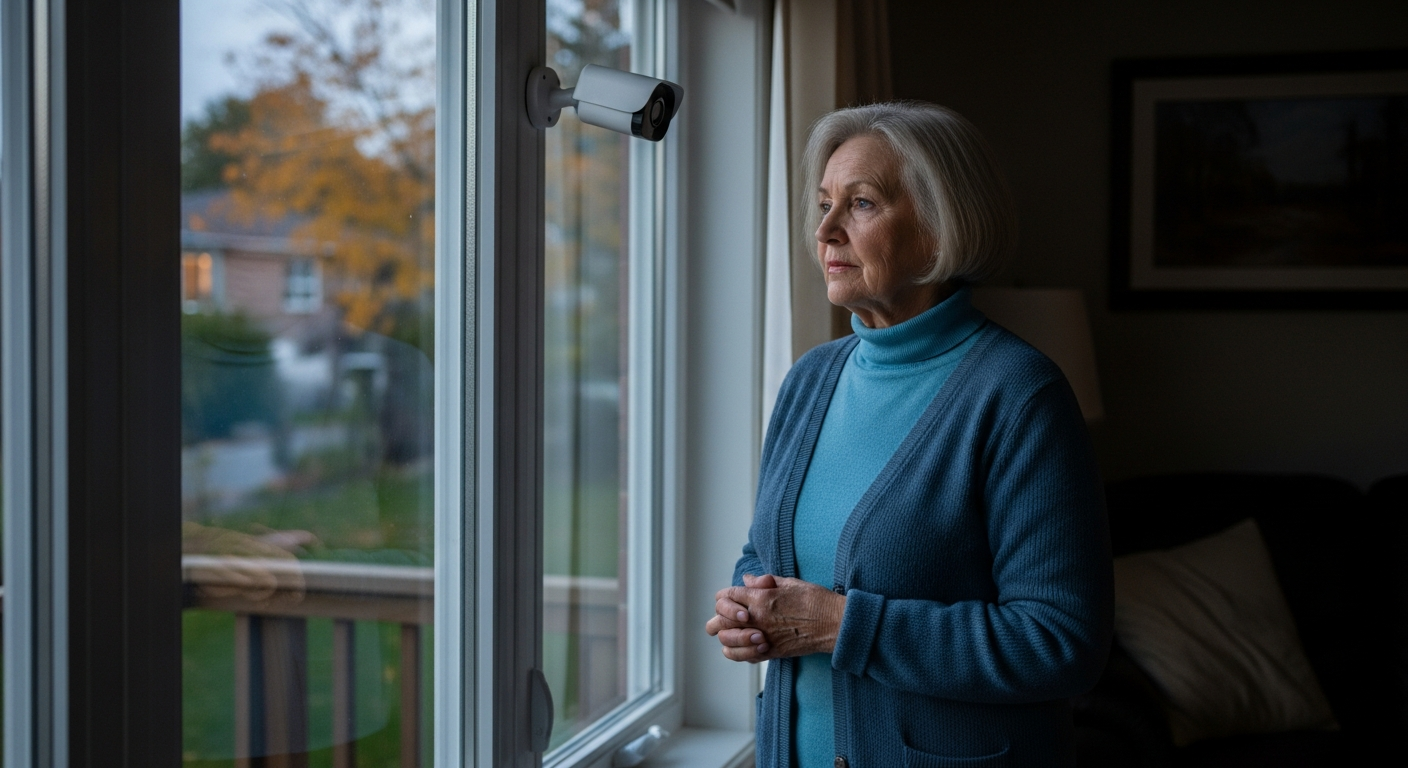
Older Canadians lose an estimated $4.3 billion annually to financial fraud and exploitation, according to recent studies. Beyond the direct financial loss, fraud survivors experience compromised sense of safety—in their homes and with strangers. Security systems aren't luxury additions; they're therapeutic necessities. A reverse mortgage addresses this by funding comprehensive home security that protects both physical safety and the emotional recovery process after fraud.
Understanding Elder Fraud and Its Emotional Aftermath
What types of elder fraud typically target Ontario seniors? The landscape is diverse and sophisticated:
| Fraud Type | Common Method | Average Loss | Emotional Impact |
|---|---|---|---|
| Romance scam | Fake online relationship; request for money | $50,000–$300,000+ | Shame, isolation, distrust of relationships |
| Tech support scam | Pop-up "virus alert"; remote device access | $5,000–$20,000 | Violated sense of digital privacy |
| Grandparent scam | Fake emergency from grandchild; urgent money transfer | $3,000–$50,000 | Guilt over perceived family crisis |
| Lottery/prize scam | Notification of "won" prize; payment required | $2,000–$10,000 | Embarrassment, reduced trust in communication |
| Home repair/contractor scam | Unsolicited home inspection; inflated repair quote | $5,000–$30,000 | Violation of home security/trust |
| Caregiver exploitation | Trusted caregiver overstays authority; coercion | $20,000–$200,000+ | Betrayal, safety concerns about home access |
According to FCAC (Financial Consumer Agency of Canada), fraud survivors report that physical home security improvements are as important as financial recovery—they restore sense of control and safety.
Security Upgrades After Fraud: The Complete Picture

Post-fraud security goes beyond traditional alarm systems. A comprehensive approach includes:
Digital Security
- Firmware-updated router and network encryption
- Two-factor authentication on financial accounts
- New credit monitoring subscriptions
- Smart device audits (remove compromised devices)
- Estimated cost: $1,500–$3,500
Physical Access Control
- Smart locks on all entry points (remotely controlled, audit trail)
- Video doorbells with 24/7 monitoring
- Motion-sensor lighting around perimeter
- Reinforced door frames and hinges
- Estimated cost: $3,500–$8,000
Surveillance & Monitoring
- Indoor/outdoor security cameras (24-hour recording)
- Professional monitoring service (first year subscription)
- Visible security signage as deterrent
- Recording storage and backup systems
- Estimated cost: $4,000–$10,000
Access & Visitor Management
- Visitor check-in system for caregivers/health workers
- Secure intercom system
- Restricted access to financial documents room
- Safe for documents, legal papers, valuables
- Estimated cost: $2,000–$5,000
Professional Services
- Home security consultation ($500–$1,000)
- Caregiver background checks ($200–$500 per person)
- Legal documentation updates (power of attorney review)
- Fraud recovery counseling (first-year costs)
- Estimated cost: $1,500–$3,500
| Total Comprehensive Security Setup | $12,500–$30,000 |
|---|
According to the Office of the Superintendent of Financial Institutions (OSFI), comprehensive security funding post-fraud is a recognized use of reverse mortgage proceeds. OSFI acknowledges that emotional recovery requires environmental safety restoration.
Reverse Mortgage as Fraud Recovery Funding
When fraud strikes, victims often face a dilemma: security improvements require thousands of dollars, but liquid assets are depleted by the fraud itself. A reverse mortgage solves this by:
- Funding security WITHOUT liquidating remaining assets — Money for cameras, locks, and monitoring isn't drawn from what little remains
- Providing psychological safety — Each security upgrade is visible and tangible, building confidence
- Enabling professional support — Funds for fraud recovery counseling and legal advice
- Offering flexibility — Draw only what's needed as you identify vulnerabilities
Lender Perspective on Fraud Recovery
CHIP, Equitable Bank, HomeEquity Bank, and Bloom Financial all recognize fraud recovery as a legitimate reverse mortgage use case. When you explain the fraud context, lenders are supportive because:
- It's related to home security (core asset protection)
- It often reveals caregiver or contractor vulnerabilities
- It's consistent with their mission to support seniors' independence and safety
Typical Reverse Mortgage Structure for Security Funding
| Scenario | Available Equity | Security Budget | Draw Strategy |
|---|---|---|---|
| 70-year-old with $500k home, minimal mortgage | $150,000–$275,000 | $20,000 | One-time lump-sum draw; retain remaining equity |
| 75-year-old with $600k home, $100k mortgage | $170,000–$300,000 | $25,000 | One-time draw plus line of credit for monitoring services |
| 80-year-old with $400k home, no mortgage | $140,000–$220,000 | $15,000 | Lump-sum; retain equity for future healthcare needs |
Psychological Safety: The Hidden Cost of Fraud
Beyond financial recovery, fraud survivors need to restore emotional safety in their own home. Studies show:
- 45% of fraud victims report anxiety at home after fraud
- 38% report difficulty trusting visitors or caregivers
- 67% report feeling vulnerability in their "sanctuary"
A reverse mortgage-funded security system addresses this by:
- Visible deterrence (cameras, signage reduce anxiety)
- Control restoration (you can monitor who enters, review footage)
- Professional oversight (monitoring services provide external accountability)
- Financial recovery pathway (security improvements don't worsen financial damage)
According to FCAC, comprehensive post-fraud recovery includes "environmental and psychological safety restoration." Home security isn't optional; it's therapeutic.
Key Takeaways
✓ Elder fraud survivors lose $4.3 billion annually in Canada; emotional recovery requires safety restoration
✓ Comprehensive post-fraud security systems cost $12,500–$30,000 (digital, physical, surveillance, access control)
✓ Reverse mortgage funds address security needs without depleting remaining retirement assets
✓ Security improvements provide visible, tangible recovery pathway for fraud survivors
✓ Lenders recognize fraud recovery as legitimate reverse mortgage use case
✓ Ongoing monitoring services ($100–$300/month) are affordable when funded via reverse mortgage line of credit
Frequently Asked Questions
Can I recover money lost to fraud and still fund security improvements?
Potentially. Some fraud victims recover partial amounts through civil suits, bank restitution programs, or insurance. However, full recovery is rare. A reverse mortgage funds security improvements independently—you don't need to wait for fraud recovery to restore your sense of safety at home.
Should I focus on security upgrades or on-site caregiver screening first?
Both are important, but start with caregiver screening if you employ in-home help. Many exploitations occur through trusted caregivers. Background checks are relatively inexpensive ($200–$500) and high-impact. Combine this with physical security to prevent unwanted visitor access.
What if the fraud involved a contractor who knew my home layout?
This is a serious vulnerability. Prioritize:
- New smart locks (previous contractor may have copied keys)
- Changed alarm codes
- Updated home security cameras with clear sightlines
- Visitor intercom system (no unauthorized entry)
- Notify neighbors to report suspicious activity
A reverse mortgage can fund all these rapidly—don't delay while deciding what you "really" need.
Can security system monitoring be covered by the reverse mortgage line of credit ongoing?
Yes. Monthly monitoring fees ($100–$300/month) can be paid from a reverse mortgage line of credit if you establish it with sufficient equity. This is sustainable for most reverse mortgage terms. Discuss ongoing draw strategy with your lender.
If I recover fraud losses later, can I repay the reverse mortgage early without penalty?
This depends on your reverse mortgage terms. Some reverse mortgages allow penalty-free prepayment; others charge prepayment fees. Confirm with your lender (CHIP, Equitable Bank, HomeEquity Bank, or Bloom Financial). If fraud recovery occurs, discuss your options with Rick Sekhon for potential refinancing at better terms.
Should I tell my children about the fraud and the reverse mortgage?
Yes. Transparency prevents future family conflict and helps children understand your security needs. Explain that the reverse mortgage funds safety—not a cover-up of financial loss. This conversation should happen with your lawyer and possibly your reverse mortgage advisor present.
Next Steps
If you or an aging loved one has experienced fraud:
- Document the fraud with police reports and financial institutions
- Consult with your bank and credit monitoring to understand recovery options
- Speak with a fraud recovery counselor (many offered free through community programs or victim services)
- Meet with Rick Sekhon to understand reverse mortgage options for security funding
- Consult with a lawyer about power-of-attorney updates and caregiver agreements
Your home should be your sanctuary. Security investments are not excessive—they're essential for emotional recovery.
For more on consumer protections and elder safety, explore our consumer protection guide → or fraud prevention strategies →.
Ready to Learn More?
Find out exactly how much you could unlock from your home — free and no obligation.
Related Articles
Reverse Mortgage and Elder Financial Fraud Protection: Safeguarding Your Estate
How to use a reverse mortgage strategically to protect assets from fraud, scams, and financial exploitation in retirement. Ontario elder abuse prevention guide.
Read →Reverse Mortgage for Home Security: Upgrade Your Safety System in Retirement
Fund home security upgrades, surveillance systems, and smart locks with a reverse mortgage. Keep your home safe while aging in place in Ontario.
Read →Consumer Protections for Reverse Mortgages in Ontario: Your Safeguards
Understand the legal protections and regulations that safeguard reverse mortgage borrowers in Ontario.
Read →