
Reverse Mortgage for Home-Based Regenerative Agriculture: Market Gardening Business
Fund a home-based market gardening or regenerative agriculture business with a reverse mortgage. Ontario retirement entrepreneur strategy for food production business.
What if your retirement wasn't about stopping work, but starting the business you always wanted? Many Ontario homeowners 55+ have land, time, and gardening skills — but lack startup capital for a market gardening or value-added food business.
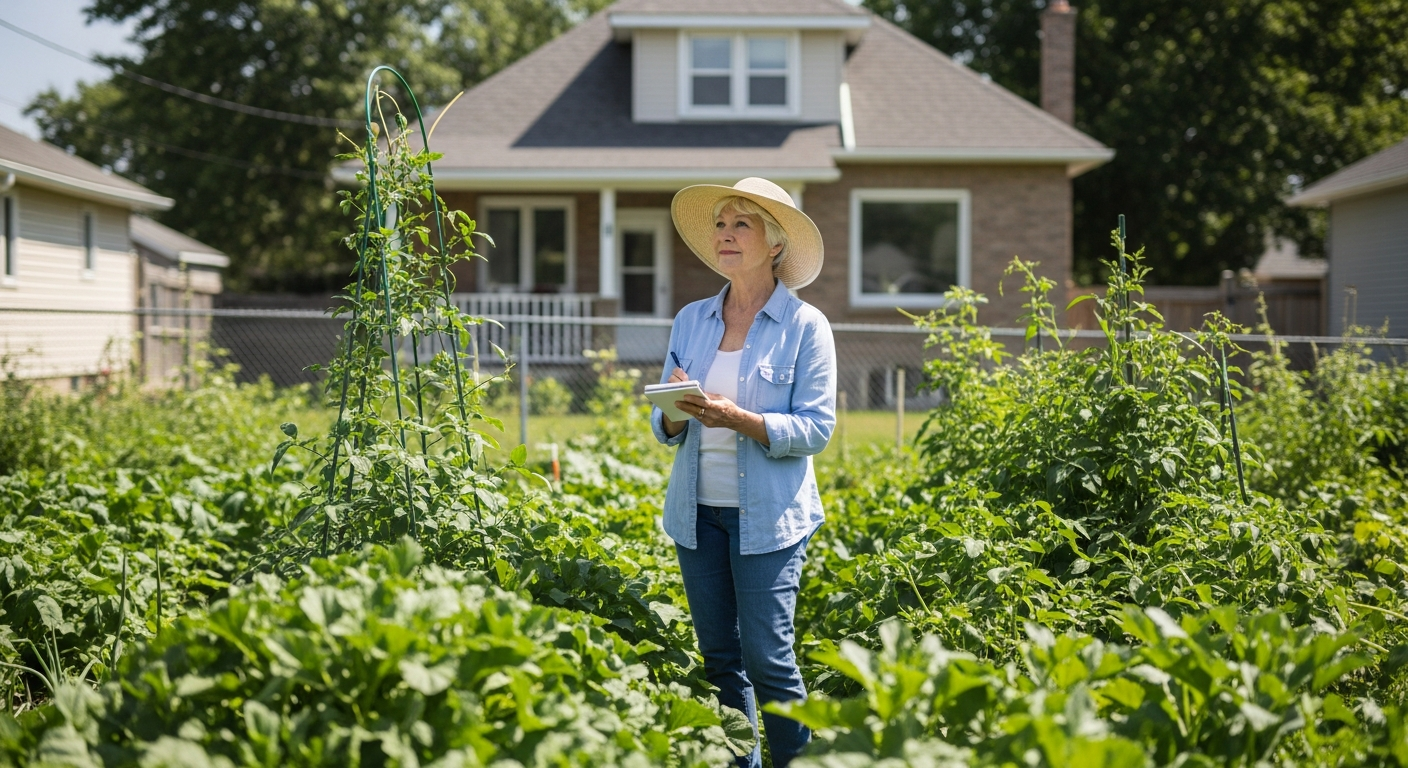
Regenerative agriculture — farming practices that restore soil health, sequester carbon, and improve ecosystem resilience — has booming demand in Ontario. Community-supported agriculture (CSA), farmers' markets, and direct-to-consumer food sales are thriving. But startup costs ($15,000–$50,000) deter many would-be agripreneurs.
A reverse mortgage provides capital for land preparation, infrastructure, and operating costs — turning your property into a profitable, purpose-driven business.
The Regenerative Agriculture Opportunity
Regenerative agriculture generates multiple income streams:
Direct sales:
- CSA subscriptions (customers prepay for weekly produce boxes)
- Farmers' market booth sales (weekly income, low overhead)
- Farm gate sales (customers pick up directly from your property)
- Online sales (shipped to customers, requires licensing)
Value-added products:
- Jams, preserves, sauces (home-based food processing license)
- Dried herbs, tea blends
- Fermented vegetables (kombucha, sauerkraut)
- Honey, eggs (from backyard bees/chickens)
Agritourism:
- Farm tours and education workshops
- On-farm events (dinners, weddings, farm camps)
- Educational classes (seed saving, composting, permaculture)
Many Ontario entrepreneurs report $20,000–$80,000 annual income from part-time market gardening on 0.5–2 acres. Full-time operations can exceed $100,000 on larger properties.
Startup Costs for Market Gardening in Ontario
| Item | Cost | Details |
|---|---|---|
| Soil preparation & composting | $3,000–$8,000 | Tilling, compost, mulch, bed construction |
| Seeds and seedlings | $1,500–$3,000 | Year 1 supply (annual recurring cost ~$1,000) |
| Tools and equipment | $2,000–$5,000 | Beds, stakes, irrigation, hand tools |
| Cold frames, hoop houses | $4,000–$12,000 | Extends growing season, protects crops |
| Irrigation system | $2,000–$6,000 | Drip irrigation, timers, water storage |
| Packaging and labeling | $1,000–$2,000 | Boxes, labels, branding materials |
| Business license and insurance | $800–$2,000 | Ontario farm operations license, liability coverage |
| Total startup | $14,300–$38,000 | Varies by scale and location |
A reverse mortgage of $30,000–$50,000 funds this entirely, paid back through business income over 5–10 years.
Reverse Mortgage Strategy for Agribusiness
Age 55–60: You retire from your primary career. You have land (owned home), physical ability, and business interests. Accessing a reverse mortgage now provides:
- Capital to build infrastructure (beds, irrigation, structures)
- Working capital for Year 1 seeds, supplies, marketing
- Buffer for seasonal cash flow gaps (harvest to market sales may take weeks)
- Flexibility to scale as business grows
Age 60–70: Business is established, generating income. You draw profits from CSA subscriptions, farmers' market sales, and value-added products. Reverse mortgage draws slow or stop as business income replaces it.
Age 70+: Business is mature or semi-passive (you supervise; others execute). You've built equity and brand; you can sell the business, license the brand to another farmer, or pass it to family as a legacy.
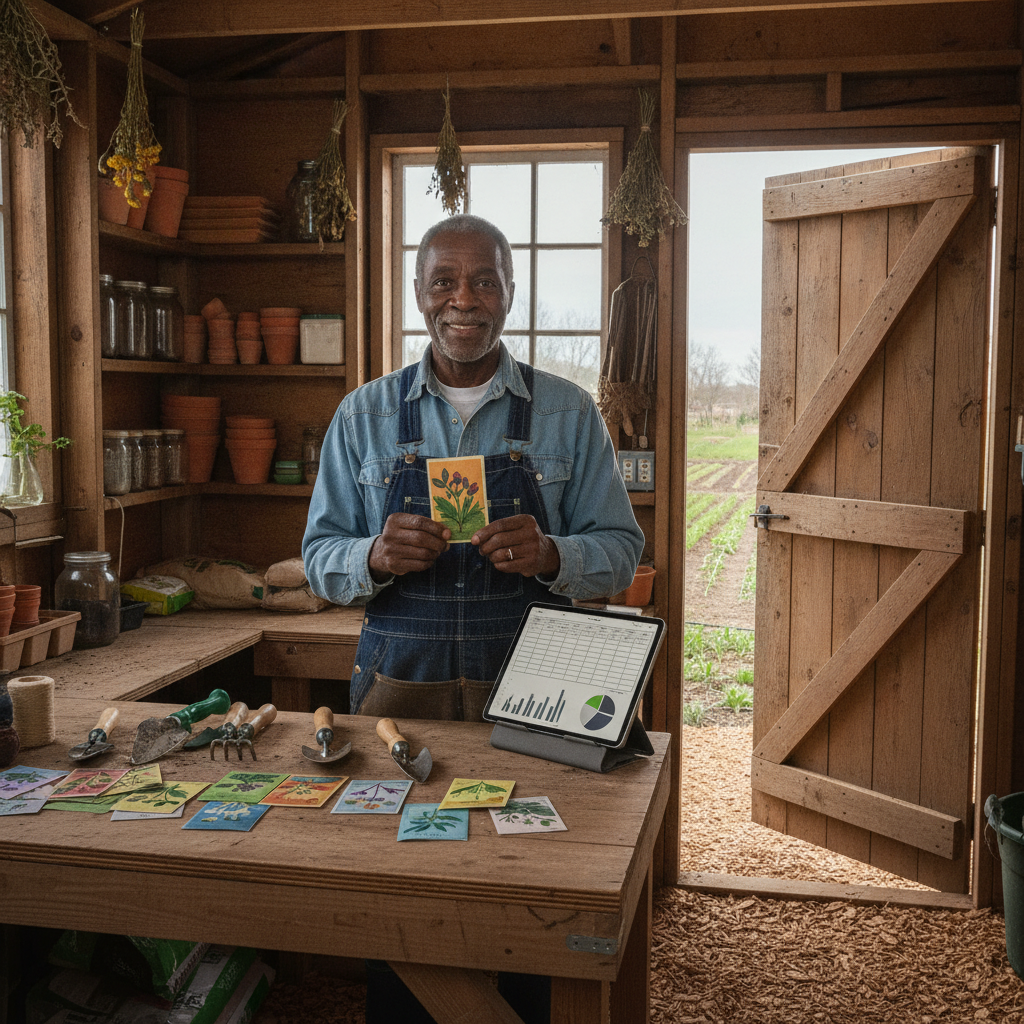
Financial Projections: Year 1–5 Market Garden
| Year | Investment | Revenue | Profit | Cumulative |
|---|---|---|---|---|
| Year 1 (startup) | $30,000 RM | $6,000–$12,000 | -$18K to -$24K | -$24,000 |
| Year 2 (growth) | $5,000 RM | $18,000–$25,000 | -$5K to +$20K | -$9,000 |
| Year 3 (maturity) | $0 | $30,000–$45,000 | $30K–$45K | +$21,000–$36,000 |
| Year 4 (scale) | $0 | $40,000–$60,000 | $40K–$60K | +$61,000–$96,000 |
| Year 5 (established) | $0 | $50,000–$75,000 | $50K–$75K | +$111,000–$171,000 |
By Year 3, most market gardens break even or profit. By Year 5, cumulative profit often exceeds initial reverse mortgage draw.
Tax Considerations for Home-Based Agricultural Business
Business income: Profits from CSA subscriptions, farmers' market sales, and value-added products are taxable. However:
- Deduct all business expenses (seeds, tools, equipment, marketing, insurance)
- Claim capital cost allowance (CCA) on structures and equipment
- May qualify for agricultural tax credits (CRA has programs for agribusiness)
Land classification: Your principal residence remains principal residence for capital gains exemption. Agricultural income doesn't disqualify this; the home is still your primary residence.
Zoning and permits: Check municipal zoning. Ontario allows home-based food businesses under the Home Business Regulatory Reform Act. Farm gate sales and CSA operations are typically allowed in residential zones; farmers' markets require a simple license.
According to OMAFRA (Ontario Ministry of Agriculture, Food and Rural Affairs), home-based food businesses in Ontario can operate under a simplified licensing model if annual sales stay under $50,000. A reverse mortgage helps you reach profitability within this threshold.
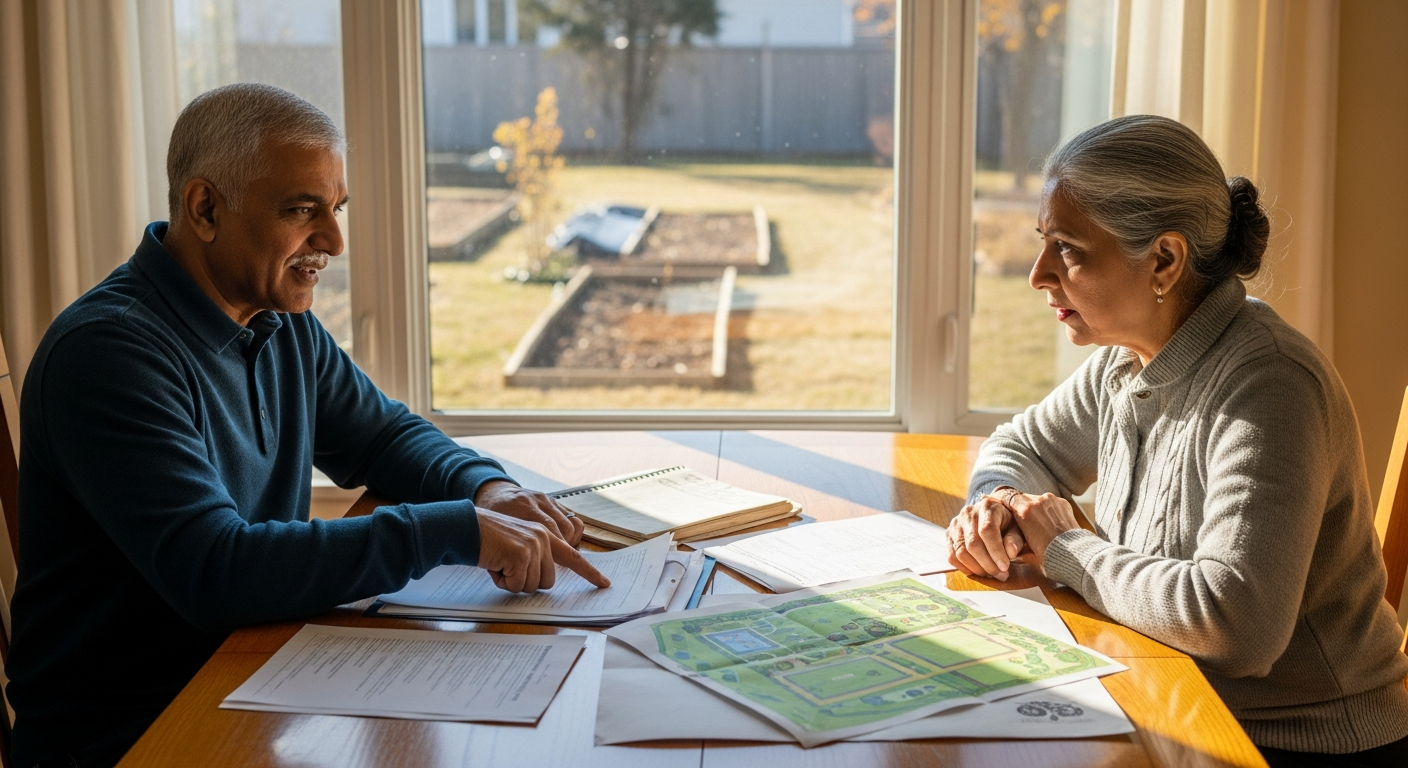
Legacy and Succession Planning
A regenerative agriculture business is a living legacy:
- For family: Your adult children may inherit a profitable, mission-driven business
- For community: You're teaching neighbors about food security and soil health
- For environment: You're sequestering carbon and restoring ecosystems
- For income: Passive or semi-passive income as you age; you supervise, others execute
Many Ontario agripreneurs sell their businesses to younger farmers, license their CSA brand to successors, or hand them to family members — turning a reverse mortgage into a multi-generational asset.
Key Takeaways
✓ Market gardening is highly profitable — $20K–$80K annual income on small acreage ✓ Startup costs are manageable — $30K–$50K funds full infrastructure ✓ Reverse mortgage provides startup capital — tax-free funds, flexible repayment via business income ✓ Break-even is achievable by Year 3 — most farms profit by mid-decade ✓ Agricultural businesses are tax-deductible — all costs reduce taxable business income ✓ Creates living legacy — family, community, and environmental impact beyond income
Frequently Asked Questions
Do I need agricultural zoning to start a market garden?
No, in most Ontario municipalities. The Home Business Regulatory Reform Act allows food businesses (including CSA operations and value-added products) in residential zones under annual sales thresholds. Check your local zoning or contact your municipality's planning department.
Can I operate a CSA program from a residential property?
Yes. CSA operations are typically allowed under residential zoning, especially if farm gate sales (customers pick up directly) are your model. Some municipalities limit farmers' market participation to one booth per residential property. Confirm with your municipality.
Do I need food safety certification to sell vegetables?
Fresh produce sales (not processed) generally don't require licensing. However, value-added products (jams, sauces, fermented goods) require a home food operation license if you sell commercially. OMAFRA provides free licensing and guidance.
What if I don't have experience farming — can I still start?
Many successful market gardeners have no prior farming experience. Start small (0.25–0.5 acres), take OMAFRA workshops, join local farming networks, and scale as you learn. Rick Sekhon can connect you with business advisors who specialize in agribusiness startups.
How much land do I need to make a viable market garden?
0.5 acres can generate $15,000–$25,000 annual income. 1–2 acres can exceed $50,000. Even 0.25 acres can work for high-value crops (specialty herbs, berries) or value-added products. Size depends on your crop choice and target market.
Can I get crop insurance if I use a reverse mortgage for startup?
Yes. Crop insurance is separate from your mortgage. Most Ontario market gardeners carry liability insurance (for CSA liability, on-farm events) and may add crop insurance if they're worried about crop failure. These costs are business deductions.
Ready to Learn More?
Find out exactly how much you could unlock from your home — free and no obligation.
Related Articles
Reverse Mortgage for Parent's Entrepreneurial Second Act: Starting Your Dream Business in Retirement
Fund your retirement business idea with a reverse mortgage. Start the venture you always dreamed of while aging in place in Ontario.
Read →Reverse Mortgage for Home Food Production: Greenhouse and Garden Infrastructure
Fund high-yield gardening, greenhouse systems, and food production infrastructure with a reverse mortgage. Grow food sustainably while aging in place in Ontario.
Read →Reverse Mortgage on Hobby Farms in Ontario
Can you get a reverse mortgage on a hobby farm in Ontario? Acreage limits, appraisal rules, outbuildings, CRA farm income, and a worked example explained.
Read →