
Reverse Mortgage for Professional Accessibility Assessment: Proactive Home Safety Evaluation
Fund professional home accessibility assessment with reverse mortgage. Plan aging-in-place modifications before crisis.
Would a professional assessment reveal hazards in your home you can't see yourself? Many seniors age in homes with hidden dangers: missing grab bars, inadequate lighting, trip hazards, poor accessibility. A professional accessibility assessment costs $800–$2,000 but prevents falls, injuries, and forced moves to care facilities. A reverse mortgage funds this preventive assessment before crisis forces emergency modifications at double the cost.
Most home modification projects happen reactively—after a fall, stroke, or diagnosis triggers urgent need. By then, costs spiral and timelines compress. A proactive accessibility assessment identifies risks early, letting you plan renovations thoughtfully and avoid panic spending.
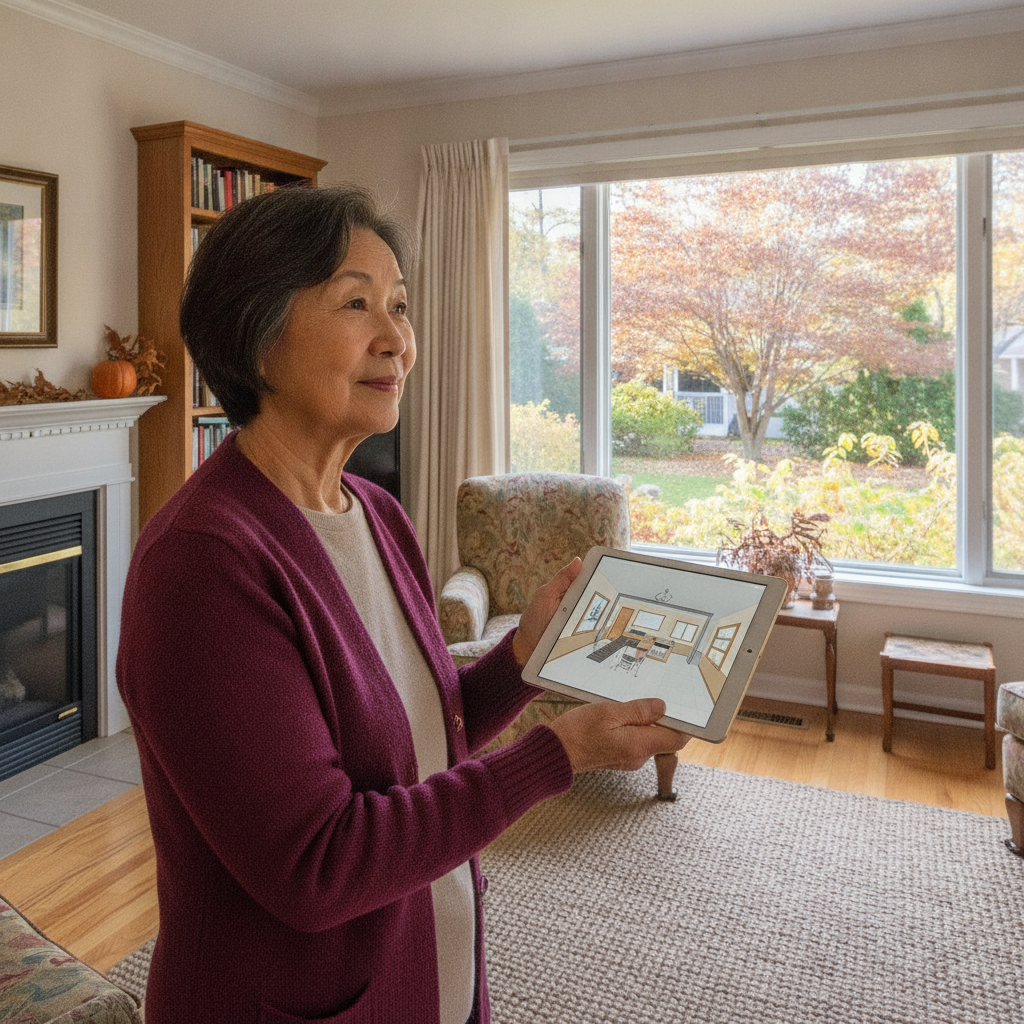
Why Professional Assessment Matters for Aging Homeowners
Self-assessment is notoriously inaccurate. You've lived in your home for 20–40 years and don't notice the hazards you've adapted to.
Common Accessibility Risks Homeowners Miss
| Hazard | Self-Assessment | Professional Identifies | Typical Renovation Cost |
|---|---|---|---|
| Bathroom fall risk | "I'm fine" | Slippery surfaces, missing grab bars, height issues | $3,000–$10,000 |
| Stair navigation | "I go slowly" | Handrail gaps, inconsistent tread depth, poor lighting | $2,000–$8,000 |
| Lighting gaps | "I know the house" | Hallway hazards, stairwell shadows, nighttime risks | $1,000–$3,000 |
| Door/threshold | "I manage" | Width issues for mobility aids, tripping hazards | $1,500–$5,000 |
| Kitchen workflow | "Still independent" | Counter heights, cabinet access, appliance safety | $2,000–$8,000 |
| Outdoor access | "The porch is fine" | Step hazards, no handrails, slippery surfaces | $2,000–$6,000 |
According to Statistics Canada, 1 in 4 Canadians 65+ experience a fall annually. 80% of these falls happen at home. Many could be prevented by addressing environmental hazards identified in professional assessments.
The Cost of Ignoring Risk
A single fall-related injury can cost:
- Hospital treatment: $8,000–$25,000
- Rehabilitation: $5,000–$15,000
- Home care during recovery: $3,000–$10,000
- Forced move to care facility: $400–$800/month ongoing
- Total for one fall: $20,000–$50,000+
A $1,500 accessibility assessment that identifies and prevents ONE fall pays for itself 13x over.
What Professional Accessibility Assessment Covers
| Assessment Component | Cost | Duration | What's Evaluated |
|---|---|---|---|
| Home walkthrough | $200–$500 | 1–2 hours | All areas, hazard identification |
| Specialized assessment (mobility, vision, hearing) | $500–$1,200 | 2–3 hours | Detailed risk analysis by specialist |
| Written report + recommendations | $300–$800 | Report generation | Prioritized list of modifications needed |
| Contractor coordination | $400–$1,000 optional | Ongoing | Help getting renovation quotes |
| Full package | $1,500–$2,500 | 3–4 hours total | Complete assessment + report + contractor intro |
According to Accessibility Institute of Ontario, a comprehensive professional assessment averages 2–3 hours and costs $1,500–$2,000. Most insurance does not cover preventive assessments (only post-injury rehab).
Reverse Mortgage Enables Proactive Planning
James, 72, Toronto (Aging in Place persona):
- Home worth $850,000
- Lives alone, wants to stay home "forever"
- No recent falls or health crises
- Never had formal accessibility evaluation
- Pension income: $3,200/month
- Savings: $12,000 (emergency only)
Scenario: Without professional assessment
- Year 1: Has minor fall in bathroom (bruise, no fracture)
- Year 2: Falls again — now worried, finally gets professional help ($1,500 assessment)
- Years 3–4: Emergency bathroom renovation ($8,000), rushed stair work ($5,000)
- Total: $14,500 + health costs + disability period
Scenario: With reverse mortgage + proactive assessment
- Year 1: Gets professional assessment ($1,500 from reverse mortgage)
- Report identifies: bathroom slipping hazard, stairwell lighting gaps, missing handrails
- Plans strategic renovations over 2 years:
- Bathroom safety: $6,000
- Stair handrail: $2,500
- Lighting: $1,500
- Total: $11,000 + no health crisis + time to plan carefully
The difference: Same renovations, but proactive approach saves money, prevents injury, and eliminates crisis management.
Professional Assessment vs. Contractor-Provided Assessment
| Type | Cost | Bias | Scope | Best For |
|---|---|---|---|---|
| Independent accessibility specialist | $1,200–$2,500 | None — objective analysis | All hazards, holistic plan | Comprehensive planning |
| Occupational therapist | $1,500–$3,000 | Medical focus — therapy/rehab | Specific disability accommodation | Diagnosed conditions |
| Contractor pre-renovation estimate | Free–$500 | High — may oversell work | Limited to contractor's services | Quote validation after assessment |
| Aging-in-place consultant | $800–$1,500 | Low — general accessibility focus | Universal design, hazard elimination | Budget-conscious planning |
Best practice: Get independent assessment first, then have contractors bid on recommended work.
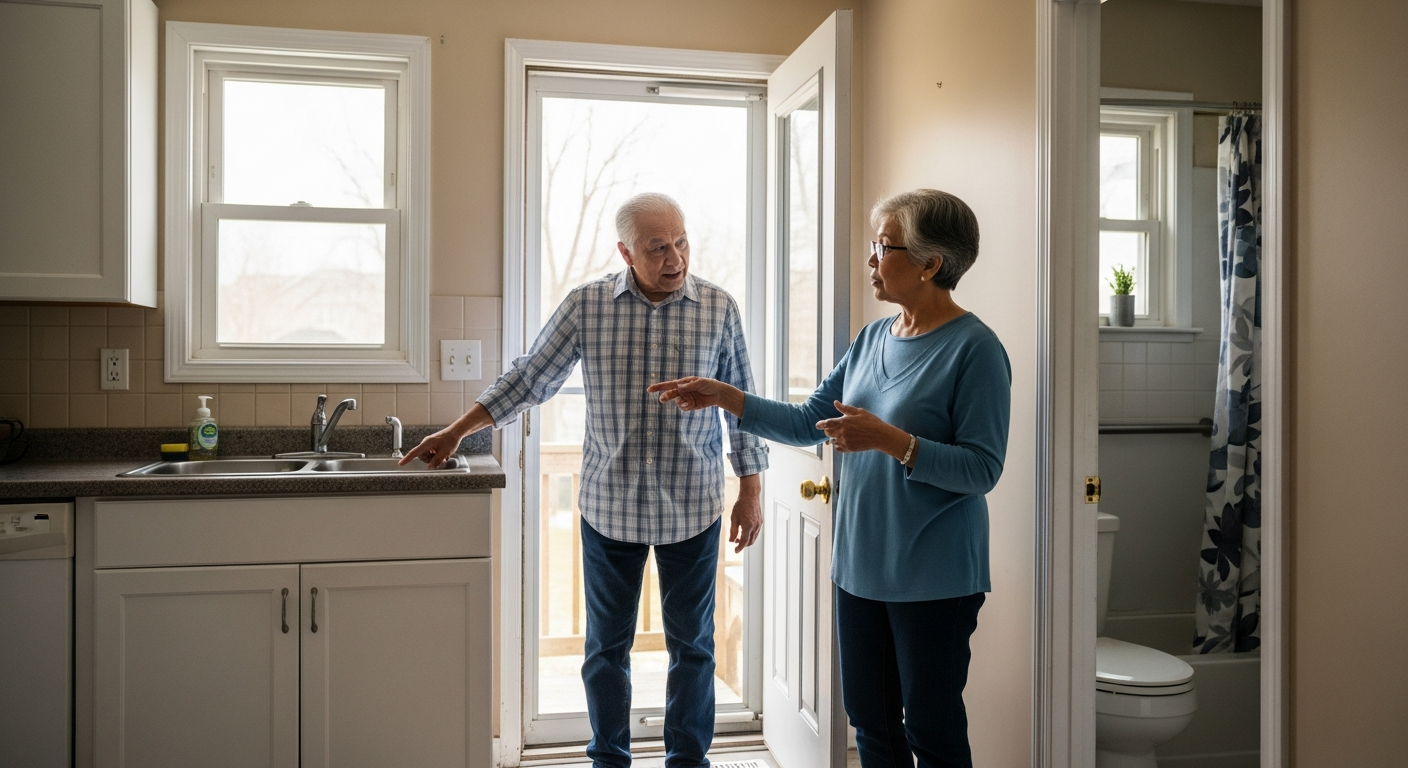
How to Access Reverse Mortgage for Accessibility Assessment
Step 1: Identify Assessment Type
Decide what you need assessed:
- Full home audit: For general aging-in-place planning ($1,500–$2,000)
- Occupational therapy evaluation: If you have specific diagnosis (arthritis, stroke recovery) ($1,500–$3,000)
- Aging-in-place consultation: Focused on universal design principles ($800–$1,500)
Step 2: Get Reverse Mortgage Quote
Contact Rick Sekhon, licensed specialist, and ask:
- Can you borrow $2,500 for assessment + follow-up contractor quotes?
- Are there lenders (CHIP, Equitable Bank, Bloom Financial) with better rates if you're doing home renovations?
- Can you establish a line of credit and borrow as you plan each renovation stage?
Step 3: Schedule Assessment
Work with your reverse mortgage lender to ensure they'll approve follow-on renovation funding. They want to know:
- Professional assessment report (shows legitimacy of proposed work)
- Contractor estimates (validates costs)
- Your timeline and priorities
Step 4: Create Action Plan
Once assessment is complete and reverse mortgage approved:
- Prioritize highest-risk hazards first (bathroom, stairs, lighting)
- Plan renovations across 12–24 months rather than panic timing
- Get competitive bids from 2–3 contractors per project
- Borrow strategically in phases rather than lump sum
Key Takeaways
- Professional accessibility assessments cost $1,200–$2,500 and prevent fall-related injuries that cost $20,000–$50,000
- Reverse mortgages fund proactive planning before crisis forces expensive emergency renovations
- Self-assessment is unreliable — you don't notice hazards you've adapted to over decades
- Comprehensive reports guide strategic renovation planning without overselling unnecessary work
- Staged renovation plan (identified through assessment) spreads costs and avoids panic spending
- Peace of mind comes from expert validation — knowing a professional reviewed your home safety
Frequently Asked Questions
Does my insurance cover professional accessibility assessments?
Rarely. Most homeowners insurance covers injury claims after a fall, not preventive assessments. However, some disability or workers' compensation cases may cover OT evaluation. Ask your insurance provider specifically.
How long do assessment recommendations take to implement?
Not urgent. Most assessments identify a prioritized list: critical hazards (first 3–6 months), important improvements (next 6–12 months), nice-to-haves (future consideration). You control the pace.
Can I do a DIY accessibility checklist instead of hiring a professional?
You can identify obvious hazards yourself. But professionals:
- Notice subtle issues (slight floor slopes, lighting levels, weight-bearing capacities)
- Recommend modifications tailored to YOUR specific situation (your balance, vision, mobility)
- Provide reports that contractors trust (vs. your photos or notes)
- Identify code requirements you might miss
A DIY checklist is a starting point, not a replacement.
Who performs accessibility assessments in Ontario?
- Occupational Therapists (registered health professionals) — most comprehensive
- Certified Aging-in-Place Specialists (training programs vary)
- Accessibility Consultants (independent evaluators)
- Some home inspection firms offer accessibility add-ons
Ask for references and credentials — this is an unregulated field.
If I'm diagnosed with a new condition (arthritis, vision loss), can I get a new assessment?
Yes. Your needs may have changed. Some lenders allow you to establish a line of credit, so you can borrow more for additional renovations as new conditions develop. This is ideal for aging in place — your home evolves with your needs.
Ready to Learn More?
Find out exactly how much you could unlock from your home — free and no obligation.
Related Articles
Professional Home Accessibility Audit: Reverse Mortgage to Fund Certification
Get a professional accessibility audit and create a documented plan for aging in place. Learn how to fund occupational therapy assessments with a reverse mortgage.
Read →Reverse Mortgage for Home Safety Assessment: Preventive Planning for Aging in Place
Fund professional home safety assessments with a reverse mortgage. Proactively identify aging-in-place needs before health crises force expensive emergency modifications.
Read →Aging in Place with a Reverse Mortgage: Home Modification Guide
How Ontario seniors can fund aging-in-place home modifications with a reverse mortgage — costs, top modifications, grants, and a complete planning guide.
Read →