
Reverse Mortgage to Support Your Grandchild With Special Needs: When Your Adult Child Becomes the Primary Caregiver
Learn how to use a reverse mortgage to fund disability support for your grandchild when your adult child is the primary caregiver—protecting three generations.
What happens to your financial security when your adult child becomes a full-time caregiver to their own special needs child? Many Ontario grandparents face this exact situation—watching their adult child leave work to provide intensive care for a grandchild, while the family's household income evaporates. A reverse mortgage can bridge this gap, allowing you to fund both your retirement and the three-generation support your family needs.
The Three-Generation Challenge: When Your Adult Child Steps Up
When your adult child decides to leave employment to care for their child with special needs, the impact ripples across your entire family. Your adult child loses income. Your grandchild loses access to formal care funding. And you—the grandparent—suddenly face a decision: help financially or watch your family struggle.
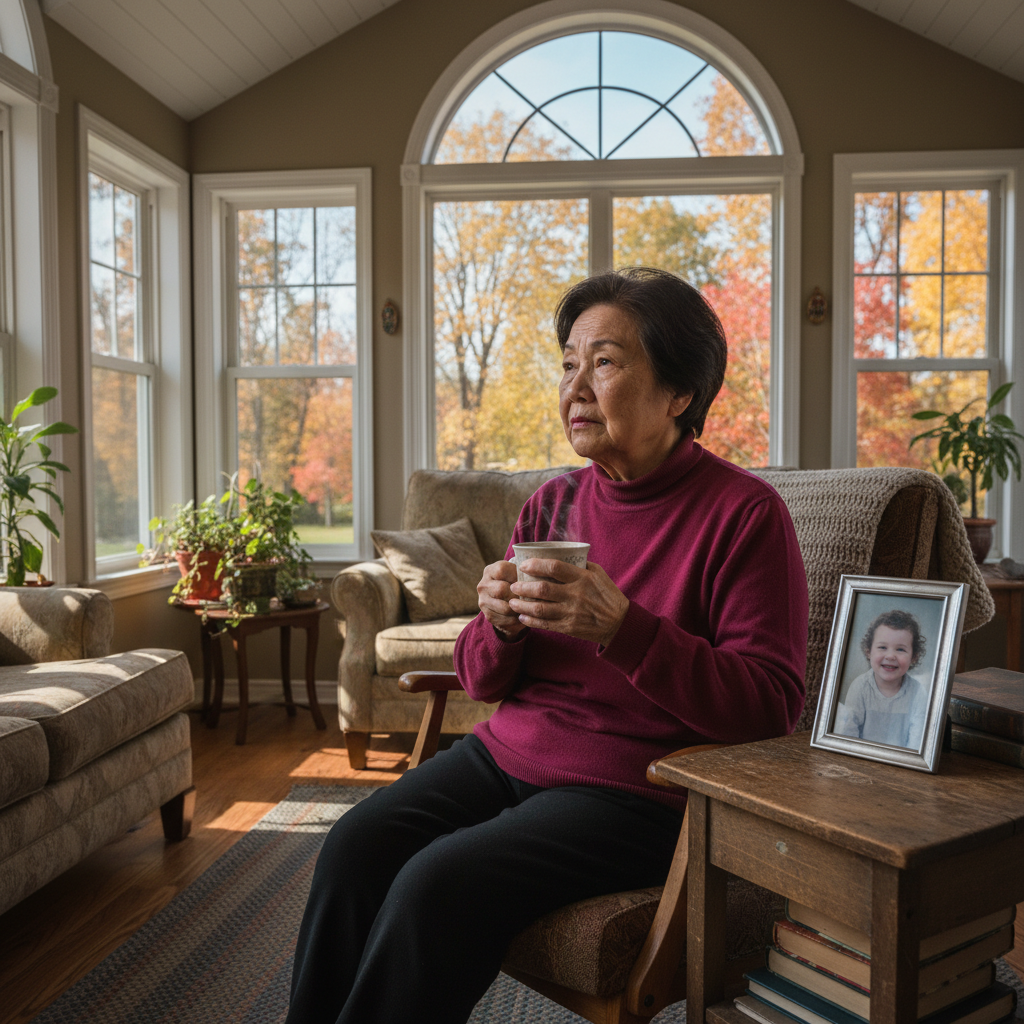
This isn't about charity. It's about recognizing that three generations are affected by one caregiving decision. According to Statistics Canada, over 1.3 million Canadian children have disabilities requiring support, and roughly 20% are cared for primarily by extended family—often aging grandparents who become informal funders.
A reverse mortgage lets you unlock your home equity to:
- Cover income lost by your adult child during caregiving
- Fund adaptive equipment and specialized therapy for your grandchild
- Pay for respite care that gives your adult child a break
- Ensure your own retirement doesn't collapse under the weight of family support
Understanding Your Three-Generation Financial Picture
When your adult child becomes a special needs caregiver, three financial realities intersect:
| Situation | Financial Impact | Reverse Mortgage Solution |
|---|---|---|
| Adult child leaves work | Loss of $40K–$70K annually | Monthly income stream to household |
| Grandchild therapy costs escalate | $200–$500/month in uninsured services | Dedicated fund for adaptive equipment and therapies |
| You reduce retirement spending to help | Your nest egg depletes | Protected draws against home equity instead |
| Family relies on government benefits alone | Benefits cover ~40% of disability costs | Gap funding for the remaining 60% |
Your reverse mortgage doesn't replace government benefits. Instead, it fills the gap that government programs leave open. The grandchild's Registered Disability Savings Plan (RDSP) or Ontario Disability Support Program (ODSP) benefits continue unchanged. Your reverse mortgage funds what those programs don't cover.
How a Reverse Mortgage Funds Multi-Generational Care
A reverse mortgage works by converting a portion of your home equity into accessible funds—without requiring you to leave your home or make monthly payments. Here's how it can support three generations:
1. Income Support for Your Adult Child
If your adult child leaves work to provide care, you can receive monthly payments from your reverse mortgage and direct them to your household. These funds are loan advances, not income, so they don't affect your CPP, OAS, or GIS benefits. A $400,000 reverse mortgage at typical 2026 rates can generate approximately $2,000–$2,500 monthly in flexible draws, helping replace lost household income.
2. Specialized Equipment and Therapy Funding
Grandchildren with special needs often require:
- Mobility devices (specialized wheelchairs, walkers, adaptive bikes): $3,000–$15,000
- Sensory equipment (sound therapy systems, weighted blankets): $500–$3,000
- Speech and occupational therapy (private sessions): $100–$200/hour
- Adaptive home modifications (accessible bathrooms, bedroom safety): $5,000–$20,000
Government and insurance cover roughly 40–60% of these costs. Your reverse mortgage covers the gap.
3. Respite Care Access
Respite care—when someone temporarily takes over caregiving—is essential for caregiver burnout prevention. Quality respite care costs $20–$35/hour. A reverse mortgage can fund 20–30 hours monthly of respite support, giving your adult child essential breaks while protecting their mental health.
Reverse Mortgage Structures for Multi-Generational Support
Ontario lenders like CHIP, Equitable Bank, and Bloom Financial offer flexible disbursement options. Here's how to structure your reverse mortgage for three-generation care:
| Structure | Monthly Payment | Best For | Benefits |
|---|---|---|---|
| Fixed monthly draw | $2,000–$3,000/month | Regular household gap funding | Predictable family budget |
| Line of credit (LOC) | Access up to $80,000, draw as needed | Lumpy therapy/equipment costs | Flexibility for unexpected expenses |
| Lump sum + LOC | Initial $100,000 + $50,000 credit line | Large equipment purchase + ongoing costs | Upfront access + reserves |
| Graduated draws | $1,500 month 1, increasing 3% annually | Inflation protection over time | Growing income as caregiving costs rise |
The line of credit option is particularly valuable for multi-generational support because your grandchild's needs evolve. At age 10, they may need primarily therapy equipment. At 16, accessibility modifications for school transition become urgent. An LOC lets you draw when the need emerges, rather than taking a lump sum you may not immediately need.
Protecting Government Benefits and Special Needs Trusts
Critical: A reverse mortgage does NOT count as income for your grandchild's ODSP, CPP-D, or RDSP benefits. Loan proceeds are not income. However, if your grandchild receives funding from a Special Needs Trust (SNT), you need careful coordination.
If you establish an SNT and fund it partly with reverse mortgage proceeds, the trustee must ensure trust distributions don't exceed ODSP limits (currently $65,000 cumulative assets for a single adult). Work with a lawyer specializing in disability law to structure the trust correctly.
According to Disability Rights Ontario, improperly structured support can accidentally disqualify a family member from government benefits worth $1,700+ monthly. Always consult before using a reverse mortgage to fund trusts or direct disability program recipients.
Estate Planning: Will Your Reverse Mortgage Affect Your Grandchild's Inheritance?
When your adult child is a caregiver and your grandchild has special needs, estate planning becomes complex. Here are the key considerations:
Your home with a reverse mortgage: When you pass away, your estate must repay the reverse mortgage balance from your home sale proceeds. What remains goes to beneficiaries (likely your adult child). The no-negative-equity guarantee means your estate never owes more than the home's value—even if the RM balance exceeds it. Your grandchild's inheritance is protected.
Special Needs Trust considerations: If you've established an SNT for your grandchild, you may direct remaining estate assets into the trust. Your adult child (as trustee or co-trustee) then manages ongoing care funding on your grandchild's behalf.
Impact on your adult child's caregiving: If your adult child inherits the home, they can continue living there with your grandchild—maintaining stability for both. Some families even establish a life estate (remaining in the home while the adult child becomes the owner) to streamline inheritance while you're alive.
Real Scenario: How This Works for an Ontario Family
Margaret, 68, in Toronto has an adult daughter, Sarah, 38, who left her marketing job to care for Margaret's 9-year-old grandson, Lucas, who has cerebral palsy. Lucas needs:
- Monthly physiotherapy: $2,000/month
- Adaptive equipment: $400/month average
- Respite care: $1,200/month
- Home modifications for mobility: $8,000 (one-time, then maintenance)
Sarah's lost income was $55,000 annually. Margaret's CPP and OAS total $32,000/year—enough for her retirement but not for three-generation support.
Margaret's reverse mortgage solution:
- Home value: $650,000
- Reverse mortgage at age 68: ~$260,000 available
- Monthly draw: $2,200/month
- Remaining LOC: ~$70,000 for equipment and modifications
This allows Margaret to:
- Fund most of Sarah's income loss (Sarah adds part-time consulting: $12,000/year)
- Cover 80% of Lucas's therapy and equipment costs
- Keep emergency reserves for unexpected health changes
- Retire comfortably without depleting her nest egg
Margaret's reverse mortgage doesn't conflict with Lucas's ODSP or provincial disability supports—those continue unchanged. She's simply filling the family's income gap.
Key Benefits and Protections
✓ No credit or income requirements — Your eligibility depends on age (55+) and home equity, not employment status
✓ Non-taxable funds — Reverse mortgage proceeds are loans, not income. No tax implications for you, your adult child, or your grandchild's benefits
✓ You keep the home — You remain the homeowner and can stay as long as you wish
✓ Flexible access — Draw monthly, lump sum, or line of credit as your family's needs evolve
✓ No negative equity guarantee — Your estate never owes more than the home's value
Challenges and Considerations
✗ Interest compounds — Like all mortgages, interest charges accumulate. Expect your total loan balance to roughly double every 15–20 years
✗ Home equity reduction — You're trading future inheritance for present support. Your adult child may inherit less
✗ Implications for means-tested benefits — While RM funds aren't counted as income, any accumulated savings might affect future government benefit eligibility
✗ Early payoff penalties — Some lenders charge penalties if you want to repay early (check your lender's terms)
Choosing the Right Lender for Multi-Generational Needs
Different lenders offer different structures:
| Lender | Strength | Ideal For |
|---|---|---|
| CHIP | Highest flexibility on monthly draw amounts | Families with variable monthly expenses |
| Equitable Bank | Lowest average rates (0.75% below CHIP average) | Cost-conscious families |
| Bloom Financial | Lifetime rate lock option | Predictability in a rising-rate environment |
| Home Trust | Strong customer service for complex families | First-time reverse mortgage users |
Speak with Rick Sekhon, a licensed reverse mortgage specialist in Ontario, to compare your options. A consultation is free and helps clarify which structure aligns with your family's three-generation goals.
Frequently Asked Questions
Will my grandchild's disability benefits be affected by my reverse mortgage?
No. Reverse mortgage proceeds are loan advances, not income. Your grandchild's ODSP, CPP-D, or RDSP benefits continue unchanged. Your funds simply fill gaps those programs leave open.
Can I change my draw amount if my grandchild's needs change?
Yes, if you select a flexible line of credit. Monthly draw options are typically fixed, but LOC options let you adjust annually or access larger lump sums when equipment costs spike.
What happens to the reverse mortgage when I pass away?
Your estate repays the balance from home sale proceeds. Thanks to the no-negative-equity guarantee, your estate never owes more than the home's value. Your adult child inherits what remains after repayment.
Can my adult child become a co-borrower on the reverse mortgage?
Generally, no. The borrower must be 55+ and own the home. However, your adult child can be listed as a co-owner on title, which simplifies future inheritance.
How does a reverse mortgage interact with a Special Needs Trust?
Carefully. SNT distributions must not exceed ODSP asset limits ($65,000 for single adults). Work with a disability lawyer to structure trust distributions properly so your reverse mortgage funds don't accidentally disqualify your grandchild from benefits.
Should I get a reverse mortgage before or after my adult child moves in?
Either works, but getting it before can be simpler administratively. Once your adult child moves in, lenders may want to verify their role (caregiver vs. dependent) to ensure the property remains your primary residence.
Moving Forward: Your Next Steps
- Schedule a free consultation with Rick Sekhon to discuss your family's three-generation needs and explore reverse mortgage options.
- Gather financial documents: recent property tax assessment, home insurance info, and a breakdown of your grandchild's monthly care costs.
- Consult a disability lawyer if a Special Needs Trust is part of your plan.
- Discuss with your adult child how reverse mortgage income will support the household and clarify expectations around caregiving and inheritance.
- Review government benefits with an advisor to ensure no program impacts.
Three-generation caregiving is both a gift and a financial challenge. A reverse mortgage can transform that challenge into a sustainable plan.
Learn about aging in place with family support →
Explore how reverse mortgages support living legacy goals →
Compare reverse mortgage lenders in Ontario →
Ready to Learn More?
Find out exactly how much you could unlock from your home — free and no obligation.
Related Articles
Reverse Mortgage for Grandchildren with Special Needs: Adaptive Equipment and Care Funding
Fund adaptive equipment, therapies, and specialized care for grandchildren with special needs. Complete guide for Ontario grandparents using reverse mortgages.
Read →Reverse Mortgage When Adult Child Moves Back Home
How to fund multi-generational housing costs when an adult child returns home. Ontario guide for parents supporting boomerang children using home equity.
Read →Reverse Mortgage to Support Adult Children with Disabilities
Discover how Ontario parents can use reverse mortgages to establish financial support for adult children with developmental disabilities and ongoing care needs.
Read →