
Reverse Mortgage for Estate Transparency: Creating Living Documents Your Children Will Need
Create transparent estate documents that clarify reverse mortgage impact. Living documentation strategy for Ontario families.
What if the most valuable inheritance you could leave your adult children isn't money—but complete clarity about how you've managed your finances, what they'll inherit, and how to execute your wishes after you're gone? Most parents have good intentions about estate planning, but few create documents clear enough for their adult children to actually use. A reverse mortgage magnifies this problem: if you haven't documented how the RM works, what it means for inheritance, and how to pay it off, your heirs will face confusion, conflict, and potentially thousands in legal fees to unravel your financial situation.
Why Estate Transparency Matters
Research from the Canadian Bar Association shows that 40% of estates experience conflict or delay during settlement—and the leading cause is unclear documentation about the deceased's assets, debts, and intentions. When a reverse mortgage is involved, this problem intensifies: adult children don't understand what a RM is, whether it's "bad," whether they must repay it, or how it affects their inheritance.
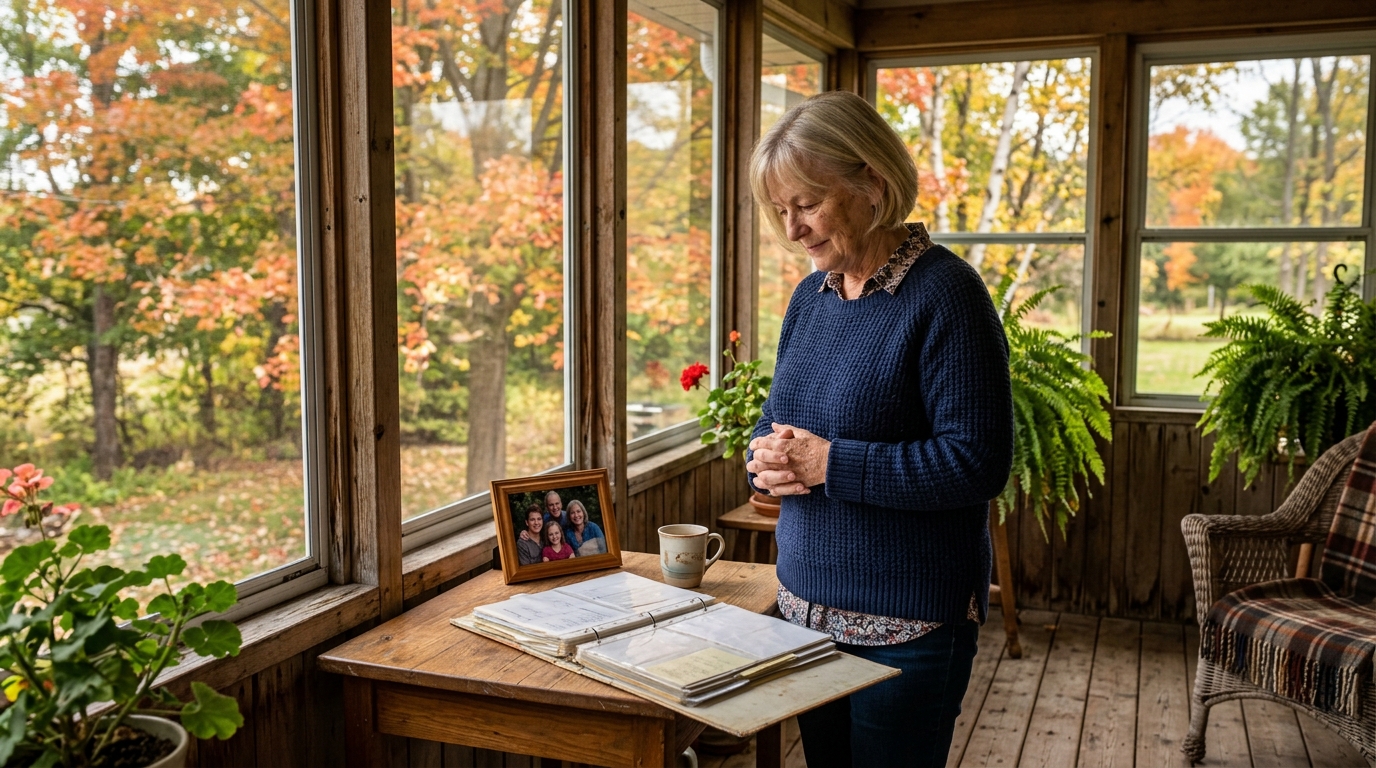
Living documents are different from wills. A will states who gets what; living documents explain why, how to access the asset, and what your children need to do after your death. With a reverse mortgage in your financial picture, living documentation becomes essential.
The Core Living Documents You Need
When you have a reverse mortgage, your estate planning should include these documents (beyond a basic will):
1. Reverse Mortgage Information Sheet
A one-page document your executor can access immediately after your death, containing:
- Lender name and contact information (CHIP, HomeEquity Bank, Equitable Bank, Bloom Financial)
- Reverse mortgage account number and property address
- Current balance (approximate) and interest rate
- Your intentions: Should the property be sold? Retained by heirs? Is the RM to be paid off immediately or from estate distribution?
- Any special wishes: "I want my adult children to have 90 days to decide if they want to keep the home before it's sold"
Sample Template:
REVERSE MORTGAGE INFORMATION SHEET

Lender: [Name]
Account Number: [______]
Property Address: [______]
Current Balance (approx): $[______]
Interest Rate: [____]%
Maturity Date: [Lifetime or specific date]

EXECUTOR INSTRUCTIONS:
1. Contact lender within 30 days of my death
2. Obtain current statement showing final balance
3. Follow my wishes regarding the home (see below)

MY WISHES FOR THE HOME:
___ Sell the home; repay RM balance from sale proceeds; distribute net equity to heirs
___ Retain the home in the family; heirs will refinance/repay the RM
___ [Other]: ________________

CONTACT INFORMATION FOR HEIRS:
[List adult children's names, emails, phone numbers]
2. Estate Impact Statement (as discussed in earlier content)
A document showing:
- Current home value and RM balance
- Projected balance at your death (based on age, interest rate)
- Net equity remaining after RM payoff
- Your timeline for death (realistic, based on health)
- Tax implications (if any)
3. Letter of Instruction (Non-Legal, But Powerful)
A personal letter to your adult children explaining:
- Why you chose a reverse mortgage: "I wanted to remain in my home while ensuring I had income for my retirement comfort. A RM allowed me to do that without being a burden on you."
- What it means: "The reverse mortgage is a loan against our home. When I die, it must be repaid from the home's sale or from other estate proceeds. This reduces your inheritance, but it also funded my retirement security and your support when you needed it."
- Your values: "I chose to spend my wealth on my own aging rather than hoard it for inheritance. I hope you understand and respect that choice."
- What to do after I'm gone: "Contact the lender immediately. Get advice from a lawyer. Consider selling the home, but take time to make that decision—you don't have to decide immediately."
- Love and legacy: "Regardless of the RM balance or your inheritance amount, I'm proud of each of you. Your love and presence in my life is my greatest wealth."
This letter costs nothing but takes 1–2 hours to write. It's invaluable because it explains your financial choices in context of your values and love for your children.
Creating a Comprehensive Estate Binder
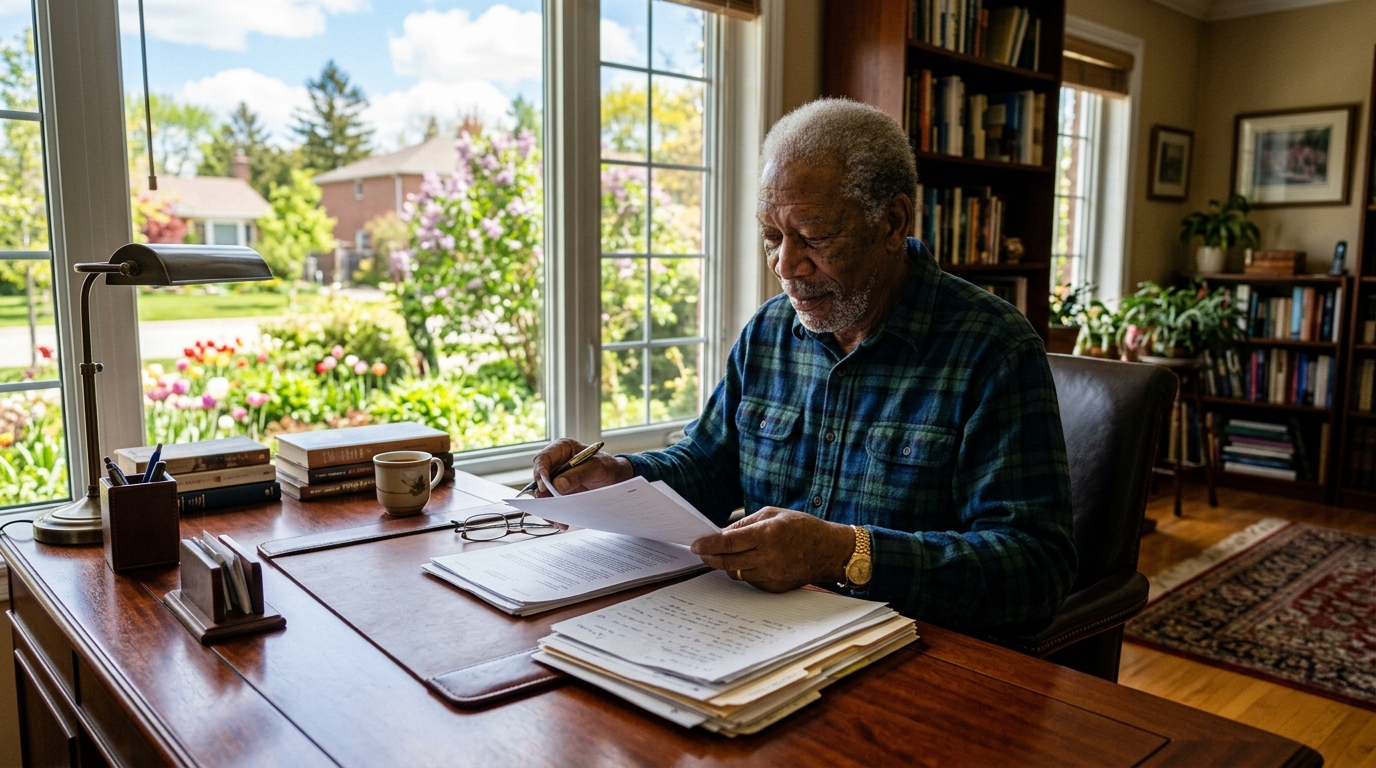
All these documents should live in one physical location your executor can access quickly:
| Document | Location | Access |
|---|---|---|
| Original will | Lawyer's office OR your home in labeled envelope | Executor knows where it is |
| Reverse mortgage information sheet | In binder, AND copy with lender | Immediately accessible |
| Estate impact statement | In binder, AND shared with adult children | Everyone knows what to expect |
| Letter of instruction | In binder AND with will | Executor reads before acting |
| Property deed | In binder OR lawyer's office | Executor verifies ownership |
| Insurance policies | In binder, AND copy with agent | Executor files claims |
| Investment/bank account list | In binder with login info (if safe) | Executor accesses accounts |
| Tax returns (last 3 years) | In binder | Executor understands income |
| Passwords/digital access | Secure document (encrypted) in binder | Executor can access digital assets |
| Funeral/burial wishes | In binder | Family knows your preferences |
The "Estate Binder" should be:
- Clearly labeled: "MY ESTATE INFORMATION—[YOUR NAME]"
- Stored accessibly: Home safe, lawyer's office, or trusted family member's safe
- Shared location known to executor: Your executor must know where this binder lives and have access
- Updated annually: Review and update each January; date each document
- Communicated to adult children: They should know this binder exists and where it is
Rick Sekhon of Rick Sekhon Reverse Mortgages emphasizes: "The families with the smoothest estate transitions are those who create transparent binders early. There's no mystery, no panic, no legal fees to figure out what the parent intended. Everyone knows exactly what to do."
Communicating the Reverse Mortgage to Your Adult Children
Before you die, tell your adult children about the reverse mortgage. This conversation is uncomfortable but crucial:
The Conversation (Script):
"I want to tell you about a financial decision I've made: I have a reverse mortgage on our home. I know some of you may have questions, so let me explain:
- A reverse mortgage lets me stay in my home while accessing my home's equity to fund my retirement. This gives me the income I need to live comfortably and, in some cases, to help you and your siblings when you needed support.
- When I die, the reverse mortgage balance must be paid from the home's sale or from other estate proceeds. This means you'll inherit less home equity than if I hadn't taken a RM, but I've chosen to invest in my own security rather than preserve maximum inheritance.
- I don't expect you to repay any part of the RM—that's my responsibility and my estate's responsibility. I don't expect you to feel obligated or guilty.
- After I'm gone, one of you (my executor) will need to contact the lender, get the final balance, and decide whether to sell the home or refinance it. It's straightforward, but you'll need to take action.
- I've created a document that explains everything: the RM balance, what you'll inherit, what to do after I'm gone. I want you to know I've thought about this carefully and made the choice I believe was right for my life."
| Response | How to Answer |
|---|---|
| "You're spending down our inheritance!" | "Yes, I am—intentionally. I believe it's important to fund my own security rather than preserve maximum inheritance." |
| "Does this hurt your credit?" | "No, a reverse mortgage doesn't affect credit. It's a loan against my home, repaid when the home is sold." |
| "Will we have to pay this off?" | "No. My estate will repay it from the sale proceeds or other assets. You won't be responsible." |
| "Why didn't you just sell the home?" | "Because I wanted to stay here and age in place. The RM let me do that without being a burden on you." |
| "This seems risky." | "I understand the concern. But [explain your situation]. For me, the RM was the right choice." |
According to FCAC, adult children who receive early, transparent communication about a parent's reverse mortgage report 65% less anxiety and 80% fewer disputes during estate settlement compared to children who learn about the RM after their parent's death.
Frequently Asked Questions
Should I put my estate binder in a bank safety deposit box?
Safe, but creates access delays. If your binder is in a safety deposit box, only your executor can access it after your death (requires death certificate). Better: keep it in a home safe or with your lawyer, with clear instructions about its location in your will. Your executor can access it immediately, without legal delays.
What if I'm uncomfortable discussing the RM with my adult children while I'm alive?
This is common discomfort, but it's worth addressing. Write a letter explaining the RM (you don't have to discuss it verbally). Have your lawyer or accountant help facilitate the conversation. Many adult children are relieved to finally understand their parent's finances; the conversation is usually less awkward than anticipated.
Should I include my adult children in will reading before I die?
Not necessarily. However, discussing your intentions (if not the specific amounts) is healthy. You don't need to reveal exact inheritance figures, but clarifying "I'm taking a RM to fund my retirement," "I expect my estate to be approximately $X after debts," and "Here's how I want the process to go" provides framework that prevents shock later.
What if my adult children strongly disagree with my reverse mortgage decision?
Hear their concerns, but the decision is ultimately yours. You're not asking permission; you're inviting them to understand your reasoning. If they're uncomfortable, have a professional (financial advisor, lawyer) explain how the RM works and why it's legitimate. Then make the decision you believe is right.
Do I need a lawyer to create these living documents?
Partially. Your will definitely needs a lawyer ($1,500–$3,000). However, the reverse mortgage information sheet, estate impact statement, and letter of instruction can be created yourself (free). If you want a lawyer to review them or help you formalize them, that's optional but costs $500–$1,000.
Should I give copies of my living documents to my adult children now?
Yes, with clear labeling. Share copies of: reverse mortgage information sheet, estate impact statement, letter of instruction. Not the will itself (that's for the executor), but these clarifying documents help adult children understand your financial situation and your intentions. This prevents shock and misunderstanding later.
What if my financial situation changes after creating these documents?
Update them annually. Every January, review your reverse mortgage statement and update the estate impact statement. If the RM balance is higher/lower than anticipated, adjust projections. If your intentions for the home change, update the RM information sheet. Share updates with your adult children so they always have current information.
Key Takeaways
- Estate transparency prevents 40% of settlement delays: clear documentation about assets, debts, and intentions reduces conflict and legal costs.
- A reverse mortgage requires specific living documents: RM information sheet, estate impact statement, and letter of instruction explain to your heirs what the RM is and how to handle it after your death.
- An estate binder consolidates everything: one labeled, organized collection of critical documents accessible to your executor ensures smooth transition and prevents panic.
- Communication with adult children reduces anxiety: early, transparent explanation of your reverse mortgage and its impact on inheritance prevents shock and conflict after your death.
- These documents cost little but provide immense value: a lawyer review costs $500–$1,000; the prevention of $20,000+ in estate legal disputes is worth many times that.
- This is Living Legacy perfection: you make conscious, documented choices about your wealth and home, communicate those choices clearly to your heirs, and ensure they can execute your wishes smoothly after you're gone.
Ready to Learn More?
Find out exactly how much you could unlock from your home — free and no obligation.
Related Articles
Reverse Mortgage for Aging Parent's Advance Directive Updates: Navigating Medical Innovation and End-of-Life Choices
Fund legal consultation for updating advance directives and power of attorney as medical innovation creates new end-of-life treatment options for Ontario seniors.
Read →Reverse Mortgage to Fund Adult Child's Strategic Pivot After Startup Acquisition: Launching the Next Venture
Use a reverse mortgage to fund your adult child's post-acquisition pivot, supporting their next startup after equity proceeds are deployed.
Read →Hosting Your Adult Grandchild's Wedding at the Family Home: Reverse Mortgage Funding for Multi-Day Celebration
Want to host your grandchild's wedding at home? A reverse mortgage can fund venue renovation, catering, and logistics for a multigenerational celebration.
Read →