
Reverse Mortgage for Equine Therapy and Horse-Assisted Healing Programs
Discover how a reverse mortgage can fund equine therapy programs—horse-assisted care that improves mental health, physical rehabilitation, and emotional well-being for aging adults and their families in Ontario.
The Healing Power of Horses: Beyond Recreational Riding
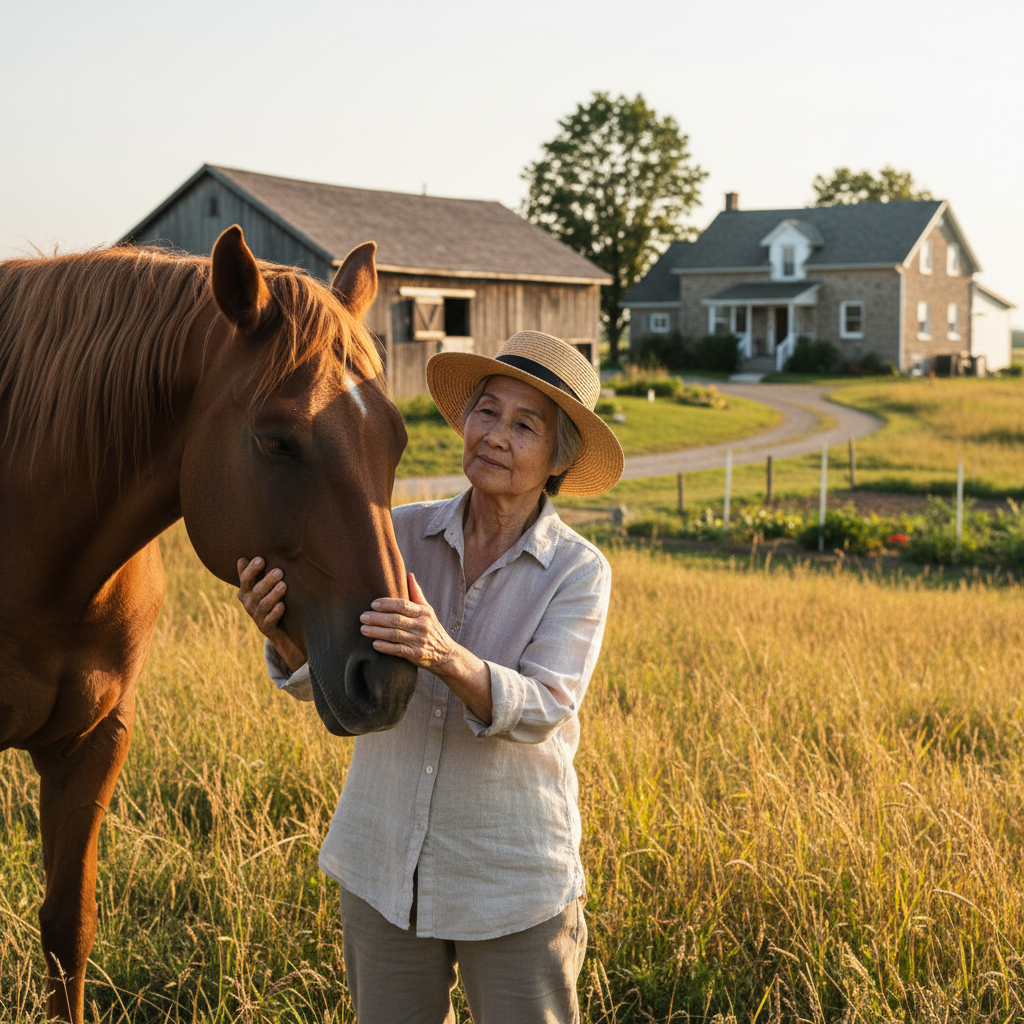
Equine therapy—the use of horses in a structured therapeutic setting—is one of the most overlooked healing tools available to Ontario seniors. Research shows that horse-assisted therapy reduces anxiety and depression, improves balance and core strength, and even helps seniors recovering from stroke or orthopedic surgery regain mobility and confidence.
The challenge? Equine therapy programs can cost $80 to $200 per session, and most Ontario seniors don't have access to programs nearby, nor can they afford consistent treatment. A reverse mortgage can transform equine therapy from an impossible luxury into an accessible, ongoing healing tool.
What Is Equine Therapy and Why Does It Work?
The Science of Horses and Healing
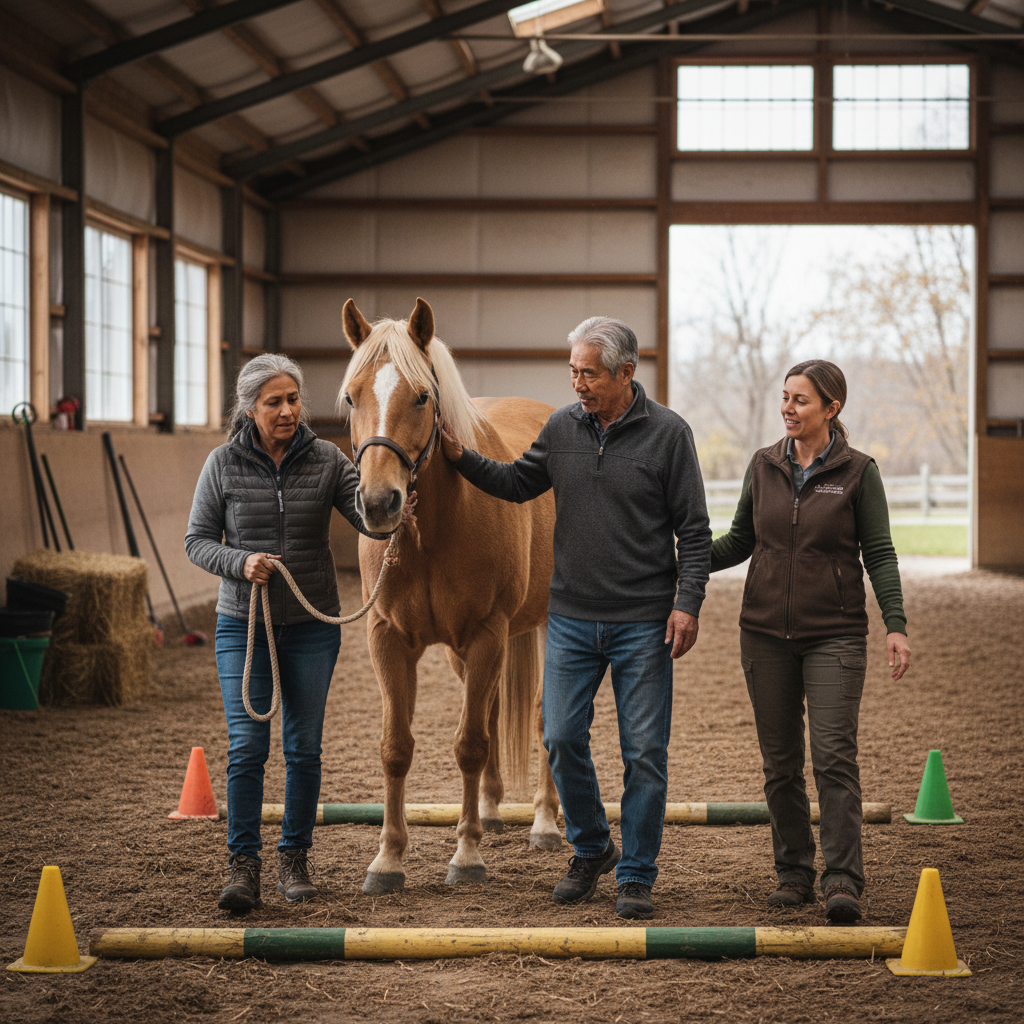
Equine therapy isn't about riding for sport. It's a structured therapeutic approach where:
- Certified equine therapists guide interactions with horses in a calm, controlled environment
- Physical therapists use horse-assisted exercises to improve balance, strength, and mobility
- Mental health professionals leverage the bonding effects of horsemanship to reduce anxiety and depression
- Occupational therapists use grooming, leading, and basic care tasks to improve fine motor skills and cognitive function
The mechanisms are well-documented:
- Nervous system regulation: Horses are prey animals with finely tuned nervous systems. Spending time near a calm horse synchronizes your own nervous system, reducing fight-or-flight activation
- Proprioceptive feedback: Handling and riding activates deep awareness of your body in space—critical for balance and fall prevention
- Emotional bonding: The non-judgmental relationship with a horse reduces shame and isolation, common in aging populations dealing with health loss
- Graded physical challenge: Grooming, leading, and basic horsemanship provide low-impact strength and endurance work
Equine Therapy for Specific Senior Health Conditions
Stroke Recovery: Equine therapy combined with physical therapy shows better outcomes for balance and gait recovery than PT alone, with studies showing 40% greater improvement in walking ability.
Arthritis and Joint Pain: The rhythmic movement from walking alongside a horse and the gentle motion of mounted exercises improve joint mobility without high-impact stress.
Depression and Anxiety: Seniors in equine therapy programs show measurably lower depression scores and reduced anxiety medication use.
Dementia and Cognitive Decline: Structured equine interaction provides cognitive stimulation, emotional regulation, and meaningful activity that slows behavioral decline.
Fall Risk Reduction: The core strengthening and balance work of horsemanship reduces fall risk by up to 35% in studies of older adults.
The Cost of Equine Therapy: What You're Actually Paying For
A proper equine therapy program includes:
| Component | Cost | Purpose |
|---|---|---|
| Certified equine therapist (per 1-hour session) | $80–$150 | Professional supervision and treatment planning |
| Facility access and horse care | $30–$60 | Facility rental, horse maintenance, insurance |
| Physical or occupational therapist coordination | $40–$80 | Integration with medical care, progress tracking |
| Transportation (if not local) | $20–$50 | Getting to facility safely |
| Weekly program (1 session/week for 12 weeks) | $1,540–$2,760 | Standard therapeutic course |
| Ongoing maintenance (monthly) | $320–$640/month | Sustaining therapeutic benefits |
| Annual program (1–2 sessions/week) | $4,160–$16,640/year | Therapeutic ongoing care |
For many Ontario seniors, equine therapy facilities are 30–60 minutes away, requiring transportation coordination that compounds the cost.
Reverse Mortgage Funding: Making Equine Therapy Accessible
Scenario: Robert, 74, Post-Stroke Recovery in Rural Ontario
Robert is a 74-year-old retired farmer living outside London, Ontario with his wife. He suffered a mild stroke 18 months ago that left him with balance problems and residual weakness on his left side. His physical therapy plateaued—he can walk with a cane but remains fearful of falling.
His occupational therapist suggests equine therapy, noting that the combination of proprioceptive work and emotional engagement could help Robert regain confidence and reduce fall risk. A local equine therapy facility (45 minutes away) offers programs for stroke recovery at $120/session.
The Challenge:
- Robert would benefit from 2 sessions per week for 3 months (24 sessions) = $2,880
- Plus transportation coordination and potential caregiver mileage
- Total: approximately $4,000–$4,500
- His retirement income is modest; his wife can't absorb this cost without depleting emergency savings
The Reverse Mortgage Solution:
- Reverse mortgage on their $480,000 home: approximately $144,000 available
- Funds allocated for equine therapy: $4,500
- Remaining available credit: ~$139,500 (for future health needs, home modifications, etc.)
- No monthly payments; Robert and his wife stay in their home
The Outcome: Robert completes his equine therapy program. His balance improves significantly—his physical therapist notes 35% improvement in standing balance and reduced fall risk. More importantly, his confidence returns. He's walking without the cane 80% of the time and talking about returning to volunteer work at the local farm cooperative.
The relationship he built with his therapy horse, Shadow, gives him a reason to travel to the facility even after the formal program ends. He's now financially secure doing monthly maintenance visits.
Types of Equine Therapy Programs Available in Ontario
Equine-Assisted Physical Therapy (EAPT)
Focus: Balance, strength, gait, fall prevention, post-surgical recovery Best for: Stroke survivors, orthopedic recovery, arthritis, Parkinson's disease Duration: Typically 8–12 weeks, then ongoing maintenance Cost: $100–$150/session
Facilities in Ontario:
- Therapy On Horseback (various locations)
- Easter Seals Ontario equine programs
- University of Guelph therapeutic riding programs
Equine-Assisted Psychotherapy (EAP)
Focus: Depression, anxiety, PTSD, grief, isolation, life transitions Best for: Seniors dealing with loss, depression following health events, isolation Duration: Open-ended; benefits build over time Cost: $80–$120/session
Adaptive Riding (Equestrian Sport for Accessibility)
Focus: Recreation, confidence, community connection, physical fitness Best for: Seniors with mobility or sensory limitations who want recreational engagement Duration: Ongoing recreational program Cost: $60–$100/session
Structuring a Reverse Mortgage for Equine Therapy
Short-Term Intensive Program + Long-Term Maintenance
Many Ontario seniors benefit from structuring their reverse mortgage proceeds strategically:
Year 1: Intensive program
- 2 sessions/week for 12 weeks = $2,880
- Plus 2 follow-up sessions/month for remainder of year = $1,920
- Subtotal: ~$4,800
Years 2+: Maintenance
- 1 session/month = $960–$1,440/year
- Occasional intensives during health challenges = $500–$1,000 as needed
A reverse mortgage's flexible line-of-credit structure allows you to:
- Front-load intensive treatment while acute need is highest
- Scale back to maintenance doses as benefits stabilize
- Access additional funds if health declines require more intensive therapy
- Never worry about a fixed monthly bill
Integration With Your Overall Health Plan
Equine therapy works best when integrated with:
Physical Therapy Coordination
Your physical therapist should be informed and ideally communicate with your equine therapist. The proprioceptive work from horsemanship complements PT exercises; together they're stronger than either alone.
Mental Health Support
If you're managing depression or anxiety, equine therapy pairs beautifully with counseling or medication management. The emotional regulation from horses doesn't replace mental health care—it enhances it.
Home Modifications
Some seniors fund both equine therapy AND home accessibility modifications with a reverse mortgage. The combination of improved strength/balance from therapy plus safer home environment dramatically reduces fall risk.
Medical Supervision
Your family doctor should know you're in equine therapy. It may allow tapering of balance-related medications or adjusting pain management.
Practical Considerations for Ontario Seniors
Transportation
Many equine therapy facilities require you to travel 30–60 minutes. Consider:
- Can you drive, or do you need a family member or volunteer driver?
- Are there facilities within 15 minutes of your home?
- Does the facility offer group transportation?
- Can a reverse mortgage help pay for transportation support (ride service, volunteer coordinator)?
Physical Entry Barriers
Some senior equine riders need:
- Mounting assistance (therapists provide, or you may need a mounting ramp—$2,000–$5,000 to install)
- Modified saddles or positioning equipment
- Shorter sessions (30 min instead of 60 min) to start
All of these are fundable through reverse mortgage proceeds.
Allergies and Safety
Equine therapy is contraindicated for:
- Severe horse allergies (obvious)
- Active, serious cardiac conditions (discuss with your cardiologist)
- Severe vestibular disorders (sometimes—depends on adaptation)
- Some types of dementia where the unpredictability of horses causes distress
Your occupational therapist or physician can assess whether equine therapy is right for you.
Success Stories: What Ontario Seniors Achieve
- Patricia, 72: After equine therapy, reduced her antidepressant dose by 50% and reports better sleep and mood than in 20 years
- Harold, 78: Post-hip replacement, equine therapy accelerated his return to golf and social activities by 3 months
- Susan, 80: With mild cognitive decline, equine therapy gives her a reason to get up and engage—her family reports stabilized mood and reduced wandering behavior
- Frank, 76: Severe anxiety about falling after a minor fall kept him housebound. Equine therapy rebuilt his confidence; he's now gardening and traveling again
Funding Equine Therapy: A Reverse Mortgage Checklist
- Meet with your family doctor to ensure equine therapy is appropriate
- Connect with occupational or physical therapist to assess your specific needs
- Research equine therapy facilities within 30–45 minutes of your home
- Get pricing for a trial program (typically 4–6 sessions)
- Assess transportation needs and costs
- Explore whether your insurance covers any portion
- Get a reverse mortgage pre-qualification to understand available equity
- Structure proceeds to cover intensive program + 12–24 months of maintenance
- Set up coordination between your therapist and equine facility
- Plan for ongoing evaluation and program adjustments
Key Takeaways
- Equine therapy sessions in Ontario typically cost $80-$200 each, with a standard 12-week program running $1,540-$2,760 and ongoing maintenance adding $320-$640/month.
- Studies cited in this article show up to 40% greater improvement in walking ability after stroke when equine therapy is combined with physical therapy, and up to a 35% reduction in fall risk from balance and core work.
- Robert's case shows a $4,500 equine therapy program funded from roughly $144,000 in available home equity on a $480,000 home, leaving about $139,500 in credit for future needs.
- Reverse mortgages are available to Ontario homeowners aged 55 and older, and proceeds can be drawn as a flexible line of credit rather than a lump sum, matching acute treatment phases and later maintenance visits.
- Reverse mortgage funds used for equine therapy or related transportation and mounting equipment are tax-free and do not affect OAS or GIS benefits.
- No monthly mortgage payments are required; the loan becomes due only when the home is sold, the homeowner passes away, or moves out permanently.
Frequently Asked Questions
How much does equine therapy typically cost in Ontario?
Individual sessions range from $80 to $200 depending on the type of program and therapist involved. A standard 12-week intensive course runs $1,540-$2,760, while ongoing monthly maintenance sessions typically cost $320-$640 per month.
Can a reverse mortgage really be used for something like equine therapy?
Yes. Reverse mortgage proceeds are unrestricted and can be used for any purpose, including health and wellness investments like equine therapy, physical rehabilitation programs, or related transportation and equipment costs.
Is equine therapy covered by OHIP or private insurance?
OHIP generally does not cover equine therapy directly, though some components delivered by a covered physical or occupational therapist may be partially reimbursed. Some extended health insurance plans offer partial coverage; check your policy or ask your therapist's office to confirm.
Who is a good candidate for equine therapy?
Seniors recovering from stroke, managing arthritis or Parkinson's disease, dealing with depression or anxiety, or working on fall-risk reduction are commonly good candidates. A physician or occupational therapist should confirm suitability, particularly for those with cardiac conditions or severe vestibular disorders.
How do I find an equine therapy facility near me in Ontario?
Look for accredited programs such as those affiliated with Easter Seals Ontario, university-based therapeutic riding programs, or certified equine-assisted therapy centers. Many facilities are located 30-60 minutes from urban centers, so factor in transportation planning.
Will using a reverse mortgage for equine therapy affect my other retirement benefits?
No. Reverse mortgage proceeds are considered a loan, not income, so they do not affect Old Age Security, the Guaranteed Income Supplement, or CPP benefits.
The Bottom Line
Equine therapy isn't a luxury or novelty—it's a proven therapeutic intervention that many Ontario seniors would benefit from if cost weren't a barrier. A reverse mortgage removes that barrier, allowing you to invest in healing, confidence, and quality of life.
Your home's equity can work as hard as a therapy horse. And the emotional rewards are just as powerful.
Ready to Learn More?
Find out exactly how much you could unlock from your home — free and no obligation.
Related Articles
Reverse Mortgage for Aging in Place With Fibromyalgia: Home Modifications for Invisible Illness
Fund home modifications for aging with fibromyalgia. Reverse mortgage enables accessible design for pain management, energy conservation, and quality of life.
Read →Reverse Mortgage for Accessible Community Kitchen: Culinary Training and Aging in Place
Convert your home kitchen into an accessible commercial culinary training space. Reverse mortgage funds renovation while creating community impact.
Read →Reverse Mortgage When You Previously Gifted Home Down Payment to Adult Child: Reclaiming Equity for Aging in Place
Reverse mortgage strategy when aging in place after gifting down payment to adult child. Recover equity for home modifications and care.
Read →