
Reverse Mortgage and Deferred Home Maintenance: Catching Up on Repairs
Use a reverse mortgage to fund essential home repairs and maintenance you've deferred—preventing costly damage and maintaining aging in place.
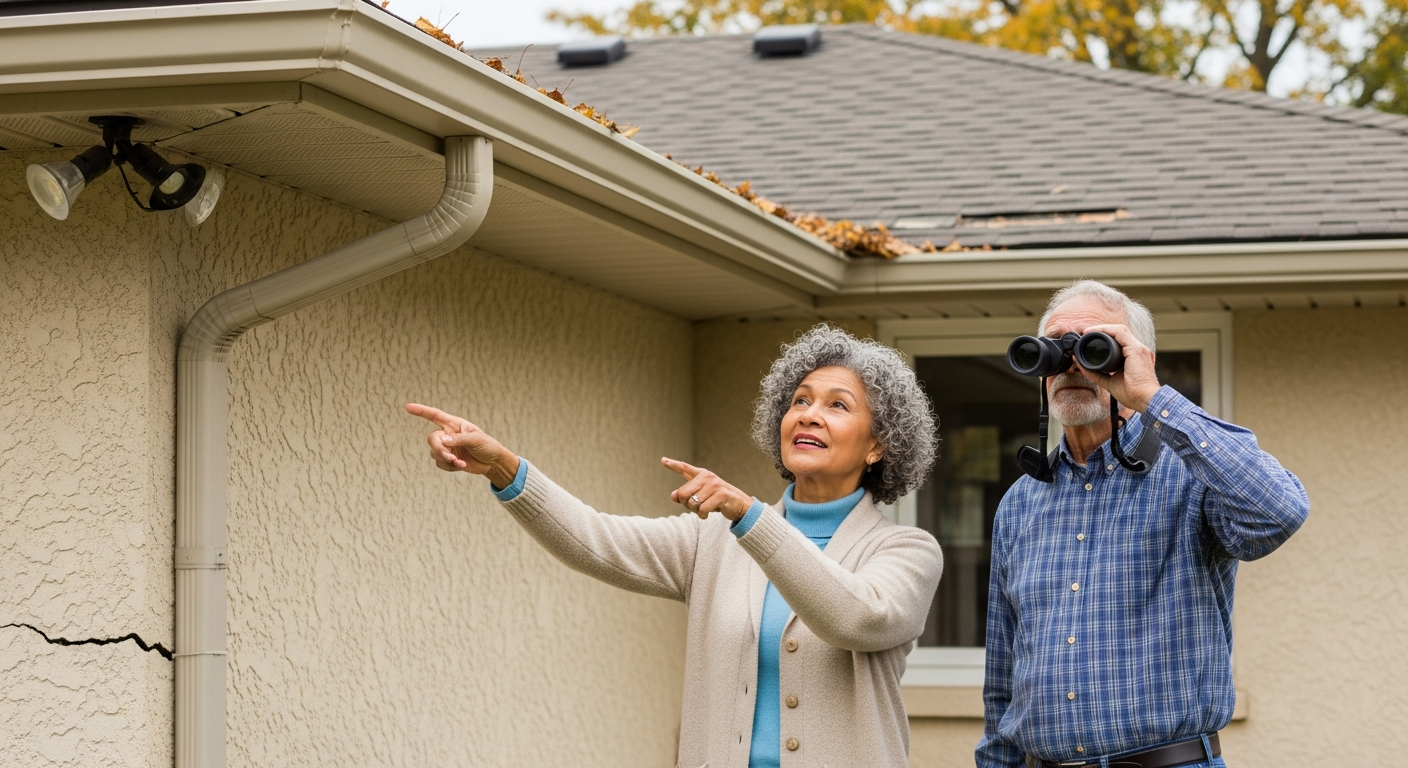
How much have you deferred? After decades of homeownership, many retirees have a mental list of repairs they've postponed: the roof that's "lived past its intended life," the furnace that's "on borrowed time," the foundation cracks that "we've been watching," the plumbing that's "original to the 1960s house." Retirement income makes these deferred projects feel unaffordable. Yet ignoring them creates escalating costs and safety risks. A reverse mortgage allows you to catch up on essential maintenance without draining retirement savings.
This article is for educational purposes only and does not constitute financial advice.

The Deferred Maintenance Reality in Ontario
Home maintenance compounds. A small leak becomes a rot problem. Aging plumbing becomes a burst pipe. Deteriorating roof shingles become water damage in the attic.
According to Statistics Canada, homeowners over 65 are significantly more likely to defer maintenance. Reasons include:
- Fixed retirement income: Can't absorb large capital costs
- Age and mobility: Climbing ladders or accessing crawl spaces becomes difficult
- Uncertainty about future: "We might sell soon" or "We might move to care facilities" — so why invest?
- Knowledge gaps: Don't know which repairs are essential versus cosmetic
- Contractor costs: Home repairs have become expensive; quotes are shocking
This creates a vicious cycle:
- Homeowner defers maintenance to conserve retirement funds
- Deferred problem worsens over time
- Eventual repair costs escalate (small fix becomes major replacement)
- Homeowner can't afford the larger cost
- Damage spreads (affecting other systems)
- Home becomes difficult to sell or maintain safely
According to the Canadian Home Builders' Association, the average Ontario homeowner over 65 has approximately $30,000-$50,000 in deferred maintenance. For some, it exceeds $100,000.
Common Deferred Maintenance in Ontario Homes
| System | Average Cost | If Deferred, Risk |
|---|---|---|
| Roof replacement | $12,000-$25,000 | Water damage, mold, structural rot |
| HVAC (furnace/AC replacement) | $8,000-$15,000 | Inability to heat/cool, energy waste, safety |
| Foundation repair | $15,000-$40,000 | Structural compromise, foundation failure |
| Plumbing replacement (partial) | $8,000-$20,000 | Burst pipes, water damage, sewage issues |
| Electrical panel upgrade | $3,000-$8,000 | Fire hazard, insurance issues |
| Deck replacement | $5,000-$15,000 | Collapse, safety hazard |
| Basement waterproofing | $5,000-$15,000 | Mold, damage, uninhabitable space |
| Siding replacement | $10,000-$25,000 | Water infiltration, rot, insulation loss |
Total potential deferred maintenance: $66,000-$163,000 for a typical Ontario home.
Many retirees have 2-3 of these issues, totaling $30,000-$60,000 in necessary repairs.
The Math: Why Ignoring Maintenance Costs More
Scenario: A roof needs replacement. Current estimate: $18,000. Homeowner defers for 3 years.
| Year | Situation | Cost |
|---|---|---|
| Year 0 | Roof estimate received | $0 (deferred) |
| Year 1 | Roof is still sound; slight leak during heavy rain | $500 (minor repairs) |
| Year 2 | Leak worsens; attic begins showing water stains | $2,000 (attic assessment, minor repairs) |
| Year 3 | Roof fails during storm; water damage inside home | $50,000+ (new roof + water damage repair, mold remediation, interior restoration) |
By deferring the original $18,000 roof replacement, the homeowner faced $50,000+ in total costs, plus the stress of emergency repairs and potential health hazards (mold).
This is why addressing deferred maintenance proactively saves money long-term.
Using a Reverse Mortgage for Home Maintenance
A reverse mortgage provides tax-free funds specifically for home repairs. Unlike cashing in investments (with tax consequences) or credit cards (with high interest), a reverse mortgage is an efficient funding source.
Approach 1: Comprehensive Maintenance Reverse Mortgage
- Get a detailed home inspection: A professional assesses all systems and prioritizes repairs
- Estimate total costs: Roof, HVAC, plumbing, electrical, foundation, etc.
- Establish a reverse mortgage: For the estimated repair costs plus a 10-15% contingency
- Execute repairs systematically: Prioritize critical items (roof, HVAC, plumbing, electrical) before cosmetic work
- Track costs: Ensure contractor invoices match the repair budget
Example: Total estimated deferred maintenance is $45,000. You establish a reverse mortgage for $50,000 (including contingency). You execute repairs over 12-18 months, drawing funds as work is completed.
Approach 2: Phased Reverse Mortgage Approach
If you don't know the full scope of deferred maintenance:
- Establish a reverse mortgage line of credit: For the estimated amount (e.g., $60,000)
- Prioritize urgent repairs first: Roof, HVAC, electrical, plumbing (safety-critical)
- Draw funds as work is completed: Pay contractors directly from the LOC
- Reassess after each phase: If additional problems are discovered, funds remain available
- Stop draws when repairs are complete: Reverse mortgage interest accrues only on drawn funds
This approach manages the risk that a home inspection uncovers bigger issues than expected.
Real Scenario: The Cascade of Deferred Maintenance
Profile: Eleanor, 72, widow, Toronto home worth $550,000, built in 1962
Eleanor's deferred maintenance list:
- Roof: 15 years old, starting to leak ($18,000)
- Furnace: 25 years old, inefficient but working ($10,000 for replacement)
- Plumbing: Original copper, 60 years old, one leak per year ($20,000 for partial replacement)
- Electrical panel: Original 60-amp, safety concern ($5,000 for upgrade)
- Basement: Damp in spring, minor moisture ($8,000 for waterproofing)
Total deferred maintenance: $61,000
Eleanor's dilemma: Her pension is $32,000/year. She lives comfortably but can't absorb a $61,000 capital cost without drawing down her $200,000 in savings — leaving insufficient emergency funds for medical care or long-term care.
Without a reverse mortgage: Eleanor continues deferring. The roof leak spreads. Winter weather causes frozen pipes. Electrical hazard worsens (insurance company might refuse coverage). By age 77, emergency repairs total $120,000, and Eleanor has depleted all savings.
With a reverse mortgage: Eleanor establishes a reverse mortgage for $65,000. She executes necessary repairs over 18 months:
- Roof (Priority 1): $18,000
- Furnace (Priority 1): $10,000
- Electrical panel (Priority 1): $5,000
- Plumbing (Priority 2): $20,000
- Waterproofing (Priority 3): $8,000
Cost: Interest on the $65,000 reverse mortgage at 6.5% compounds to approximately $120,000 over 20 years.
Benefit: Eleanor's home is safe, well-maintained, and her savings remain intact. She can afford aging in place, long-term care if needed, or medical emergencies. The reverse mortgage enables her to retire with dignity and security.
Reverse Mortgage vs Other Funding Sources
| Funding Source | Cost | Tax Impact | Timeline | Drawback |
|---|---|---|---|---|
| Savings withdrawal | Full amount | Capital gains tax if invested | Immediate | Depletes emergency reserves |
| RRIF withdrawal | Full amount + withholding tax | 20-30% withholding | Immediate | Reduces retirement income permanently |
| Home equity line of credit | Amount + interest | None | 1-2 weeks (requires income qualification) | Monthly payments required |
| Credit card | Amount + 19-21% interest | None | Immediate (but high cost) | Unsustainable debt |
| Contractor financing | Amount + 8-12% interest | None | Immediate (but locks in contractor) | High cost; limited contractor pool |
| Reverse mortgage | Amount + 6-7% interest (compound) | None | 2-4 weeks | No monthly payments; interest accrues |
Best choice for deferred maintenance: Reverse mortgage, because interest is lower than alternatives, no monthly payments, and funds are tax-free without savings depletion.

Planning Your Maintenance Reverse Mortgage
Step 1: Get a Professional Home Inspection
Hire a certified home inspector ($400-$800) to evaluate:
- Roof condition and remaining life
- HVAC system age and efficiency
- Plumbing type and condition
- Electrical panel capacity and safety
- Foundation integrity
- Basement moisture
- Insulation and air sealing
The inspection provides a prioritized list of repairs and estimated costs.
Step 2: Get Contractor Quotes
For major items, obtain 2-3 quotes from licensed contractors. Include:
- Detailed scope of work
- Timeline
- Warranty
- Payment schedule
This prevents surprise costs and ensures you're getting fair pricing.
Step 3: Prioritize Repairs
Create a matrix:
| Repair | Cost | Safety Risk | Urgency | Priority |
|---|---|---|---|---|
| Roof leak | $18,000 | High (water damage, mold) | High (worsens in winter) | 1 |
| Furnace failure | $10,000 | High (heating essential) | High (winter problem) | 1 |
| Plumbing burst | $20,000 | High (water damage) | High (impacts safety) | 1 |
| Foundation crack | $15,000 | Medium (monitor) | Medium | 2 |
| Waterproofing | $8,000 | Low (cosmetic but costly) | Low | 3 |
Step 4: Establish Reverse Mortgage
Request a reverse mortgage line of credit for:
- Total of top-priority repairs
- Plus 15-20% contingency (for discovered issues)
- Enough to complete mid-priority repairs if funds allow
Step 5: Execute and Track
- Schedule repairs logically (roof before plumbing to avoid interference)
- Pay contractors directly from reverse mortgage
- Get receipts and warranties
- Verify work quality before final payment
Important Considerations
1. If You Plan to Sell Soon
If you're 2-3 years away from selling, deferred maintenance becomes less relevant — the buyer will either accept the home "as-is" (with a lower offer) or demand repairs at closing.
However, if you plan to stay 5+ years, deferred maintenance must be addressed. It's an investment in your living environment and home value.
2. If You're Moving to Assisted Living
If you'll likely move to assisted living or long-term care within 5 years, major repairs may not make financial sense. Focus on critical safety items (electrical, plumbing) but defer cosmetic work.
3. Insurance and Liability
Deferred maintenance can affect your homeowner's insurance:
- Roof over 20 years old: Insurance may refuse coverage or charge premiums
- Electrical hazards: Insurance may decline
- Foundation issues: Insurance may reduce coverage
Addressing deferred maintenance often restores full insurance coverage and lowers premiums.
4. Home Value Impact
Deferred maintenance reduces home value. A home with a failing roof, inefficient HVAC, and plumbing problems sells for 15-25% less. If your home is worth $550,000, $100,000 in deferred maintenance costs you $82,500-$137,500 in reduced sale value (plus your ongoing risk of emergency costs).
A reverse mortgage to address maintenance preserves home value and protects your investment.
Frequently Asked Questions
Can I use a reverse mortgage for cosmetic renovations?
Technically yes, but it's not recommended. A reverse mortgage should fund essential maintenance (roof, HVAC, plumbing, electrical, foundation) before cosmetic upgrades (kitchen remodeling, bathroom fixtures). Cosmetic work doesn't impact safety or home value preservation the way essential maintenance does.
What if I discover problems beyond the original estimate?
If your reverse mortgage is structured as a line of credit, remaining funds can be drawn for newly discovered issues (up to your LOC limit). If you took a lump sum, you may need a second reverse mortgage or credit card for overages. This is why a 10-15% contingency is recommended.
Should I repair the home before getting a reverse mortgage, or after?
After. Get the reverse mortgage first, then execute repairs. This avoids depleting savings and ensures you have funds available for all necessary work.
Does deferred maintenance affect my reverse mortgage approval?
No. Lenders evaluate home value, not maintenance condition. A home worth $550,000 qualifies for a reverse mortgage based on value, regardless of whether the roof is new or 20 years old.
Can I use a reverse mortgage to fund preventative maintenance?
Yes. Annual HVAC servicing, roof inspection, chimney cleaning, gutter cleaning, foundation monitoring — all can be funded from a reverse mortgage LOC. Preventative maintenance costs far less than emergency repairs.
Speak to a licensed mortgage professional. Independent legal advice is required before closing a reverse mortgage in Ontario.
This content is for illustrative purposes only. Rates may vary. Call Rick Sekhon for the best rates and more information.
Ready to Learn More?
Find out exactly how much you could unlock from your home — free and no obligation.
Related Articles
Reverse Mortgage for Home Maintenance and Warranty Protection Programs
Fund home maintenance and extended warranty programs with a reverse mortgage. Protect your home asset and avoid unexpected repair costs.
Read →Reverse Mortgage for Home Renovations: Aging in Place Guide for Ontario Seniors
Learn how to use a reverse mortgage to fund home renovations and modifications that let you age in place safely and comfortably in your Ontario home. Includes cost examples and step-by-step process.
Read →Aging in Place with a Reverse Mortgage: Home Modification Guide
How Ontario seniors can fund aging-in-place home modifications with a reverse mortgage — costs, top modifications, grants, and a complete planning guide.
Read →