
Reverse Mortgage for Culinary Legacy: Documenting Your Family's Food History and Heritage
Use a reverse mortgage to create a documented culinary legacy—professional food photography, videography, recipe publication, and family cooking education that preserves your food heritage for future generations.
More Than Recipes: Your Culinary Story Is Your Family Legacy
Your food is a story. It's the taste of your grandmother's kitchen, the tradition of holiday meals, the immigrant journey that brought your family's recipes to Ontario, the techniques your children learned at your counter. Yet most families lose this legacy—recipes get lost, techniques are forgotten, stories die with the cook.
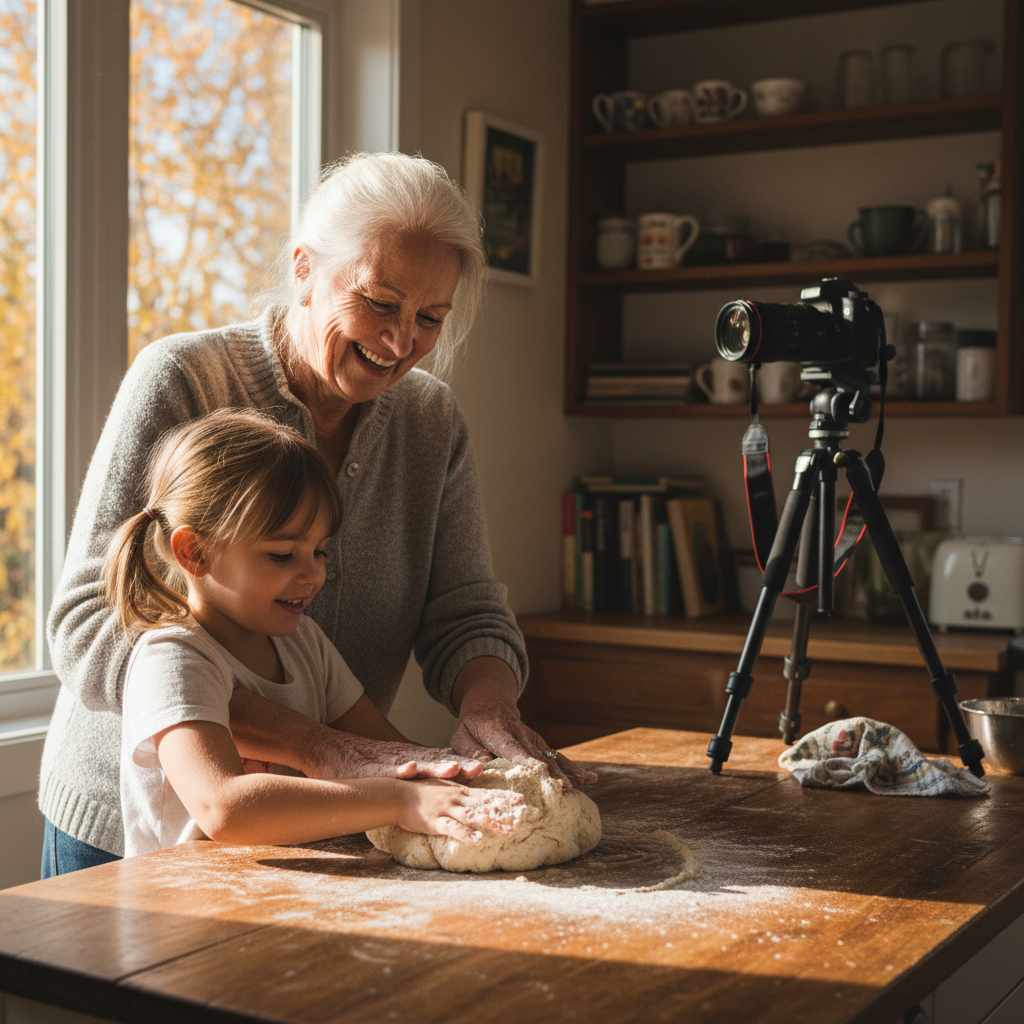
A reverse mortgage can transform your home equity into a documented culinary legacy that your family keeps forever: professionally photographed recipes, video tutorials of you cooking, published cookbooks, family food archives, and culinary education funds for the next generation who want to carry on your traditions.
What Does a Culinary Legacy Project Cost?
Professional Recipe Documentation and Photography
Creating a polished, publishable collection of your signature recipes:
| Component | Cost | Purpose |
|---|---|---|
| Professional food photographer (2–3 sessions) | $600–$1,200 | High-quality photos of your dishes |
| Culinary food stylist | $300–$600 | Make dishes look their absolute best |
| Recipe testing and refinement | $400–$800 | Ensure recipes work consistently |
| Professional copywriting/recipe formatting | $300–$600 | Clear, readable recipe documentation |
| Total Recipe Documentation | $1,600–$3,200 | 20–40 professional recipes |
Video Documentation: "Cooking With Grandma"
Creating video tutorials of you preparing signature dishes:
| Component | Cost | Purpose |
|---|---|---|
| Professional videographer (4–8 half-days) | $1,200–$3,000 | Capture your cooking techniques |
| Video editing and post-production | $600–$1,500 | Polished, organized final videos |
| Closed captioning and transcription | $200–$400 | Accessibility for hearing loss |
| Video hosting/archiving (yearly) | $100–$300 | Preserve forever |
| Total Video Documentation | $2,100–$5,200 | 8–15 complete recipe videos |
Published Cookbook
Creating a family cookbook to share with siblings, children, grandchildren:
| Component | Cost | Purpose |
|---|---|---|
| Cookbook design and layout | $800–$1,500 | Professional formatting |
| Professional printing (50–200 copies) | $300–$1,200 | Bound copies for family |
| ISBN and publishing setup | $50–$200 | Makes it a "real" published book |
| e-book conversion | $200–$400 | Digital version for all family |
| Total Cookbook | $1,350–$3,300 | Full family cookbook |
Complete Culinary Legacy Project
Comprehensive documentation combining all elements:
| Component | Cost | Scope |
|---|---|---|
| Professional recipe documentation (30 recipes) | $2,000–$3,200 | Photographed, tested, written |
| Video cooking tutorials (10 videos) | $2,500–$4,000 | Professional videography and editing |
| Family cookbook creation and printing | $1,500–$2,500 | 100 copies for extended family |
| Culinary heritage research/writing | $400–$800 | Document the story behind recipes |
| Family cooking classes/workshops | $800–$1,500 | Teach next generation in person |
| Total Complete Project | $7,200–$11,000 | Full culinary legacy |
Optional Additions
- Culinary travel/heritage tour: Document the origin of your family's recipes ($3,000–$6,000 for trip + documentation)
- Oral history interview: Professional interviewer captures your food stories ($400–$800)
- Recipe translation: Preserve recipes in multiple languages if relevant ($300–$600)
- Dietary adaptation guide: Create healthy, allergy-friendly versions of recipes ($400–$700)
Why This Matters: The Science of Food and Memory
Food as Cultural Identity
Your recipes carry cultural history. If your family is:
- Portuguese: Your bacalhau recipe is Portuguese tradition
- Chinese: Your noodle-making technique is generational knowledge
- Caribbean: Your curry spice blend is family legacy
- Eastern European: Your soup recipe is grandparent history
- Italian: Your pasta-making is cultural connection
Once you're gone, that knowledge can disappear within one generation if not explicitly documented.
Food and Cognitive Connection
Research shows that learning a grandparent's recipes—through cooking together or following their documented methods—creates powerful cognitive and emotional benefits:
- Strengthens memory formation and recall
- Creates intergenerational bonding
- Maintains cultural identity
- Provides grounding during stress or grief
When your grandchild follows your written recipe or watches your cooking video years later, they're not just making food—they're connecting with you.
Food as Legacy Communication
Unlike a will (which lists assets), a culinary legacy communicates:
- How you nourish your family
- What brings you joy
- What you value (time, tradition, quality)
- How you show love
That's a different kind of legacy—one that lasts every time someone makes your food.
Scenarios: Real Ontario Families Preserving Culinary Heritage
Scenario 1: Sophia, 71, Italian-Ontario Food Heritage
Sophia immigrated to Ontario 45 years ago from Sicily. She's known in her community for her pasta—fresh, handmade daily, using techniques her mother taught her. Her daughter wants to learn but works full-time; her grandchildren have grown up with store-bought pasta and don't know traditional techniques.
Sophia's concerns:
- "My pasta-making will die when I'm gone"
- "My grandchildren don't care about traditional food"
- "I don't have time to teach everyone individually"
Reverse Mortgage Solution:
- Reverse mortgage on her $480,000 home: approximately $144,000 available
- Funds for professional video documentation of pasta-making: $3,000
- Funds for family cooking workshops with a culinary instructor: $1,500
- Funds for printing family pasta cookbooks: $500
- Total investment: $5,000
The Outcome: Sophia creates 5 professional videos showing her pasta techniques—egg pasta, semolina pasta, filled ravioli, different sauces. Her family gathers for monthly cooking workshops. A cookbook is printed with photos, techniques, and Sophia's stories about each dish. When her grandchildren have children, they'll teach them using Sophia's videos and cookbook—a legacy that spans generations.
The emotional outcome? Sophia feels her knowledge is being preserved. Her daughter develops new respect for her mother's craft. Her grandchildren discover a connection to their heritage.
Scenario 2: Marcus, 76, Caribbean Culinary Migration Story
Marcus came to Toronto from Jamaica as a young man. He's known for his curries, jerked meats, and Caribbean seafood. His adult children grew up with his cooking but haven't mastered it. His grandchildren think Caribbean food comes from restaurants.
Marcus wants to document not just recipes but the story: how he adapted Caribbean cooking to Ontario ingredients, how he learned from elders back home, how food kept him connected to his past while building a Canadian life.
Reverse Mortgage Solution:
- Reverse mortgage on his $550,000 home: approximately $165,000 available
- Professional recipe documentation and food photography: $2,500
- Video documentation of cooking techniques: $3,500
- Oral history interview capturing his migration and food story: $600
- Family cookbook creation: $1,500
- Total investment: $8,100
The Outcome: Marcus creates a comprehensive culinary archive: recipes with photos, videos of him cooking, an audio interview telling his story, and a printed cookbook that's as much memoir as recipe collection. His adult children gain skills and understanding. His grandchildren hear his voice telling food stories even if they're not in the room.
This is legacy preservation that transforms Marcus's kitchen wisdom into family treasure.
The Reverse Mortgage Advantage for Culinary Projects
Why Not Just DIY With Your Smartphone?
You could, but professional documentation offers:
- Better quality: Professional cameras capture food better than smartphone cameras
- Consistency: Professional lighting, styling, and editing look polished
- Longevity: Professional video and photo archiving preserves quality for decades
- Credibility: "Published" cookbooks feel more legitimate to family than homemade
- Accessibility: Professional captioning, transcription, and translation serve all family members
- Emotional weight: Professional documentation says "this matters and I invested in preserving it"
Why a Reverse Mortgage?
Culinary legacy projects typically cost $5,000–$12,000. Most Ontario seniors don't have this sitting in savings, and they shouldn't deplete retirement savings for it. A reverse mortgage:
- Accesses home equity without monthly payments
- Allows flexible fund access (draw as you go through project)
- Lets you stay in your home while funding the project
- Doesn't affect government benefits (OAS, GIS) significantly
- Lets you document while you're healthy and energetic enough to cook on camera
Components of a Complete Culinary Legacy
1. Recipe Documentation
Written recipes with:
- Ingredient lists and quantities
- Step-by-step instructions
- Photos of finished dishes
- Notes on timing, difficulty, variations
- Stories about the recipe (where it comes from, when you make it, who taught it to you)
2. Technique Documentation
Video showing:
- How you cut, chop, and prepare ingredients
- Your specific cooking methods (heat levels, timing, sensory cues)
- What "done" looks like (texture, color, smell)
- Substitutions or adaptations you use
- Traditions or rituals around preparation
3. Story and History
Narrative explaining:
- Where your family recipes originate
- How you learned to cook them
- How they've evolved in Ontario context
- What they mean to your family
- Who you want to remember teaching you
4. Education and Skill Transfer
Practical teaching through:
- In-person cooking classes with family
- Written instruction for skill development
- Video tutorials showing difficult techniques
- Recipes designed for different skill levels
5. Community and Archive
Organized preservation through:
- Published cookbook or digital cookbook
- Family recipe collection (online or printed)
- Video archive accessible to all family members
- Oral history recording saved permanently
Getting Started: A 6-Month Culinary Legacy Project Timeline
Month 1: Planning and Selection
- Identify 20–30 signature recipes you want to document
- Choose which components matter most (video, photos, cookbook, etc.)
- Select professionals (food photographer, videographer, cookbook designer)
- Get quotes and schedule availability
Month 2: Professional Documentation Begins
- Recipe testing and refinement (ensure recipes work consistently)
- Food photography sessions (2–3 days with professional photographer)
- Start video documentation (film 2–3 cooking videos)
Month 3: Continuing Documentation
- Complete video documentation (finish remaining cooking videos)
- Conduct oral history interview
- Begin writing cookbook layout
- Family cooking workshop sessions start
Month 4: Editing and Refinement
- Video editing and final production
- Cookbook design finalization
- Recipe writing and copyediting
- Photo selection and organization
Month 5: Publishing and Creation
- Cookbook printing
- Video hosting and archiving
- Family cookbook distribution
- Digital versions prepared
Month 6: Celebration and Education
- Family celebration featuring the documented recipes
- In-person cooking workshops using documentation as teaching tool
- Video viewing and discussion with family
- Archive maintenance and accessibility planning
Funding a Culinary Legacy With a Reverse Mortgage
Recommended Structure: Flexible Line of Credit
- Get reverse mortgage with line of credit option
- Set available credit at $10,000–$15,000 (gives flexibility)
- Draw funds as you move through the project
- Pay professionals as work is completed
- Keeps total interest costs down (interest only on amounts drawn)
Alternative: Lump Sum
- Get full project cost upfront
- Pay all professionals at once
- Complete project faster
- Simpler administration
Timeline
- Reverse mortgage pre-qualification: 1 week
- Full reverse mortgage closing: 4–6 weeks
- Funds available: immediately after closing
- Project execution: 6 months
- Total from decision to completion: 7–8 months
Making It a Family Project
Involving Your Children and Grandchildren
- Invite them to video documentation (they see you cook)
- Include them in family cooking workshops
- Ask them for input on cookbook design
- Record them cooking your recipes after you teach them
- Create intergenerational video: you teaching, them learning
Managing Family Input
- Be clear about your vision (it's your legacy, not a committee project)
- Invite participation in execution, not direction
- Use the project as bonding time
- Create multiple copies of the final cookbook for siblings/children
Sharing After You're Gone
- Ensure all adult children have copies of cookbook
- Host the digital videos somewhere accessible (cloud, YouTube, family website)
- Include instructions in your will for how to access the archive
- Write a letter explaining why this legacy matters to you
Tax and Financial Considerations
No Tax on Reverse Mortgage Proceeds
- Funds from your home equity are not taxable income
- Culinary legacy projects funded by reverse mortgage have no tax consequences
- Creating a cookbook doesn't create taxable income for you (it's personal)
Deductibility? (No)
- You cannot deduct culinary legacy project costs as a personal expense
- If you later sell the cookbook or charge family for copies (unlikely), that might be taxable, but most families don't
As a Gift to Family
- If you gift printed cookbooks to children/grandchildren, no tax implications
- If you create a published cookbook sold to public, different rules apply (consult an accountant)
Preserving Your Culinary Legacy Beyond the Documents
- Train one family member deeply in your techniques (not just documented, but embodied skill)
- Cook together regularly while you can—live teaching is irreplaceable
- Write down the "why" behind recipes, not just the "how"
- Record informal video of family meals and you talking about food
- Create a dedicated recipe notebook that family members can mark up and annotate
- Host annual "family cooking day" using your recipes and legacy project
Key Takeaways
- A complete culinary legacy project—recipe documentation, videos, and a printed cookbook—typically costs $7,200–$11,000.
- A reverse mortgage lets you fund this project without depleting retirement savings and without monthly payments.
- Video documentation of cooking techniques usually costs $2,100–$5,200 for 8–15 complete recipe videos, including editing and captioning.
- A professionally designed and printed family cookbook (50–200 copies) generally runs $1,350–$3,300.
- Using a reverse mortgage line of credit lets you draw funds as the project progresses, paying professionals as work is completed and keeping interest costs down.
- Reverse mortgage proceeds are not taxable income, so funding a culinary legacy project has no tax consequences for you or your family.
Frequently Asked Questions
How much does a full culinary legacy project typically cost?
A comprehensive project that includes professional recipe documentation, video tutorials, and a printed family cookbook typically costs $7,200–$11,000. Smaller projects focused on just recipes or just video can range from $1,600 to $5,200 depending on scope.
Can I use a reverse mortgage to pay for a project like this?
Yes. A reverse mortgage lets you access your home equity without monthly payments, which many Ontario seniors use for projects like culinary legacy documentation rather than depleting retirement savings. Funds can be drawn as a lump sum or through a line of credit as the project progresses.
Will funding a culinary legacy project affect my OAS or GIS benefits?
Reverse mortgage proceeds are loan advances, not income, so they generally do not significantly affect OAS or GIS eligibility. It's still worth confirming your specific situation with a financial advisor before drawing funds.
Is it better to take a lump sum or a line of credit for this kind of project?
A line of credit is often more cost-effective because interest only accrues on the funds you actually draw, letting you pay photographers, videographers, and cookbook designers in stages as work is completed. A lump sum can simplify administration if you want the project done faster.
How long does a culinary legacy project usually take from start to finish?
Most families complete a project like this in about 6 months, covering recipe selection, professional documentation, editing, and final publishing. From reverse mortgage pre-qualification to project completion, the total timeline is typically 7–8 months.
Do I need to be a certain age to qualify for a reverse mortgage for this purpose?
Yes. All homeowners on title must be at least 55 years old to qualify for a reverse mortgage in Ontario, and the amount available depends on your age, home value, and location.
Next Steps to Preserve Your Culinary Legacy
- Identify your signature recipes (10–30 dishes you're known for)
- Choose documentation style (video, photos, cookbook, all three)
- Research professionals in your area (food photographers, videographers, cookbook designers)
- Get cost estimates for your specific vision
- Get reverse mortgage pre-qualification to understand available equity
- Plan your project timeline (6 months is typical)
- Invite family participation in cooking workshops and documentation
- Execute your legacy project while you're healthy and energetic
- Celebrate the finished product with family gathered around your documented food
- Ensure long-term preservation (digital backups, printed copies distributed)
Your home's equity can preserve more than a recipe—it can preserve your presence in your family's kitchen for generations. Your food is your legacy. Make sure it's remembered.
Ready to Learn More?
Find out exactly how much you could unlock from your home — free and no obligation.
Related Articles
Reverse Mortgage for DEI Consulting Practice: Launching Diversity, Equity, and Inclusion Consulting in Retirement
Start a diversity and inclusion consulting practice. Help corporations and nonprofits build equitable cultures; reverse mortgage funds training, business setup, and market entry.
Read →Reverse Mortgage for Residential Sustainability Auditing Practice: Certifying Aging in Place
Launch a professional home energy and sustainability auditing business. Help Ontario homeowners certify efficiency; reverse mortgage funds training, tools, and market entry.
Read →Reverse Mortgage for Archival and Digital Preservation Consulting: Preserving Institutional History and Heritage
Launch archival consulting practice preserving records for institutions. Help libraries, archives, nonprofits; reverse mortgage funds training, tools, and market entry.
Read →