
Reverse Mortgage for Cottage Winterization and Year-Round Seasonal Maintenance in Ontario
Fund cottage winterization, seasonal maintenance, and year-round care for your vacation property using a reverse mortgage to protect your investment.
What happens when cottage maintenance costs threaten your retirement budget? Many Ontario retirees maintain seasonal vacation properties alongside primary homes, but winterization, repairs, and seasonal care drain savings. A reverse mortgage can strategically fund cottage maintenance, seasonal upgrades, and winterization—protecting your cottage investment without depleting retirement income.
This article is for educational purposes only and does not constitute financial advice.
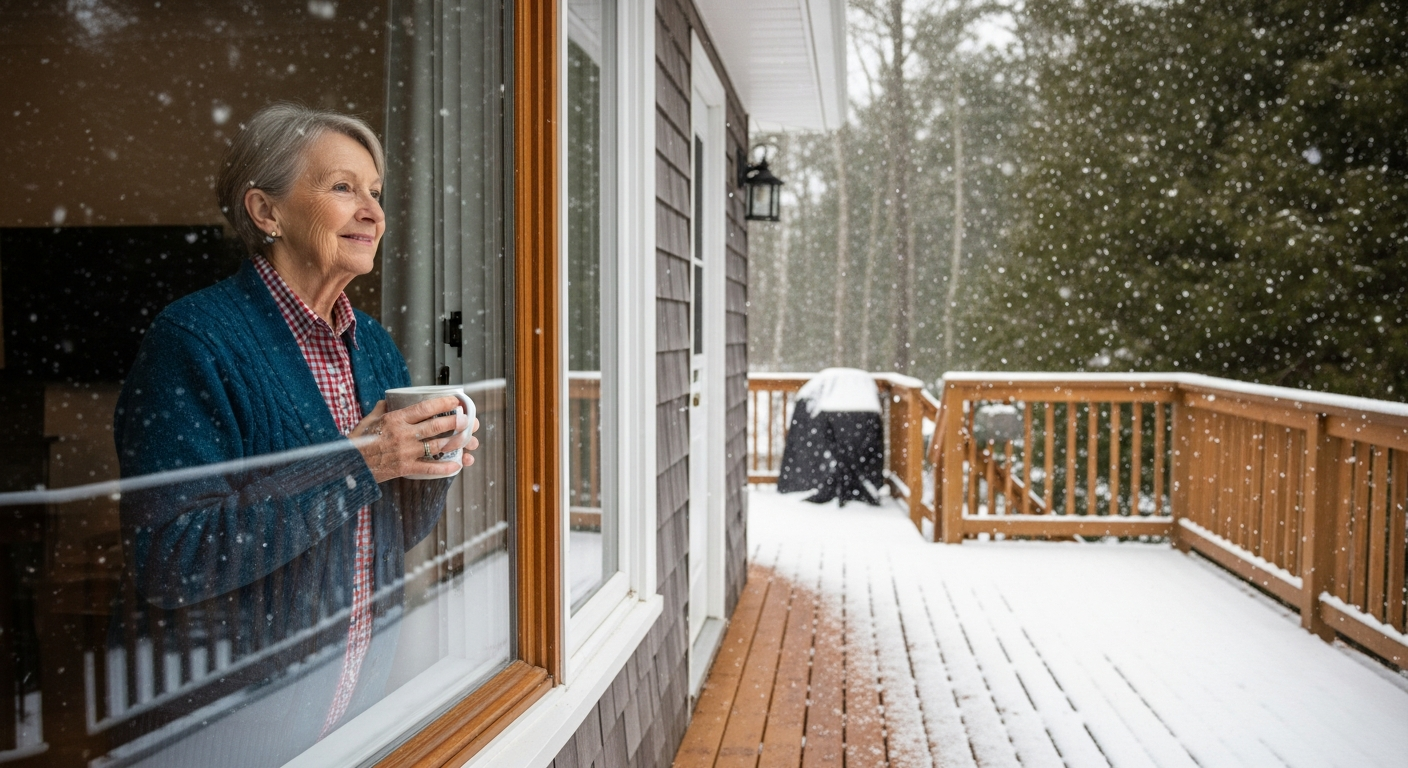
The Hidden Costs of Cottage Ownership
Cottage ownership is rewarding—but expensive. Beyond mortgage and property tax:
Year-round maintenance costs:
- Lawn and landscaping (spring cleanup, summer maintenance): $1,500-$4,000/year
- Dock maintenance and repairs (Ontario waterfront): $1,000-$3,000/year
- Boat storage and maintenance (if applicable): $2,000-$6,000/year
- Interior cleaning and upkeep: $800-$2,000/year
- Pest control and wildlife management: $500-$1,500/year
- Property inspection and assessments: $300-$800/year
Seasonal winterization (fall preparation):
- Drain plumbing and shut off water system: $800-$1,500
- Winterize heating system; prepare for freeze: $600-$1,200
- Inspect roof, gutters, chimneys: $400-$800
- Seal windows and doors; weatherproofing: $1,000-$2,500
- Dehumidification system installation (prevent mold): $1,500-$3,000
- Pest prevention and rodent control: $300-$800
Spring reopening (preparing for summer season):
- De-winterize plumbing; test water system: $600-$1,200
- HVAC inspection and servicing: $400-$800
- Deep cleaning after winter: $1,000-$2,000
- Dock preparation and inspection (if waterfront): $800-$1,500
- Deck and exterior painting/staining: $2,000-$5,000
Unexpected repairs:
- Roof leaks discovered during winter: $2,000-$8,000
- Plumbing freezing damage: $1,500-$5,000
- Foundation cracks or water intrusion: $3,000-$10,000+
- Dock erosion or collapse: $5,000-$20,000+
- Furnace or heating system failure: $3,000-$8,000
Average annual cottage maintenance: $5,000-$15,000+
For retirees on fixed income, these costs can become unmanageable—forcing difficult choices about keeping or selling the cottage.
| Cost Category | Annual Range |
|---|---|
| Routine maintenance (lawn, dock, cleaning) | $2,600-$8,300 |
| Fall winterization | $3,000-$6,000 |
| Spring reopening | $2,000-$4,000 |
| Unexpected repairs (reserve estimate) | $2,000-$10,000+ |
| Typical total | $5,000-$15,000+ |
| Reverse Mortgage Draw | Approx. Annual Interest (7%) | Suggested Use |
|---|---|---|
| $15,000-$25,000 | $1,050-$1,750 | Emergency repair reserve |
| $20,000-$40,000 | $1,400-$2,800 | Dedicated annual maintenance fund |
| $30,000-$60,000 | $2,100-$4,200 | Winterization/upgrade project |
Real-World Scenario: Bill and Marie's Cottage Preservation
Bill and Marie, ages 72 and 71, Ontario:
- Own primary home in Toronto: $620,000
- Own cottage on Lake Simcoe: $380,000
- Retired with $2,800/month combined CPP + OAS; $45,000/year pension income
- Total retirement income: $88,600/year
- Living expenses (Toronto home): $48,000/year
- Cottage maintenance: $10,000/year (growing)
- Gap: $30,600/year shortfall
Dilemma:
- Love cottage; 50+ years of family memories
- Grandchildren visit every summer
- Can't afford to maintain both properties
- Considering selling cottage (heartbreaking)
Reverse mortgage solution:
- Borrow against Toronto primary home: $50,000
- Cost: ~7% interest = $3,500/year
- Allocates funds for:
- Cottage winterization and spring reopening: $3,500/year
- Emergency maintenance reserve: $2,500/year
- Foundation upgrades and preventive repairs: $1,500/year
- Total annual cottage budget: $7,500/year
Outcome:
- Reduce pressure to sell cottage
- Fund winterization and preventive maintenance
- Avoid major repairs through proactive care
- Keep family gathering place intact
- Interest cost ($3,500/year) offset by avoided selling costs and property tax savings
Cottage Winterization Best Practices
Fall preparation (September-October):
Plumbing system:
- Shut off main water valve
- Drain all water lines, pipes, fixtures
- Open all faucets to release air
- Add RV antifreeze to P-traps, toilets if winterizing occupied cottage
- Cover outdoor faucets with insulation
Heating and HVAC:
- Have furnace serviced and cleaned
- Check thermostat; set to prevent freezing (usually 50-55°F)
- Inspect chimney; have professional cleaning if wood-burning
- Verify heating system readiness for emergency use
Roof and exterior:
- Inspect roof for damage; repair leaks before winter snow load
- Clear gutters and downspouts
- Trim tree branches overhanging roof
- Check caulking around windows and doors
- Repair exterior gaps (chimneys, vents, siding)
Interior:
- Install dehumidification system (prevents mold/mildew)
- Open interior cabinets for air circulation
- Remove perishable foods; inspect for rodent entry
- Drain and winterize hot water heater (if unoccupied)
- Crack windows slightly for air circulation (prevent moisture buildup)
Security and insurance:
- Install motion-sensor lights
- Lock all doors and windows
- Notify insurance company of winterization (occupied vs. vacant)
- Arrange for periodic property checks (if unoccupied)
Cost: $3,000-$6,000 for comprehensive winterization
Spring preparation (April-May):
Plumbing system:
- Turn on main water valve
- Open faucets and let water run to clear lines
- Inspect for leaks from freeze damage
- Test all fixtures; repair any damage
Heating and HVAC:
- Test heating system; ensure it functioned properly during winter
- Clean furnace and filters
- Check thermostat; adjust to comfortable temperature
Interior and exterior:
- Thorough inspection for freeze damage, leaks, wildlife intrusion
- Deep clean after winter
- Repair any damaged windows, doors, siding
- Prepare exterior for summer (paint, stain, seal deck)
Dock and waterfront (if applicable):
- Inspect dock for winter damage, erosion
- Clean and prepare for boating season
- Replace any deteriorated boards; reinforce structure
Cost: $2,000-$4,000 for spring reopening
Reverse Mortgage for Cottage Maintenance: Strategic Approach
Option 1: Dedicated Maintenance Fund
- Borrow $20,000-$40,000 against primary home
- Establish dedicated savings account for cottage expenses
- Draw from fund for annual winterization, maintenance, and repairs
- Replenish annually from reverse mortgage line of credit
- Benefits: predictable budgeting; prevents neglect
Option 2: Emergency Repair Coverage
- Borrow smaller amount ($15,000-$25,000)
- Reserve for unexpected major repairs (roof, foundation, dock collapse)
- Continue funding routine maintenance from income
- Protects against catastrophic costs forcing cottage sale
- Benefits: maintains primary budget; protects against emergencies
Option 3: Cottage Upgrade and Winterization
- Borrow $30,000-$60,000
- Fund comprehensive winterization system (dehumidification, insulation, heating upgrades)
- Upgrade to more efficient systems (reduced future costs)
- Immediate payback through lower utilities and fewer repairs
- Benefits: long-term cost reduction; improved property value
Tax and Financial Implications
Reverse mortgage considerations:
- Proceeds not taxable to you
- Don't affect OAS/GIS
- Interest accrues on primary home (may affect future estate)
Cottage ownership costs:
- Mortgage interest on cottage: not deductible (personal use property)
- Property taxes: not deductible
- Maintenance and utilities: generally not deductible (personal use property)
- Cottage not eligible for principal residence exemption if different from primary home (capital gains tax on sale)
Inheritance implications:
- Both primary home and cottage subject to reverse mortgage debt
- Heirs inherit reduced equity (debt to pay first)
- Consider communicating with adult children about cottage plans
Consult an accountant about tax implications of multi-property ownership.
Key Takeaways
- Average annual cottage maintenance in Ontario runs $5,000–$15,000+, with comprehensive fall winterization alone costing $3,000–$6,000.
- Draining the plumbing system is the single most important winterization step; frozen pipes cause the most catastrophic and costly damage.
- Reverse mortgage proceeds used for cottage upkeep are not taxable and do not affect OAS or GIS benefits.
- Bill and Marie funded a $7,500/year cottage maintenance budget using $50,000 in reverse mortgage equity, at an interest cost of about $3,500/year.
- Deferred cottage maintenance doesn't add resale value, but it can significantly reduce it—maintenance preserves value rather than adding to it.
- A reverse mortgage line of credit lets homeowners draw only what's needed for winterization, spring reopening, or emergency repairs, rather than borrowing a full lump sum upfront.
Frequently Asked Questions
Should I winterize my cottage if I only use it in summer?
Yes, absolutely. Winter damage is expensive: frozen pipes ($1,500-$5,000), freeze-thaw roof damage ($3,000-$8,000), moisture and mold issues ($2,000-$10,000+). Proper winterization prevents damage costing far more than the winterization process itself.
What's the most important winterization step if I can only afford one?
Drain the plumbing system. Frozen water in pipes causes catastrophic damage. This is the single most important step. Second priority: shut off water at the main valve. Third: basic heating to prevent extreme interior cold. If budget allows, add dehumidification to prevent mold.
Can I winterize the cottage myself, or do I need professionals?
Homeowners can handle basic steps (shutting off water, draining lines, securing exterior), but professional services are valuable:
- Plumbing inspection and winterization (ensure nothing is missed)
- Furnace inspection and servicing (safety critical)
- Roof and exterior inspection (liability risk if you fall)
Budget for professional plumber and HVAC technician; handle basic closing steps yourself.
If I sell the cottage eventually, will renovation and maintenance costs be recovered?
Generally no. Maintenance is considered "upkeep" and doesn't add resale value. However, deferred maintenance severely reduces value; a well-maintained cottage commands higher sale price than a neglected one. Think of maintenance as "preserving value," not "adding value."
What if I develop health issues and can't manage cottage upkeep anymore?
Common situation. Options:
- Hire property manager or caretaker for year-round care
- Rent cottage to vacationers (generates income for maintenance)
- Sell cottage to adult child or family member
- Sell to realize equity and simplify retirement
- Use reverse mortgage to fund hiring professional management
Plan ahead rather than facing crisis decision during health emergency.
Can I rent out my cottage part-time to cover maintenance costs?
Yes. Renting your cottage (Airbnb, VRBO) generates income. Tax implications:
- Rental income is taxable
- Deductible expenses: mortgage interest, property tax, maintenance, utilities, insurance, advertising
- Some personal use days may limit deductions
Consult accountant about tax implications before renting.
Speak to a licensed mortgage professional. Independent legal advice is required before closing a reverse mortgage in Ontario.
Get your free Ontario Reverse Mortgage Guide →
This content is for illustrative purposes only. Cottage maintenance costs vary by property condition, location, and season. Consult with local contractors and cottage maintenance specialists about your specific property.
Ready to Learn More?
Find out exactly how much you could unlock from your home — free and no obligation.
Related Articles
Reverse Mortgage for Home Winterization and Climate Adaptation in Ontario
Ontario winters are getting unpredictable, with extreme cold and ice storms. Use a reverse mortgage to winterize your home and adapt to changing climate challenges for reliable comfort.
Read →Reverse Mortgage on a Cottage or Vacation Property in Ontario (2026)
Can you get a reverse mortgage on a cottage in Ontario? Learn why vacation properties don't qualify, plus strategies to unlock equity using your primary home.
Read →Reverse Mortgage for Aging in Place With Fibromyalgia: Home Modifications for Invisible Illness
Fund home modifications for aging with fibromyalgia. Reverse mortgage enables accessible design for pain management, energy conservation, and quality of life.
Read →