
Reverse Mortgage for Cognitive Wellness: Funding Lifelong Learning Programs in Retirement
Combat cognitive decline through educational programs. Use a reverse mortgage to fund lifelong learning, brain health activities, and mental stimulation in retirement.
Could investing in cognitive wellness today prevent memory loss and dementia tomorrow? Research consistently shows that mentally active seniors experience slower cognitive decline. A reverse mortgage funds educational programs, online courses, brain training, and community learning opportunities—protecting your mental health while you age.
Cognitive decline is not inevitable. Studies from the Alzheimer's Society of Canada show that seniors who engage regularly in learning activities (new languages, technical skills, arts, academic study) reduce dementia risk by 30–40%. Yet many retirees don't pursue these activities because educational programs cost $200–$500 monthly. A reverse mortgage provides lump-sum funding for years of cognitive enrichment, making brain health affordable.
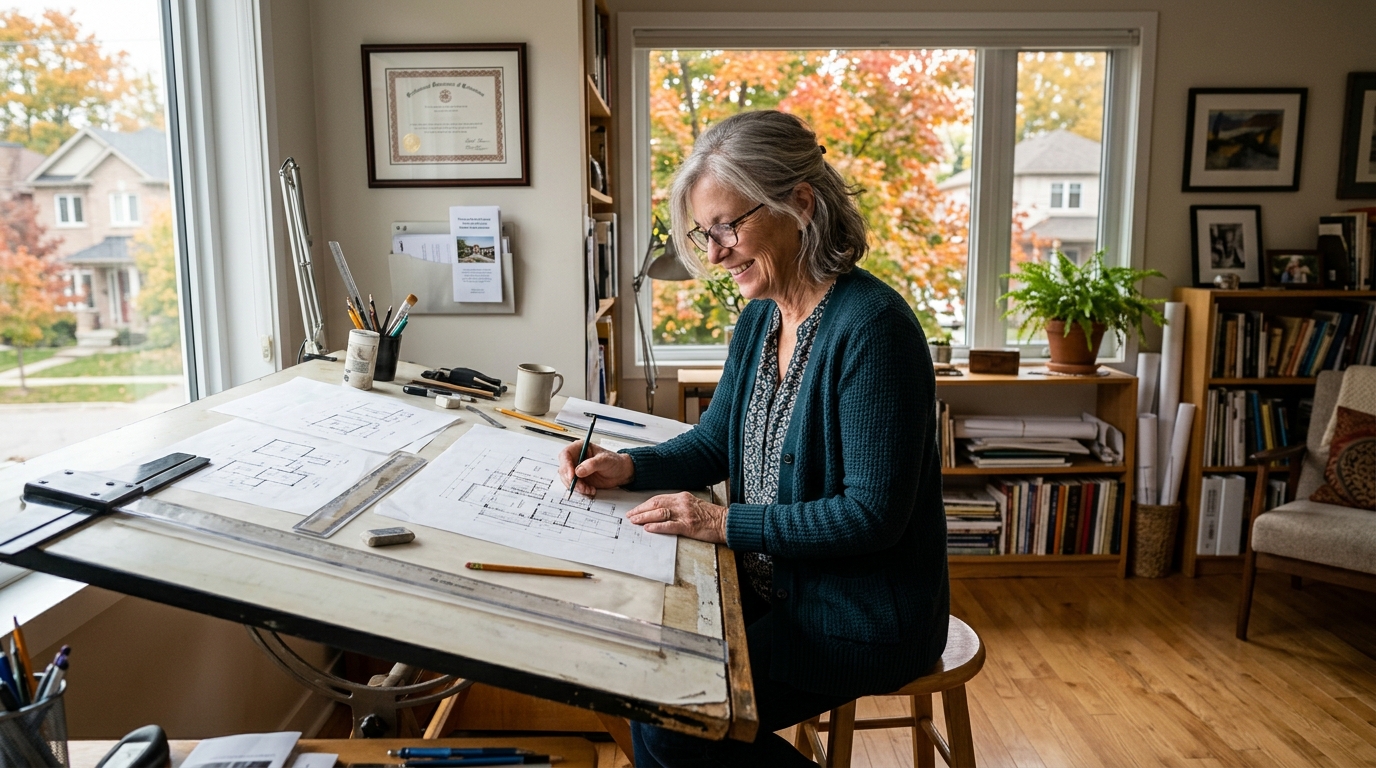
Why cognitive wellness matters in retirement
Cognitive wellness is the active practice of keeping your mind sharp through learning, social engagement, and intellectual challenge. Unlike basic memory function, cognitive wellness encompasses problem-solving, creativity, language acquisition, and emotional intelligence.
The cost of cognitive decline is steep: dementia care runs $8,000–$15,000 monthly, often driving home sale or long-term care placement. Prevention is far more affordable and preferable.
| Cognitive Risk Factor | Annual Cost if Untreated | Annual Cost of Prevention Program |
|---|---|---|
| Unmanaged cognitive decline | Potential dementia care ($100,000+/year) | Prevention program ($2,400–$6,000) |
| Hearing loss (correlated with cognitive decline) | Dementia acceleration risk | Hearing aids + auditory training ($3,000–$5,000 once) |
| Social isolation | Cognitive decline, depression | Group learning, social programs ($1,500–$3,000) |
| Sedentary lifestyle | Cognitive stagnation, depression | Online education, community classes ($2,000–$4,000) |
According to CMHC, seniors who budget for cognitive wellness activities report better quality of life, reduced depression, and maintained independence longer.
Reverse mortgage-funded cognitive wellness programs
A reverse mortgage can fund diverse cognitive activities:
✓ University-level courses (Osgoode Hall's Seniors Learning Institute, McMaster Lifelong Learning, etc.)
✓ Online educational platforms (Coursera, Masterclass, LinkedIn Learning with premium content)
✓ Language immersion programs (French, Mandarin, Spanish conversation groups)
✓ Art and creative workshops (painting, creative writing, music)
✓ Technology certification courses (computer science, digital media, coding)
✓ Community learning organizations (Osher Lifelong Learning Institutes, adult education centers)
✓ Brain training and cognitive rehabilitation (neurocognitive programs, memory training)
✓ Travel-based learning (educational tours, archaeological digs, cultural immersion)
Unlike traditional healthcare (where insurance restricts what you can fund), educational programs are entirely your choice and entirely funded by reverse mortgage proceeds.
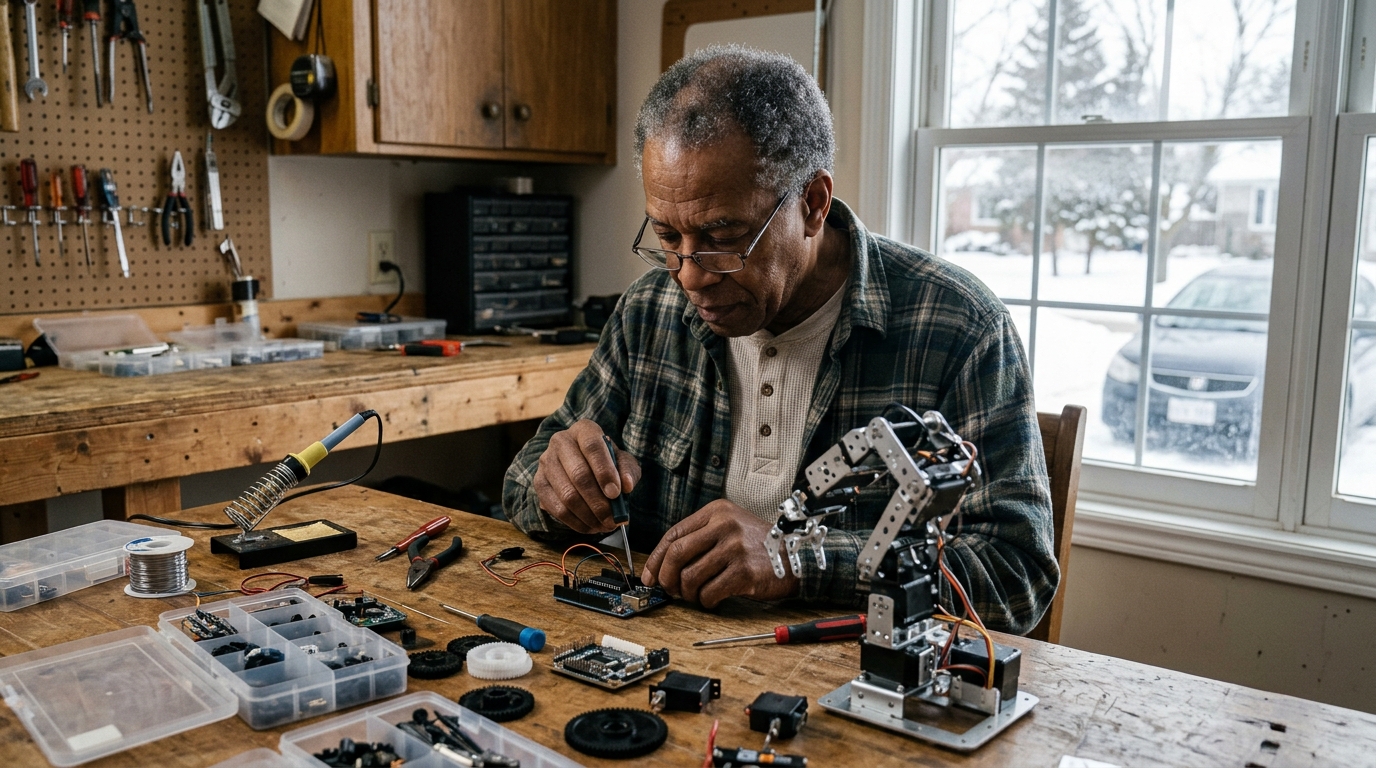
Real-world scenario: Funding a multi-year learning journey
Patricia's story (composite example):
Patricia (age 66) retired after 35 years as a librarian. She lived alone in a Toronto home worth $450,000. She loved learning but had no structured engagement in retirement. Her family worried about early cognitive decline; her mother had been diagnosed with mild cognitive impairment at age 72.
Gap: Patricia wanted to pursue a master's degree part-time (4 years, $24,000–$30,000) and travel on three educational trips per year ($8,000 annually). Total: ~$50,000 over 4 years. She had modest CPP ($16,000/year) and no employer pension.
Solution: Patricia obtained a reverse mortgage of $120,000. She allocated:
- Master's program in history: $28,000
- Annual educational travel (4 years × $8,000): $32,000
- Online learning platform subscriptions: $2,000
- Cognitive wellness assessment and coaching: $3,000
Outcome: Patricia completed her master's degree while traveling annually. She joined intellectual communities, made friends, and stayed cognitively engaged. Her reverse mortgage balance grew to ~$131,000 after 4 years, but her mental health and life satisfaction scores increased measurably. Family reports no signs of cognitive decline.
Comparing cognitive wellness funding options
| Approach | Annual Cost | Quality of Learning | Sustainability | Impact on Home Equity |
|---|---|---|---|---|
| Self-funded from savings | $0–$3,000 (limited) | Depends on chosen programs | Unsustainable; depletes savings | No impact |
| Reverse mortgage lump sum | $0 monthly; upfront $50,000–$100,000 | Full access to premium programs | Sustainable for 10+ years | Reduces equity by loan balance |
| HELOC | $3,000–$5,000 with monthly payments | Possible, but limited by cash flow | Unsustainable if income drops | Reduces equity + monthly obligation |
| Educational grants/scholarships | $500–$2,000 (if eligible) | Limited to approved programs | Competitive and not guaranteed | No impact |
| Community programs (free/low-cost) | $0–$500 | Limited options; often lower quality | Good for specific interests only | No impact |
A reverse mortgage is unique: it provides lump-sum funding without monthly payments, making multi-year learning sustainable on a fixed income.
Cognitive wellness programs by budget
Modest cognitive wellness program ($30,000 over 5 years)
- Online learning subscriptions (Coursera, Great Courses+): $600/year
- Weekly local community classes (art, language, fitness): $1,000/year
- Annual travel-based learning: $4,000/year
- Total: $5,600/year ($28,000 over 5 years)
Comprehensive program ($60,000 over 5 years)
- University part-time degree program: $6,000/year
- Multiple online platforms + coaching: $1,000/year
- Annual educational travel: $6,000/year
- Cognitive assessment and brain training: $500/year
- Total: $13,500/year ($67,500 over 5 years)
A reverse mortgage of $80,000–$100,000 funds 5–7 years of comprehensive cognitive wellness programming.
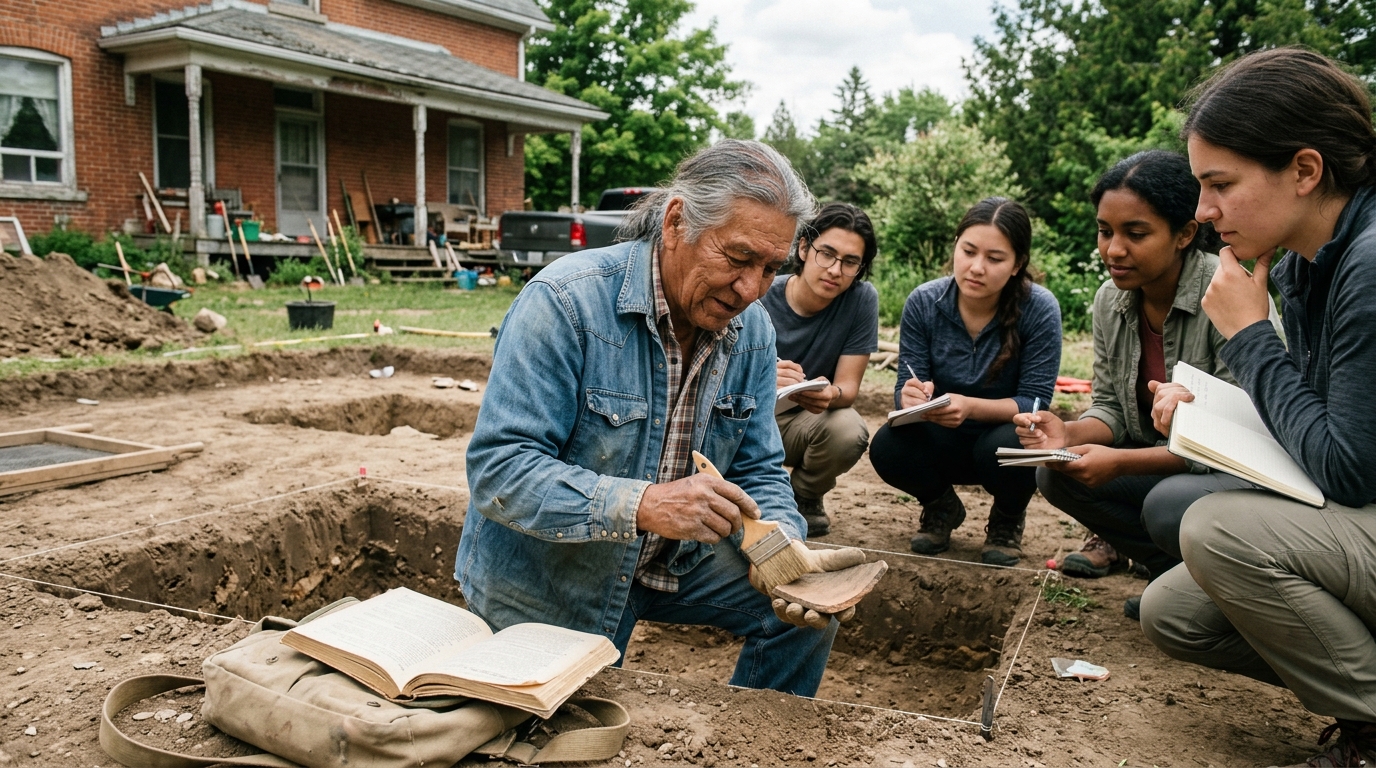
Research on cognitive wellness and dementia prevention
According to the Alzheimer's Society of Canada, cognitive reserve (built through education, intellectual engagement, and learning) is one of the most significant protective factors against dementia, with research indicating 30–50% reduction in risk for highly engaged individuals.
Cognitive wellness is not about expensive medical treatments—it's about consistent mental engagement. A reverse mortgage makes consistency affordable, funding 5–10 years of learning regardless of whether your income changes.
Practical steps to fund cognitive wellness
Step 1: Self-assessment (Week 1) What intellectual interests did you have before retirement? What have you always wanted to learn? Consider:
- Academic subjects (history, philosophy, science)
- Practical skills (technology, languages, trades)
- Creative pursuits (art, music, writing)
- Physical-mental integration (dance, sports coaching, martial arts)
Step 2: Research program costs (Week 2) Identify specific programs and their costs:
- University continuing education courses: typically $300–$800 per course
- Online learning platforms: $10–$50/month
- Community learning programs: $100–$500 per program
- Educational travel: $2,000–$8,000 per trip
- Brain training/cognitive coaching: $1,000–$5,000
Step 3: Calculate 5–10 year budget (Week 2) Estimate annual cognitive wellness spending. Most retirees need $3,000–$8,000 annually for sustainable engagement.
Step 4: Contact reverse mortgage specialist (Week 3) Speak with Rick Sekhon Reverse Mortgages about:
- Your home value and available equity
- Estimated cognitive wellness budget
- Flexible withdrawal options (lump sum vs. regular draws)
Step 5: Secure home appraisal and legal advice (Week 4) Standard reverse mortgage process. Lender appraises home; lawyer confirms your understanding.
Step 6: Access funds and enroll (Week 5–6) Begin your learning programs immediately. Engagement is the goal.
Key Takeaways
- Cognitive wellness through lifelong learning reduces dementia risk by 30–50%, making it one of the most cost-effective health investments you can make
- Reverse mortgages fund educational programs without monthly payments, making 5–10 years of learning financially sustainable
- Comprehensive cognitive wellness programs cost $3,000–$8,000 annually, easily funded by a $50,000–$100,000 reverse mortgage
- Intellectual engagement improves depression, anxiety, and life satisfaction in retirement, not just brain health
- Educational travel, university courses, online learning, and community programs all qualify for reverse mortgage funding
- Rick Sekhon Reverse Mortgages can help structure flexible access to funds as your learning evolves
Frequently Asked Questions
Is cognitive wellness the same as memory improvement?
No. Cognitive wellness is broader—it includes memory, but also problem-solving, creativity, emotional intelligence, and learning capacity. A comprehensive program addresses all dimensions, not just memory drills.
At what age should I start cognitive wellness programs?
Ideally, retirement or earlier (age 55+). However, cognitive wellness is beneficial at any age. Studies show engagement at 70+ still reduces cognitive decline risk. It's never too late.
Do I have to have a diagnosed cognitive condition to fund cognitive wellness?
No. Reverse mortgages have no medical requirements. Cognitive wellness is a prevention strategy, not a treatment for existing disease. You can fund it proactively.
Can I fund both cognitive wellness and home modifications with the same reverse mortgage?
Absolutely. Reverse mortgage proceeds have no use restrictions. You can allocate funds for educational programs, accessibility modifications, caregiving, debt repayment, or any combination.
What if I change my interests after getting the reverse mortgage?
That's fine. If you start a master's degree but later decide to pursue language classes instead, you can change your allocation. Many retirees adjust their learning focus as interests evolve.
Are there government programs that subsidize learning for seniors?
Some Ontario communities offer low-cost seniors' learning programs through public libraries and community centers. However, premium educational programs (university courses, specialized training) are typically self-funded. A reverse mortgage makes premium programs affordable.
Invest in your mental health today
Your cognitive health is your independence. Intellectual engagement in retirement is not a luxury—it's a preventive health measure as important as exercise or medication. A reverse mortgage makes sustained cognitive wellness affordable, protecting your mind and your future.
Contact Rick Sekhon Reverse Mortgages to discuss how much equity is available for your learning goals. Explore educational programs that excite you. Plan your cognitive wellness strategy for the next decade.
Ready to Learn More?
Find out exactly how much you could unlock from your home — free and no obligation.
Related Articles
Fund Your Growth: Using a Reverse Mortgage for Lifelong Learning in Retirement
Pursue new skills, hobbies, and education in retirement with a reverse mortgage. Learn how to fund personal development and stay mentally sharp while aging.
Read →Reverse Mortgage for Aging in Place With Fibromyalgia: Home Modifications for Invisible Illness
Fund home modifications for aging with fibromyalgia. Reverse mortgage enables accessible design for pain management, energy conservation, and quality of life.
Read →Reverse Mortgage for Accessible Community Kitchen: Culinary Training and Aging in Place
Convert your home kitchen into an accessible commercial culinary training space. Reverse mortgage funds renovation while creating community impact.
Read →