
Reverse Mortgage for Cochlear Implant Surgery and Auditory Rehabilitation: Hearing Restoration Funding
Fund cochlear implant surgery, auditory therapy, and rehabilitation for adult child or aging parent using a reverse mortgage in Ontario.
Your adult child or aging parent has severe-to-profound hearing loss. After years of hearing aids proving inadequate, an audiologist recommends a cochlear implant—a surgically implanted device that can restore hearing function. However, cochlear implant surgery in Canada typically costs $50,000–$80,000+ for the device, surgery, and post-operative auditory rehabilitation. Provincial coverage is partial; the balance falls to you. A reverse mortgage funds the entire journey: surgery, rehabilitation therapy, and living expenses during recovery.
Understanding Cochlear Implants and True Costs
A cochlear implant is a surgically implanted device that bypasses damaged inner ear cells and stimulates the auditory nerve directly. Unlike hearing aids (which amplify sound), cochlear implants convert sound into electrical signals sent to the brain.
Who qualifies:
- Adults with severe-to-profound bilateral (both ear) hearing loss
- Those with inadequate benefit from properly fit hearing aids
- Pre-lingually deaf (deaf from birth) or post-lingually deaf (lost hearing after speech development)
Provincial Coverage in Ontario:
- Surgeon fee: ✅ Covered by OHIP
- Hospital facility/anesthesia: ✅ Covered by OHIP
- Cochlear implant device: ⚠️ Partially covered ($30,000–$35,000 of $50,000–$60,000 device cost)
- Auditory processing processor/batteries: ⚠️ Partially covered; upgrades NOT covered
- Post-operative auditory rehabilitation (speech-language pathology): ⚠️ Limited coverage; private therapy often needed
Out-of-Pocket Costs:
- Device portion: $15,000–$30,000
- Auditory rehabilitation (private SLP therapy): $5,000–$15,000
- Travel for pre-operative evaluation/surgery: $1,000–$5,000
- Living expenses during 2–4 week recovery: $2,000–$5,000
- Processor upgrades/batteries (lifetime): $10,000–$50,000+
- Total: $33,000–$105,000+ over 5 years
For families without savings, this is unaffordable—yet the difference in quality of life is transformative.

The Auditory Rehabilitation Timeline and Costs
Cochlear implant success depends heavily on post-operative auditory rehabilitation (especially for congenitally deaf or pre-lingually deaf patients). Here's the timeline:
| Phase | Duration | Focus | Typical Cost |
|---|---|---|---|
| Pre-operative evaluation | 2–6 weeks | Testing, candidacy assessment, imaging | $1,000–$3,000 |
| Surgery & hospitalization | 1–2 weeks | Device implantation, activation | $0 (OHIP) |
| Initial activation & adjustment | 1–3 months | Device programming, initial therapy | $2,000–$5,000 |
| Intensive rehabilitation | 3–6 months | Weekly SLP sessions, auditory training | $3,000–$8,000 |
| Ongoing optimization | 6–24 months | Monthly tuning, speech refinement | $2,000–$5,000 |
| Lifetime maintenance | Continuous | Processor upgrades, battery replacements | ~$1,500–$3,000/year |
Without adequate post-operative therapy, cochlear implant outcomes are poor. Many people receive the implant but don't achieve full hearing restoration because they lack access to quality auditory rehabilitation.
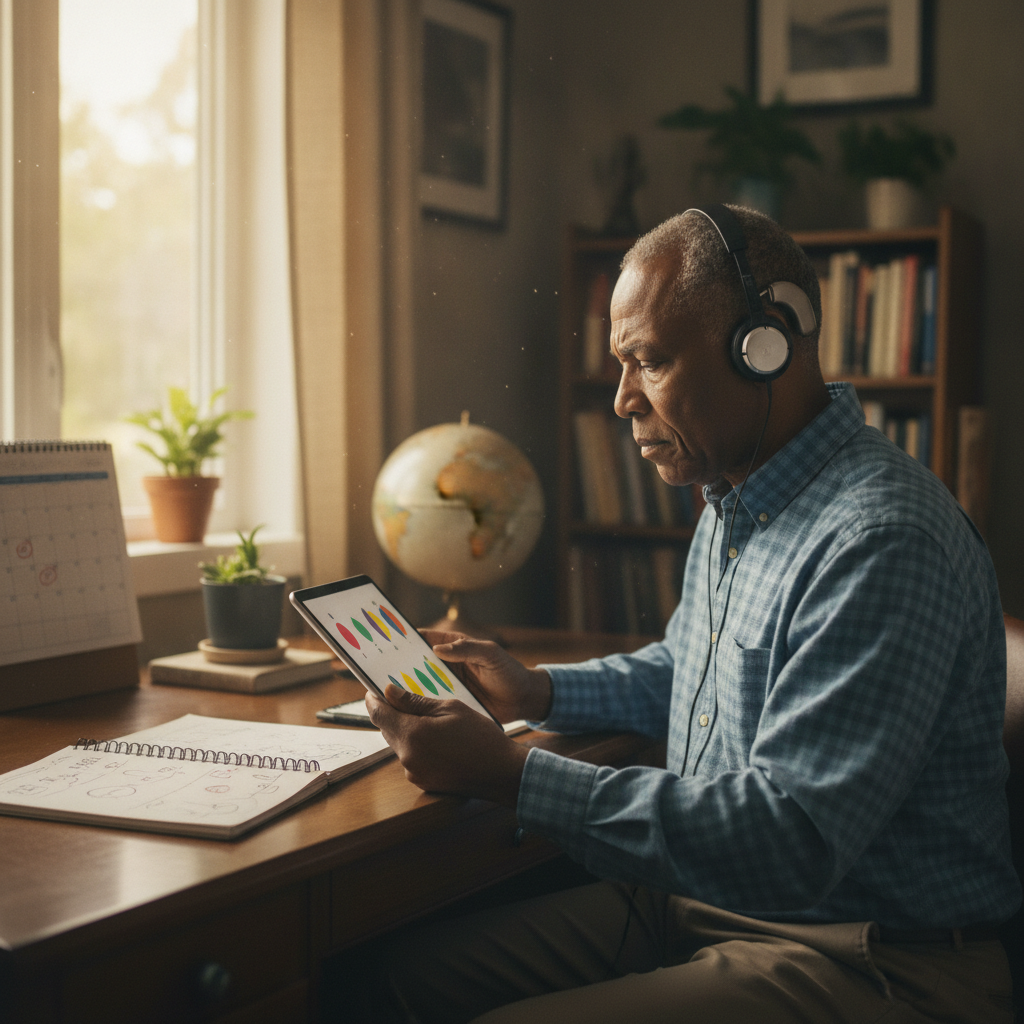
Reverse Mortgage Strategy for Cochlear Implant Journey
A lump-sum reverse mortgage works well for cochlear implant funding because costs are relatively predictable and concentrated over 12–24 months:
Upfront (Months 0–3): Pre-Op & Device
- Draw $35,000–$45,000 to cover:
- Out-of-pocket device costs ($15,000–$30,000)
- Pre-operative testing and evaluation ($2,000–$5,000)
- Travel for surgery ($2,000–$5,000)
- Initial living expenses post-surgery ($5,000–$10,000)
Post-Op Rehabilitation (Months 3–18)
- Draw $8,000–$15,000 for intensive auditory rehabilitation:
- Weekly speech-language pathology sessions ($100–$200/session × 40–50 sessions)
- Auditory training programs ($2,000–$5,000)
- Equipment adjustments and fine-tuning
Ongoing (Year 2+)
- Reserve $5,000–$10,000 for processor upgrades, battery costs, annual tuning
- Budget $1,500–$3,000/year for maintenance
Total typical reverse mortgage draw: $50,000–$70,000 over 18–24 months
Lenders like CHIP and Equitable Bank recognize cochlear implant surgery as legitimate use of reverse mortgage proceeds; they process applications relatively quickly.
Coordinating with Provincial Coverage and Disability Supports
Before borrowing, maximize provincial and disability-based support:
Ontario Health (OHIP) Coverage:
- Surgeon, anesthesia, hospital facility: 100% covered
- Device portion: Up to $35,000 covered (varies by device, hospital agreement)
- You pay the difference if device costs more
Check with your cochlear implant clinic about:
- Which devices they recommend (more expensive = better, but higher out-of-pocket cost)
- Which hospitals have OHIP agreements that cover more device cost
- Which SLP services are OHIP-funded vs. private
Disability-Related Support:
- Your child may claim cochlear implant surgery as a medical expense for Disability Tax Credit (if eligible)
- Auditory rehabilitation may qualify as a medical expense
- Consult a disability tax specialist; potential CRA refund of 15–40% of costs
Accessibility Grants:
- Some provincial accessibility programs fund hearing device-related costs; check with your disability services office
- Assistive devices programs (varies by province) may subsidize cochlear implant components
Exhaust these before using reverse mortgage.
Real Ontario Case: The Cochlear Implant Decision
Robert, 60, Toronto
- Home value: $650,000
- Adult daughter: Age 32, severe-to-profound bilateral hearing loss (post-lingually deaf at age 18 from infection)
- Worked with hearing aids for 14 years; limited progression, now struggling at work
The Problem: Cochlear implant assessment indicates candidacy. Toronto Western Hospital estimates:
- Out-of-pocket device cost: $25,000
- Auditory rehabilitation (intensive): $10,000
- Travel, testing, lost income during recovery: $5,000
- Total: $40,000
Robert's savings: $50,000 (needed for retirement). Daughter has no savings (hearing loss has impacted career progression). Family paralyzed by the cost despite clear medical benefit.
The Reverse Mortgage Solution: Robert obtains a $60,000 reverse mortgage with CHIP:
- Draws $40,000 immediately for daughter's cochlear implant, rehabilitation, and recovery living expenses
- Keeps $20,000 reserved for processor upgrades, maintenance, family emergency
- Daughter's hearing restoration unlocks career opportunities; lifetime earning potential increases significantly
Outcome: Daughter receives cochlear implant; achieves near-normal hearing through intensive therapy. Within 3 years, she's promoted to management role (hearing loss was professional barrier). Her increased income allows her to help repay her father $300/month over 5 years. Robert's reverse mortgage interest (~$3,000/year on $40,000) is manageable.
Lender Comparison for Cochlear Implant Funding
| Lender | Hearing-Related Coverage | Medical Crisis Timing | Ontario Specialist |
|---|---|---|---|
| CHIP | Yes | Good | Excellent |
| Equitable Bank | Yes | Excellent | Excellent |
| Bloom Financial | Yes | Excellent | Very Good |
| Home Trust | Limited | Moderate | Good |
CHIP and Equitable Bank have established pathways for cochlear implant funding; application timelines are typically 2–4 weeks.
Key Takeaways
- Cochlear implant surgery + auditory rehabilitation costs $50,000–$105,000+ out-of-pocket when provincial coverage gaps are included.
- Post-operative rehabilitation is critical; inadequate therapy results in poor outcomes despite successful surgery.
- A reverse mortgage funds the entire 18–24 month cochlear implant journey, enabling life-changing hearing restoration.
- Provincial coverage covers surgery but leaves substantial device and therapy costs to families.
- Maximize OHIP coverage, disability tax credits, and accessibility grants before reverse mortgage.
- CHIP and Equitable Bank offer fastest pathways for cochlear implant funding.
Frequently Asked Questions
How long does auditory rehabilitation take after cochlear implant surgery?
Initial intensive rehabilitation (weekly therapy sessions) typically runs 3–6 months. However, auditory adjustment continues for 18–24 months as the brain learns to interpret new sensory input. Many patients benefit from ongoing therapy for years. Plan both short-term intensive therapy and long-term maintenance.
Can children with congenital deafness benefit from cochlear implants?
Yes, but outcomes depend on age of implantation and quality of subsequent auditory/speech rehabilitation. Early implantation (before age 3–5) combined with intensive speech therapy offers the best outcomes. Older children and adults benefit significantly but may require longer rehabilitation. Consult a cochlear implant specialist.
Does OHIP cover all the cochlear implant device costs?
No. OHIP covers surgeon, hospital, and a portion of the device (typically $30,000–$35,000 of a $50,000–$60,000 device). You pay the difference (~$15,000–$30,000). Some hospitals negotiate better OHIP rates; ask your clinic which devices have full or higher coverage.
What's the lifespan of a cochlear implant device? Do I need to budget for replacement?
The internal implant (surgically placed inside the ear) typically lasts 20–30 years or longer. The external processor (worn behind the ear) lasts 5–7 years and requires replacement ($8,000–$15,000 each). Plan for processor replacements every 5–7 years; this is your biggest ongoing cost after the initial surgery.
Are auditory rehabilitation sessions covered by private insurance?
Some. Check your family's benefit plan; speech-language pathology may be covered up to a limit ($2,000–$5,000/year). Most private plans provide minimal cochlear implant-specific coverage. Use insurance coverage first; reverse mortgage covers gaps.
Will a cochlear implant affect my family member's employment or disability benefits?
Potentially positively. Improved hearing often enables better job performance and career advancement. Disability benefits (CPP-D, ODSP) are not reduced because of hearing restoration; in fact, improved hearing may disqualify someone from disability benefits (income increases, functioning improves). Consult disability services before implant to understand implications.
Ready to Learn More?
Find out exactly how much you could unlock from your home — free and no obligation.
Related Articles
Reverse Mortgage When Adult Child Faces Workplace Harassment: Funding Career Change and Recovery
Support your adult child leaving a hostile workplace with a reverse mortgage. Fund career transition, healing, and financial stability after workplace harassment recovery in Ontario.
Read →Reverse Mortgage When Adult Child Transitions After 30+ Year Career: Midlife Reinvention
Support your adult child leaving a decades-long career for fulfillment. Fund education, career transition, and financial stability during midlife professional pivots with a reverse mortgage.
Read →Reverse Mortgage for Paid Parental Leave When Your Adult Child's Spouse Needs Long-Term Medical Care
Use a reverse mortgage to support adult child's parental leave while spouse undergoes extended medical treatment in Ontario.
Read →