
Reverse Mortgage for Adult Child's Climate Resilience Career: Green Jobs Funding
Fund your adult child's climate and sustainability career. Invest in green job training and impact entrepreneurship.
Your adult child is passionate about climate action and sustainability but can't access financing for green job training or climate entrepreneurship. Traditional lenders don't fund "impact-first" careers (they prioritize profit maximization). A reverse mortgage lets you invest your home equity in your child's climate resilience work—funding certifications, business startups, education, or career transitions that address environmental challenges while building your family's sustainability legacy.
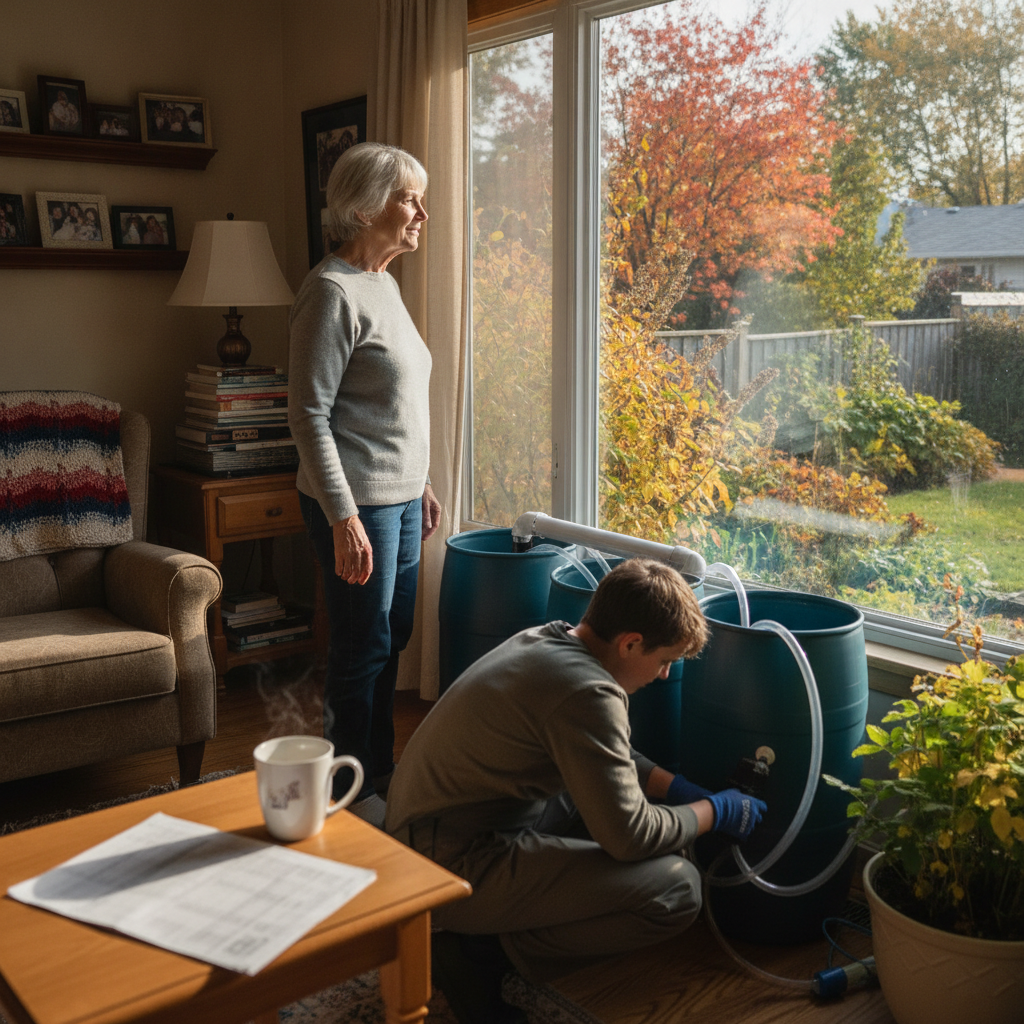
The Green Jobs Funding Gap
Climate and sustainability careers are booming—and underfunded. Between 2024–2026, Ontario added 8,000+ green jobs (renewable energy, carbon management, sustainable agriculture, climate adaptation). But the training pipeline is bottlenecked:
- Green energy certification programs: $5,000–$12,000 (solar, wind, geothermal)
- Sustainability consulting startup capital: $30,000–$80,000
- Climate-focused nonprofit leadership roles: often unpaid or low-paid
- Regenerative agriculture transition: $50,000–$150,000 equipment investment
- Carbon credit business launch: $20,000–$100,000 (auditing, certification, tech)
Banks rarely finance green careers because:
- Startups are risky (85% startup failure rate)
- Impact-first businesses sacrifice profit margins for environmental goals
- Traditional financial ROI is lower than conventional businesses
- Lenders don't understand climate market dynamics
This is where family capital shines. You're not seeking maximum financial return; you're seeking impact + reasonable financial stewardship. A reverse mortgage provides exactly this.
According to Statistics Canada, green jobs grew 12% annually (2022–2026)—twice the rate of traditional job growth. Yet 64% of young climate professionals report difficulty accessing startup capital or education financing from traditional sources.
Green Career Categories That Families Fund
Category 1: Professional Certifications & Education
| Program | Duration | Cost | Typical Employer |
|---|---|---|---|
| Solar Installation Technician Certification | 6–12 weeks | $4,000–$8,000 | Renewable energy companies |
| Carbon Accounting & ESG Auditor Certification | 3–4 months | $3,500–$7,000 | Sustainability consulting firms |
| Regenerative Agriculture Diploma | 1 year | $8,000–$15,000 | Regenerative farms, agricultural nonprofits |
| LEED Accreditation (green building) | 4–6 weeks | $2,000–$5,000 | Architecture, construction, real estate |
| Sustainable Supply Chain Management (advanced) | 6 months | $6,000–$12,000 | Corporations, supply chain logistics |
| Climate Adaptation Planning Certification | 4–6 months | $5,000–$10,000 | Municipal governments, NGOs |
Category 2: Climate-Focused Startups
| Business Model | Startup Capital | Impact Focus |
|---|---|---|
| Solar installation cooperative | $60,000–$150,000 | Community renewable energy access |
| Carbon credit verification platform | $40,000–$100,000 | Voluntary carbon market development |
| Sustainable agriculture consulting | $20,000–$50,000 | Farmer transition to regenerative farming |
| Climate adaptation design firm | $30,000–$80,000 | Home/property climate proofing |
| Green waste processing (composting/biodigest) | $50,000–$200,000 | Waste diversion + soil health |
| Indigenous-led conservation enterprise | $25,000–$100,000 | Biodiversity protection + community income |
Category 3: Career Transitions (Shifting Into Green)
| Previous Career | Green Transition | Funding Need |
|---|---|---|
| Corporate finance → Carbon accounting specialist | Certification + transition support | $8,000–$15,000 |
| Real estate agent → Green building specialist | LEED training + market repositioning | $5,000–$12,000 |
| Conventional farmer → Regenerative farming | Land transition + equipment | $50,000–$150,000 |
| Transportation logistics → EV fleet management | Certification + tech infrastructure | $20,000–$60,000 |
| Construction manager → Net-zero home builder | Certification + business repositioning | $15,000–$40,000 |
Real-World Scenario: Alex's Solar Installation Startup
Alex, 29, had worked in commercial solar sales for 4 years. He dreamed of starting his own solar installation cooperative serving low-income homeowners. The model was impact-first: offer solar to households earning <80% of area median income, at cost (no profit markup), reinvesting savings into the next installation.
Banks rejected his startup:
- "Profit margins too thin; can't support loan repayment."
- "Serves low-income market; credit risk concerns."
- "Community cooperative model is unclear financial structure."
Alex's mother, Patricia, 68, had $480,000 home equity. She understood the impact—her son would help 400+ low-income families access solar energy, eliminating $3,000–$5,000 annual energy costs for each. She accessed a reverse mortgage LoC for $150,000.
Funding structure:
- Gift: $30,000 (to Alex, no repayment expectation)
- Equity investment: $50,000 (5% ownership stake in cooperative; if successful, could appreciate to $200,000+ in 5 years)
- Family loan: $70,000 (0% interest; repaid from cooperative profits when they materialize)
- Reserved: $0 (Patricia used her full approved LoC)
Year 1 results:
- Alex's cooperative installed solar on 18 low-income homes
- Combined annual energy savings: $72,000 (families avoid utility increases)
- Cooperative revenue: $320,000 (equipment + labor at cost)
- Operational costs: $280,000
- Net income: $40,000 (reinvested into next 2025 expansion)
- Patricia's equity stake value: $140,000+ (based on revenue growth and social impact valuation)
Patricia didn't get rich from the investment, but her $50,000 equity stake appreciated meaningfully, and her son built a thriving impact enterprise. Both families benefited; the community won.
Reverse Mortgage vs Bank Financing for Green Careers
| Funding Source | Capital Available | Repayment Pressure | Impact Alignment | Best For |
|---|---|---|---|---|
| Reverse Mortgage (family) | $50,000–$250,000 | None (no monthly payments) | Perfect (family can prioritize impact) | Green startups; impact-first careers |
| Bank Business Loan | $25,000–$150,000 | Monthly payments required | Poor (profit maximization required) | High-margin green businesses only |
| Impact Investor (VC) | $100,000–$500,000 | Exit/return pressure (5–7 years) | Mixed (investor wants both profit + impact) | Scalable green tech; VC-friendly exits |
| Grants/Subsidies | $5,000–$50,000 | Reporting obligations | Excellent (impact-focused funders) | Research, demonstration projects |
| Crowdfunding | $10,000–$100,000 | Community expectations | Good (community validates impact) | Community-serving projects |
Reverse mortgage advantages for green careers: ✓ No monthly payments while adult child is building the business ✓ Can structure as gift/loan/equity hybrid (perfect for impact enterprises) ✓ Family retains control and impact alignment ✓ Tax-free capital (unlike grant income) ✓ No exit pressure (unlike venture capital) ✓ Preserves adult child's ownership/control
Structuring Reverse Mortgage Investment for Green Careers
Option 1: Pure Gift (No Repayment)
You gift $30,000–$50,000 to your child for training, certification, or initial startup costs. No expectations of repayment. Clear, simple, emotionally aligned.
Option 2: Family Loan (0% or Low Interest)
You loan $50,000–$100,000 at 0% interest, repaid only when the business becomes profitable. This gives your child time to scale without payment pressure; you eventually recover capital.
Option 3: Equity Investment
You invest $25,000–$50,000 in exchange for 3–10% ownership of the climate enterprise. If successful, your stake appreciates; if not, you've supported a meaningful venture. This is ideal if the business has realistic scaling potential.
Option 4: Hybrid (Recommended)
Combine structures:
- Gift: $20,000 (pure support, no return expectation)
- Loan: $50,000 (repaid when business is profitable)
- Equity: $30,000 (5% ownership, participates in upside)
This balances risk and impact. Even if the business fails, you've given your child a fighting chance. If it succeeds, you benefit alongside them.
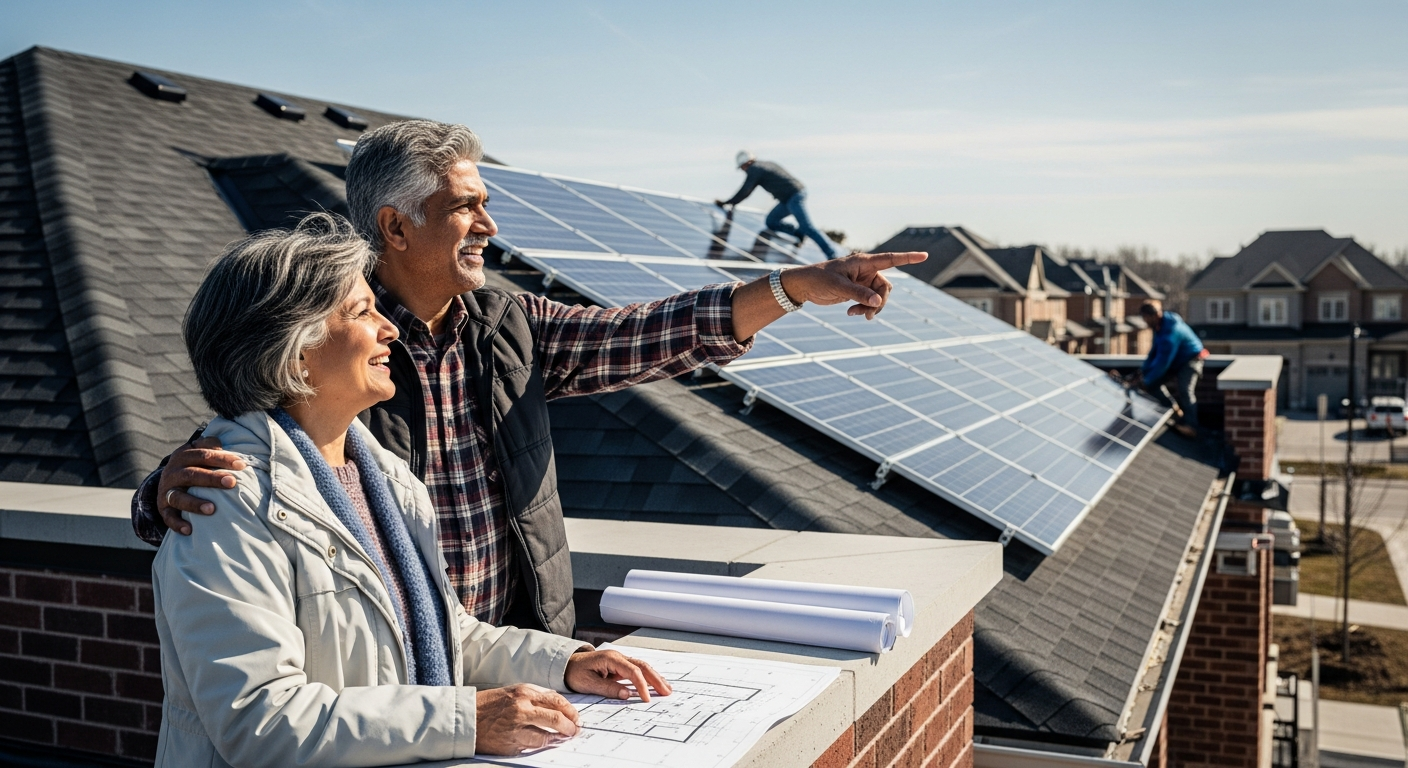
Risk Management for Climate Career Investments
Startups fail. Climate businesses are riskier than established industries because markets are emerging. Protect yourself:
1. Require a Business Plan
Your child should develop a written 3-year plan:
- Market analysis (is there demand for this climate solution?)
- Revenue model (how does the business make money?)
- Cost structure (realistic; not overly optimistic)
- Team (who's executing this? what's their track record?)
- Milestones (what proves success in Year 1, 2, 3?)
2. Set Milestones & Checkpoints
If investing $100,000+, establish milestones:
- Year 1: $200,000 revenue (if a startup) or 20 clients served (if service-based)
- Year 2: $500,000 revenue or 50 clients served
- Year 3: Profitability or sufficient scale to repay family loan
3. Formalize the Investment Agreement
Even with family, document terms:
- Amount and structure (gift/loan/equity percentage)
- If loan: repayment schedule (when it becomes due if profitable)
- If equity: how are decisions made? What's your role?
- What happens if your child wants to exit or sell?
Cost: $600–$1,200 for a family lawyer to draft a simple investment agreement.
4. Diversify—Don't Bet Everything on One Child's Venture
If you have $150,000 LoC:
- Invest $40,000–$50,000 in your child's venture (calculated risk)
- Reserve $80,000–$100,000 for your own aging needs (priority)
Never sacrifice your retirement security for your adult child's venture. The goal is mutual benefit, not self-sacrifice.
Key Takeaways
- Green jobs are booming (12% annual growth) but underfunded; banks don't finance impact-first careers.
- Climate certifications cost $4,000–$15,000; green startups need $25,000–$150,000 capital.
- Reverse mortgage provides tax-free, patient capital for your child's climate career without monthly payment pressure.
- Structuring as hybrid (gift + loan + equity) aligns family values with reasonable financial stewardship.
- CHIP, Equitable Bank, HomeEquity Bank, and Bloom Financial all approve adult child business/career funding.
- Formalized investment agreements ($600–$1,200 legal cost) protect both you and your child.
Frequently Asked Questions
What if my child's green startup fails?
If structured as a gift, it's a loss you accept. If structured as a loan, you may not recover the capital—plan for this possibility. If structured as equity, your ownership stake becomes worthless, but you don't owe additional money. Hybrid structure limits your downside risk.
Can I invest in multiple adult children's ventures?
Yes, if you have sufficient LoC ($200,000+). Diversify to reduce risk: invest 25% of your LoC in multiple children rather than 50% in one child.
Should I be involved in my child's business decisions?
Only if you have equity (ownership stake). If purely gifting or loaning, step back and let your child run the business. If you hold equity, clarify your governance role upfront (board seat, quarterly updates, etc.).
What if my child's climate business becomes very profitable?
Congratulations! Your equity stake appreciates. If structured as a loan, you're repaid (and can reinvest in other priorities). If pure gift, you gift them your blessing and support.
Can I claim a business loss if my child's startup fails and I invested?
Potentially, if structured as a formal investment with documentation. Consult your accountant. Pure family gifts are not deductible; formal loans/equity investments may have tax treatment options.
Should I require my child to teach me about climate solutions their business addresses?
Yes! This transforms investment into a learning opportunity. Your child becomes your teacher; you understand their passion and impact firsthand. This deepens family alignment.
Invest in your adult child's climate solutions. Build a green family legacy. Get your free Ontario Reverse Mortgage Guide →
Ready to Learn More?
Find out exactly how much you could unlock from your home — free and no obligation.
Related Articles
Funding a Family Business with a Reverse Mortgage: Living Legacy Strategy
Use a reverse mortgage to invest in your adult child's business or buy them into an existing family enterprise. Understand the mechanics, tax implications, and family dynamics.
Read →Reverse Mortgage for DEI Consulting Practice: Launching Diversity, Equity, and Inclusion Consulting in Retirement
Start a diversity and inclusion consulting practice. Help corporations and nonprofits build equitable cultures; reverse mortgage funds training, business setup, and market entry.
Read →Reverse Mortgage for Residential Sustainability Auditing Practice: Certifying Aging in Place
Launch a professional home energy and sustainability auditing business. Help Ontario homeowners certify efficiency; reverse mortgage funds training, tools, and market entry.
Read →