
Reverse Mortgage When the Caregiver Gets Sick: Protecting Your Health When You're Supporting Others
Learn how to use a reverse mortgage to invest in your own preventive health and recovery when you're an aging caregiver sacrificing your own wellness to support others.
The Caregiver's Paradox: Everyone's Health Except Your Own
You're 68 years old, and you've been your aging mother's primary caregiver for the past 6 years. You know her medications, her doctor's appointments, her physical therapy schedule, her dietary restrictions better than anyone. You've sacrificed career flexibility, social activities, and personal health investments to keep her safe, independent, and cared for.
But your own health? It's been neglected.
You haven't had a physical in 3 years. Your back pain from lifting and transfers has become chronic. You're on three anxiety medications for stress-related conditions. Your dentist says you need $8,000 in overdue work. Your own doctor quietly mentions your blood pressure and weight.
The cruel reality: Many aging caregivers sacrifice their own health so completely that they become sick themselves—sometimes seriously—while still trying to care for their aging parents or spouses.
A reverse mortgage can break this cycle by investing in YOUR health while you're still strong enough to recover and prevent worse problems later.
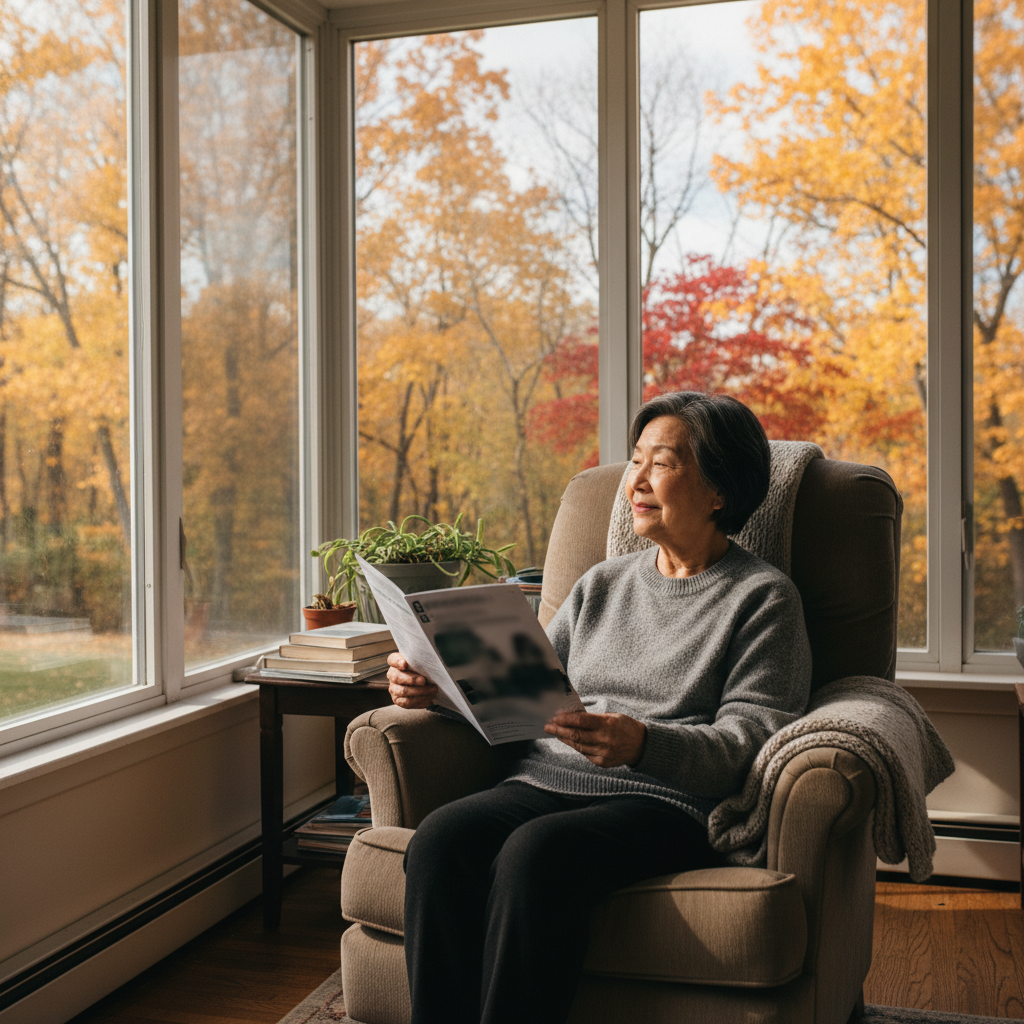
The Hidden Health Crisis Among Aging Caregivers
The Statistics: Caregiver Health Decline
Research shows aging caregivers (55+) caring for aging parents or spouses experience:
- 50% higher depression rates compared to non-caregivers
- 40% higher anxiety and stress-related disorders
- 35% greater decline in physical health over 5 years
- Increased heart attack and stroke risk (especially in men)
- Chronic pain conditions (back, neck, shoulders from physical care work)
- Sleep disruption and insomnia (from stress and on-call caregiving)
- Immune system suppression (more frequent infections, slower healing)
- Accelerated cognitive decline if caregiving becomes isolating
Many aging caregivers don't realize their health is deteriorating until a crisis hits: heart attack, serious fall, mental health breakdown, or physical collapse from stress and exhaustion.
The Vicious Cycle
- You sacrifice your own care to support your parent/spouse
- Your health deteriorates (chronic pain, anxiety, high blood pressure)
- You still can't stop caregiving because you're now their only option
- Your health problems make caregiving harder and more stressful
- Both you and the person you're caring for suffer worse outcomes
Breaking this cycle requires intentional investment in your OWN preventive health—before crisis hits.
The Cost of Not Investing in Your Health Now
If you ignore your health as a caregiver:
- Back pain becomes a disc herniation ($15,000+ surgery)
- Anxiety becomes clinical depression requiring hospitalization ($10,000+ crisis care)
- Neglected dental work becomes lost teeth and bone loss ($20,000+ restoration)
- High blood pressure becomes stroke ($100,000+ recovery)
- Sleep deprivation becomes cognitive decline and earlier dementia risk
Investing $10,000–$20,000 in preventive health NOW costs far less than the crisis care later.
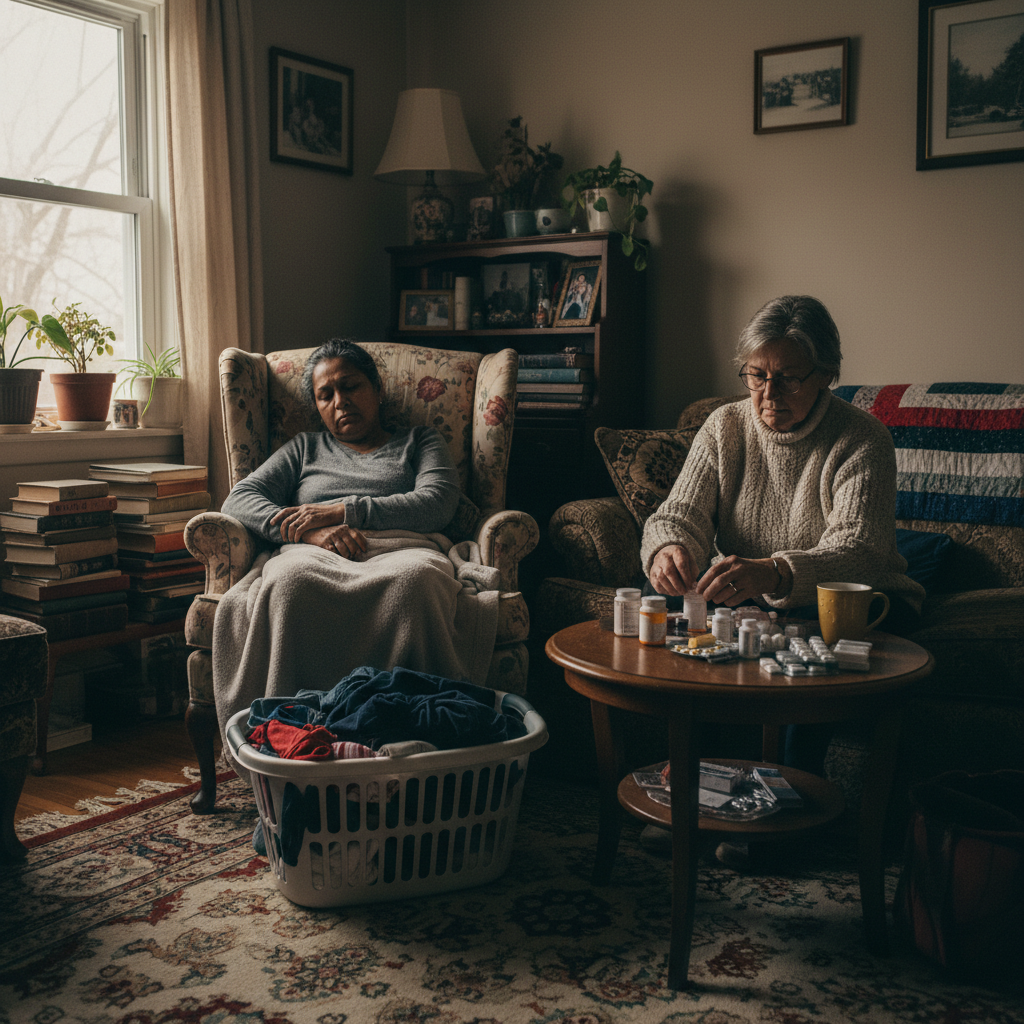
Health Investments Aging Caregivers Need But Can't Afford
Physical Health: The Caregiving Toll
| Health Need | Cost | Why It Matters |
|---|---|---|
| Chronic pain management (physical therapy, massage, chiropractor) | $2,000–$5,000/year | Prevents escalation to surgery |
| Preventive dental work (cleaning, crown, bridge) | $2,000–$8,000 | Prevents tooth loss and infection |
| Vision care and updated glasses/contacts | $500–$2,000 | Safety in driving, falls prevention |
| Physical therapy for back/shoulder injury from caregiving | $2,000–$4,000 | Restores function, prevents worsening |
| Ergonomic home modifications (caregiver supports) | $1,500–$4,000 | Protects your back while caring for others |
| Sleep study and sleep disorder treatment | $1,000–$3,000 | Improves mood, immune function, cognition |
| Preventive health screenings (colonoscopy, mammogram, cardiovascular) | $500–$2,000 | Catches problems early |
Mental Health: The Invisible Crisis
| Health Need | Cost | Why It Matters |
|---|---|---|
| Therapy/counseling (weekly for 3–6 months) | $2,000–$5,000 | Prevents depression and burnout |
| Psychiatric medication management (psychiatrist vs GP) | $1,000–$2,000/year | Better outcomes than GP management |
| Mindfulness-based stress reduction programs | $400–$800 | Proven to reduce caregiver anxiety |
| Caregiver support groups (professional facilitation) | $600–$1,200 | Reduces isolation and normalizes struggle |
| Crisis mental health support/emergency counseling | $2,000–$5,000 if needed | Prevents complete breakdown |
| Respite care funding (so you can have breaks) | $3,000–$6,000/month | Essential for caregiver sustainability |
Lifestyle Health: The Caregiving Prevention
| Health Need | Cost | Why It Matters |
|---|---|---|
| Fitness training adapted for your age/limitations | $1,000–$3,000 | Maintains strength for caregiving work |
| Nutrition/meal delivery service (reducing stress) | $2,000–$4,000/year | Better nutrition = better health resilience |
| Meditation or yoga classes | $500–$1,200 | Stress management with proven benefits |
| Social connection programs (travel, classes) | $1,000–$2,000 | Combats caregiver isolation |
Total preventive health investment needed: $8,000–$25,000+ depending on your specific health gaps
Most aging caregivers can't access this from their retirement income without significant sacrifice.
Scenario: David, 70, Caregiver for His Wife With Dementia
David has been caring for his wife Sarah, 69, who developed early-onset dementia 5 years ago. He manages her medications, her behavioral changes, her safety (she wanders), and coordinates with doctors. His adult children help part-time, but David is the daily caregiver.
His own health has declined significantly:
- Chronic back pain from transferring Sarah and preventing falls
- Anxiety and sleep disruption (hypervigilant about Sarah's nighttime wandering)
- Untreated dental problems (hasn't seen dentist in 5 years)
- High blood pressure only partially managed by medication
- Social isolation (can't leave Sarah; doesn't have consistent respite care)
- Weight gain and deconditioning from stress eating and not exercising
David's doctor pulled him aside: "Your health is declining. You won't be able to care for Sarah if you have a heart attack or stroke. You need to invest in YOUR health too."
The Problem: David's retirement income is $3,500/month (pension + CPP). After supporting Sarah's care costs, he has little left for his own health investments. His adult children offered to help, but he refused—"Your money, your responsibility" is his mentality.
The Reverse Mortgage Solution:
- Reverse mortgage on their $520,000 home: approximately $156,000 available
- Funds allocated for David's own health investment: $20,000
- Back pain management and physical therapy: $3,500
- Mental health therapy and sleep disorder assessment: $4,000
- Dental restoration: $5,000
- Respite care funding (regular breaks from caregiving): $3,500
- Fitness training and wellness programs: $2,000
- Remaining available credit: ~$136,000 (for future care needs, Sarah's evolving care, emergencies)
- No monthly payments; David and Sarah stay in their home
The Outcome: David invests in his own health intentionally. His physical therapy resolves much of his back pain, making caregiving easier. Therapy helps him process the stress of his situation and connect with other dementia caregivers. His dental work is completed. His blood pressure improves with exercise and stress reduction. He arranges respite care once a week, creating necessary breaks.
Most importantly: David's health stabilizes and improves. He becomes a better, more sustainable caregiver for Sarah because he's investing in his own wellness. And if his health circumstances change, he has available reverse mortgage credit to manage both his needs and Sarah's.
Health Screening for Aging Caregivers: What You Probably Need
Ask yourself:
- Physical: Do you have chronic pain, arthritis, back/neck problems from caregiving work? Have you had a physical in 2+ years? Do you have unresolved dental issues? Can you walk 30 minutes without significant fatigue?
- Mental: Do you feel depressed, anxious, or persistently sad? Are you sleeping well? Do you feel isolated? Do you have anyone to talk to about your struggles?
- Preventive: Have you had cancer screenings (mammogram, colonoscopy) as recommended for your age? Is your blood pressure controlled? Do you know your cholesterol?
- Lifestyle: Are you exercising regularly? Eating well? Having social connection outside of caregiving? Getting respite breaks?
If you answered "no" or "not recently" to multiple questions, you need a reverse mortgage-funded health investment.
Structuring Your Reverse Mortgage for Caregiver Health
Recommended: Combination Approach
- Immediate: $15,000–$20,000 for urgent health needs (dental, back pain, mental health)
- Ongoing: $3,000–$5,000/year reserved for respite care, therapy, preventive services
- Reserve: Remaining credit available for healthcare emergencies or care escalation
Timeline
- Month 1: Comprehensive health assessment (doctor, dentist, therapist evaluations)
- Month 2-3: Address urgent issues (dental work, mental health crisis support, pain management)
- Month 4-6: Ongoing therapy, physical therapy, fitness training
- Month 7+: Maintenance and respite care funding
Communicating With Your Family About Caregiver Health Investment
Your adult children may not understand why you're investing in YOUR health while caregiving for their grandparent/other parent. Be explicit:
"I'm using my home equity to invest in my own health because:
- I can't sustain caregiving if my health fails
- My health crisis would be worse for everyone (especially [person I'm caring for])
- Preventive health investment now costs less than crisis care later
- You need me healthy and functioning, not burned out and sick
- This is sustainable caregiving, which requires taking care of myself"
This isn't selfish. It's essential.
Preventing Caregiver Health Crisis: The Reverse Mortgage as Prevention
Don't wait for crisis. If you're an aging caregiver:
Red flags that you need immediate health investment:
- Back or shoulder pain from physical caregiving work
- Sleep problems or constant fatigue
- Persistent anxiety, sadness, or mood changes
- Dental problems getting worse
- Weight gain or loss
- Your doctor expressing concern about your health
- Isolation and loss of social connection
- Feeling resentful or burned out
Use a reverse mortgage to:
- Get mental health support BEFORE crisis
- Address chronic pain BEFORE it becomes disabling
- Maintain fitness and strength WHILE caregiving
- Fund respite care REGULARLY, not just emergencies
- Prevent health decline through intentional investment
Key Takeaways
- Aging caregivers report roughly 50% higher depression rates and 35% greater physical health decline over five years compared to non-caregivers.
- A typical caregiver health investment plan ranges from $8,000–$25,000, covering physical, mental, and preventive care needs.
- Preventive care (e.g., $2,000–$5,000 in physical therapy) is far cheaper than crisis care later (e.g., $15,000+ for disc herniation surgery or $100,000+ for stroke recovery).
- Reverse mortgages require every title holder to be at least 55, and typically unlock 15%–59% of home value with no monthly payments.
- Respite care, often $3,000–$6,000/month, is one of the highest-impact investments for preventing full caregiver burnout.
- Reverse mortgage proceeds are tax-free and don't affect OAS, GIS, or CPP eligibility, making them a practical funding source for a fixed-income caregiver.
Frequently Asked Questions
Will using a reverse mortgage for my own health affect my OAS or GIS benefits?
No. Reverse mortgage proceeds are considered a loan, not income, so they are tax-free and do not count against OAS, GIS, or CPP eligibility. This makes it a practical way to fund your own care without jeopardizing other retirement benefits.
How much of my home equity can I access for health-related expenses?
Most Ontario homeowners aged 55 and older can access roughly 15% to 59% of their home's appraised value, with the exact amount depending on your age, home value, and location. Older borrowers typically qualify for a higher percentage.
Do I need good credit or provable income to qualify?
No. Reverse mortgages are approved primarily based on your age, the appraised value of your home, and your equity position—not your income or credit score. This makes them accessible to caregivers whose income may be limited or irregular.
What happens to the reverse mortgage if I need to move into care myself?
The loan becomes due when the last remaining borrower sells the home, passes away, or permanently moves out (typically defined as longer than 12 months). At that point, the home is sold or refinanced to repay the balance, and any remaining equity goes to you or your estate.
Can I use reverse mortgage funds for ongoing therapy, not just a one-time expense?
Yes. Many caregivers structure their draw as a combination: an upfront amount for urgent needs like dental work or physical therapy, plus a smaller ongoing reserve drawn over time for continuing therapy, respite care, or preventive checkups.
Is it really okay to use my home equity on myself instead of my care recipient?
Yes. Reverse mortgage funds are your equity to use as you see fit. Investing in your own health protects your ability to keep caregiving safely and sustainably, which ultimately benefits the person you're caring for as well.
Next Steps: Caregiver Health as Priority
- Get a comprehensive health assessment (physician, dentist, mental health professional)
- Identify your health gaps and costs (what do you actually need?)
- Research respite care options in your area (essential for caregiver sustainability)
- Get a reverse mortgage pre-qualification to understand available equity
- Make an intentional health investment plan for yourself
- Schedule your health work (dental, therapy, physical therapy)
- Arrange respite care so you have regular breaks
- Monitor your health progress and adjust as needed
- Tell your family what you're doing and why
The Bottom Line
You are not selfish for investing in your own health while caregiving for others. You are not abandoning your responsibility. You are making sure you can sustain that responsibility without destroying yourself.
Your home's equity can work to protect your health so that you can protect theirs. A reverse mortgage transforms caregiver health from a luxury into a necessity.
Take care of yourself so you can take care of them. That's not selfish. That's wisdom.
Ready to Learn More?
Find out exactly how much you could unlock from your home — free and no obligation.
Related Articles
Reverse Mortgage for Aging in Place With Fibromyalgia: Home Modifications for Invisible Illness
Fund home modifications for aging with fibromyalgia. Reverse mortgage enables accessible design for pain management, energy conservation, and quality of life.
Read →Reverse Mortgage for Accessible Community Kitchen: Culinary Training and Aging in Place
Convert your home kitchen into an accessible commercial culinary training space. Reverse mortgage funds renovation while creating community impact.
Read →Reverse Mortgage When You Previously Gifted Home Down Payment to Adult Child: Reclaiming Equity for Aging in Place
Reverse mortgage strategy when aging in place after gifting down payment to adult child. Recover equity for home modifications and care.
Read →