
Reverse Mortgage for Your Bucket List Before Cognitive Decline: Living Fully Before Limits
Don't wait for retirement to shrink around you. Fund your bucket list now while you can travel, pursue passions, and create memories—before cognitive or physical limits emerge.
You have $600,000 in home equity. You're 72, healthy, and relatively active. But you also know: your parents' health declined rapidly after 75. By 78, they weren't traveling. By 82, they weren't leaving home. You've been "saving" your dreams for retirement—but what if cognitive decline or mobility loss makes those dreams impossible before you retire? A reverse mortgage lets you fund your bucket list now, while you're able to fully enjoy it, rather than leaving it to a future that may never come or that may look very different than you imagined.
The Regret Timeline: Why Waiting for "Later" Costs You Your Dreams
Aging follows patterns. Most people decline gradually, then sometimes rapidly:
| Age | Typical Health Status | Travel Capacity | Cognitive Function | Real Bucket-List Window |
|---|---|---|---|---|
| 65–70 | Mostly healthy; minor issues emerging | Full capacity—can travel internationally, hike, be spontaneous | Sharp; clear decision-making | Wide open; do everything |
| 70–75 | Some mobility issues; energy declining | Still good—domestic travel, guided tours, shorter trips | Mostly clear; slight memory issues | Still accessible but getting narrow |
| 75–80 | Significant mobility loss; one or more chronic conditions | Limited—day trips, wheelchair-accessible travel, short flights | Decline accelerating; memory loss noticeable | Very narrow; complex travel difficult |
| 80–85 | Major mobility loss; multiple conditions; possible cognitive decline | Minimal—local outings only | Memory loss significant; decision-making compromised | Essentially closed |
| 85+ | Significant decline; palliative focus | Home-bound or medical facility bound | Likely mild to moderate dementia | Closed |
The hard truth: Most people have a 5–10 year window (ages 65–75) where they can actually do their dreams. After 75, the window narrows dramatically. After 80, it's mostly closed.
According to research in The Gerontologist, people with moderate cognitive decline (ages 76–82) report significantly lower quality-of-life satisfaction, less frequent travel, and higher regret about deferred dreams. The regret peaks in the 78–83 age range—when travel is no longer feasible.
Most people spend their 65–75 years "saving," then realize at 76 they can't actually use their savings because they're no longer able to travel, pursue passions, or engage in experiences.
A reverse mortgage flips this: Access your home equity now to fund your dreams while you can do them.
Understanding Your Real "Active Aging Window"
Personal Assessment
Ask yourself:
- At what age did your parents start having mobility, cognitive, or health challenges?
- Do you have any current health issues that might accelerate decline (diabetes, heart disease, early memory loss)?
- How active/mobile are you right now compared to last year?
This isn't doom-saying; it's realistic planning.
If your parents started declining at 76, you might reasonably expect similar. If you're seeing early cognitive changes now, your window may be narrower than you think.
Your Realistic Bucket-List Timeline
- Ages 65–72: Full-capacity travel and experiences (do everything)
- Ages 72–78: Moderate-capacity travel and experiences (domestic, guided, shorter)
- Ages 78–85: Limited-capacity local and family-based experiences
- Ages 85+: Home/care-facility based
If you're 72 now, your "full-capacity" window closes at roughly 78. That's 6 years.
Most people don't realize this until it's too late.
Bucket-List Categories and Reverse Mortgage Funding
Category 1: Travel & Exploration ($30,000–$80,000)
Dream trips you've deferred:
| Trip Type | Cost | Reverse Mortgage Allocation | Notes |
|---|---|---|---|
| International heritage travel (Europe, Asia, ancestral homeland) | $8,000–$15,000 per trip | $30,000–$50,000 for 3–4 international trips | Book now; skip luxury resorts (unnecessary expense) |
| Adventure travel (African safari, Galápagos, hiking tours) | $6,000–$12,000 per trip | $20,000–$30,000 for 2–3 adventures | Book soon; mobility-dependent activities now, not at 80 |
| Domestic road trips (cross-Canada, national parks, regional exploration) | $2,000–$5,000 per trip | $10,000–$15,000 for multiple road trips | Can defer slightly; more accessible at 80 if short/accessible |
| Travel with grandchildren (family reunions, heritage trips) | $5,000–$12,000 per trip | $15,000–$25,000 for family travel | Book now; shared memory-making before grandkids are adult |
| Guided educational tours (history, culture, archaeology) | $4,000–$10,000 per tour | $12,000–$20,000 for 2–3 educational travels | More accessible format for aging travelers |
Total travel bucket allocation: $30,000–$80,000 (achievable in your 72–78 window)
Category 2: Creative Pursuits & Learning ($10,000–$40,000)
Dreams you've deferred due to "practicality":
| Pursuit | Cost | Reverse Mortgage Allocation | Notes |
|---|---|---|---|
| Arts education (painting, pottery, sculpture classes) | $3,000–$8,000/year | $15,000–$25,000 for 3–5 years of study | Start now; long-term creative engagement sustains cognition |
| Music training (piano, guitar, voice lessons for re-learning) | $2,000–$5,000/year | $10,000–$20,000 for 3–5 years | Takes time to progress; start early in your window |
| Writing/memoir project (hiring editor, publishing, documentation) | $5,000–$15,000 | $10,000–$15,000 for full project | Capture your life stories while memory is sharp |
| Photography hobby (equipment, travel, exhibition) | $3,000–$10,000 | $8,000–$15,000 | Captures experiences; portable; can do longer |
| Language learning (French, Spanish, Mandarin immersion or tutoring) | $2,000–$6,000/year | $10,000–$15,000 for years of study | Cognitively stimulating; build long-term project |
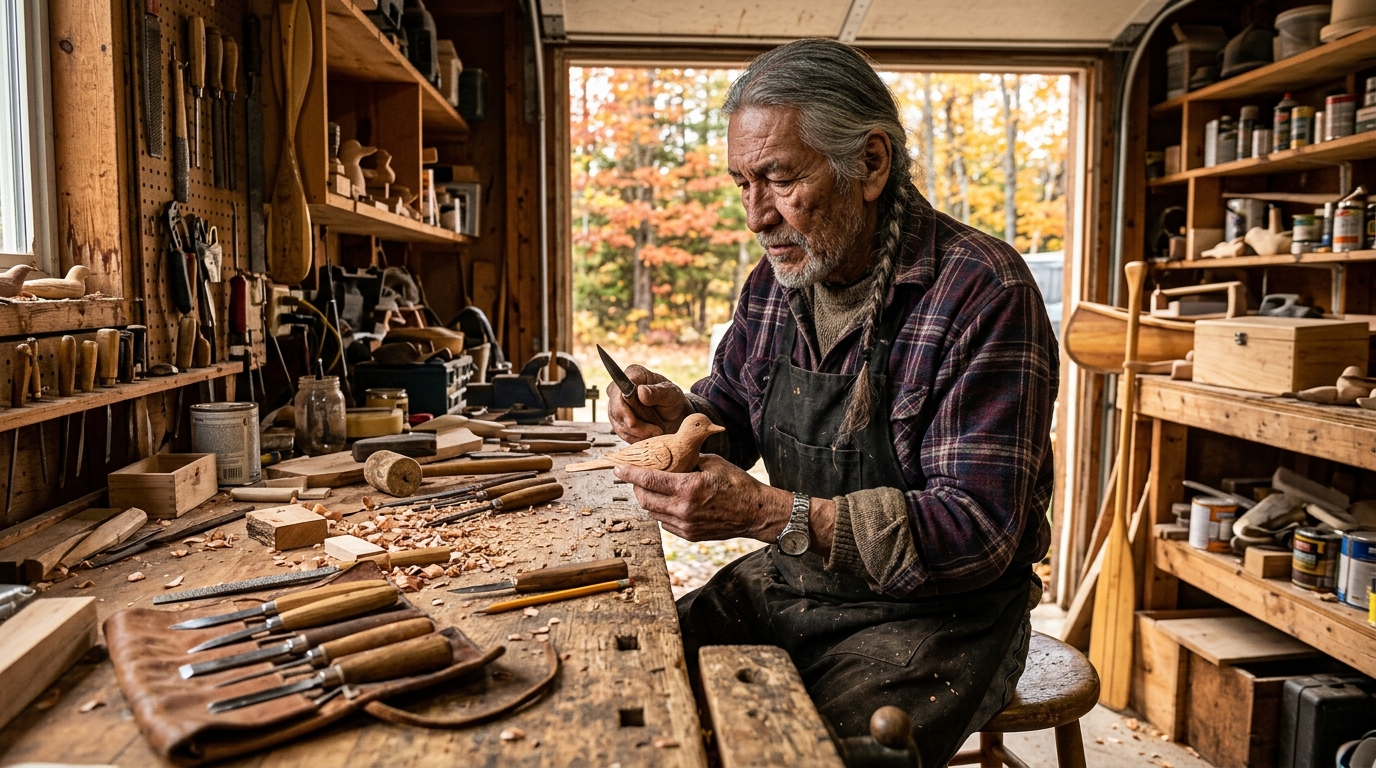
| Certified hobby business (woodworking, jewelry-making with income goal) | $5,000–$15,000 | $15,000–$20,000 for equipment + training | Gives structure and purpose; potential income |
Total creative/learning allocation: $10,000–$40,000
Category 3: Legacy & Giving Experiences ($10,000–$50,000)
Creating memories and experiences with loved ones:
| Experience | Cost | Reverse Mortgage Allocation | Notes |
|---|---|---|---|
| Family reunion hosting (large gathering at your home or rented space) | $5,000–$15,000 | $10,000–$20,000 for 2–3 major reunions | Create shared family memories before you can't host |
| Educational funding for grandchildren experiences (gap year, study abroad, camps) | $3,000–$10,000 per grandchild | $15,000–$30,000 for multiple grandchildren | Fund experiences that shape their lives; see impact |
| Mentorship/wisdom-sharing projects (structured mentoring, family documentaries, oral histories) | $2,000–$8,000 | $8,000–$12,000 for professional documentation | Capture wisdom; leave intentional legacy |
| Charitable impact travel (mission trips, volunteer work abroad) | $4,000–$10,000 per trip | $8,000–$15,000 for service travel | Purpose-driven travel; make direct impact before age limits you |
| Dream celebration event (renewal of vows, milestone birthday party, legacy celebration) | $3,000–$10,000 | $5,000–$10,000 for meaningful celebration | Gather loved ones; celebrate yourself before you can't |
Total legacy/experience allocation: $10,000–$50,000
The Reverse Mortgage Bucket-List Model
Step 1: Identify Your Priorities (Age 70–72)
List your top 10 bucket-list items. Categorize by:
- What you must do in next 5–7 years (travel, physical adventures)
- What you can do over longer timeline (learning, creative pursuits)
- What creates meaningful legacy (giving, sharing, memory-making)
Step 2: Calculate Total Cost
Using the categories above:
- Travel: $30,000–$80,000
- Creative/learning: $10,000–$40,000
- Legacy/giving: $10,000–$50,000
- Total bucket-list fund: $50,000–$170,000
Step 3: Access Reverse Mortgage
- Home value: $500,000–$700,000
- Equity: $400,000–$600,000
- Access lump sum: $100,000–$150,000 (conservative)
- Place in conservative investment earning 4–5%
Step 4: Draw Annually or As-Needed
- Years 1–3 (ages 72–75): Draw $25,000–$40,000/year for travel, experiences, learning
- Years 4–7 (ages 75–78): Draw $20,000–$30,000/year as capacity changes
- Years 8+ (ages 78+): Reserve remaining funds for quality-of-life expenses as mobility decreases
Psychology shift: You're not "spending down" your home equity recklessly. You're investing in your life quality and legacy during your active window. The alternative is to spend those years stressed about money, isolated, and deferred—then run out of active years anyway.
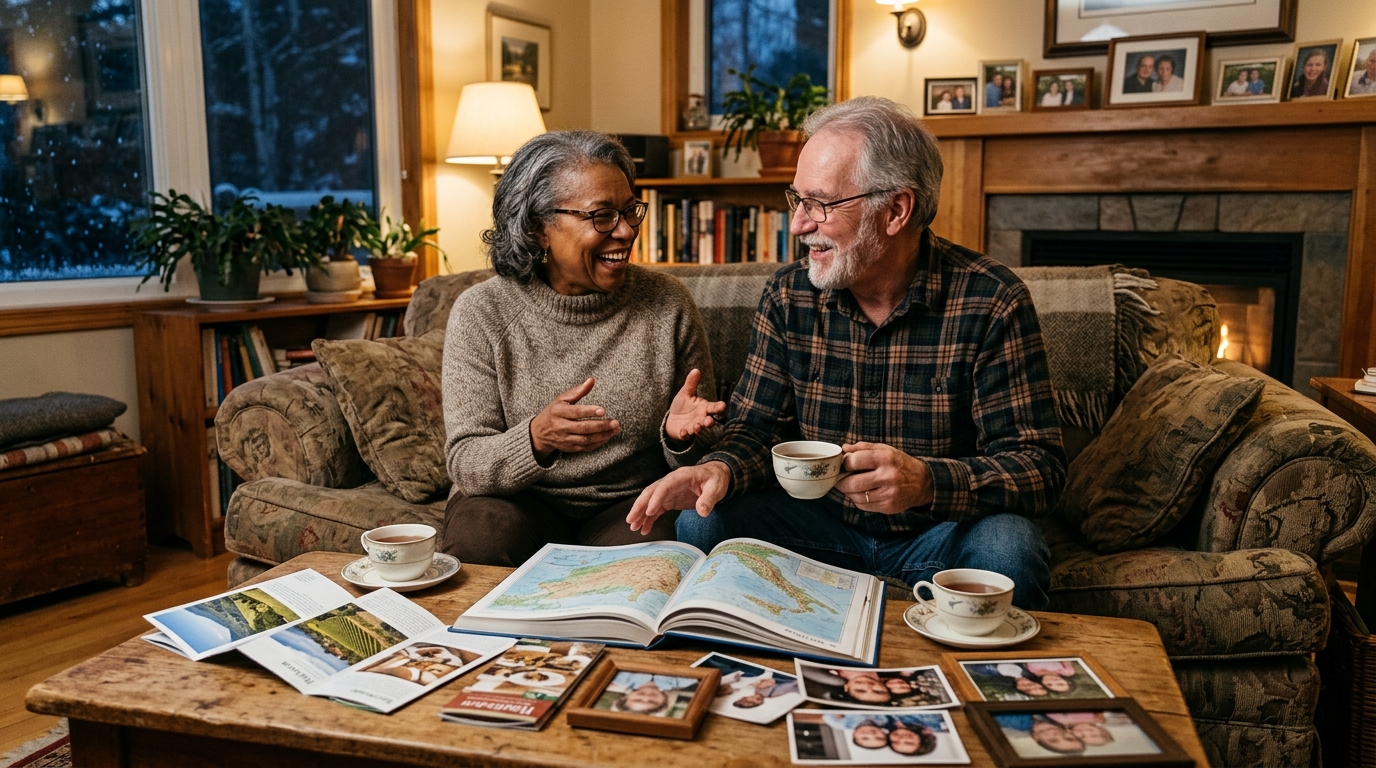
Sample Budget: A Fulfilling Bucket-List Life
72-year-old accessing $120,000 reverse mortgage for bucket-list funding:
| Year | Age | Draw | Allocation | Activity |
|---|---|---|---|---|
| 1 | 72 | $35,000 | $20,000 travel + $10,000 art classes + $5,000 family trip | Europe trip + start painting; bring grandchildren to heritage location |
| 2 | 73 | $25,000 | $12,000 travel + $8,000 creative + $5,000 memoir project | South America adventure; continue art classes; hire editor for memoir |
| 3 | 74 | $30,000 | $15,000 travel + $10,000 learning + $5,000 legacy celebration | Family reunion; language immersion course; celebrate 50 years of marriage |
| 4 | 75 | $15,000 | $8,000 domestic travel + $5,000 creative continuation + $2,000 family experiences | Regional road trip; art exhibition of own work; grandchild educational trip funded |
| 5 | 76 | $10,000 | $5,000 travel + $3,000 hobby/creative + $2,000 local experiences | Weekend trips; finish creative projects; host mentorship gatherings |
| 6–7 | 77–78 | $5,000/year | Local experiences, social connection, quality of life | Shift from ambitious travel to meaningful local experiences |
Outcome: By age 78, you've lived fully, traveled internationally, pursued creative dreams, created lasting family memories, and documented your legacy—while you were capable of enjoying it all.
Compare to: Spending ages 72–78 "saving" and cautious, then realizing at 79 you can't travel anymore. Regret for 10+ years.
Key Takeaways
- Most people have a realistic 5–10 year window (ages 65–75) where they can do full-capacity travel and experiences; after 75, mobility, health, or cognitive decline make complex experiences impossible
- The biggest regret in aging is not bold dreaming; it's deferring dreams too long and losing the window to achieve them
- A reverse mortgage accessed in your early 70s funds bucket-list experiences while you're still capable—travel, creative pursuits, legacy building—transforming your later years from isolated scarcity to engaged abundance
- The cost of a bucket-list life ($ 50,000–$170,000 over 5–7 years) is less than many people spend on long-term care facilities ($ 60,000–$100,000/year for 5–10 years)
- A fulfilling life with purpose, adventure, and legacy creates psychological resilience that sustains you when mobility or cognition does decline
- CHIP, HomeEquity Bank, and Equitable Bank offer reverse mortgages designed to fund exactly this: active-aging fulfillment before decline
Frequently Asked Questions
Am I being reckless if I spend down my home equity on travel instead of "saving for long-term care"?
No—this is actual financial wisdom. Long-term care is 5–15 years away (if needed). Travel and experiences improve health, cognition, and longevity now. Quality-of-life spending often delays long-term care need. Plus, many people don't need long-term care; many die in their homes. The safer bet is to enjoy your active years fully, not save for a scenario that may not happen.
What if I spend my bucket-list funds and then live longer than expected?
Reverse mortgage line of credit solves this. Instead of lump sum, establish a LOC and draw as you go. If you live longer, you have remaining funds. If you pass sooner, unused funds go to your estate. You maintain flexibility and don't "waste" funds you won't use.
How do I balance bucket-list living with supporting my adult child?
Set boundaries. Communicate clearly: "I'm using $100,000 for my own dreams now. I have $50,000 remaining for family support if genuine crisis occurs." Most adult children respect parents who prioritize their own fulfillment; they actually resent parents who sacrifice everything and then expect compensation later.
Will my bucket-list spending affect my government benefits (OAS, GIS)?
No, because reverse mortgage is a loan, not income. Spending loan proceeds doesn't trigger OAS clawbacks or affect GIS eligibility. However, if you invest the funds and they earn interest, that interest is income and may affect GIS. Work with an accountant to optimize.
What if travel becomes impossible due to COVID-type restrictions again?
Good point—build flexibility into your bucket list. Include domestic, accessible alternatives to international travel. Invest in creative pursuits and learning that don't require travel. The goal is bucket-list experiences, not specific trips. Adaptability keeps you fulfilled even if external circumstances shift.
Ready to stop deferring your dreams? Work with Rick Sekhon Reverse Mortgages to access home equity for the life you actually want to live now.
Ready to Learn More?
Find out exactly how much you could unlock from your home — free and no obligation.
Related Articles
Reverse Mortgage for Aging Parent's Late-Life Professional Certification: Pursuing Career Recognition in Retirement
Funded your career on passion but never earned the official credential. A reverse mortgage pays for professional certification or degree completion in retirement.
Read →Passing the Family Business While Alive: Reverse Mortgage as Co-Investment in Adult Child's Succession
Adult child ready to buy family business. Reverse mortgage co-invests in succession, gifts equity while you thrive.
Read →Reverse Mortgage for Aging Parent's Professional Career Legacy Documentation
Preserve your aging parent's work life impact. Fund professional video, interviews, and archives documenting their career achievements and industry contributions.
Read →