
Reverse Mortgage for Blended Family Estate Fairness: Protecting Stepchildren
Navigate blended family estate planning with a reverse mortgage. Ensure fairness between biological and stepchildren in Ontario.
How do you ensure fairness between biological children and stepchildren when writing your will and managing home equity? Blended families create unique estate planning challenges. One spouse may have children from previous relationships; the couple may have children together. When the primary breadwinner passes away, home equity becomes contested. A reverse mortgage can resolve blended family disputes by allowing you to gift equity fairly to all children while you're alive, ensuring clarity and reducing will contests after death.
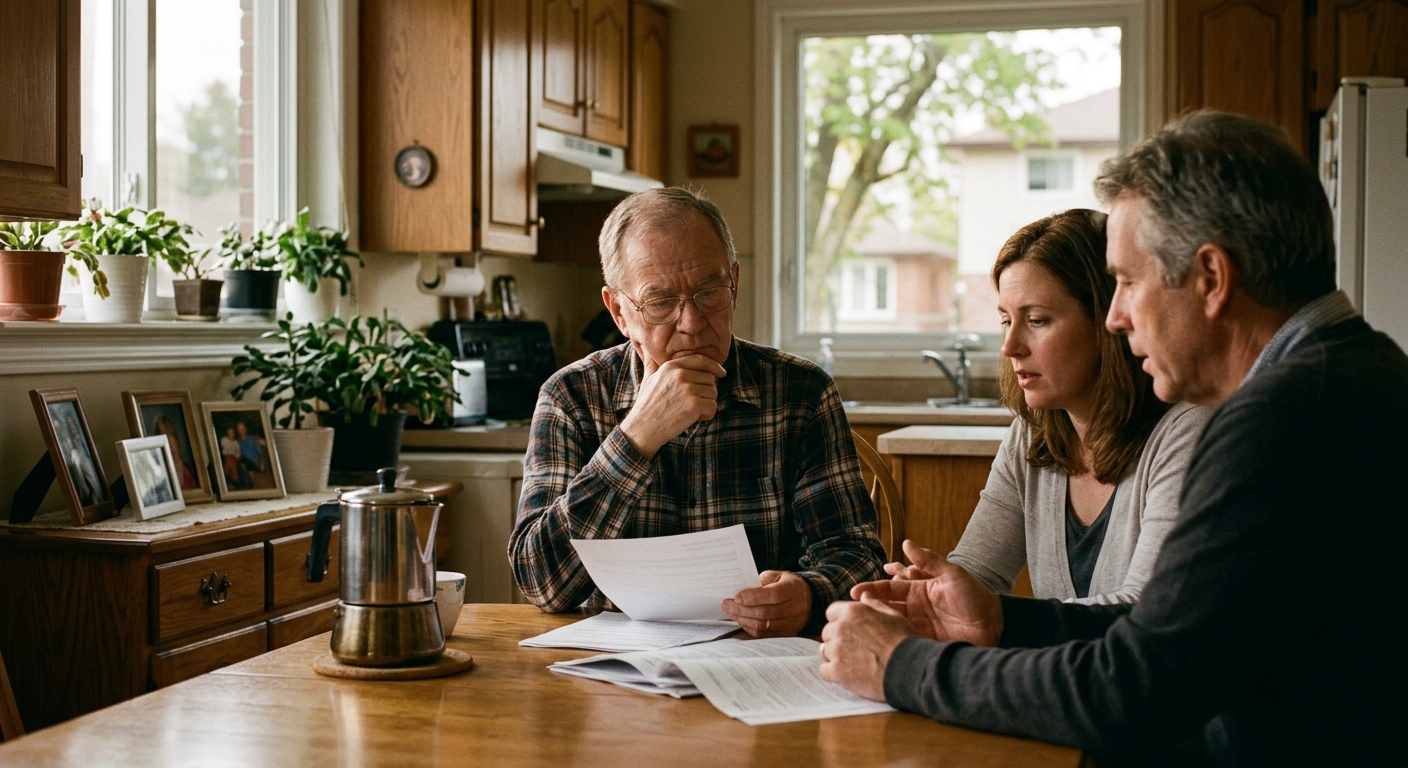
The Blended Family Estate Dilemma
Blended families now represent 15% of Canadian households, according to Statistics Canada. Yet estate law assumes traditional nuclear families. When a senior in a blended family dies, unclear estate divisions create conflict:
Common blended family scenarios
| Scenario | Conflict |
|---|---|
| Second marriage; spouse has adult children from first relationship | Do stepchildren inherit from your estate? Are biological children favored? |
| Joint home purchased second marriage; spouse's kids lived there during marriage | Do stepchildren have claim to home equity? |
| Senior's biological children and spouse's adult children co-owning home on title | What happens to each child's share if owner dies? |
| Unequal earning history (one spouse earned more, owned home before marriage) | Should biological children inherit more? How much goes to spouse vs. children? |
The financial reality: Home equity is often 60–80% of a retiree's total estate. Unclear division of this asset triggers:
- Will contests (legal battles costing $10,000–$50,000)
- Sibling resentment (may permanently fracture family relationships)
- Spouse financial insecurity (if home goes to biological children, surviving spouse faces housing insecurity)
- Probate delays (estate settlement frozen 12–24 months)
Why wills alone fail in blended families
A will specifies who inherits, but:
- ✗ It's executed after death (too late to clarify intent or resolve disputes)
- ✗ It's public (sparks contests from beneficiaries who feel slighted)
- ✗ It assumes clarity (stepchild relationships are emotional, not legally defined)
- ✗ It forces sale (home often must be sold to divide equity among multiple heirs, displacing the surviving spouse)
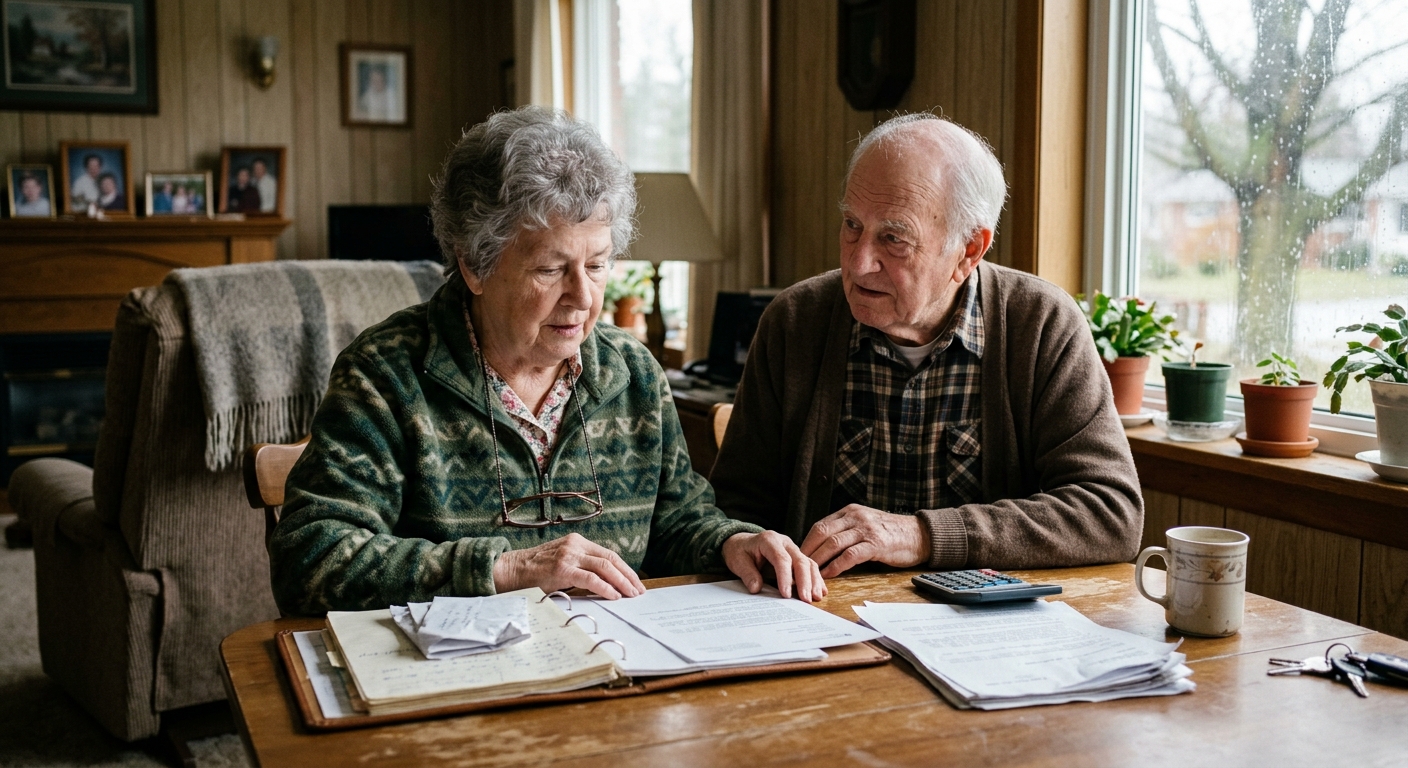
Reverse Mortgage as Blended Family Fairness Tool
A reverse mortgage allows you to gift home equity to all children fairly and transparently, while you're alive. This solves the blended family dilemma in three ways:
1. Equalize inheritance during your lifetime
Instead of leaving unclear instructions in a will, you can:
- Access home equity via reverse mortgage
- Gift equal amounts to biological children and stepchildren now
- Document the gifts clearly (reducing post-death disputes)
- Retain the home (you continue living there; reverse mortgage is repaid from sale proceeds after death)
Real-world example: Jennifer's blended family solution
Jennifer, 68, married David 12 years ago in Toronto. She has two adult children from her first marriage (ages 38 and 42); David has three adult children from his (ages 35, 39, and 44). They jointly own a $700,000 home with no mortgage.
The estate problem: Jennifer's will leaves 60% of her estate to her two biological children, 40% to David (to then pass to his children). This creates tension: David's children feel excluded; Jennifer's children feel entitled. When Jennifer dies, the home is sold, family cohesion fractures.
The reverse mortgage solution: Jennifer accesses a $200,000 reverse mortgage against the home equity. She gifts:
- $25,000 to each of her two biological children (total: $50,000)
- $25,000 to each of David's three children (total: $75,000)
- Retains $75,000 as reserve for future care costs
Result: All five adult children receive equal $25,000 gifts, documented and tax-reported. Jennifer publicly signals fairness. The home remains in Jennifer and David's names; when Jennifer eventually passes (or moves to long-term care), the $200,000 reverse mortgage is repaid from home sale proceeds. David's children have no claim to the home (it goes to David), and Jennifer's biological children know their inheritance is secure—they already received their legacy gifts.
Post-death outcome: Simplified estate, reduced will contest risk, and stronger blended family bonds.
2. Protect the surviving spouse's housing security
In blended families, the surviving spouse's housing can become contested. A reverse mortgage protects this:
| Scenario | Without RM Solution | With RM Solution |
|---|---|---|
| Spouse remarries, has kids from first marriage; owns home with adult children from previous relationship | Home in dispute: whose children inherit? | Reverse mortgage gifts clarify ownership; home passes to spouse via clear will/agreement |
| Spouse has limited income; home owned by couple | Surviving spouse may be forced to sell (can't afford mortgage/taxes alone) | RM funds can be structured to support surviving spouse's housing costs; adult children's legacy gifts already received |
| Adult children pressure surviving spouse to sell (to claim inheritance early) | Surviving spouse feels unsafe in own home | RM gifts reduce pressure; adult children don't perceive lost inheritance |
3. Reduce will contest risk with transparent gifting
According to Wills Probate and Administration Act (Ontario), will contests are costliest when estate division is ambiguous. Clear, documented gifts during lifetime eliminate ambiguity:
- ✓ Gifts are legally outside the estate (they're not inherited, they're received while parent is alive)
- ✓ Gifts are documented (bank records, gift letters prove intent)
- ✓ Gifts are equal or intentionally unequal (clarity means no "surprise" in the will)
- ✓ No will contest leverage (adult children can't argue unfair division after accepting gifts)
Multi-Generational Blended Family Strategy
For complex blended families, a tiered gifting strategy works best:
| Tier | Approach | Reverse Mortgage Role |
|---|---|---|
| Tier 1: Immediate fairness gifts | Gift $15K–$30K to each adult child (biological + step) | Access via RM lump sum |
| Tier 2: Surviving spouse security | Reserve funds for spouse's housing, care, living costs | Access via RM line of credit (draw as needed) |
| Tier 3: Remaining home equity | Home passes to spouse (or is sold, proceeds split per will) | RM balance repaid from sale proceeds |
This approach ensures:
- All adult children feel equally valued (clear gifts received)
- Surviving spouse feels secure (dedicated funds for housing/care)
- Home stays in the family (as long as spouse wants it)
- Estate settlement is simplified (gifts already distributed; remaining estate is straightforward)
Tax Considerations for Blended Family Gifting
Reverse mortgage gifts to adult children are not taxable, according to the CRA. Gifts are outside the tax system (not income to the recipient, not a tax deduction for the giver). However, document the gifts properly:
| Step | Action |
|---|---|
| Gift letter | Write a simple letter: "I gift $25,000 to [child] on [date], no repayment required" |
| Bank transfer | Use bank transfer (creates clear record) with memo "gift to [name]" |
| Keep records | File copies of gift letter + bank statements with will + power of attorney docs |
| Inform estate executor | Let executor know gifts were given; they're not part of the estate |
This documentation prevents CRA or adult children from later claiming gifts were loans (which would be estates repayment obligations).
Comparing Blended Family Estate Solutions
| Solution | Cost | Transparency | Timeline | Post-Death Simplicity |
|---|---|---|---|---|
| Reverse mortgage + lifetime gifts | $400–$600 legal (gift letters) + interest on borrowed funds | High (gifts documented; intent clear) | Immediate (gifts given now) | Very simple (no estate disputes) |
| Detailed will + lawyer review | $1,500–$3,000 | Medium (will is clear but ambiguous to some) | None until death | Complex (will contest possible) |
| Family meeting + mediation | $2,000–$5,000 | High (all adults agree) | Slow (negotiations take time) | Simple if agreement holds |
| Trust structures (multiple trusts per child) | $5,000–$15,000 | Complex (adult children may not understand trusts) | Delayed (complex setup) | Very complex (multiple trust administrations) |
Reverse mortgage + lifetime gifts is the simplest, least expensive, and most transparent approach for blended families.
Getting Started: Reverse Mortgage for Blended Family Fairness
Step 1: Family conversation (before applying)
- Discuss estate fairness with your spouse
- Clarify how much equity you want to gift vs. reserve for your own care
- Decide if gifts are equal to all adult children or intentionally unequal
Step 2: Consult Rick Sekhon Reverse Mortgages
- Outline your blended family structure and gifting goals
- Get preliminary qualification (age 55+, home equity, no credit score requirement)
- Understand reverse mortgage amount you can access
Step 3: Estate/tax planning consultation (optional but recommended)
- Meet with an estate lawyer ($200–$500 consultation) to structure gifts properly
- Discuss will changes (if any) to reflect blended family arrangement
Step 4: Apply for reverse mortgage
- Standard application process (30–45 days)
- Access funds as lump sum (for immediate gifts) or line of credit (for phased gifting)
Step 5: Execute gifts
- Transfer funds to each adult child
- Prepare gift letters documenting intent
- Update will (if needed) to reflect gifts already given
Key Takeaways
✓ Blended families represent 15% of Canadian households but 40% of estate will disputes, according to Canadian Bar Association data
✓ Home equity (60–80% of estate) is the conflict point—unclear division between biological and stepchildren triggers expensive will contests
✓ Reverse mortgages let you gift equity fairly while alive, eliminating post-death disputes and clarifying your intent
✓ Gifts are tax-free and legally outside the estate, so they don't trigger probate or CRA complications
✓ Documentation is critical—gift letters + bank records prevent future claims that gifts were loans
✓ Reverse mortgage proceeds are completely flexible—use them for fairness gifts now, reserve funds for your own care, repay from home sale proceeds later
Frequently Asked Questions
Can I gift to stepchildren without legal adoption?
Yes. Gifts don't require adoption; they're simply financial transfers. However, inheritance (via will) may be contested if the relationship isn't legally recognized. Reverse mortgage gifts bypass this by being outside the will entirely. Stepchildren receive gifts as documented transfers, eliminating ambiguity.
What if my biological children oppose my gifting to stepchildren?
Gifts are your decision. Once you make them, they're legally given (the recipient owns the funds). Your biological children can't reclaim gifts given during your lifetime. However, they may contest your will after your death if they feel inheritance is unfair. Gifting fairness upfront (to all adult children) prevents this conflict.
Can I gift less to some adult children and more to others?
Yes. You're not obligated to gift equally. If one child has greater needs (disability, medical costs), you can gift more. Document your intent clearly: "I gift $40,000 to [child 1] due to [reason], and $20,000 to [child 2]." Clear intent prevents "unfairness" claims.
Does a reverse mortgage complicate my blended family will?
No. A reverse mortgage is a loan against your home, not part of your estate. Your will remains the same: who gets the home (or proceeds if sold) after reverse mortgage is repaid. The reverse mortgage is mechanically simpler than managing complex estate structures.
What if my blended family situation changes after I gift funds?
Gifts are permanent and non-revocable. Once given, they're the recipient's funds. If a stepchild becomes estranged after receiving a gift, you can't reclaim it. Conversely, if a stepchild's circumstances improve significantly, you've already made the gift. Plan carefully before gifting; consider waiting 6–12 months to ensure family relationships are stable.
Are reverse mortgage gifts better than leaving everything in my will?
For blended families, yes. Reverse mortgage gifts are transparent, reduce post-death conflict, and eliminate will contest risk. Wills alone create ambiguity about stepchildren's rights, which triggers disputes after your death. Gifts during lifetime are clearer and legally stronger.
Ready to explore reverse mortgage options for your blended family's fairness and peace of mind? Get your free Ontario Reverse Mortgage Guide →
Ready to Learn More?
Find out exactly how much you could unlock from your home — free and no obligation.
Related Articles
Using a Reverse Mortgage for Estate Equalization: Helping One Child More Than Another
Guide to using home equity to equalize inheritance among adult children. Fair distribution strategies when children have different needs and circumstances.
Read →Reverse Mortgage and Blended Families: Protecting Stepchildren
Ontario seniors in blended families face unique estate challenges with reverse mortgages. Learn how to protect all heirs—biological and stepchildren alike.
Read →Reverse Mortgage for DEI Consulting Practice: Launching Diversity, Equity, and Inclusion Consulting in Retirement
Start a diversity and inclusion consulting practice. Help corporations and nonprofits build equitable cultures; reverse mortgage funds training, business setup, and market entry.
Read →