
Reverse Mortgage as Backup Long-Term Care Plan: Extending Years of Independence
Fund extended home care and accessibility to delay (or avoid) long-term care facility entry. Strategic reverse mortgage planning keeps you independent longer.
What if you could afford to age in your home for 5-7 years longer instead of entering long-term care at age 82? Ontario's long-term care wait lists stretch 2-5 years, and costs are rising. A reverse mortgage can fund extended home care, accessibility upgrades, and caregiver support—allowing you to stretch your independent years. By the time you actually need a facility, your home can be sold to cover costs, or your estate handles the debt.
This article is for educational purposes only and does not constitute financial advice.
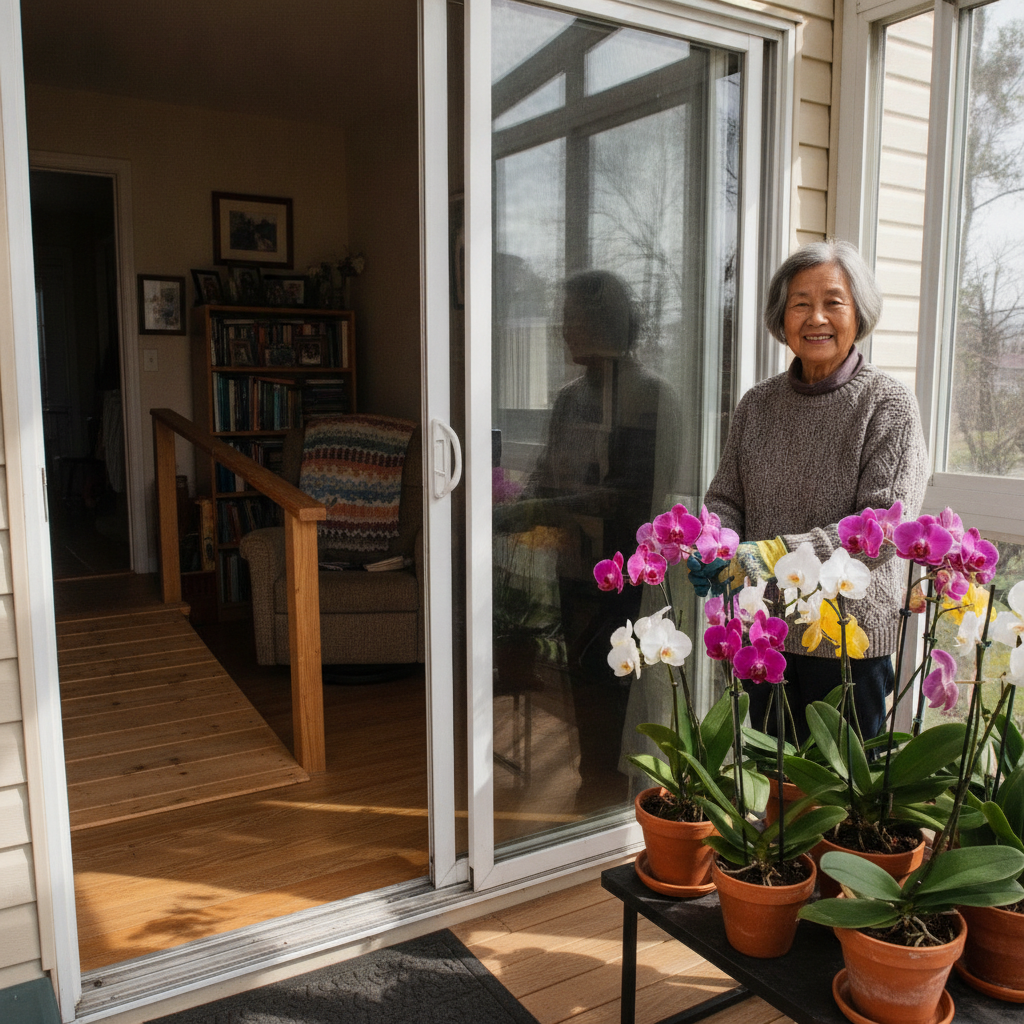
The Long-Term Care Crisis in Ontario
Facts:
- Long-term care wait lists: 2-5 years on average (some regions up to 7 years)
- Cost of LTC in Ontario: $2,500-$4,500/month (government-subsidized to private)
- Average age of LTC entry: 82-85 years
- Many seniors enter LTC prematurely (at 75-78) due to inability to fund home care
The cost of premature LTC entry: If you enter LTC at age 78 instead of 83 (5 years early), at $3,000/month:
- Lost home equity appreciation: ~$125,000 (if home appreciated 4%/year)
- Lost independence/quality of life: Difficult to quantify but real
- Facility costs: $180,000 over 5 years
The reverse mortgage advantage: Fund home care, accessibility, and caregiver support to stay home until age 83-85—then facility entry is brief (2-3 years vs 7-10), and your home's appreciated equity covers facility costs.
How Home Care Costs Compare to LTC
| Scenario | Annual Cost | Supports | Best For |
|---|---|---|---|
| Aging at home (minimal help) | $20,000-$30,000 | Meal prep, light housekeeping | Healthy, mobile seniors |
| Home care (20 hrs/week) | $40,000-$60,000 | Personal care, meds, appointments | Mild ADL limitations |
| Home care (40 hrs/week) | $80,000-$120,000 | Full personal care, 24-hour availability | Significant ADL/cognitive decline |
| Long-term care facility | $36,000-$54,000 | 24/7 medical care, meals, activities | Advanced dementia, multiple medical needs, end-of-life |
Key insight: 24-hour home care ($120,000/year) is unsustainable for most families. BUT, phased home care (increase gradually as needs change) funded by reverse mortgage can extend independent living meaningfully.
The Strategic Reverse Mortgage Model
Phase 1: Early Aging in Place (Ages 70-77)
Goal: Maintain independence with minimal support
- Light housekeeping: $400/month
- Meal preparation (2x/week): $300/month
- Yard work/snow removal (seasonal): $100/month
- Subtotal: ~$8,000/year
Reverse mortgage role: Optional; most can fund this from retirement income. But if tight, use RM line of credit for flexibility.
Phase 2: Moderate Support (Ages 77-82)
Goal: Address emerging ADLs (Activities of Daily Living) with increased care
- Personal care (bathing, toileting): 3x/week, $600/month
- Meal preparation (4x/week): $600/month
- Medication management, appointments: $200/month
- Housekeeping: $600/month
- Subtotal: ~$24,000/year
Reverse mortgage role: Draw $20,000-$25,000/year from line of credit. Interest accrues gradually. Home equity remains building (equity growth > interest cost in most markets).
Phase 3: Intensive Support (Ages 82-85)
Goal: Extend maximum independence before facility entry is necessary
- Personal care (24-hour availability, not full 24/7): $2,500/month
- Specialized care (diabetes management, medication administration): $400/month
- Adaptive equipment, home mods: $300/month
- Caregiver relief/respite: $400/month
- Subtotal: ~$45,000/year
Reverse mortgage role: Draw $40,000-$45,000/year. At this stage, you're 82-85 and considering facility entry within 2-3 years anyway.
Phase 4: Facility Transition (Age 85+)
If/when LTC becomes necessary:
- Sell home
- Pay off reverse mortgage balance
- Use remaining equity ($300,000+, typically) to fund 3-5 years of LTC
- Quality of life: You've had 5-7 independent years instead of 10 years in a facility
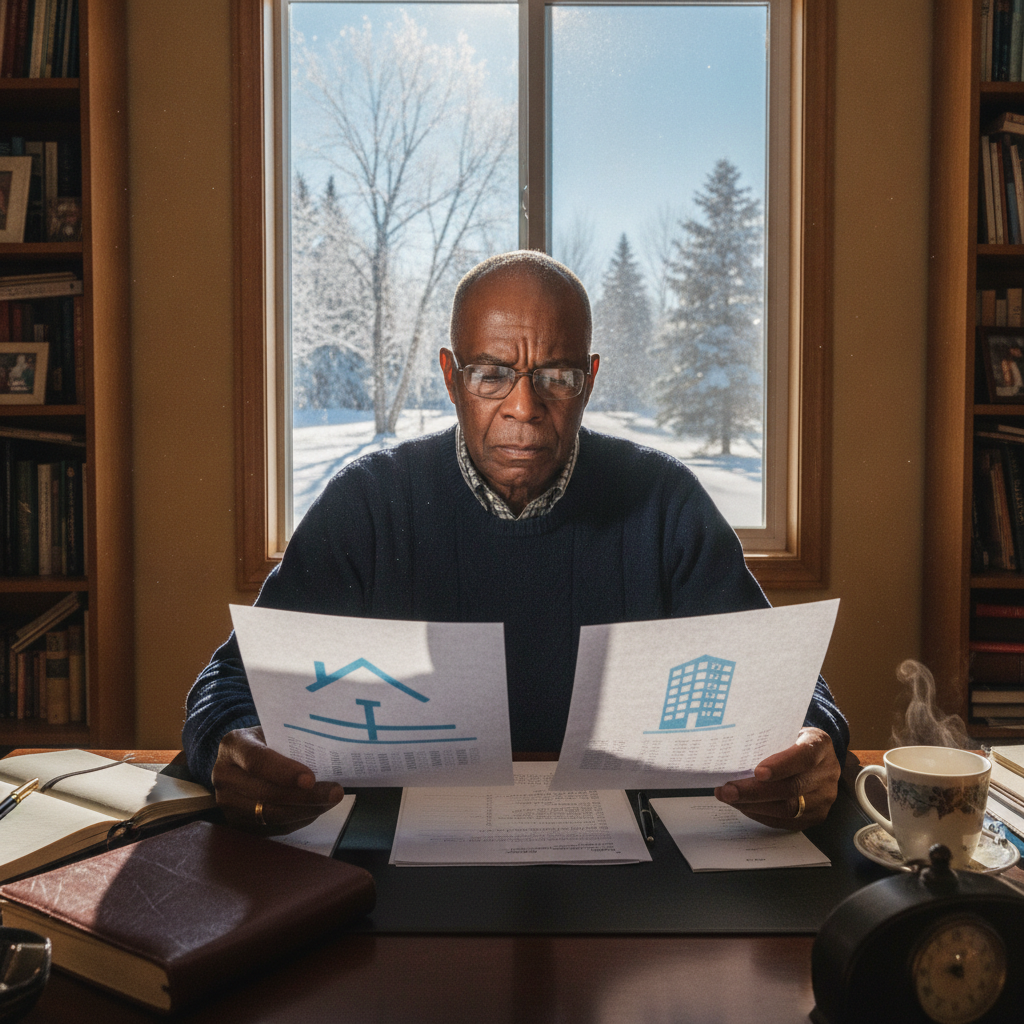
Real-World Example: Robert's Extended Independence Plan
Robert, age 72, Toronto
- Home value: $650,000 (owned outright)
- Retirement income: $48,000/year (CPP + pension + modest savings drawdown)
- Health: Active but experiencing early arthritis; walking slows
- Family: Daughter lives nearby; two grandchildren
- Concern: "I want to stay in this house as long as possible"
Robert's baseline aging plan (without RM):
- Stay home with minimal support (ages 72-78)
- At 78, daughter urges him to move to LTC (can't afford full home care + home maintenance)
- Enters LTC, lives there 7 years (age 78-85)
- Estate: Home sells for ~$950,000; LTC costs eat most proceeds; children inherit ~$400,000
Robert's REVERSE MORTGAGE plan:
-
Get reverse mortgage: Age 72, $650K home
- Available: $364,000 (56% at age 72)
- Request: $200,000 line of credit (leaves $164,000 available for future needs)
-
Ages 72-77 (Early support):
- Minimal draws; retirement income covers living costs
- RM available as emergency backup
-
Ages 78-82 (Moderate-to-intensive support):
- Draw $25,000/year for expanded home care
- Daughter provides some support (coordination, companionship, appointments)
- Robert stays at home, maintains independence
- Total drawn: ~$125,000 (5 years × $25,000)
- Interest accrued: ~$43,750 (cumulative on increasing balance)
-
Ages 83-85:
- Robert's health declines (expected at 85+)
- LTC becomes appropriate medical decision (not financial desperation)
- Sells home for ~$900,000 (8% appreciation over 13 years, conservative)
- Pays off reverse mortgage: ~$210,000
- Net proceeds: ~$690,000
- Funds 5+ years of LTC ($3,000/month = $180,000 for 5 years)
- Remaining estate: ~$510,000 for children
Comparison:
| Scenario | Home-Alone Years | LTC Years | Home Appreciation | Final Estate |
|---|---|---|---|---|
| Without RM (early LTC) | 6 years | 7 years | $950K sales price | ~$400K (after LTC costs) |
| With RM (extended home) | 13 years | 2-3 years | $900K sales price | ~$510K (better quality of life) |
The win: Robert got 7 additional independent years at home, with family nearby, in familiar surroundings. Cost to family/estate: ~$110,000 (the difference in remaining estate), distributed over 13 years. Worth it.
Addressing Concerns
"Isn't the reverse mortgage just delaying the inevitable?"
Yes, and that's the point. The goal isn't to avoid LTC forever (if you live to 95 with advanced dementia, LTC becomes medically appropriate). The goal is to DELAY it 5-7 years, maintaining independence and quality of life as long as possible.
"Won't my home run out of equity?"
Unlikely. Home appreciation typically outpaces reverse mortgage interest accrual. In most Ontario markets (4% annual appreciation), your home's equity grows even as the reverse mortgage balance increases. Example:
- Home value at age 72: $650,000
- Home value at age 85: $900,000 (3.1% annual appreciation, conservative)
- Reverse mortgage balance at age 85: $210,000
- Net equity at age 85: $690,000 (up from $650,000 at age 72)
According to Statistics Canada, Ontario residential real estate appreciated an average of 3.5% annually over the past 20 years, outpacing reverse mortgage interest costs in most scenarios.
"What if I live into my 90s?"
You can live in the home as long as you want, with increasing care funded by RM. Reverse mortgages don't have term limits—there's no maturity date. The loan is paid when:
- You sell the home
- You pass away (estate pays from home proceeds)
- You choose to repay
You can't be forced out.
"Doesn't a reverse mortgage reduce my children's inheritance?"
Temporarily, yes. But the net effect is often positive. Consider:
- Without RM: Home sold at age 78, LTC costs consume equity for 7 years. Children inherit maybe $400K.
- With RM: Home sold at age 85, LTC costs are brief. Home has appreciated; children inherit $500K+, PLUS they had a parent living independently for 7 extra years.
The inheritance is slightly reduced short-term, but your quality of life is dramatically improved.
Coordinating with Government Benefits
Important: A reverse mortgage does NOT affect OAS, GIS, or CPP.
According to Service Canada, reverse mortgage proceeds are loans (not income), so they don't trigger any government benefits clawbacks or reductions.
However, if you generate rental income (renting out part of your home while receiving care), that DOES affect GIS. Coordinate carefully with an accountant.
Key Takeaways
✓ Extended home care funded by reverse mortgage can delay LTC entry 5-7 years, dramatically improving quality of life.
✓ Home appreciation typically outpaces reverse mortgage interest, so your net equity often GROWS while you're drawing funds for care.
✓ The reverse mortgage is "insurance" against being forced into LTC prematurely due to inability to fund home care.
✓ Phased care approach works best: minimal support early, gradually increasing as needs change, facility entry later when genuinely medically necessary.
✓ Estate impact is minimal—the RM balance is paid from home sale proceeds; your children inherit a reasonable amount AND you had years of independence.
Frequently Asked Questions
At what age should I get a reverse mortgage if I'm planning to stay home longer?
Age 70-75 is ideal. You're still healthy (easier to qualify), and you have 10-15 years of potential home care needs ahead. Getting a RM earlier gives you more borrowing capacity and flexibility.
Can I use a reverse mortgage to fund home care even if I don't have family nearby?
Yes. Home care agencies can provide 24/7 support (expensive but possible). Reverse mortgage funds it. Without family support, you may need to hire more care, which costs more, but it's feasible.
What happens to my reverse mortgage if I'm hospitalized?
Your RM stays on your home. If you're hospitalized for <40 days (recoverable), you're still in the home (it's your principal residence). If you're in long-term hospital care (unlikely in Canada; would transition to LTC instead), your home is still yours and the RM remains unchanged.
Can I prepay my reverse mortgage if I want to reduce the balance?
Yes. You can prepay anytime with no penalty on most RM products from CHIP, HomeEquity Bank, Equitable Bank, Bloom Financial. If you come into an inheritance or sell a second property, you can reduce the RM balance.
What if home care costs exceed my RM line of credit?
That means your care needs have escalated beyond what's sustainable at home. This is the natural time to transition to LTC. The RM has served its purpose—extended your independence as far as feasible.
Next Steps
If extended home independence is important to you:
- Get a home care assessment from a geriatrician or occupational therapist (identifies realistic care needs at different stages)
- Calculate realistic home care costs (get quotes from home care agencies like Bayshore, Diversicare)
- Model your financial plan: Retirement income + reverse mortgage draws = sustainable home care?
- Consult Rick Sekhon Reverse Mortgages to explore a reverse mortgage line of credit as your "LTC backup plan"
- Discuss with adult children: Make sure they understand the plan and agree it aligns with your values
Ready to Learn More?
Find out exactly how much you could unlock from your home — free and no obligation.
Related Articles
Reverse Mortgage for Long-Term Care Planning in Ontario: What Triggers Repayment?
Understand what happens to your reverse mortgage if you move to long-term care, retirement home, or nursing facility. Plan ahead to avoid a crisis.
Read →Reverse Mortgage to Pay for Home Care in Ontario (2026 Guide)
Learn how Ontario seniors use a reverse mortgage to pay for home care costs. Compare care options, funding strategies, and what's covered in 2026.
Read →Aging in Place with a Reverse Mortgage: Home Modification Guide
How Ontario seniors can fund aging-in-place home modifications with a reverse mortgage — costs, top modifications, grants, and a complete planning guide.
Read →