
Reverse Mortgage for All-Terrain Wheelchair and Outdoor Accessibility Equipment
Fund all-terrain mobility equipment that lets you stay active outdoors despite wheelchair use—trails, beaches, nature, and adventure accessibility for Ontario seniors with mobility challenges.
When Your Wheelchair Keeps You Stuck at Home
You're 72 years old, and you've been using a wheelchair since your stroke 4 years ago. Your standard medical wheelchair works fine on pavement, but it's essentially useless for the life you want to live:
- You can't go hiking on the trails at your favorite conservation area (uneven terrain)
- You can't visit your daughter's cottage because the deck has gravel and the sandy beach is impossible
- You can't join your grandkids on family camping trips (no accessible paths through the campground)
- You can't attend outdoor community events if they're not perfectly paved
- You can't access the recreational opportunities that kept you mentally and physically engaged before your mobility changed
Standard medical wheelchairs are designed for indoor and urban pavement use. They fail the moment terrain gets uneven, sandy, or muddy.
But all-terrain wheelchairs exist. They're not widely known, and they're not cheap—but they transform the life of wheelchair users who want to stay active and engaged.
A reverse mortgage can fund the specialized equipment that keeps you outdoors, active, and living fully despite mobility limitations.
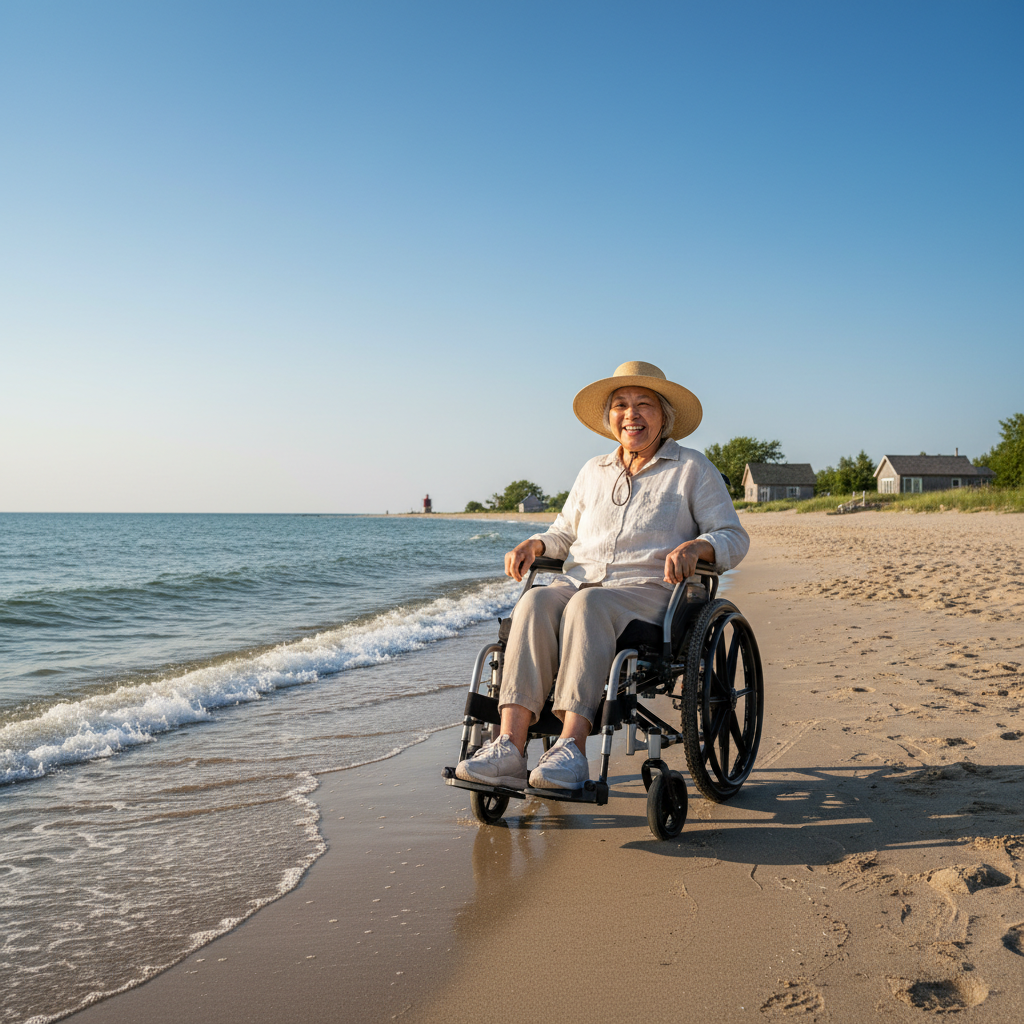
The Cost of All-Terrain Mobility Equipment
All-Terrain Wheelchairs
| Equipment Type | Cost Range | Terrain Capability |
|---|---|---|
| Beach/Sand wheelchair (specialized for sand) | $2,000–$4,000 | Beach, sand, soft terrain |
| Trail all-terrain wheelchair (larger tires, suspension) | $3,500–$8,000 | Hiking trails, gravel, uneven ground |
| Off-road power wheelchair | $4,000–$12,000 | Rough terrain, powered assist |
| Tactical/hunting wheelchair (extreme durability) | $5,000–$15,000 | Extreme terrain, steep slopes |
| Hand-cycle (recumbent wheelchair with pedals) | $3,000–$8,000 | Long-distance travel, cardiovascular exercise |
Complementary Equipment
| Equipment | Cost | Purpose |
|---|---|---|
| Monoski or bi-ski (winter sports) | $1,500–$3,000 | Skiing adapted for wheelchair users |
| Sit-ski for downhill | $2,000–$5,000 | Downhill skiing |
| Kayak or canoe with wheelchair accessible transfer system | $1,200–$3,500 | Water recreation |
| All-terrain manual push rims (upgrade for standard chair) | $400–$800 | Better traction and control on rough ground |
| Suspension system for power wheelchair | $1,000–$3,000 | Smoother ride on bumpy terrain |
| Off-road tires and gear | $500–$1,500 | Enhanced traction and durability |
Complete Outdoor Mobility Package
For a wheelchair user wanting to reclaim outdoor life:
| Component | Cost | Total |
|---|---|---|
| Primary all-terrain wheelchair | $4,000–$6,000 | |
| Beach wheelchair (second dedicated option) | $2,500–$3,500 | |
| Accessories and tires | $1,000–$1,500 | |
| Training and fitting | $500–$1,000 | |
| Maintenance and repair fund | $500–$1,000 | |
| Complete Outdoor Package | $8,500–$13,000 |
For many Ontario wheelchair users, this investment is literally the difference between being housebound and being free.
Why All-Terrain Equipment Matters: Beyond Just Mobility
Physical Health Benefits
All-terrain accessibility enables:
- Cardiovascular fitness: Pushing a wheelchair on trails provides real exercise
- Muscle strength maintenance: Varied terrain requires more muscular engagement than flat pavement
- Mental health: Nature exposure and outdoor activity reduce depression and anxiety
- Immune function: Outdoor time boosts immune response compared to indoor confinement
- Bone health: Weight-bearing activity on varied terrain supports bone density
Psychological and Social Benefits
- Reduced isolation: Ability to access trails, parks, and outdoor community events
- Sense of freedom: Reclaiming autonomy and adventure capability
- Family connection: Joining grandchildren on camping, hiking, beach trips
- Purpose and engagement: Staying active in hobbies and outdoor communities
- Grief recovery: Adapting after mobility loss rather than accepting permanent limitation
Research shows wheelchair users with all-terrain equipment report significantly better mental health outcomes and life satisfaction compared to those limited to indoor/paved access.
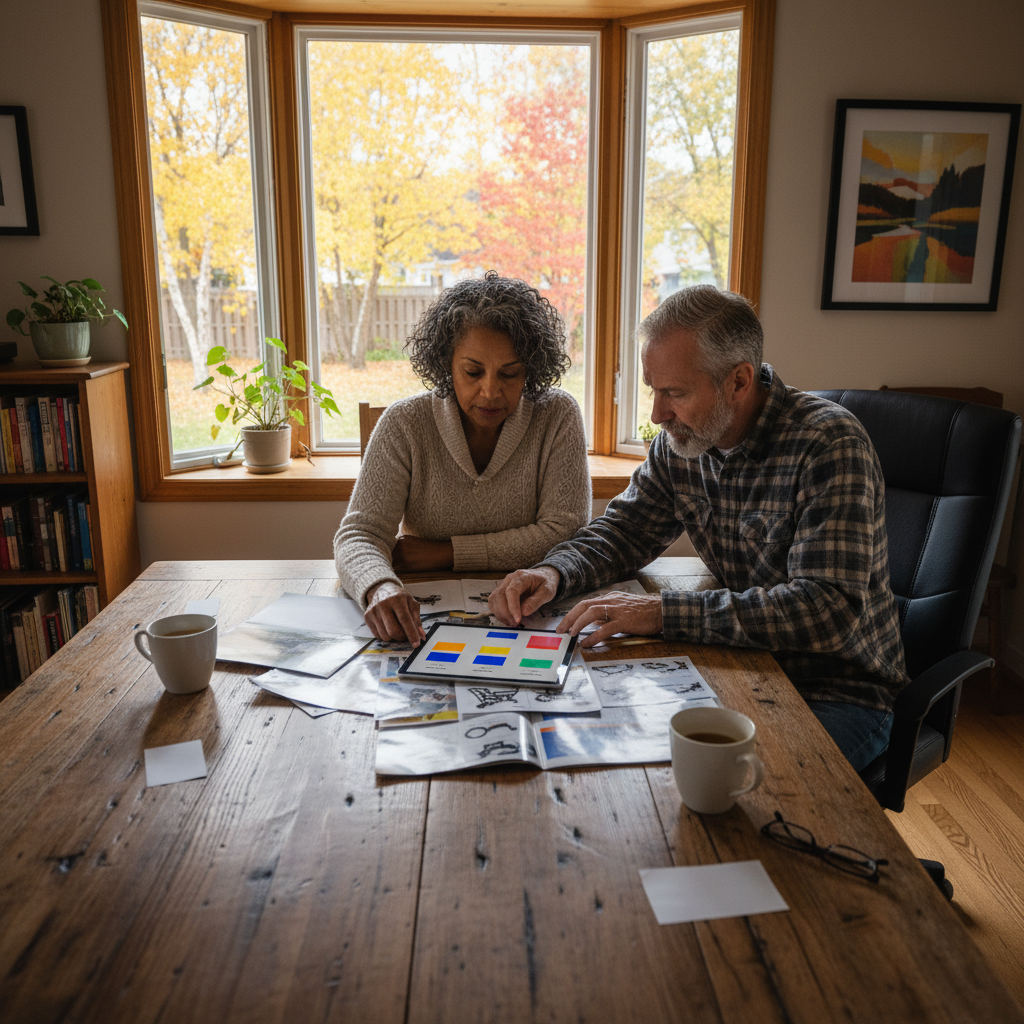
Scenario: Robert, 68, Reclaiming Outdoor Life After Spinal Cord Injury
Robert is a 68-year-old retired park ranger from rural Ontario. He was active his whole life—hiking, canoeing, camping, outdoor education. A fall from a ladder 3 years ago left him with incomplete spinal cord injury; he uses a wheelchair for mobility but has good upper body strength.
Since his injury, Robert has been devastated by confinement:
- His medical wheelchair can't handle the gravel parking lot at his favorite hiking spot
- He can't visit his daughter's cottage (sandy paths to the water)
- He's depressed about being "stuck inside"
- His family is heartbroken watching him withdraw
Robert's occupational therapist mentioned all-terrain wheelchairs but said they cost $5,000–$8,000: "Most people with insurance get partial coverage, but even then..." Robert's insurance covered his medical wheelchair; upgrading is on him.
The Problem: Robert's retirement income is modest; he can't justify spending $7,000 on a "recreational" wheelchair when his medical chair "works fine" (even though it doesn't work for the life he wants).
The Reverse Mortgage Solution:
- Reverse mortgage on his $480,000 home: approximately $144,000 available
- Funds for all-terrain mobility equipment: $10,000
- Trail-capable all-terrain wheelchair: $5,500
- Beach wheelchair (second dedicated option): $2,500
- Training, fitting, and accessories: $1,500
- Professional hiking and outdoor sports counseling (re-adaptation): $800
- Remaining available credit: ~$133,200 (for future health needs, home modifications as his disability evolves, etc.)
- No monthly payments; Robert stays in his home
The Outcome: Robert gets an all-terrain wheelchair. Within months, he's back on Ontario trails—not the same as before, but genuinely outdoors, genuinely active. He takes his grandchildren on careful nature walks. He joins a wheelchair hiking club. His depression lifts significantly.
More importantly: Robert is no longer defined by his injury. He's a person who uses a wheelchair AND gets to experience the outdoors, nature, and adventure that gave his life meaning.
His reverse mortgage funded not just equipment—it funded the restoration of his identity.
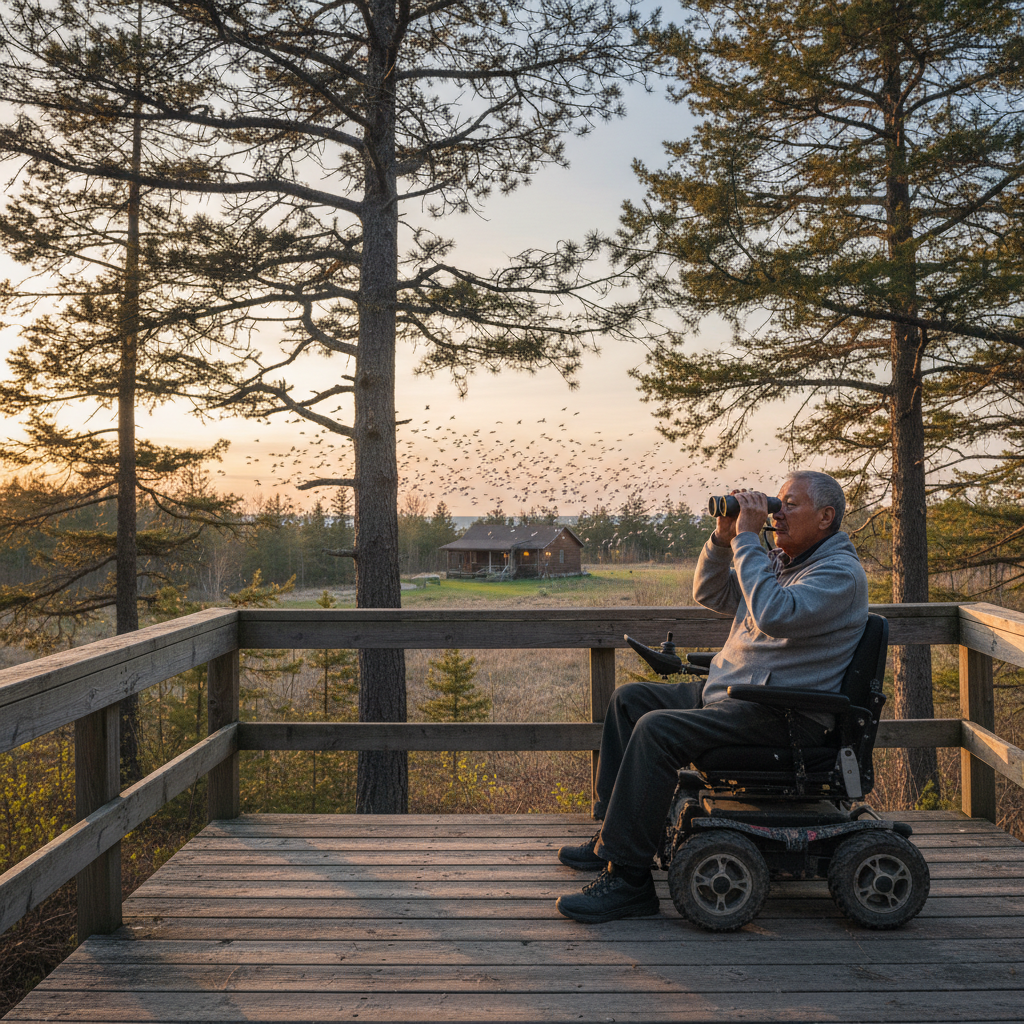
Types of All-Terrain Equipment and When to Use Each
All-Terrain Wheelchairs
Best for: Hiking, trails, rough terrain, sustained outdoor activity
- Larger wheels (often 24–26 inches) vs standard medical wheelchair (typically 20–22 inches)
- Suspension systems to absorb shock from uneven ground
- Tighter turning radius for maneuverability
- Durable construction for rough use
- Heavier and harder to transport than medical chairs
Typical usage: Weekend hiking, trail recreation, outdoor adventure Cost: $3,500–$8,000
Beach and Sand Wheelchairs
Best for: Beach access, sand, soft terrain
- Wide, flat wheels designed not to sink into sand
- Lightweight aluminum or plastic construction (saltwater safe)
- Simple design for easy pushing through resistant terrain
- Easily portable
- Often kept at cottage or beach house
Typical usage: Beach days, summer family activities, sandy parks Cost: $2,000–$4,000
Hand-Cycles
Best for: Long-distance travel, cardiovascular exercise, road cycling
- Recumbent position (body leaning back)
- Pedal-powered via upper body and arms
- Three-wheel design for stability
- Road-worthy for paved bike trails
- Provides excellent aerobic workout
Typical usage: Long recreational rides, fitness, cycling groups Cost: $3,000–$8,000
Power All-Terrain Chairs
Best for: Users with limited upper body strength, longer distances, challenging terrain
- Electric motor assist for terrain navigation
- Allows access despite strength limitations
- More expensive but transformative for those with muscle fatigue
- Requires charging infrastructure
Typical usage: Extended outdoor adventures despite strength limitations Cost: $4,000–$12,000+
Winter Sports Equipment (Monoskis, Bi-Skis)
Best for: Winter recreation, skiing, snow activities
- Specialized equipment for snow sports
- Monoski (one ski, wheelchair user sits) vs bi-ski (two narrow skis)
- Requires training and winter recreation center access
- Transforms winter from confinement to adventure
Typical usage: Ski season recreation, winter family activities Cost: $1,500–$5,000
Integrating All-Terrain Equipment With Your Aging in Place Strategy
Home Accessibility as Foundation
Before investing in all-terrain equipment, ensure your HOME is fully accessible:
- Accessible entrance and exit
- Bathroom modifications
- No interior architectural barriers
- Storage space for multiple wheelchairs
- Climate control (managing equipment in various conditions)
A reverse mortgage can fund both your home modifications AND your all-terrain equipment.
Storage and Maintenance
All-terrain chairs require:
- Storage space (often don't fit in standard closets)
- Regular maintenance (tire pressure, lubrication, repairs)
- Multiple chairs for different purposes (trail chair, beach chair, medical chair for appointments)
Budget storage space in your home plan.
Training and Adaptation
Using all-terrain equipment effectively requires:
- Professional fitting (ensures proper setup for your body)
- Training on different terrains (safety and technique)
- Occupational therapy guidance (managing your specific mobility needs)
- Psychological adjustment (identity as active person after mobility loss)
A reverse mortgage can fund the professional support that makes equipment truly useful.
Insurance and Coverage
Good news: Disability coverage sometimes covers all-terrain equipment. Check:
- Provincial disability support programs (Ontario AADL may cover some equipment)
- Private health insurance (if you have extended coverage)
- Vocational rehabilitation coverage (if equipment enables work or volunteer activities)
- Charitable organizations supporting people with disabilities
A reverse mortgage covers the gap if insurance doesn't fully fund what you need.
Accessing Ontario Government Support for Mobility Equipment
Assistive Devices Program (ADP)
Ontario's ADP can fund up to 75% of approved assistive devices:
- Wheelchairs and mobility aids are typically covered
- Device must be prescribed by regulated health professional
- Annual funding limit (varies by device category)
- Covers medical wheelchairs; all-terrain chairs are sometimes approved if medically justified
To access: Get prescription from occupational therapist or physician; apply through ADP Your reverse mortgage covers: The 25% out-of-pocket cost ADP doesn't fund
Disability Tax Credit (DTC)
If you have a disability, you may qualify for:
- DTC certificate (enables claiming disability-related expenses on taxes)
- Registered Disability Savings Plan (RDSP) grants from government
- Tax deductions for disability aids and equipment
Your reverse mortgage advantage: Funds equipment now; tax credits come later and help replenish your equity
Community and Support for Wheelchair Users
Ontario Disability Sports Organizations
- Wheelchair Sports Ontario: Racing, track and field, basketball
- Adaptive Kayaking Programs: Water recreation instruction
- Wheelchair Hiking Clubs: Social hiking groups for wheelchair users
- Winter Sports Programs: Skiing and snowsports for disabled athletes
Many of these programs have lending equipment or group rates, extending your all-terrain capability.
Peer Support Networks
Connecting with other wheelchair users who've invested in all-terrain equipment:
- Learn which equipment actually works
- Get recommendations for your specific terrain
- Find trail access information
- Share experience of identity and grief after mobility loss
Quality of Life: The Real Investment
The difference between a standard medical wheelchair and an all-terrain setup is the difference between:
- Confinement vs Freedom
- Identity as disabled vs Identity as active person with disability
- Depression vs Engagement and purpose
- Isolation vs Family and community participation
- Giving up on activities vs Adapting and continuing
That's not a luxury. That's quality of life and mental health.
Reverse Mortgage Funding for All-Terrain Mobility
Recommended Structure: Lump Sum + Reserve Credit
- Get full amount needed for equipment upfront ($8,000–$12,000)
- Maintain remaining reverse mortgage credit for maintenance, repairs, and future equipment upgrades
- All-terrain equipment needs evolve; having available credit provides flexibility
Alternative: Phased Approach
- Start with primary all-terrain wheelchair ($5,000–$6,000)
- Add specialized chairs as you discover specific needs (beach chair, winter sports equipment)
- Build over 1–2 years based on actual usage and preferences
Timeline
- Reverse mortgage pre-qualification: 1 week
- Full closing: 4–6 weeks
- Equipment purchase and fitting: 2–4 weeks
- Training and adaptation: 4–8 weeks
- Back to outdoor life: 8–12 weeks from decision
Key Takeaways
- All-terrain wheelchairs typically cost $3,500–$8,000, while a complete outdoor mobility package (primary chair, beach chair, accessories, training) runs $8,500–$13,000.
- Ontario's Assistive Devices Program (ADP) can fund up to 75% of approved assistive devices, but all-terrain chairs are often only partially covered or excluded if deemed "recreational" rather than medical.
- A reverse mortgage requires no monthly payments and is available to Ontario homeowners 55 and older (all titleholders must meet the age minimum).
- Homeowners can typically access 15–59% of their appraised home value through a reverse mortgage, depending on age, property, and lender.
- Reverse mortgage proceeds are tax-free loan advances and don't affect OAS, GIS, or CPP benefits.
- The loan becomes due only when the home is sold, the homeowner dies, or the homeowner permanently moves out, and negative-equity protection means you'll never owe more than the home's fair market value at that time.
Frequently Asked Questions
Does a reverse mortgage affect my OAS, GIS, or CPP benefits?
No. Reverse mortgage proceeds are tax-free loan advances, not income, so they do not reduce or affect Old Age Security (OAS), Guaranteed Income Supplement (GIS), or Canada Pension Plan (CPP) payments.
How much can I borrow with a reverse mortgage to fund mobility equipment?
Most Ontario homeowners can access between 15% and 59% of their home's appraised value, depending on age, property type, and location. On a $480,000 home, that could mean roughly $72,000 to $283,000 in available equity, though actual amounts vary by lender.
Do I have to make monthly payments on a reverse mortgage?
No. Reverse mortgages do not require monthly mortgage payments. The loan, plus accumulated interest, is repaid only when the home is sold, the last borrower passes away, or the home is permanently vacated.
Will I ever owe more than my home is worth?
No. Canadian reverse mortgages include negative-equity protection, which guarantees you (or your estate) will never owe more than the fair market value of your home at the time it is sold, provided the home has been reasonably maintained.
Who is eligible for a reverse mortgage in Ontario?
All homeowners on the title must be at least 55 years old to qualify. Eligibility also depends on the home's location, condition, and appraised value, and lenders such as HomeEquity Bank (CHIP) and Equitable Bank offer these products in Ontario.
Can a reverse mortgage cover both home accessibility renovations and all-terrain equipment?
Yes. Reverse mortgage funds can be used for any purpose, including combining home accessibility modifications with mobility equipment purchases like all-terrain or beach wheelchairs, since there are no restrictions on how the money is spent.
Next Steps: Reclaiming Outdoor Life
- Talk with an occupational therapist about all-terrain equipment options for your specific terrain and interests
- Research equipment types (trail chair, beach chair, hand-cycle, etc.) that match your goals
- Get cost estimates from suppliers and manufacturers
- Explore government support (ADP, DTC, other disability funding)
- Get reverse mortgage pre-qualification to understand available equity
- Plan your outdoor comeback (which trails, which beaches, which activities?)
- Purchase and get professionally fitted to your specific needs
- Train and adapt with occupational therapy support
- Rejoin your community outdoors
Your home's equity can give you back your freedom. All-terrain equipment isn't a luxury—it's the foundation of an active, engaged life despite mobility challenges.
Don't let your wheelchair keep you stuck at home. Let it take you exactly where you want to go.
Ready to Learn More?
Find out exactly how much you could unlock from your home — free and no obligation.
Related Articles
Reverse Mortgage for Aging in Place With Fibromyalgia: Home Modifications for Invisible Illness
Fund home modifications for aging with fibromyalgia. Reverse mortgage enables accessible design for pain management, energy conservation, and quality of life.
Read →Reverse Mortgage for Accessible Community Kitchen: Culinary Training and Aging in Place
Convert your home kitchen into an accessible commercial culinary training space. Reverse mortgage funds renovation while creating community impact.
Read →Reverse Mortgage When You Previously Gifted Home Down Payment to Adult Child: Reclaiming Equity for Aging in Place
Reverse mortgage strategy when aging in place after gifting down payment to adult child. Recover equity for home modifications and care.
Read →