
Reverse Mortgage When Aging Parent's Spouse Dies: Funding Home Modifications for the Survivor
How to fund urgent home accessibility modifications after your aging parent loses their spouse. Ontario guide for adapting housing after spousal loss.
When your aging parent loses their spouse, their home—once shared—suddenly feels different. Stairs your mother climbed easily become treacherous without your father's arm to steady her. The shower where your father helped your mother balance becomes a fall hazard. The kitchen was designed for two people working together; now your mother navigates it alone. Grief is consuming enough without safety hazards making daily life terrifying. A reverse mortgage can fund the home modifications that allow your grieving parent to stay safely in the home they shared—providing stability during the most destabilizing time of their life.
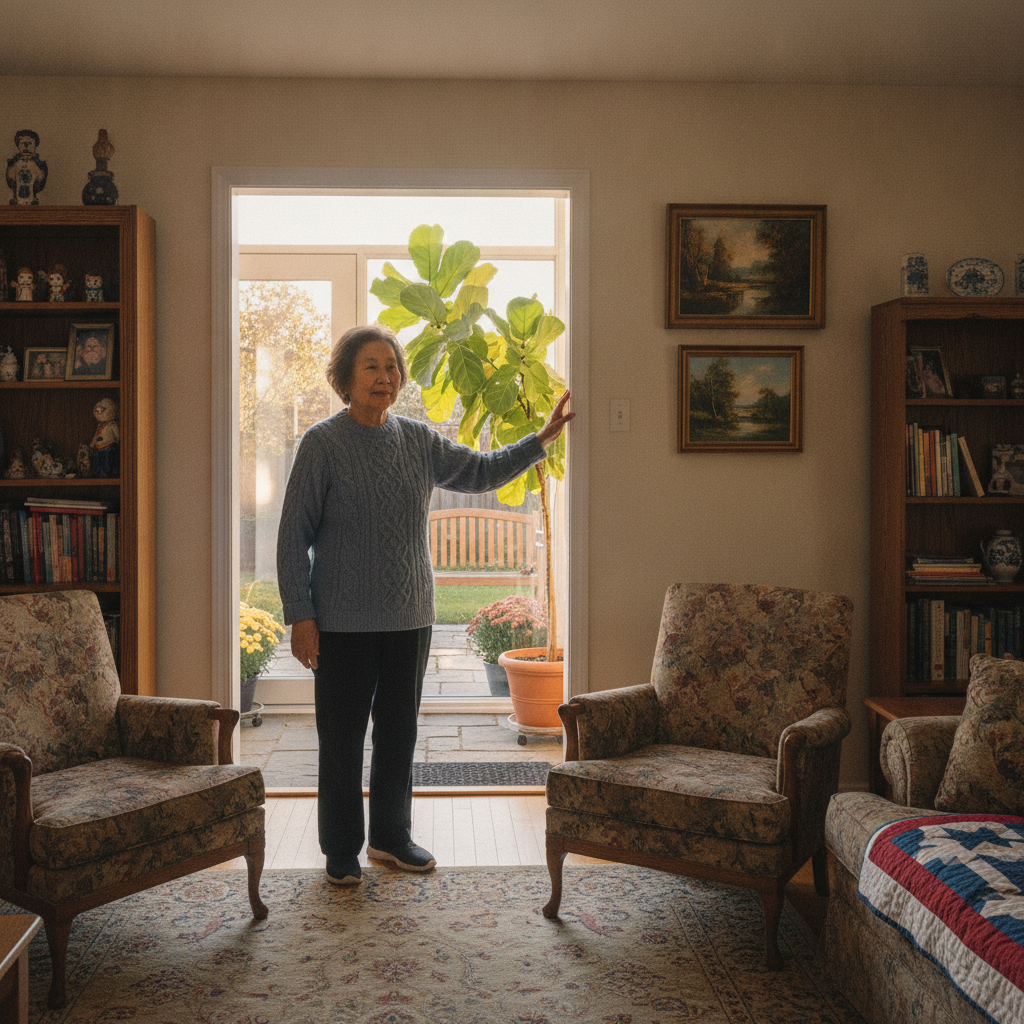
The Hidden Impact of Losing a Spouse on Housing Needs
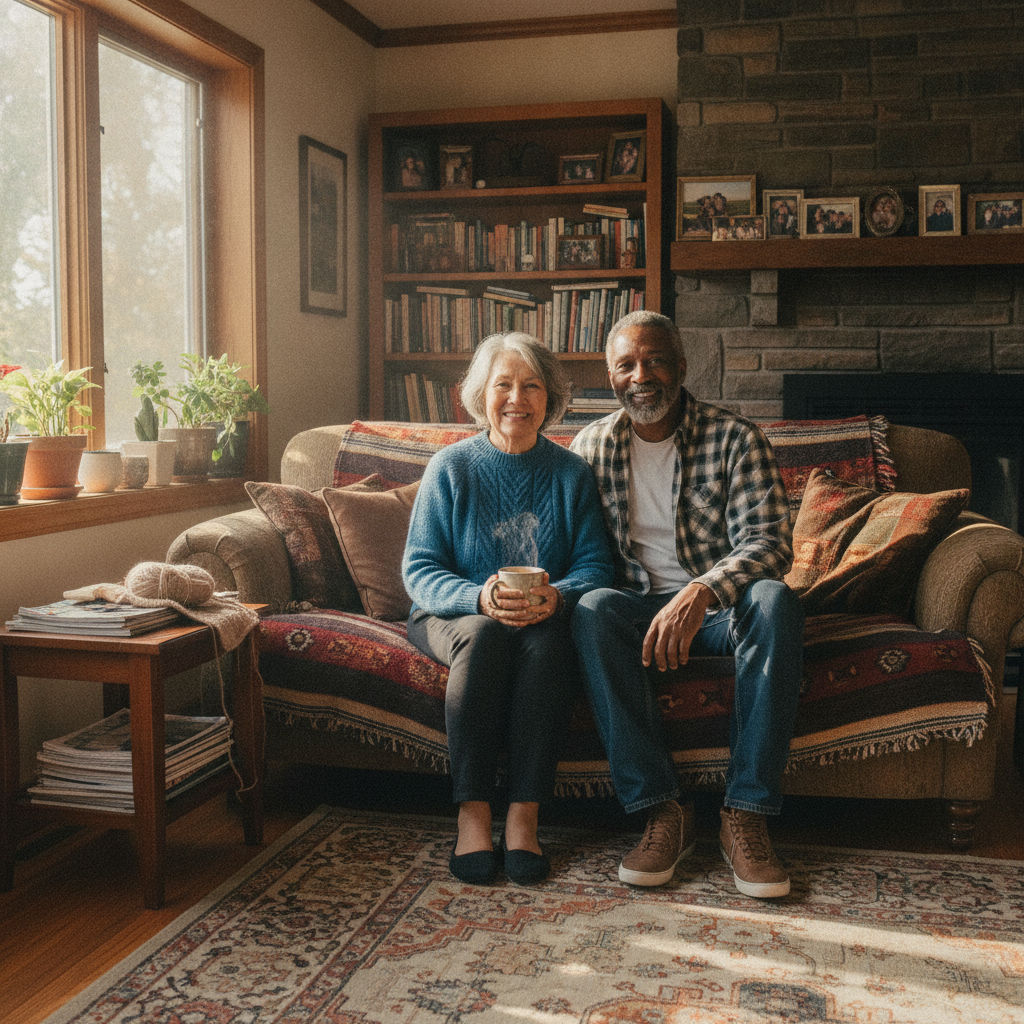
When one spouse dies, the survivor's housing needs change dramatically:
| Situation | Impact |
|---|---|
| Physically: Lost assistance with mobility, balance, transfers | Stairs, bathrooms, shower become hazardous. Survivor needs grab bars, walk-in shower, railing. |
| Emotionally: Grief, depression, reduced motivation | Survivor may neglect home maintenance, increase fall/accident risk. Professional support needed. |
| Financially: Lost second income, increased expenses (funeral, legal, probate) | Survivor may not have capital for home modifications. Cash flow tightens. |
| Socially: Lost companionship, increased isolation | Survivor may withdraw, reducing physical activity and increasing fall risk further. |
| Cognitively: Grief-related confusion, memory issues | Survivor may forget to turn off stove, lock doors, causing safety risks. |
Many adult children witness their surviving parent's quality of life deteriorate after losing their spouse—not from the loss itself, but from the unsafe home environment and isolation.
Real-World Scenario: Helen's Transformation After George's Death
George and Helen lived in their Mississauga home for 42 years. They moved around the house together, George steadying Helen on stairs, Helen helping George with his increasingly arthritic knees. They were a team.
George died unexpectedly from a heart attack at 82. Helen was 79.
Immediate problems Helen faced:
- Stairs: George always held her arm; now she grips the banister, terrified
- Shower: George sat on bench in bathroom, helped Helen balance. Solo shower is a fall risk
- Laundry room: Basement stairs—George carried laundry; Helen hadn't used the washer solo in 15 years
- Yard work: George mowed the lawn; Helen hadn't done yardwork in 20 years
- Basic repairs: Lightbulb changes, faucet fixes—George always did these. Now Helen pays a handyman $150+ per visit
- Loneliness: Helen spent 42 years with constant companionship. Now silence is crushing
Adult children's dilemma: Helen's three children wanted to help, but:
- Moving her to assisted living felt like abandoning her grief
- None of them lived nearby to provide daily support
- Helen explicitly refused to leave the home where she and George raised their family
- Her pension was modest; she couldn't afford hired help indefinitely
Solution: With their mother's consent, Helen's adult children funded a reverse mortgage of $35,000, allocated as:
- $8,000: Stair modifications (widened stairway, improved railing, motion-activated lighting)
- $6,000: Bathroom renovation (walk-in shower, grab bars, non-slip flooring, heated floor to reduce injury risk)
- $4,000: Accessibility upgrades (widened doorways, lowered light switches, accessible shelving)
- $10,000: Home maintenance trust fund (handyman, yard work, repairs Helen couldn't manage solo)
- $7,000: Contingency for future modifications
Outcome: Helen remained in her home. Within 6 months of modifications, her physical confidence improved dramatically. She:
- Showered independently (no fall fear)
- Managed stairs safely
- Could do light yard work
- Had professional support for heavy tasks
More importantly, she grieved in familiar surroundings—the home where her memories of George lived. After 18 months, Helen had rebuilt social connections, begun volunteering, and was genuinely engaging with life again. Her children credited the home modifications with preventing her descent into isolation and depression.
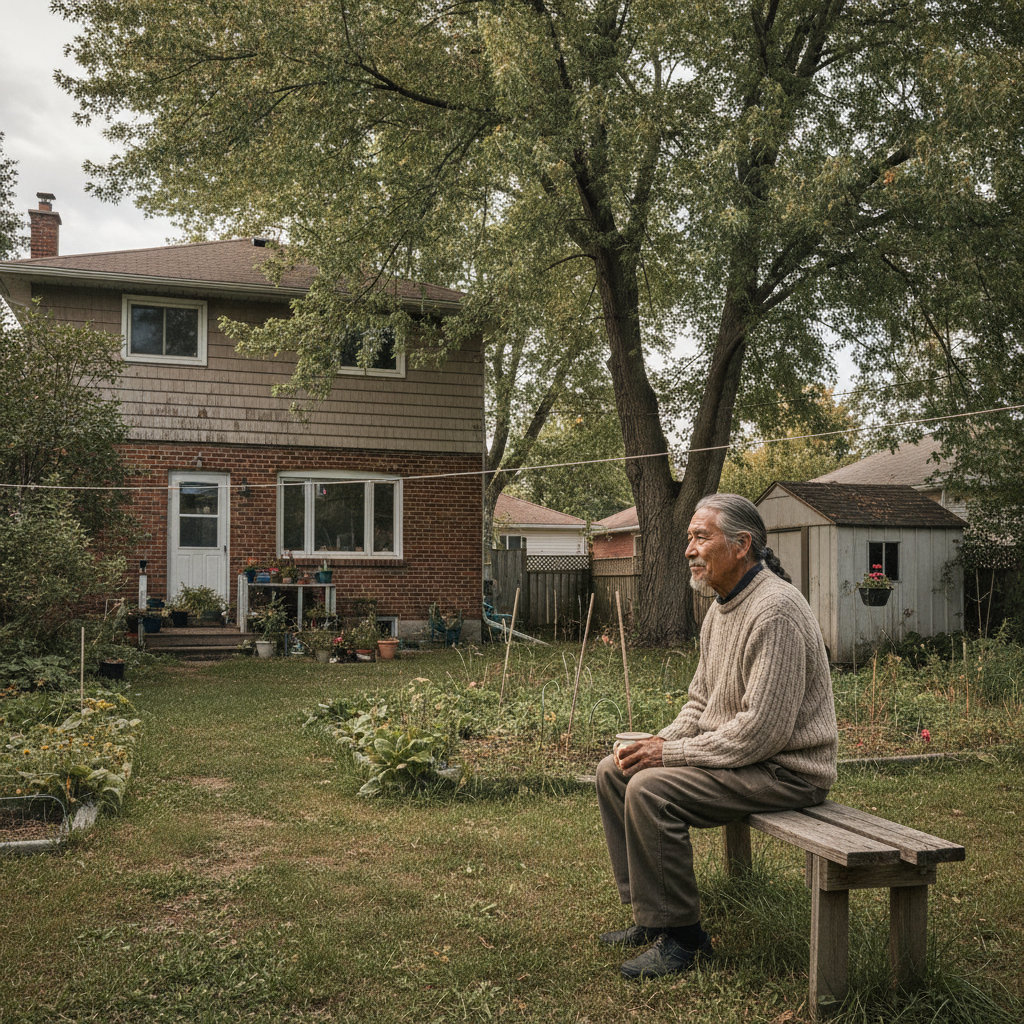
Critical Home Modifications for Grieving, Solo Aging Parents
| Modification | Why Needed | Estimated Cost |
|---|---|---|
| Stair safety (railings, widening, lighting) | Survivor loses balance-assist from spouse | $2,000-5,000 |
| Bathroom accessibility | Survivor navigates shower, toilet alone; fall risk increases 40% after spousal loss | $3,000-8,000 |
| Bedroom modifications | Easy-to-manage bedding, accessible closet, motion-activated lighting for nighttime safety | $1,500-3,000 |
| Kitchen modifications | Lowered shelving, easy-pull drawers; survivor may lack strength spouse provided | $2,000-4,000 |
| Laundry room access | Basement stairs, washer/dryer accessibility | $2,000-5,000 if requiring relocation |
| Smart home safety (motion sensors, emergency alert systems) | Survivor living alone; need quick emergency response if fall occurs | $1,500-3,000 |
| Exterior home maintenance support | Professional yard work, gutter cleaning, snow removal; physical tasks survivor can't manage | $200-400/month (reserve: $3,000-5,000/year) |
Total typical investment: $15,000-$35,000 for comprehensive modifications that allow aging parent to stay safely in their home post-spousal loss.
The Psychological Benefit of Home-Staying
According to gerontological research, aging parents who remain in their homes after spousal loss experience:
- 40% lower depression rates compared to those forced into new living situations
- Better grief processing in familiar, memory-rich environments
- Faster social reintegration when they stay in their community
- Higher life satisfaction long-term
Losing a spouse is traumatic enough. Simultaneously forcing relocation to assisted living compounds the grief and disorientation. Allowing your parent to stay in their home—with the right safety modifications—significantly improves their mental health trajectory.
Funding Post-Spousal-Loss Home Modifications with a Reverse Mortgage
A reverse mortgage is particularly well-suited for this scenario:
1. Timing aligns with probate and estate settlement. Your parent's spouse's estate may take 6-12 months to settle. During that window, they have financial uncertainty. A reverse mortgage provides immediate capital without waiting for inheritance.
2. No income-based approval barriers. Your parent's income may have dropped (lost spouse's pension or income). Reverse mortgage approval depends on home equity, not income—so they qualify regardless of financial change.
3. Solves multiple urgent problems simultaneously. Rather than patching individual modifications over time, a lump-sum reverse mortgage funds a comprehensive, professionally designed plan.
4. Respects your parent's autonomy. Unlike moving to assisted living (which removes autonomy), home modifications allow your parent to stay in control of their environment and decisions.
5. Prevents costly falls and injuries. Falls after spousal loss are a leading cause of hospitalization and forced long-term care placement. Prevention through modifications saves far more than the modification cost.
Estate and Tax Implications
According to the Canada Revenue Agency, home modifications for accessibility are not deductible—but they may qualify for the Accessible Housing Tax Credit (15% non-refundable, max $300/year in Ontario). This offset is modest but helpful.
Spousal estate considerations: If your parent's deceased spouse had an estate:
- Reverse mortgage is a personal debt (your surviving parent's responsibility)
- Estate proceeds don't automatically pay reverse mortgage—your parent manages this with their own decision
- Discuss with the estate executor whether any estate funds should offset reverse mortgage costs
- Some parents choose to use inheritance to pay down reverse mortgage early; others leave it for other needs
Frequently Asked Questions
Should my aging parent sell the home and move rather than using a reverse mortgage?
Generally, no—unless your parent explicitly wants to move. Staying in the home provides emotional stability during grief. A reverse mortgage funds modifications, allowing both staying and safety.
What if my aging parent's grief is so severe they can't make decisions about home modifications?
Grief counseling and time help. If your parent is severely depressed, consult their doctor. Don't rush major home decisions immediately post-loss. Get pre-qualification for the reverse mortgage, but delay modifications by 3-6 months if your parent is in acute grief phase. Modifications are important, but your parent's emotional recovery comes first.
Can I use reverse mortgage proceeds to hire a companion/caregiver for my grieving parent?
Yes. While home modifications are primary use, many adult children allocate portion of reverse mortgage to professional caregiver, housekeeper, or companion services. This addresses both the physical safety and emotional isolation issues post-spousal loss.
Will my parent's income change after a spouse's death affect their government benefits?
Potentially. CPP survivor benefits, GIS, and other benefits may change. Work with Service Canada to update records. Importantly, a reverse mortgage doesn't count as income for benefit purposes, so it doesn't trigger benefit loss or clawbacks.
What if my aging parent wants to move to long-term care eventually—won't the reverse mortgage complicate this?
Not really. If your parent eventually moves to long-term care or assisted living, the reverse mortgage becomes due. They would need to either sell the home (using sale proceeds to pay off reverse mortgage) or have family buy out the mortgage. Plan for this eventuality when taking the reverse mortgage, but don't let it prevent modifications today.
Moving Forward
If your aging parent recently lost their spouse:
-
Allow grief time, but assess home safety. Within 2-3 months post-loss, evaluate which home modifications are most urgent.
-
Hire an accessibility consultant. $1,500-2,000 for professional assessment of aging parent's actual safety needs post-spousal loss.
-
Get reverse mortgage pre-qualification. Understand borrowing capacity early, so you're ready to move when parent is emotionally ready.
-
Prioritize emotional support alongside physical modifications. Grief counseling, senior social groups, and community connection matter as much as grab bars.
-
Discuss the plan with your aging parent. This isn't something to do to them—involve them in decisions about their home's future.
Ready to Learn More?
Find out exactly how much you could unlock from your home — free and no obligation.
Related Articles
Aging Together: Reverse Mortgage to Help Couples Stay in Their Home
For couples aging together, a reverse mortgage enables one spouse to manage care for the other while staying in your shared home. Here's how it works and what to plan for.
Read →Aging in Place with a Reverse Mortgage: Home Modification Guide
How Ontario seniors can fund aging-in-place home modifications with a reverse mortgage — costs, top modifications, grants, and a complete planning guide.
Read →Reverse Mortgage for Widows and Widowers in Ontario: A Complete Guide
How widows and widowers in Ontario use a reverse mortgage to manage financial changes after losing a spouse. Estate settlement, sole borrower rules, and income planning.
Read →