
Reverse Mortgage for Aging Parent Who Wants to Work Part-Time Into Early 70s
Stay employed longer with a reverse mortgage. Bridge income while working part-time into your 70s. Maximize CPP deferral while maintaining work purpose.
You're 65, in good health, and don't want to fully retire yet. But your employer wants to transition you to part-time — at 60% of your salary. How do you bridge the income gap while deferring CPP and maximizing retirement security? Many Canadians in their mid-60s to early 70s want to keep working but face employer-driven part-time transitions or the guilt of stepping down when their skills are still valued.

A reverse mortgage can bridge the income gap between full-time and part-time work, allowing you to stay employed longer, defer CPP to age 70 (increasing lifetime benefits by 42%), and maintain purpose and social connection in your work life.
The Part-Time Work Advantage You're Missing
Staying employed part-time into your early 70s offers surprising benefits beyond paycheques:
- CPP deferral window — delaying CPP from 65 to 70 increases benefits 6% per year (42% total increase)
- Cognitive engagement — work maintains mental sharpness and reduces dementia risk
- Social connection — workplace community reduces isolation and loneliness
- Identity preservation — work provides purpose beyond retirement
- Tax efficiency — lower part-time income may keep you below OAS clawback thresholds
- Home equity preservation — staying in workforce delays need to sell home or access full reverse mortgage
The problem? The income drop from $65,000 to $39,000 (40% reduction) creates a $26,000 annual shortfall — exactly where a reverse mortgage strategically fills the gap.
Income Bridge: The Part-Time Work Scenario
| Age | Employment Status | Annual Income | Reverse Mortgage Draw | Total Household | CPP Deferral Bonus |
|---|---|---|---|---|---|
| 62 | Full-time, $65,000 | $65,000 | $0 | $65,000 | Pending (age 62 too early) |
| 65 | Full-time, $65,000 | $65,000 | $0 | $65,000 | Frozen (early claim -36%) |
| 65 | Part-time, $39,000 | $39,000 | $15,000/year RM | $54,000 | Frozen (claimed at 65) |
| 65–70 STRATEGY | Part-time, $39,000 | $39,000 | $15,000/year RM | $54,000 | +42% by age 70 |
| 70 | Part-time/retired, $0 | $0 | $0 (repaid) | CPP: $2,100+/month | +42% benefit increase |
The CPP Math: Claiming at 62 = ~$1,100/month. Deferring to 70 = ~$1,560/month — a $460/month permanent increase. Over 20 years of retirement (to age 90), that's $110,400 in additional lifetime CPP. The reverse mortgage interest cost is far less.
Case Study: Jennifer, 65, Transitions to Part-Time Consulting
Jennifer (65) is a senior HR manager at $68,000/year. Her employer offers her a choice:
- Full retire now (CPP at 62–65)
- Stay full-time to 67
- Transition to part-time consulting at $35,000/year, flexible schedule
Jennifer chooses option 3 with a reverse mortgage:
- Part-time consulting income: $35,000/year
- Reverse mortgage draw: $18,000/year (to match her previous $53,000 take-home)
- Total household income: $53,000 (unchanged lifestyle)
- CPP deferral: Waits until 70
- Employer benefits: Loses health/dental benefits (addresses with reverse mortgage)
Age 65–70 (5 years part-time):
- Works 25 hours/week instead of 40
- Maintains professional identity, colleagues, and social engagement
- Draws reverse mortgage: $18,000/year × 5 years = $90,000 total
- CPP accumulates from 65–70 (standard rate, no reduction)
Age 70 (CPP start date):
- Jennifer retires from part-time work
- CPP begins: ~$2,000/month (42% higher than if claimed at 65)
- Reverse mortgage balance: ~$95,000 (interest-compounded from $90,000 draw)
- Household income: CPP ($2,000/month) + modest savings = sustainable retirement
The alternative (no reverse mortgage): If Jennifer quit at 65 without a reverse mortgage, she would likely claim CPP immediately, receiving only ~$1,550/month instead of $2,000/month. Over 20 years, she'd lose $110,400 in lifetime CPP — far more than the reverse mortgage costs.
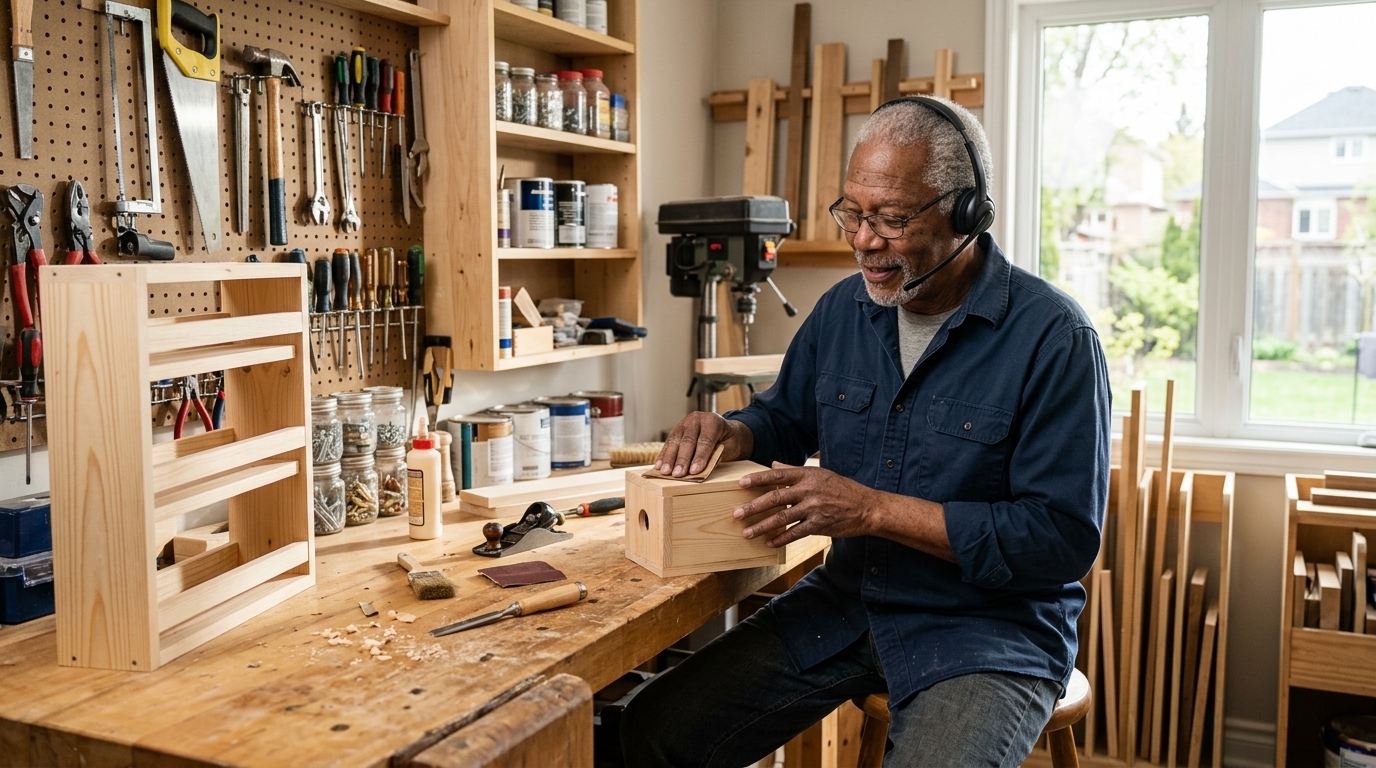
Reverse Mortgage Strategy for Part-Time Work Extension
Phase 1: Transition Planning (Age 65)
- Secure part-time role or consulting arrangement
- Assess income shortfall between full-time and part-time
- Apply for reverse mortgage ($100,000–$250,000 depending on home value)
- Set up line-of-credit draw structure (not lump sum)
Phase 2: Part-Time Years (Age 65–70)
- Work 20–30 hours/week in flexible part-time role
- Draw reverse mortgage as needed ($12,000–$20,000/year)
- Maintain group benefits if employer offers (some do for part-time)
- CPP defers; no other government benefits affected
Phase 3: Full Retirement (Age 70+)
- Stop work; begin CPP at enhanced rate
- Reverse mortgage may be repaid from CPP + savings, or
- Continue reverse mortgage as line of credit indefinitely
This structure lets you "have it all" — work purpose, deferral benefits, income stability, and home security.
OAS/GIS Implications for Part-Time Workers
If your part-time income is modest ($30,000–$40,000), you may maintain OAS eligibility:
| Income Source | Thresholds | OAS Impact | GIS Eligibility |
|---|---|---|---|
| CPP only (deferred to 70): $2,000/month | Below $86,912 (2026) | No clawback | Possible if low |
| Part-time work ($40K) + CPP at 70 | $40K + $24K = $64K total | No clawback | Likely eligible |
| Reverse mortgage draws | NOT income | No impact on OAS/GIS | No impact |
Key advantage: Reverse mortgage funds don't count as income for OAS/GIS clawback purposes. This means you can maintain your full OAS entitlement even while drawing a reverse mortgage.
According to Service Canada, CPP deferral from 65 to 70 is one of the most underutilized retirement income strategies. The 42% lifetime increase rivals stock market returns and guarantees a return. A reverse mortgage as an income bridge makes deferral feasible for working Canadians.
Health Benefits of Part-Time Work Into Your 70s
Research from Statistics Canada and the Public Health Agency of Canada shows:
- Cognitive decline reduction: Full-time work → part-time work maintains cognitive function; early retirement correlates with faster decline
- Social isolation prevention: Part-time work maintains workplace friendships and community
- Life expectancy: Working longer (part-time) correlates with 3–5 year longer lifespans
- Depression prevention: Purpose-driven work reduces depression and loneliness in 65–75 age group
A reverse mortgage enables this health-promoting lifestyle by bridging the income gap.
Employer Benefits and Health Insurance Gaps
One challenge: Part-time roles often lose employer benefits (health, dental, vision, life insurance).
| Benefit | Full-Time Access | Part-Time Gap | Reverse Mortgage Solution |
|---|---|---|---|
| Extended health/dental | Yes | Often lost | Use RM draw for private plans ($2,000–$3,000/year) |
| Life insurance | Yes | Usually lost | Reassess if needed; RM protects home equity |
| Disability insurance | Yes | Lost | Less relevant at 65+; RM covers income gap |
| Vision/hearing care | Often covered | Out-of-pocket | Include in RM budget ($1,000+/year) |
Plan for $3,000–$4,000/year in out-of-pocket benefits costs when transitioning to part-time. The reverse mortgage draw should account for this.
Tax Planning for Part-Time + Reverse Mortgage Strategy
Income sources during part-time phase (65–70):
| Source | Amount | Taxable? | Tax Rate | Strategy |
|---|---|---|---|---|
| Part-time employment income | $35,000 | Yes | ~30% (federal + ON) | Reduced tax due to lower brackets |
| Reverse mortgage draw | $18,000 | No | 0% | Not income; no tax |
| Other pension/RRIF (if any) | Varies | Yes | ~30% | Defer until age 70 if possible |
Tax advantage: Your total household income appears as $35,000 (only employment; RM is not income). This keeps you in a lower tax bracket despite spending $53,000 annually. You may even qualify for Ontario tax credits like the Ontario Energy Assistance Program or other senior benefits.
According to the Canada Revenue Agency, reverse mortgage proceeds are not considered income for tax purposes. This creates a tax efficiency opportunity for part-time workers deferring CPP and delaying other income sources.
Key Takeaways
✓ Part-time work into your 70s is viable — reverse mortgages bridge the income gap ✓ CPP deferral is a 42% lifetime bonus — worth up to $110,000+ over retirement ✓ Work maintains cognitive health — engaging employment reduces dementia risk ✓ Reverse mortgage funds are not income — no impact on OAS/GIS or tax brackets ✓ Employer benefits gaps are manageable — plan ~$3,000–$4,000/year for private health insurance ✓ Home equity is preserved — you work longer instead of selling or fully mortgaging your home
Frequently Asked Questions
Can I claim CPP while still working part-time?
Yes. After age 60, you can claim CPP and continue working without penalty. However, to maximize lifetime benefits, deferring CPP from 65 to 70 (while working part-time) provides a 42% increase. This is the strategy for maximizing long-term security.
Will my part-time employer's health insurance cover the gaps if I use a reverse mortgage?
Most part-time roles don't offer health/dental benefits. Budget $3,000–$4,000/year for private health insurance (through associations, professional bodies, or individual plans). Your reverse mortgage draw should accommodate this cost.
How much should I draw from my reverse mortgage each year?
Calculate the shortfall between your part-time income and your desired household budget. If part-time income is $35,000 and you want $53,000 annually, draw $18,000/year from the reverse mortgage. Rick Sekhon Reverse Mortgages can help model this based on your specific situation.
What happens to my reverse mortgage when I stop working at 70?
At 70, you have three options: (1) repay the balance from CPP + savings, (2) continue the reverse mortgage as a line of credit indefinitely, or (3) sell the home and repay. Most clients continue small draws or repay gradually over retirement.
If I use a reverse mortgage to work part-time, will it affect my estate or my children's inheritance?
The reverse mortgage balance (plus accrued interest) is deducted from your estate when you pass or sell. Your heirs inherit the remaining home equity after repayment. This is typically much larger than if you had been forced to sell the home early or retire at 65 without income bridging.
Does working part-time reduce my OAS or GIS eligibility?
Part-time income of $35,000–$40,000 typically won't trigger OAS clawback (threshold is ~$86,912 in 2026). Reverse mortgage draws don't count as income, so they don't affect OAS/GIS. This is an advantage over RRIF or pension withdrawals.
Ready to Learn More?
Find out exactly how much you could unlock from your home — free and no obligation.
Related Articles
Reverse Mortgage to Extend Your Working Years: Part-Time Employment in Retirement
Use a reverse mortgage to fund a gradual transition to part-time work, giving you flexibility to extend your working years in Ontario. Discover how to phase retirement thoughtfully.
Read →Reverse Mortgage for Aging in Place With Fibromyalgia: Home Modifications for Invisible Illness
Fund home modifications for aging with fibromyalgia. Reverse mortgage enables accessible design for pain management, energy conservation, and quality of life.
Read →Reverse Mortgage for Accessible Community Kitchen: Culinary Training and Aging in Place
Convert your home kitchen into an accessible commercial culinary training space. Reverse mortgage funds renovation while creating community impact.
Read →