
Reverse Mortgage When Your Aging Parent's Hidden Gambling Debt Is Discovered
Adult child discovers parent's secret gambling debts. Use reverse mortgage to protect home, manage creditor claims, and fund treatment. Ontario legal guide.
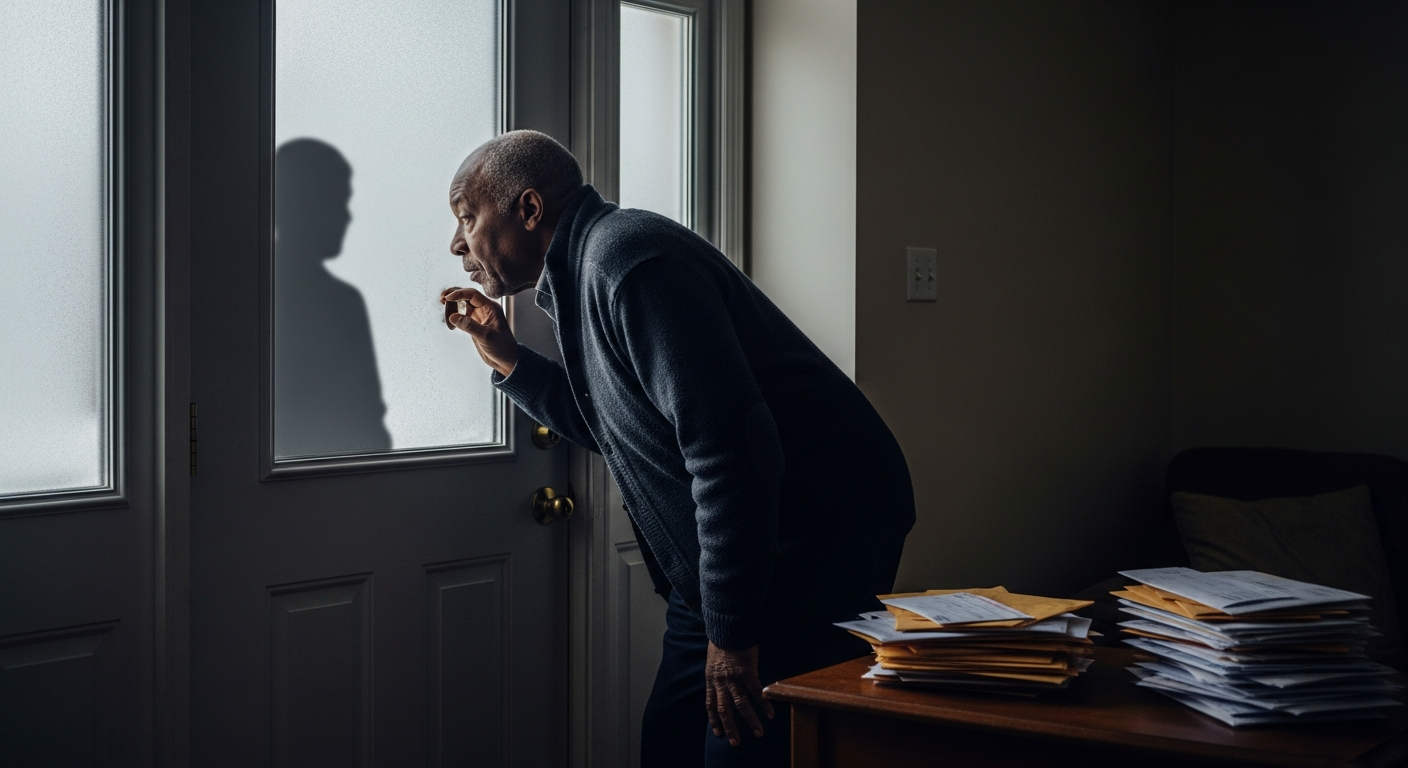
You thought your aging parent was financially stable. Then you discovered unpaid gambling debts, collection notices, and hidden credit cards. Now creditors are circling, your parent's home is at risk, and you're facing impossible choices about whether and how to help.
Aging parents with undiagnosed or untreated gambling disorder often hide escalating debts until a financial crisis forces disclosure. A reverse mortgage can serve as a protective and strategic tool—not to enable the addiction, but to shield the home, consolidate predatory debts, and fund treatment before the situation deteriorates further.

The Hidden Epidemic: Gambling Disorder in Ontario Seniors
Gambling addiction among older adults is far more common than most families realize. According to the Ontario Problem Gambling Helpline, seniors aged 55+ represent an increasing portion of new callers—up 28% since 2022.
The warning signs are subtle at first: "losses" at the casino explained away, frequent "day trips" to slot machine halls, increased credit card activity, anxiety about mail, resistance to financial conversations. By the time family discovers the truth, debts often range from $15,000 to $150,000+.
Why seniors are vulnerable:
- Cognitive changes that impair judgment and impulse control
- Social isolation that makes gambling seem like connection or entertainment
- Fixed income that makes "winning big" financially compelling
- Shame and fear that prevent disclosure until crisis hits
According to the Addictions and Mental Health Ontario (AMHO), late-life gambling disorder frequently co-occurs with depression, anxiety, and cognitive decline—making early intervention critical.
The Immediate Risks When Hidden Debts Are Discovered
When you discover your aging parent's gambling debts, the financial and legal landscape shifts dramatically:
| Risk Type | Creditor Action | Timeline | Home Impact |
|---|---|---|---|
| Credit card debt (unsecured) | Lawsuit for payment | 3-6 months | If judgment, creditor may place lien on home |
| Payday loans (predatory) | Wage garnishment (if income) or lien | 30-60 days | Immediate lien filing common |
| Personal loans from casino | Collection agency contact | 2-4 months | May escalate to legal action |
| Judgment from court | Creditor files against home title | 6-12 months | Judgment lien clouds title; home can't sell cleanly |
| Mortgage default (if borrowed against home) | Lender foreclosure notice | 3-4 months | Fastest home-loss scenario |
The emotional toll compounds the financial crisis. Your parent experiences shame, fear of judgment, depression, and potentially continued urges to gamble. The family faces stress about whether to bail them out, how to protect assets, and whether enabling recovery or allowing natural consequences serves better.
How a Reverse Mortgage Can Protect the Home and Consolidate Debt
A reverse mortgage serves three critical functions in this crisis:
1. Immediate debt consolidation: A reverse mortgage provides lump-sum capital to pay off high-interest, predatory debts immediately. Payday loans (often 400%+ APR), credit card balances (20–25% APR), and personal loans (15–20% APR) can be eliminated with proceeds from a RM at a fixed 5.5–6.5% rate.
2. Title protection and creditor shield: By paying off existing liens and judgments, you clear the property title of creditor claims. Once consolidated under a reverse mortgage, future creditors face a secured lender (HomeEquity Bank, Equitable Bank, CHIP, Bloom Financial, or Home Trust) ahead of them in the repayment priority—making aggressive collection less likely.
3. Controlled cash access preventing further borrowing: Unlike providing your parent with a lump sum (which they might gamble), a reverse mortgage creates a structured credit facility. Draws are made according to a repayment plan, not an open line your parent can drain.
Critical boundary: A reverse mortgage works only if your parent genuinely commits to treatment and accountability. Without addressing the underlying addiction, the RM simply delays the crisis.
Realistic Debt Consolidation Math for Ontario Seniors
Consider a 71-year-old homeowner in Toronto with a $550,000 home, $18,000 in credit card debt at 22% APR, $12,000 in payday loans at 450% APR, and $9,000 in medical debt:
| Current Debt Situation | Monthly Payment Obligation | Annual Interest Cost |
|---|---|---|
| Credit cards ($18K @ 22%) | $450 | $3,960 |
| Payday loans ($12K @ 450%) | $380 | $5,400 |
| Medical debt ($9K, 0% but collections threat) | Variable | $0 (but collector risk) |
| Total Current Obligation | $830/month | $9,360/year |
| Reverse Mortgage Consolidation ($39K @ 5.8% fixed) | $0/month | $2,262/year |
| Annual savings | $9,960 | 76% interest reduction |
This frees up $830/month for treatment costs, living expenses, and rebuilding financial stability—without monthly debt repayment crushing an already-tight retirement budget.

Funding Treatment While Protecting the Home
The reverse mortgage capital should fund two parallel tracks:
Track 1: Treatment and recovery services
- Residential addiction treatment: $15,000–$30,000 (30–60 day programs)
- Ongoing therapy/counseling: $2,000–$5,000 annually
- Gambling Disorder Medication (if clinically indicated): $1,500–$3,000 annually
- Support group facilitation and community connection: $500–$1,500 annually
Track 2: Home stability and financial recovery
- Debt consolidation payoff: Use RM proceeds
- Legal fees for judgment resolution: $2,000–$5,000
- Credit repair and financial counseling: $1,500–$3,000
- Home maintenance catch-up (often deferred during addiction crisis): $5,000–$15,000
According to Statistics Canada and Ontario Health, comprehensive addiction treatment combined with financial restructuring shows 60% longer-term recovery success rates than treatment alone.
Critical legal step: Work with a family lawyer or financial advisor to establish clear accountability agreements with your parent. Conditions might include:
- Mandatory treatment program enrollment before RM funds are accessed
- Voluntary credit counseling or financial management support
- Regular financial reporting to an adult child or trusted family member
- Restrictions on new credit or borrowing during recovery
Protecting Yourself: When to Help and When to Let Consequences Teach
This is perhaps the hardest decision adult children face. There's no universally right answer—only trade-offs.
When a reverse mortgage makes sense:
- Your parent genuinely wants help and is willing to engage treatment
- The home represents irreplaceable family/community connection worth protecting
- Your parent has limited other assets and no other family can contribute
- You can establish clear accountability without enabling further gambling
- Your parent's mental health (suicide risk, acute crisis) warrants immediate intervention
When a reverse mortgage is inappropriate:
- Your parent shows no commitment to treatment or financial accountability
- The home is already heavily mortgaged; RM proceeds barely cover debt
- Family dynamics are toxic; helping would breed resentment or control dynamics
- Your parent is in cognitive decline and cannot participate meaningfully in recovery
- You cannot afford the emotional toll of being involved in their financial life
According to the Financial Consumer Agency of Canada (FCAC), family-funded bailouts without accountability and treatment produce worse long-term outcomes than allowing natural consequences to trigger help-seeking.
Key Takeaways
- Hidden gambling debt in aging parents is increasingly common and often discovered too late: Regular, gentle financial conversations starting at 60 can catch issues early.
- Predatory debt (payday loans, high-interest credit cards) creates exponential crisis: Consolidating into a reverse mortgage at fixed rates saves thousands in annual interest while freeing cash flow.
- A reverse mortgage protects the home title by paying off judgment liens before they become senior claims: This matters enormously for eventual sale or estate settlement.
- Treatment must accompany debt relief: Without addressing the addiction, financial restructuring alone will fail and likely accelerate to another crisis.
- Clear accountability structures (counseling, financial reporting, court agreements) are non-negotiable: They protect both your parent and your relationship with them.
- This is a family decision, not just a financial one: Legal, therapeutic, and family counseling should support the reverse mortgage strategy.
Frequently Asked Questions
Will a reverse mortgage appear on my aging parent's credit report and affect their credit score?
Yes, but this is secondary to the main crisis. A RM appears as a new lien on the property. The credit impact is minimal compared to the positive effect of consolidating high-rate debts. If your parent's credit score is already damaged by the gambling debts, the RM may actually improve it by reducing overall debt-to-income ratios.
Can creditors force my parent to sell the home to repay gambling debts?
Not immediately through normal collection, but judgment liens are serious. A judgment creditor can force a home sale through court if a lien is recorded and the debt remains unpaid for several years. This is why consolidating under a reverse mortgage—which pays off the liens—is urgent. Once the liens are cleared, future creditors face your RM lender as first claimant, making forced sale much less likely.
What if my parent refuses treatment but agrees to a reverse mortgage to pay off debts?
This is a genuine dilemma. Paying off debts without treatment addresses the symptom, not the cause. Most financial advisors recommend making RM proceeds conditional on treatment enrollment. This might feel harsh, but enabling debt relief without recovery often leads to faster re-accumulation of new gambling debts—making the situation worse than before.
Can my parent go to jail for unpaid gambling debts?
No. Gambling debts are civil matters, not criminal. Your parent cannot be jailed for owing money to casinos or creditors in Canada. However, wage garnishment is possible if your parent is still working, and judgment liens can cloud the home's title.
Is there a Gambling Recovery Program in Ontario that helps with financial restructuring?
Yes. Gamblers Anonymous Ontario, the Problem Gambling Helpline (1-888-391-1111), and Ontario-based treatment centers like AddictionCare offer both recovery and financial planning support. FCAC also provides free credit counseling. Starting with one of these organizations before or alongside the reverse mortgage process ensures comprehensive support.
Who should I talk to about structuring a reverse mortgage for this situation?
Three specialists are critical: a family lawyer (to understand creditor protection and accountability agreements), a therapist or addictions counselor (to assess your parent's treatment readiness), and a reverse mortgage specialist like Rick Sekhon Reverse Mortgages (to structure the loan and draws to support recovery, not enable relapse). These three working together create protection for everyone.
A reverse mortgage in a gambling debt crisis is a tool, not a solution. It buys time, protects the home, and creates breathing room for your parent to engage treatment. But it only works with commitment to recovery.
If your aging parent's home is at risk, start here: Ontario Problem Gambling Helpline (1-888-391-1111). Then explore your reverse mortgage options with a specialist.
Ready to Learn More?
Find out exactly how much you could unlock from your home — free and no obligation.
Related Articles
Reverse Mortgage for Aging in Place With Fibromyalgia: Home Modifications for Invisible Illness
Fund home modifications for aging with fibromyalgia. Reverse mortgage enables accessible design for pain management, energy conservation, and quality of life.
Read →Reverse Mortgage for Accessible Community Kitchen: Culinary Training and Aging in Place
Convert your home kitchen into an accessible commercial culinary training space. Reverse mortgage funds renovation while creating community impact.
Read →Reverse Mortgage When You Previously Gifted Home Down Payment to Adult Child: Reclaiming Equity for Aging in Place
Reverse mortgage strategy when aging in place after gifting down payment to adult child. Recover equity for home modifications and care.
Read →