
Reverse Mortgage for Managing Estate Settlement When Aging Parent Dies Without a Will
Funding probate and legal costs when aging parent dies intestate in Ontario. Complete guide for adult children managing estates without a will.
What happens when your aging parent dies without a will, and you're suddenly responsible for managing their estate as executor? Dying intestate (without a will) in Ontario triggers a complex legal and financial process. The court must appoint an estate administrator, assets must be identified and valued, debts must be paid, and the estate must be distributed according to Ontario law—not your parent's wishes. This process can take 18-36 months and cost $8,000-20,000+ in legal and probate fees. If you're the adult child bearing this responsibility while managing grief, a reverse mortgage can provide the capital to hire professional legal help and prevent the entire estate process from destabilizing your own finances.

Understanding Intestacy in Ontario

Intestacy is dying without a valid will. In Ontario, when someone dies intestate:
- Court appoints an estate administrator (usually the closest relative, often an adult child)
- Probate court validates the administrator's authority ($150-300 court fee)
- Estate assets are identified and appraised (home, bank accounts, investments, personal property)
- Debts are paid (funeral, taxes, mortgage, creditor claims)
- Remaining assets are distributed according to Ontario's succession laws (spouse gets priority, then adult children)
The process is straightforward in law but time-consuming and legally complex in practice. Most families require a lawyer's guidance, costing $3,000-8,000+.
Ontario's Succession Laws (When No Will Exists)
When your parent dies intestate in Ontario, their assets are distributed as follows:
| Family Composition | Distribution |
|---|---|
| Spouse + children | Spouse inherits first ~$200,000; remainder split between spouse (1/3) and children (2/3) |
| Spouse, no children | Spouse inherits everything |
| No spouse, 1-3 children | Children split estate equally |
| No spouse, 4+ children | Children split estate equally |
| No spouse, no children, surviving parent | Surviving parent inherits |
| No spouse, no children, no parent, siblings | Siblings split estate equally |
Important: Ontario law overrides your parent's verbal wishes. If your parent said "I want the house to go to Sarah," but died intestate, the house is part of the estate and split according to law. This creates conflict if siblings have unequal needs.
Real-World Scenario: The Chen Family Estate Crisis
Linda Chen, 81, died unexpectedly from a stroke. She had three adult children but had never created a will (she "kept meaning to but always put it off").
Her estate:
- Home in Toronto worth $850,000 (no mortgage)
- Bank account: $125,000
- Registered retirement savings: $75,000
- Personal property: $20,000
- Total estate: $1,070,000
Ontario law distribution:
- No spouse, so children split equally
- Each child inherits: $356,667
The problem: The children didn't want equal inheritance.
- David had spent the past 5 years as Linda's primary caregiver (had quit his job part-time to help her)
- Emma lived in Vancouver; had minimal contact with Linda
- Michael lived abroad and visited once yearly
David felt he should inherit more (he'd sacrificed career income). Emma and Michael felt they had equal legal right. Conflict erupted immediately.
The complications:
-
Court appointment of administrator: Family disagreed on who should manage the estate. Court process: $2,000-4,000 legal fees
-
Home appraisal and valuation: Professional home appraisal needed. Cost: $500-1,000
-
Debt identification: Funeral costs ($8,000), final tax return ($500), property tax arrears ($2,500), estate legal fees (estimate: $8,000)
-
Probate fees in Ontario: 1.5% on first $250,000 of estate; 1.5% on remainder = approximately $16,000
-
Delays and sibling conflict resolution: With conflict, legal costs for mediation or family law intervention: $5,000-15,000
-
Administration timeline: Process took 2 years (far longer than typical 8-12 months) due to sibling conflict and legal disputes
Total estate costs: ~$45,000+ (including delayed timeline costs and family law intervention)
This consumed approximately 4% of the estate—money that should have gone to the children but instead went to lawyers and courts.
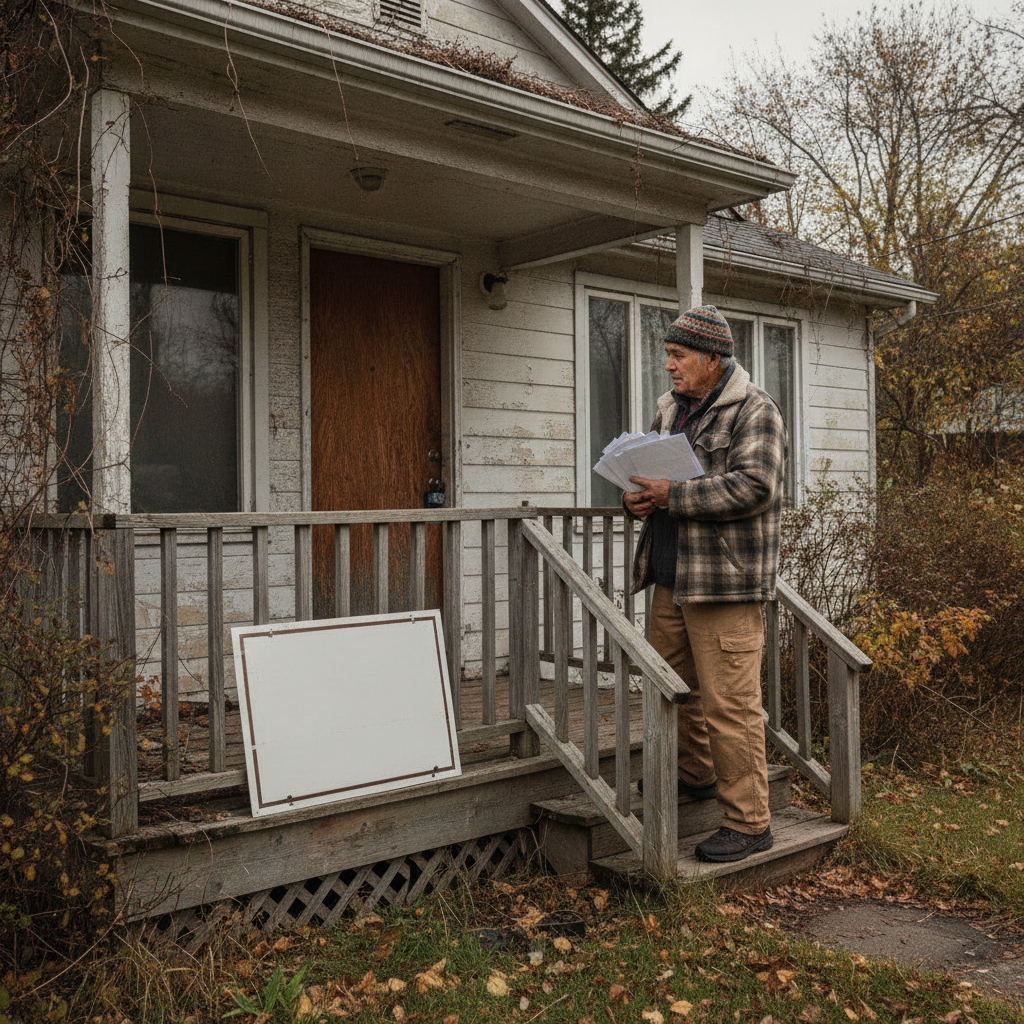
Costs of Administering an Intestate Estate
| Cost Category | Range | Why Required |
|---|---|---|
| Lawyer for estate administration | $3,000-8,000 | Legal guidance, paperwork preparation, court filings |
| Probate court fees | $150-1,000 (sliding scale, 1.5% on assets over $250K) | Court validation of administrator authority |
| Home appraisal and valuation | $500-1,500 | CRA requires property valuation for capital gains assessment |
| Accountant for final tax return | $500-1,500 | Final return preparation; potential capital gains tax |
| Funeral costs | $3,000-10,000 | Often covered by estate, not your pocket |
| Debt repayment | Variable | Mortgage, credit cards, final bills owed by deceased |
| Banking/investment liquidation | $0-500 | Bank fees for estate account administration |
| Real estate sale costs (if home sold) | 4-6% of sale price | Realtor commission, legal fees |
| Mediation/family law (if sibling conflict) | $5,000-20,000 | Resolution of disputes over distribution |
| Total typical case | $13,000-25,000 | Does not include funeral costs or debt repayment |
Why Adult Children Need Reverse Mortgage Funding for Intestate Estates
An adult child managing an intestate parent's estate faces several challenges:
1. Timeline pressure while grieving. You have 18-36 months to settle the estate while managing grief. Professional legal help is essential but expensive.
2. Personal financial impact. As administrator, you're responsible for estate debts, legal costs, and obligations—even if you can't immediately access inheritance to reimburse yourself.
3. Sibling conflict delays settlement. Without a will, siblings often dispute distribution. Legal resolution costs compound the administration costs.
4. Home management during probate. The family home is frozen as estate asset. Maintenance, property tax, and mortgage (if any) must be paid from the estate. If the estate is cash-poor, guess who pays? The administrator (you).
5. CRA tax assessment. The deceased's final tax return is complex if they owned a home, investments, or RRSP. Professional accountant help is necessary—this is not DIY territory.
Without adequate funding for legal help, administrators often make costly mistakes: missing deadlines, improperly distributing assets, incurring CRA penalties, or creating situations requiring later legal correction.
Using a Reverse Mortgage to Fund Estate Administration
If you're the adult child managing an intestate parent's estate and the family home is in the estate:
Option 1: Borrow against the home while it's in the estate Some reverse mortgage lenders will provide a reverse mortgage on a property that's in estate (undergoing probate), allowing the administrator to:
- Pay legal costs and probate fees
- Maintain the home (property tax, insurance, repairs)
- Pay the administrator's own costs (time off work, travel)
The reverse mortgage is repaid from estate proceeds when the home is eventually sold or transferred.
Option 2: Borrow against your own home (if you own one) If you're the administrator but don't own the home in estate, you can borrow against your own home to fund your costs as administrator. You're legally entitled to reimbursement from the estate once probate settles.
Why reverse mortgage vs. other options:
| Option | Advantage | Disadvantage |
|---|---|---|
| Reverse mortgage | Immediate capital; no monthly payments; flexible repayment | Interest accrues; must have home equity |
| Personal loan | Faster approval than HELOC | Requires good credit; monthly payments may strain budget |
| HELOC | Flexible; interest-only options | Takes longer to set up; may require traditional mortgage refinancing |
| Borrowing from siblings | Family-based solution | Requires sibling agreement; potential conflict |
| Estate advance loan | Designed for this purpose; repaid from estate | Few lenders available; may require attorney involvement |
A reverse mortgage is often the most practical choice because:
- You need immediate capital
- You don't want mandatory monthly payments while managing estate
- You plan to repay from estate proceeds (no repayment pressure)
Steps to Manage an Intestate Estate
Step 1: Notify the Court
File an application for probate to have yourself appointed as estate administrator. Cost: $150-300 court fee + lawyer assistance ($1,000-2,000).
Step 2: Hire Estate Lawyer
Essential. Cost: $3,000-8,000 depending on estate complexity and sibling conflict. This investment prevents far more costly mistakes.
Step 3: Identify All Assets
Work with lawyer and accountant to identify:
- Real estate (get professional appraisal)
- Bank accounts and savings
- Investments (stocks, bonds, mutual funds)
- Registered accounts (RRSP, TFSA)
- Insurance policies
- Personal property (valuables, vehicles)
Step 4: Secure Financing (Reverse Mortgage or Other)
Once you understand the estate's total assets and debts, determine if you need interim financing for:
- Legal and probate costs
- Home maintenance and property taxes
- Administrator's costs (time, travel)
- Creditor claims and funeral costs
Get reverse mortgage pre-qualification if the family home is in the estate.
Step 5: Manage Probate and Settlement
Follow your lawyer's guidance to:
- File final tax return
- Pay creditors and final debts
- Resolve sibling disputes (mediation if necessary)
- Prepare for asset distribution
Step 6: Repay Reverse Mortgage from Estate Proceeds
Once the estate settles (12-36 months), use proceeds to repay the reverse mortgage. This is typically the final step before distributing inheritance to beneficiaries.
Frequently Asked Questions
How long does probate take for an intestate estate in Ontario?
Typically 8-12 months for straightforward estates. Estates with sibling conflict, complex assets, or CRA disputes can take 18-36 months. Budget for 12-18 months as a baseline.
Can I use a reverse mortgage to pay funeral costs?
Technically yes, but burial/cremation is usually an immediate priority before probate begins. Most families pay funeral costs directly (and are reimbursed later from the estate). A reverse mortgage would typically fund the longer, ongoing administration costs.
What if siblings disagree on who should be the estate administrator?
The court appoints an administrator (usually the closest relative, often an adult child). If siblings disagree, they can contest the appointment. This requires legal intervention ($5,000-15,000) and delays probate significantly. Mediation before court is preferable.
Can I claim a reverse mortgage interest as an estate expense?
Not directly, but interim financing costs to manage the estate may be claimed as estate administration expenses. Discuss with your estate lawyer and accountant.
What if the estate doesn't have enough assets to repay a reverse mortgage?
This is a risk consideration. If you borrow against the family home (in estate) and the estate ends up insolvent, the reverse mortgage becomes a personal debt. Discuss worst-case scenarios with your lawyer before borrowing. Generally, a well-documented estate with a $850,000+ home should generate sufficient proceeds to repay the reverse mortgage.
Moving Forward
If your aging parent dies without a will:
-
Don't panic. Probate is complex but manageable with proper help.
-
Hire an estate lawyer immediately. This investment prevents far more costly mistakes. Cost: $3,000-8,000.
-
Get reverse mortgage pre-qualification if you need interim financing for costs.
-
Communicate with siblings early. Explain the administrator role and expected process. Prevent conflict before it escalates.
-
Be patient with the timeline. Probate is 8-12 months minimum; don't pressure faster settlement if it risks mistakes.
Ready to Learn More?
Find out exactly how much you could unlock from your home — free and no obligation.
Related Articles
Reverse Mortgage for Estate Settlement Costs and Probate Fees
Plan ahead for probate, legal, and administrative costs using a reverse mortgage. Protect your estate and ensure smooth settlement for Ontario heirs.
Read →Reverse Mortgage Estate Planning Checklist for Ontario Homeowners
A 10-item estate planning checklist for Ontario homeowners with a reverse mortgage — covers wills, executors, projected balances, and annual reviews.
Read →What Happens to a Reverse Mortgage When You Die in Ontario? A Guide for Families
What happens to your home and reverse mortgage when you pass away in Ontario? A clear guide for homeowners and their families on estate settlement, repayment, and protecting your heirs.
Read →