
Reverse Mortgage for Aging Parent's Artistic Legacy: Funding Deferred Creative Dreams
Always wanted to paint, write, or perform? Reverse mortgage funds late-life artistic pursuits and documents your creative legacy for family.
What creative dream have you deferred for 40 years? Many aging parents arrive at retirement with unfinished artistic or creative aspirations — the novel they always meant to write, the pottery studio they imagined, the music lessons they never took, the art classes that seemed frivolous compared to raising a family and paying a mortgage.
A reverse mortgage can fund the creative legacy you've always wanted to build.
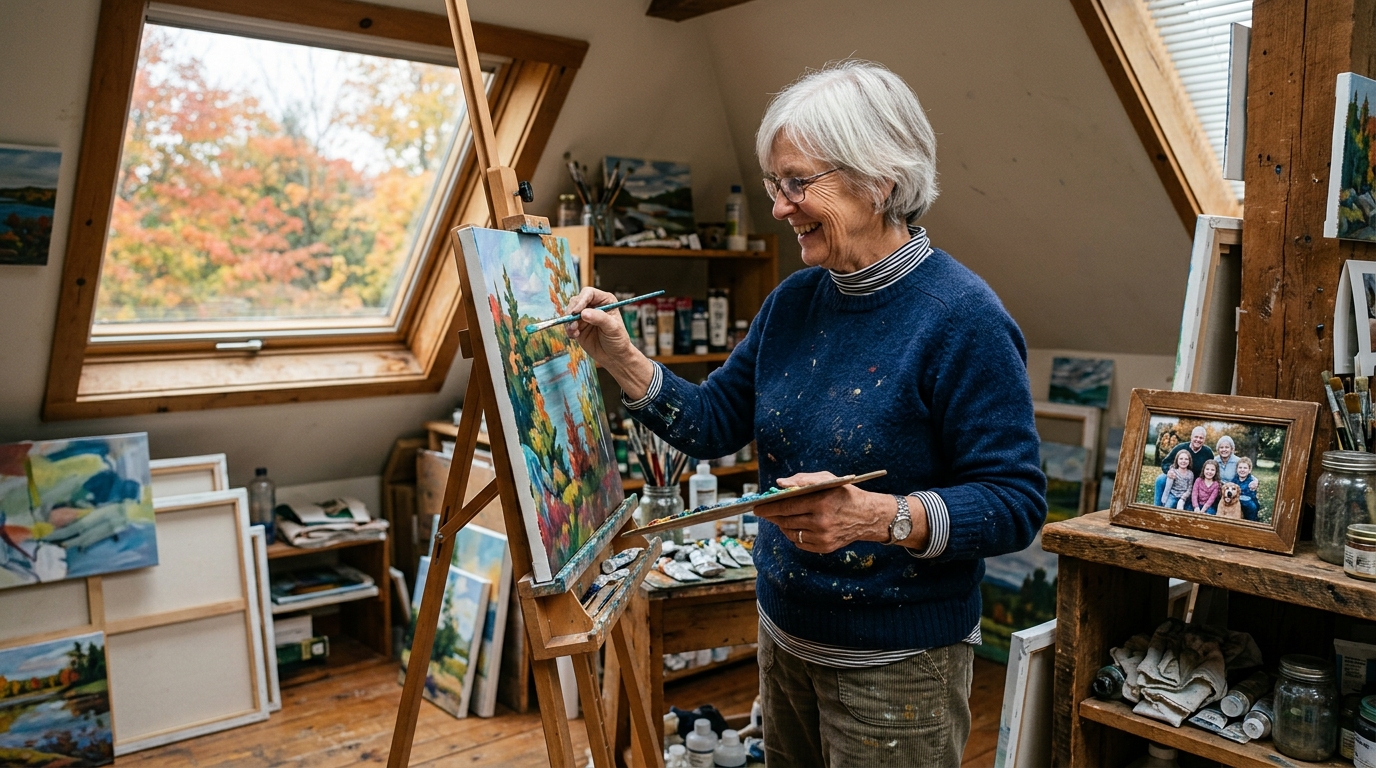
The Psychological Cost of Deferred Dreams
Psychologists call it "identity loss" — when people retire without a clear sense of purpose beyond paid work, they often experience depression, loss of meaning, and accelerated cognitive decline.
But artists and creative people who pursue late-life projects show opposite outcomes: improved mental health, stronger cognitive function, and a deep sense of purpose and legacy.
According to research published in The Gerontologist, aging adults who pursue creative projects report:
- 40% improvement in reported life satisfaction
- 35% reduction in depression and anxiety symptoms
- Stronger social connections (art classes, creative communities, collaboration)
- Sense of legacy (documenting their creative work for family)
The Real Costs of Late-Life Creativity
Unlike casual hobbies, serious artistic pursuit requires investment:
| Creative Pursuit | Equipment/Setup | Classes/Training | Studio/Space | Annual Cost |
|---|---|---|---|---|
| Painting (oils, acrylics, watercolor) | $500–$2,000 | $500–$2,000/year | Studio rental $200–$500/mo | $3,000–$8,000 |
| Writing (novel, memoir, poetry) | Laptop (included) | Writing classes $500–$2,000/year | Home office | $500–$2,000 |
| Pottery and ceramics | Wheel, kiln, tools $3,000–$10,000 | Classes $1,000–$3,000/year | Studio access $200–$400/mo | $5,000–$15,000 |
| Music (instrument + lessons) | Instrument $1,000–$5,000 | Lessons $50–$100/week | Home space | $3,500–$10,000 |
| Photography (DSLR/mirrorless) | Camera equipment $2,000–$6,000 | Classes $500–$1,500 | Darkroom/studio | $3,500–$10,000 |
| Documentary filmmaking | Video equipment $3,000–$8,000 | Courses $1,000–$3,000 | Editing software $500–$2,000 | $5,000–$15,000 |
According to Statistics Canada, creative pursuits among adults 65+ have increased 45% since 2015, as retiring Baby Boomers redirect time and energy into artistic expression.
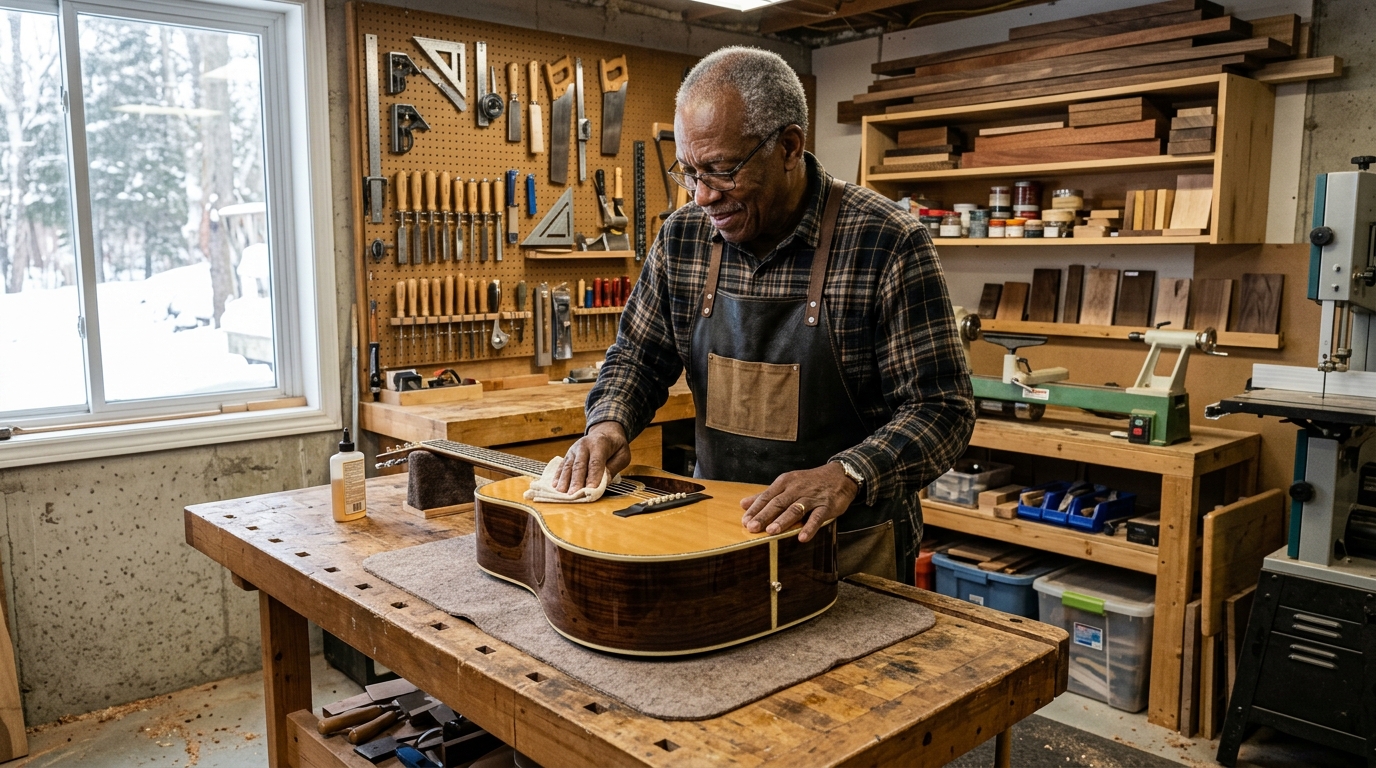
From Hobby to Legacy: Why Serious Investment Matters
There's a difference between casual painting and meaningful artistic practice. Serious artists invest in quality tools, skilled instruction, and dedicated space. This isn't frivolous — it's the difference between dabbling and creating work you're genuinely proud of.
Many aging parents say: "I'd love to do this, but I can't justify the expense when I'm already retired."
Here's the truth: a reverse mortgage can fund meaningful creative work because:
- It comes from your home equity — not from CPP/OAS or savings you need for living expenses
- It's a one-time investment with lasting returns (your art, your legacy)
- Creative pursuits improve mental health — potentially reducing healthcare costs later
- You're creating a tangible legacy that your family will treasure long after you're gone
Scenario: From Career-Long Deferral to Working Artist
Patricia, age 68, has wanted to paint seriously her entire life. She worked as a teacher, raised three children, and never had the money or time for real art training. Now retired, she has:
- Stable CPP/OAS income covering living expenses
- $400,000 in home equity
- A lifetime of visual ideas she's never expressed
Her vision:
- Take a 6-month intensive painting program at a local art college ($6,000)
- Convert a spare bedroom into a proper art studio ($3,000)
- Buy quality paints, canvases, and professional-grade supplies ($2,000)
- Rent shared studio space for larger work ($300/month for 3 years = $10,800)
- Hire a personal art coach for monthly guidance ($200/month for 2 years = $4,800)
Total investment: ~$27,000 over 3 years.
Using a reverse mortgage:
- Patricia accesses $30,000 from her home equity
- She invests in proper training and equipment
- Within 18 months, she's creating work she genuinely loves
- She builds relationships with other artists and shows her work locally
- She documents her artistic journey for her three children — creating a legacy
Outcome: Patricia's mental health, purpose, and social connection all improve. She's creating a legacy her children will inherit and treasure.
Documenting Your Creative Legacy
Part of funding artistic pursuit is documenting it for the future. Consider:
- Commissioning a family documentary about your artistic journey ($2,000–$5,000)
- High-quality photography of your completed artwork ($1,000–$3,000)
- Written artist statement or memoir explaining your creative philosophy
- Video interviews with you discussing your work and its meaning
- Digital archive of your creative work organized for family
A reverse mortgage can fund these documentation efforts, transforming your art from personal hobby into family legacy.
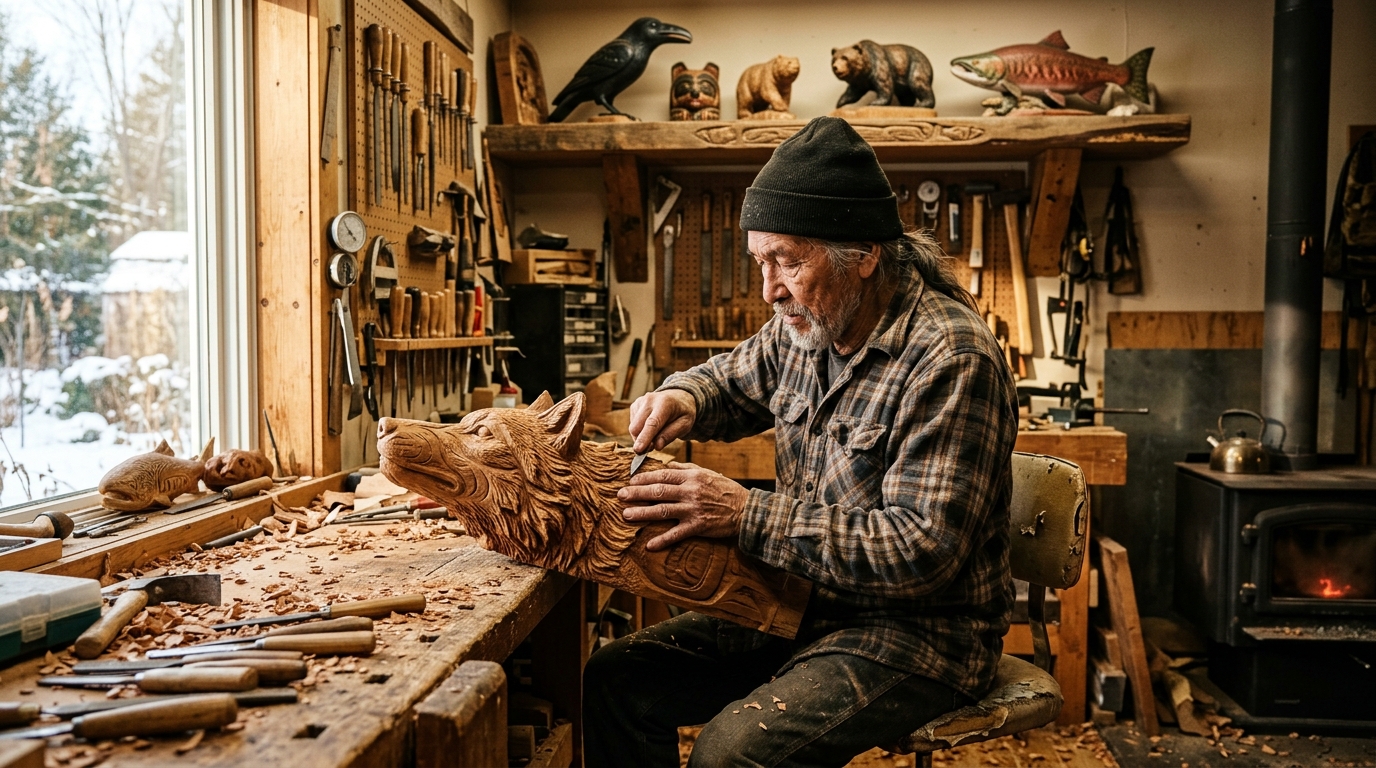
Building Community Through Creative Pursuit
One unexpected benefit: artistic pursuits create community. Your aging parent may have retired from work relationships, but a pottery studio or art class becomes a new social network.
Funding serious artistic practice often means:
- Weekly classes with peers (instant social connection)
- Participation in artist communities or gallery exhibitions (purpose and recognition)
- Collaborative projects (mentoring younger artists, collaborating with peers)
- Public shows or displays (legacy and recognition)
These social connections have documented health benefits: reduced dementia risk, lower depression, stronger immune function.
Key Takeaways
- Deferred creative dreams are legitimate uses of home equity — they improve mental health, cognitive function, and quality of life
- Serious artistic pursuit costs $3,000–$15,000 annually — a reverse mortgage can fund this without depleting retirement income
- Creative pursuits create social connection and community — isolation risk decreases significantly
- Documenting your art creates a tangible legacy your family will treasure
- The psychological benefits rival any healthcare expense — investment in creativity pays dividends in wellbeing
- It's not frivolous — it's legacy building
Steps to Fund Your Artistic Legacy
1. Get clear on your vision. What art do you want to create? What training do you need? What equipment? What space? Get actual cost quotes.
2. Assess your retirement security. Does your CPP/OAS cover living expenses? Do you have emergency savings separate from home equity? Only proceed if retirement basics are solid.
3. Research programs and instructors. Find quality instruction in your chosen field. Community colleges, private studios, and online programs all have options.
4. Set a realistic timeline. How long do you want to pursue this seriously? 5 years? 10 years? Until your 80s? Set expectations.
5. Talk to Rick Sekhon Reverse Mortgages. Get a quote on how much you can access and at what cost.
6. Document your journey. Plan how you'll preserve and share your artistic legacy with family.
Frequently Asked Questions
Is using a reverse mortgage for art frivolous?
No. Creative pursuit improves mental health, cognitive function, and quality of life — benefits that rival any medical expense. If you have home equity and stable retirement income, artistic investment is legitimate legacy building.
What if I'm not naturally talented?
This isn't about becoming famous. It's about creating meaningful work and building community. Many serious artists come to their craft late in life, with no prior experience.
Should I involve my adult children in this decision?
Not unless you need to — a reverse mortgage is your decision to make. However, telling your adult children about your creative pursuits and legacy plans can deepen your relationship with them.
What if I run out of energy or get sick?
That's a real risk. Set a realistic timeline and build in flexibility. If illness interrupts your artistic pursuits, accept the pivot. The early years of serious creative work still build lasting legacy.
Can I sell my artwork and recover some reverse mortgage costs?
Yes, many aging artists do sell their work — though typically not enough to cover full costs. Some donate artwork, gift it to family, or display it locally. The financial investment is usually in the creative pursuit itself, not in generating income.
How does pursuing art affect my home's value or reverse mortgage terms?
It doesn't. Home modifications for studio space (like a home office) may actually improve value. Your reverse mortgage terms are based on home equity and your age — not on how you use the funds.
Next Steps
Your creative dreams are valid. Funding them is a legitimate use of home equity you've spent a lifetime building.
Talk to Rick Sekhon Reverse Mortgages about accessing your equity to fund the artistic legacy you've always wanted to create.
Ready to Learn More?
Find out exactly how much you could unlock from your home — free and no obligation.
Related Articles
Reverse Mortgage to Fund Your Aging Parent's Final Wishes and Legacy Bucket List
Help your aging parent fulfill their dreams and wishes in their final years using a reverse mortgage. Legacy experiences for Ontario seniors 55+.
Read →Reverse Mortgage for DEI Consulting Practice: Launching Diversity, Equity, and Inclusion Consulting in Retirement
Start a diversity and inclusion consulting practice. Help corporations and nonprofits build equitable cultures; reverse mortgage funds training, business setup, and market entry.
Read →Reverse Mortgage for Residential Sustainability Auditing Practice: Certifying Aging in Place
Launch a professional home energy and sustainability auditing business. Help Ontario homeowners certify efficiency; reverse mortgage funds training, tools, and market entry.
Read →