
Reverse Mortgage When Adult Children Discover Aging Parent's Hidden Debts
Managing unexpected debts discovered during aging parent's move, hospitalization, or death. Ontario guide for handling secret financial obligations.
Does your aging parent have secret debts you're just discovering? Many adult children experience shock when moving an aging parent into care, reviewing their financial records, or managing their estate post-death—only to uncover debts the parent never disclosed: private loans to family members they won't forgive, payday loans carrying 300%+ interest, credit card debt accumulated from compulsive spending, or guarantees on adult children's loans they've been making payments on secretly. These discoveries create immediate financial and emotional crisis. Your parent can't work; the debts are legally your parent's responsibility (not yours), but emotionally, you feel obligated to resolve them. A reverse mortgage can provide the capital to address these obligations decisively before they destroy your parent's finances and your inheritance.

Why Aging Parents Hide Debts
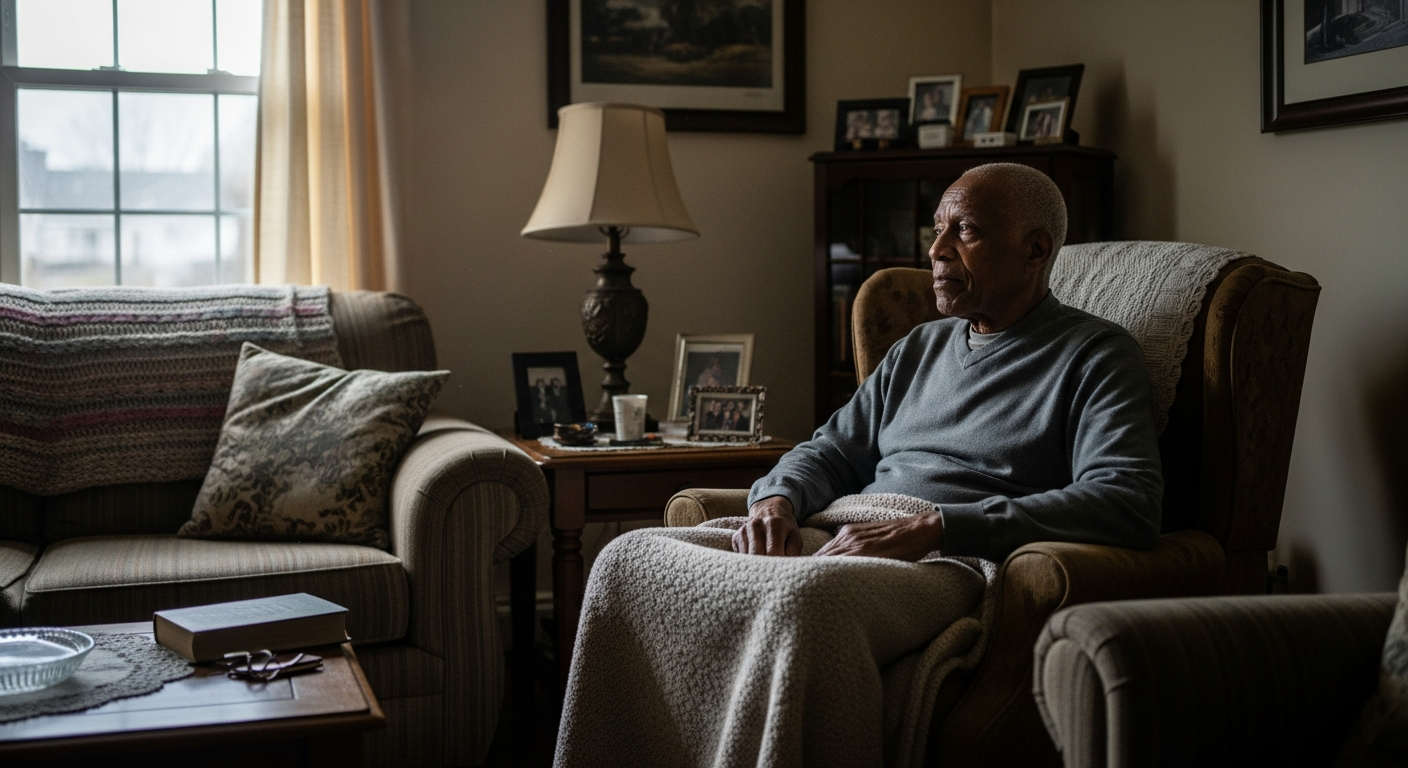
Adult children often ask: "Why didn't Mom/Dad just tell us?" Several factors drive hidden debt:
| Factor | Why Aging Parent Hides Debt |
|---|---|
| Shame and embarrassment | Parent spent decades teaching financial responsibility; debt feels like failure |
| Desire to maintain independence | Fear that revealing debt triggers adult children's control over finances or forced care decisions |
| Protection of adult children | Parent guarantees an adult child's loan secretly; doesn't want child to know about debt |
| Cognitive decline | Parent with early dementia may be confused about debt status or repeatedly forget it exists |
| Financial abuse or exploitation | Predatory lender or family member has isolated parent; parent afraid to disclose |
| Denial | Parent minimizes or denies debt exists, even to themselves |
| Previous family conflict | Parent hides debt because they know adult children would judge harshly |
Understanding the root cause helps adult children respond with compassion rather than anger.
Common Types of Hidden Debts in Aging Parents

| Debt Type | Why Hidden | Typical Amount | Risk |
|---|---|---|---|
| Private loans to family members | Embarrassment; fear family member won't repay | $5,000-50,000 | Family conflict if you try to collect |
| Payday loans or high-interest debt | Shame over predatory borrowing | $2,000-10,000 | Interest balloons; becomes unmanageable |
| Credit card debt | Compulsive spending; cognitive decline | $5,000-30,000 | Monthly minimum payments strain fixed income |
| Loans guaranteed for adult children | Parent trying to help; child's debt became parent's responsibility | $10,000-100,000 | Parent liable if child defaults |
| Informal loans from friends | Personal shame; doesn't feel "real" | $1,000-20,000 | Friends may pursue collection aggressively |
| Medical debt (private treatment) | Paid for expensive private healthcare; debt remained unpaid | $5,000-20,000 | Collection agencies, credit damage |
| Reverse mortgage from previous lender (unfinished) | Didn't understand terms; thought it was settled | $15,000-50,000+ | Previous lender may pursue collection |
| Tax debt from CRA | Unreported income, self-employment | $5,000-50,000 | CRA wage garnishment, liens |
The common theme: elderly parents often don't fully understand the debts they've incurred—especially with cognitive decline or predatory lending involvement.
Real-World Scenario: The Martinez Family Discovery
Carlos, 79, had a stroke and moved into his son Miguel's home temporarily for recovery. Miguel decided to review his father's finances to manage bills during recovery.
What Miguel discovered in his father's desk:
- Five credit cards with $38,000 total balance (some cards had $6,000+ balances and annual fees)
- A bank statement showing automatic $800/month transfer to Carlos's sister in Mexico (for 3 years; $28,800 total)
- A loan document showing Carlos guaranteed his daughter's car loan ($22,000 remaining); his daughter had stopped paying; lender was demanding Carlos pay
- Medical bills from an expensive private clinic ($8,500) marked "Overdue—In Collections"
- A payday loan letter threatening legal action ($3,200 owed with $5,600 in accumulated interest)
- CRA letters regarding unreported self-employment income from a house-painting side business (tax debt: $12,400)
Total hidden debt discovered: ~$116,100
Carlos's fixed income (CPP + pension): $2,100/month. His living expenses: $1,800/month. He could theoretically pay $300/month toward debt, which would take 32+ years to clear before accounting for interest.
The family's dilemma:
- Carlos couldn't work; the debt legally belonged to him but he couldn't pay it
- If Carlos declared bankruptcy, he'd lose his home (which had $250,000 equity)
- If they ignored the debt, creditors would pursue collection, garnish CPP (partially protected but at risk), and pursue liens against his home
- Miguel felt obligated to help but was devastated by the debt amount
- Carlos felt ashamed and depressed about the financial catastrophe he'd created
The solution: Miguel helped his father access a $120,000 reverse mortgage, structured as:
- $38,000 to settle credit card debt (some credit cards offered 10-20% settlement discounts; negotiated down to $32,000)
- $22,000 to settle the car loan guarantee (daughter was grateful; promised to rebuild her credit)
- $9,500 to settle medical collections (settled at discounted rate)
- $3,200 to settle the payday loan
- $12,400 to settle CRA tax debt
- $3,000 for legal guidance on CRA negotiations and settlements
- $40,000 reserve for any outstanding or overlooked debts and contingencies
Outcome:
- Debts cleared within 3 months
- Carlos's credit began recovering immediately
- No wage garnishment or home liens
- Carlos could focus on stroke recovery without financial anxiety crushing him
- Miguel's role shifted from "debt manager" to "caregiver" (healthier dynamic)
- Inheritance to Miguel's siblings was reduced (they inherited estate minus $120,000 RM debt), but family remained intact and cooperative
Cost analysis:
| Scenario | Cost Over 5 Years |
|---|---|
| Let debt accumulate (no reverse mortgage) | ~$50,000 in interest/penalties; potential home lien; inheritance destroyed; family conflict |
| Use reverse mortgage to settle | $120,000 debt + ~$43,000 RM interest (5 years) = $163,000; but home preserved; family harmony |
| Bankruptcy | Lost home equity; credit destroyed 7 years; family savings spent on legal fees |
While the reverse mortgage had significant cost, it was clearly superior to alternatives.
Assessment: When to Use Reverse Mortgage for Hidden Debts
Good candidates for reverse mortgage settlement:
- ✓ Total hidden debt is $30,000-150,000
- ✓ Your parent has home equity of $200,000+
- ✓ Your parent cannot realistically pay debts from income (fixed pension/CPP too small)
- ✓ Debts include high-interest items (payday loans, credit cards) where interest will compound significantly
- ✓ You want to protect the home and inheritance from liens/seizure
- ✓ You prioritize family harmony and your parent's peace of mind
Poor candidates:
- ✗ Debts are under $15,000 (not worth reverse mortgage setup costs)
- ✗ Parent has minimal home equity ($50,000 or less)
- ✗ Parent has multiple mortgages or liens already against home
- ✗ Parent's cognitive decline is severe; reverse mortgage requires decision-making capacity
Strategy: Negotiations and Settlements
Before accessing a reverse mortgage, try to negotiate settlements with creditors:
Credit card companies: Often accept 20-40% discounts if you offer lump-sum payment. Call the creditor, explain your parent's situation, and ask: "If we can pay 70% of the balance immediately, would you accept that as settlement?"
Payday lenders: More aggressive but sometimes negotiate. They'd rather have 80% quickly than chase 120% through collection.
CRA tax debt: Call the CRA Collections line and request a Voluntary Disclosure or Consumer Proposal arrangement. CRA sometimes reduces interest or waives penalties if your parent discloses unreported income voluntarily.
Private lenders and family loans: These are hardest. However, explain your parent's circumstances. Some family members will forgive the debt; others will accept partial repayment.
Even 10-15% settlement discounts across all debts can save $5,000-15,000 from the reverse mortgage balance you need to access.
Frequently Asked Questions
If my aging parent has hidden debts, am I legally responsible to pay them?
No. Debts are your parent's legal responsibility, not yours. However, if your parent dies, the debts become obligations of the estate—reducing inheritance. Creditors cannot pursue you personally unless you co-signed the debt (which you'd see in documents).
Exception: If you guaranteed a loan or co-signed, you're liable. Check your parent's documents carefully.
Should I tell my aging parent about the debts I discovered, or just settle them quietly?
This depends on your parent's cognitive state and emotional capacity. If your parent is mentally competent, transparency is usually best—they need to understand their financial situation. If your parent is cognitively impaired or extremely depressed, a doctor can advise on timing. Don't hide major financial decisions from competent parents; they may have preferences you're not considering.
What if my aging parent refuses to let me settle the debts?
They have the right to refuse. However, explain the consequences: creditors will pursue collection, wage garnishment (if applicable), home liens, and deteriorating credit. Sometimes, explaining the long-term impact motivates parents to accept help. If your parent refuses and you're concerned they'll be harmed, consult a family law lawyer about capacity and decision-making authority.
Can creditors seize my aging parent's CPP or OAS payments?
CPP/OAS are partially protected from creditor seizure (federal law), but court orders can enable garnishment up to 50% of net income. CRA has more aggressive powers and can garnish CPP. The more debts your parent has, the higher the risk. Settling through a reverse mortgage eliminates this ongoing risk.
What if my aging parent has Alzheimer's and can't consent to a reverse mortgage?
If your parent lacks decision-making capacity, you'd need legal guardianship or power of attorney authority to take a reverse mortgage on their behalf. Consult an elder law lawyer about capacity assessment and legal arrangements. The reverse mortgage lender will require proof of capacity or legal authority.
Should I tell my siblings about the hidden debts?
Yes. Eventually, they'll discover debts when settling the estate anyway. Telling them upfront (rather than them finding out during probate) prevents conflict and allows them to understand the inheritance impact. Transparency is usually healthier than secrets.
Moving Forward
If you discover your aging parent has hidden debts:
-
Make a complete list. Get credit reports (Equifax, TransUnion), review bank statements, contact creditors to confirm amounts owing.
-
Determine your parent's capacity to repay. Can they pay from income? What would repayment timeline look like?
-
Assess home equity. If your parent owns the home, what equity is available?
-
Get reverse mortgage pre-qualification. Understand your borrowing capacity for settlement.
-
Consult a lawyer if debts are complex (CRA, court-ordered obligations, or guarantee issues).
-
Have an honest conversation with your parent about the debts and the settlement plan.
-
Move forward decisively. The longer debts linger, the more interest accrues. Act within 1-3 months of discovery.
Ready to Learn More?
Find out exactly how much you could unlock from your home — free and no obligation.
Related Articles
Reverse Mortgage for Debt Consolidation in Ontario: Complete Guide
How Ontario seniors use a reverse mortgage to eliminate high-interest debt, stop monthly payments, and restore cash flow in retirement. Real numbers included.
Read →Reverse Mortgage for Accessible Community Kitchen: Culinary Training and Aging in Place
Convert your home kitchen into an accessible commercial culinary training space. Reverse mortgage funds renovation while creating community impact.
Read →Reverse Mortgage to Launch Home-Based Tax Prep and Retirement Planning Business
Fund your home-based tax and retirement planning practice with a reverse mortgage. Serve aging Canadians while accessing home equity in Ontario.
Read →