
Reverse Mortgage for Home Modifications After Adult Child's Traumatic Brain Injury (TBI): Cognitive Recovery Support
Fund home accessibility and cognitive recovery modifications for adult child with TBI using a reverse mortgage. Ontario brain injury rehabilitation support.
Your adult child suffered a traumatic brain injury (TBI) in a car accident. After months of hospital recovery, they're being discharged home—but the neurological damage is profound: short-term memory loss, difficulty with executive function (planning, organizing), balance problems, and extreme fatigue. Your current home isn't designed for brain injury recovery. Stairs are dangerous; your child gets lost navigating familiar rooms; the noisy, visually busy environment triggers migraines and cognitive overload. A reverse mortgage can fund the brain injury-specific home modifications and adaptive equipment your child needs to recover safely.
Understanding TBI Recovery and Home Environment Needs
Traumatic brain injury causes neurological damage with variable severity. Depending on the injury location and extent, your adult child may experience:
- Cognitive impairments: Memory loss, executive dysfunction (planning, organizing), attention deficits, language difficulties
- Physical deficits: Balance/coordination problems, weakness, paralysis (mild to severe)
- Sensory sensitivities: Light sensitivity (photophobia), sound sensitivity (phonophobia), balance disorders
- Emotional/behavioral changes: Irritability, depression, personality shifts, disinhibition
- Fatigue: Extreme tiredness unrelated to activity level; sleep disorders
Home modifications must address these specific deficits:
| TBI Recovery Need | Home Modification | Cost | Benefit |
|---|---|---|---|
| Balance/fall risk | Hallway handrails, grab bars, non-slip flooring | $2,000–$5,000 | Prevents dangerous falls during cognitive recovery |
| Memory/orientation issues | Clear wayfinding (color-coded rooms, large labels), simplified layout | $1,500–$4,000 | Reduces confusion; supports independence |
| Light/sound sensitivity | Blackout curtains, soundproofing, dimmable lighting | $3,000–$8,000 | Reduces migraine/cognitive overload triggers |
| Fatigue management | Ground-floor bedroom, accessible bathroom, rest spaces | $5,000–$15,000 | Allows frequent rest without stair climbing |
| Cognitive task complexity | Simplified kitchen (fewer cabinets, obvious storage), visual schedules | $2,000–$5,000 | Reduces executive function demands |
| Gross motor deficit (walking) | Ramps, widened doorways, accessible bathrooms, grab bars | $5,000–$20,000 | Enables safe mobility during rehabilitation |
Total typical TBI-focused renovation: $18,000–$57,000+
Early home modifications support faster neurological recovery. Brain plasticity (the brain's ability to rewire itself) is highest in the first 6–12 months post-injury. An accessible home environment reduces secondary injury risk and accelerates cognitive gains.
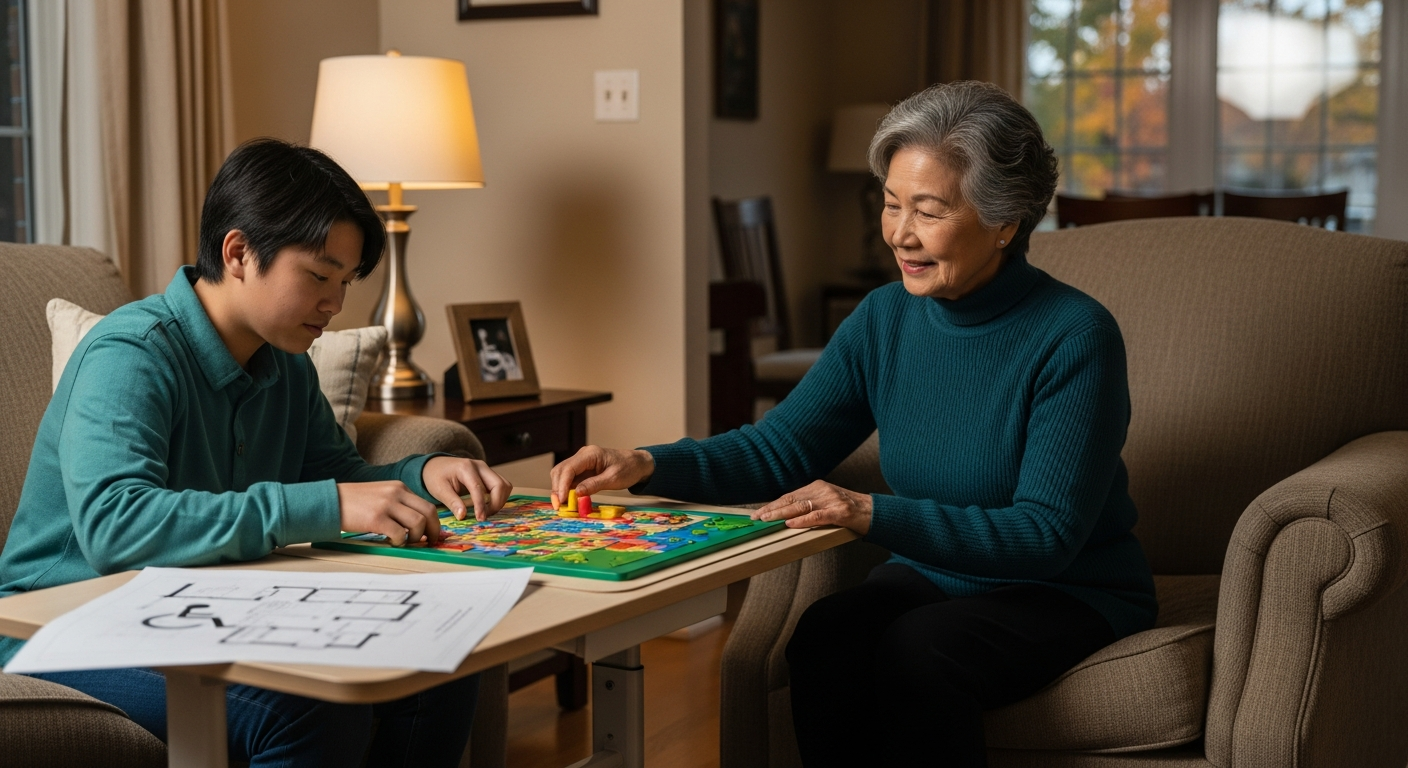
Physical vs. Cognitive Recovery Modifications
TBI recovery involves two distinct timelines that often require different home solutions:
Physical Recovery (3–12 months)
Focus: Mobility, balance, fall prevention
- Handrails, grab bars, ramps
- Ground-floor accessible spaces
- Modified bathrooms with safety features
- Accessible exercise/therapy spaces
Cognitive Recovery (6–24+ months)
Focus: Memory, executive function, sensory management
- Simplified, organized spaces (reduce decision-making)
- Color-coded wayfinding (support memory/orientation)
- Noise/light control (reduce cognitive overload)
- Dedicated quiet recovery spaces
- Visual schedules and reminders (compensate for memory loss)
Many families make the mistake of stopping renovations after physical recovery (when the child can walk). Cognitive modifications often matter more long-term, as memory and executive function impairments frequently outlast physical deficits.

Structured Reverse Mortgage Draws for 12–24 Month TBI Recovery
A line-of-credit reverse mortgage aligns perfectly with TBI recovery's evolving needs:
Months 0–3 (Hospital Discharge Planning)
- Draw $5,000–$10,000 for immediate safety modifications (handrails, grab bars, ramps)
- Install fall-prevention basics before discharge
Months 3–6 (Physical Recovery Focus)
- Draw $8,000–$15,000 for ground-floor bedroom conversion, accessible bathroom
- Prepare for increased independence as physical recovery progresses
Months 6–12 (Cognitive Recovery Emerges)
- Draw $5,000–$12,000 for cognitive modification: color-coding, simplified spaces, sound/light control
- Adjust home as neurological deficits become apparent
Months 12–24 (Long-Term Adaptation)
- Keep $10,000–$20,000 in reserve for ongoing cognitive support needs
- Some children require sustained modifications; others improve and modifications can be undone
Lenders like Equitable Bank and CHIP allow flexible line-of-credit draws over years, matching TBI recovery's unpredictable timeline.
Coordinating with OAS, CPP-D, and Disability Tax Credits
A critical coordination issue: improperly structured reverse mortgage proceeds can affect your adult child's disability benefits:
Protected Benefits:
- CPP Disability (CPP-D): Income from parents/reverse mortgage doesn't reduce eligibility
- Ontario Disability Tax Credit (DTC): Used for RDSP contributions (up to $200,000 liquid asset limit)
- Medical expense tax credits: TBI-related home modifications may qualify for deduction
To protect your child's benefits:
- Keep reverse mortgage in your name; don't gift funds as assets to your child
- Pay contractors directly from reverse mortgage (don't give cash to child)
- Document all modifications as "accessibility upgrades for disability accommodation" (supports DTC claims)
According to FCAC, families often lose disability benefits unintentionally by misstructuring education/support funds. Coordinate with a disability tax specialist.
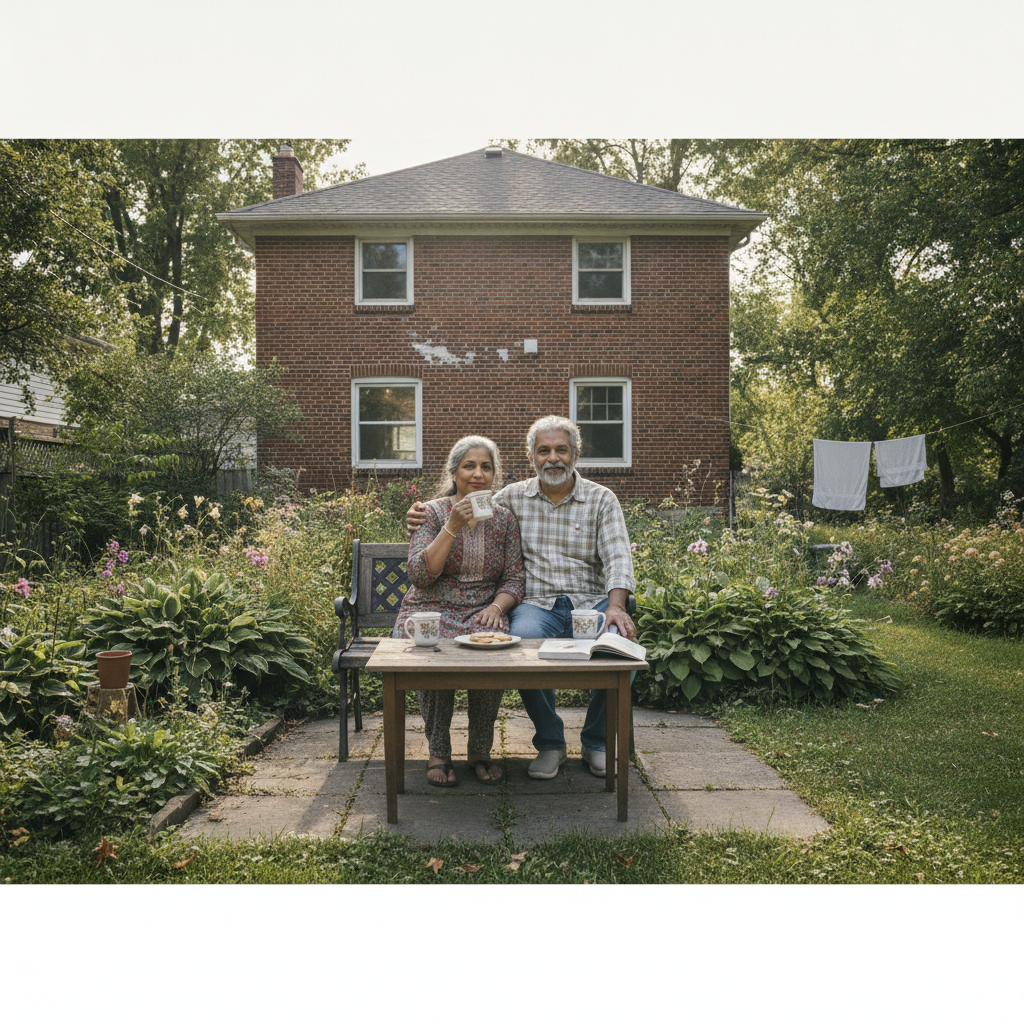
Real Ontario Case: Post-TBI Home Recovery
Thomas, 61, Hamilton
- Home value: $520,000
- Adult son: Age 28, suffered severe TBI (motor vehicle accident)
- Hospital discharge: 6 weeks post-injury; discharged with physical therapy needs and severe cognitive deficits
The Problem: Thomas's home is a 2-story Victorian with stairs to the bedroom and bathroom. Son cannot navigate stairs safely (balance impairment) and experiences severe memory loss and light sensitivity. Hospital discharge planner recommends ground-floor bedroom, accessible bathroom, and sensory-friendly space. Cost estimate: $35,000. Thomas is on a fixed income; can't afford renovation without reverse mortgage.
The Reverse Mortgage Solution: Thomas obtains a $60,000 line-of-credit reverse mortgage with Bloom Financial:
- Draws $8,000 immediately for temporary accessibility (ramps, grab bars, bathroom modifications)
- Draws $15,000 (months 1–3) for ground-floor bedroom conversion
- Draws $10,000 (months 6–12) for cognitive modifications: color-coded wayfinding, soundproofing, lighting control
- Keeps $27,000 reserved for ongoing therapy equipment, unexpected needs
Outcome: Son recovers safely at home with accessible, brain-injury-optimized environment. By month 18, cognitive deficits improve substantially; some home modifications are reversed. Thomas's reverse mortgage flexibility allowed adaptation as recovery progressed.
TBI Home Modification Lender Comparison
| Lender | LOC Option | Medical Timeline Flexibility | Ontario Support |
|---|---|---|---|
| Equitable Bank | Yes | Very High | Excellent |
| CHIP | Yes | High | Excellent |
| Bloom Financial | Yes | Very High | Very Good |
| Home Trust | Limited | Moderate | Good |
Rick Sekhon specializes in medical crisis reverse mortgages; recommend his consultation for TBI cases where timing and flexibility are critical.
Key Takeaways
- TBI recovery is a 12–24+ month process requiring physical and cognitive home modifications.
- Early brain injury-specific home modifications support neurological plasticity and faster recovery.
- A reverse mortgage line of credit aligns with TBI recovery's unpredictable timeline, allowing flexible draws as needs evolve.
- Total typical TBI home modification costs: $18,000–$57,000 (higher if severe motor deficits require extensive accessibility).
- Keep reverse mortgage proceeds in your name to protect your adult child's disability tax credits and CPP-D eligibility.
- Equitable Bank and Bloom Financial offer the highest flexibility for medical recovery timelines.
Frequently Asked Questions
How long does TBI cognitive recovery typically take?
Cognitive recovery varies widely depending on injury severity. Most patients see improvements for 12–24 months post-injury, with smaller gains continuing to year 5. Physical recovery often plateaus earlier (6–12 months) than cognitive recovery. Plan home modifications for at least a 24-month recovery window.
Can home modifications designed for TBI recovery be reversed if my child recovers most functioning?
Yes. Many modifications (color-coding, simplified layouts, soundproofing) can be undone or adapted if cognitive recovery exceeds expectations. This is why a line-of-credit reverse mortgage is ideal—you can adjust your total draw as your child's recovery trajectory becomes clearer.
Will my adult child's TBI qualify them for the Disability Tax Credit (DTC)?
If the TBI causes significant, lasting functional impairment in any of several categories (walking, perceiving, thinking, speaking, etc.), the DTC may apply. A neuropsychological assessment and physician certification (CRA Form T2201) are required. Many moderate-to-severe TBI patients do qualify.
What if my adult child regains substantial functioning and doesn't need the home modifications long-term?
Home modifications that enable recovery early are still valuable, even if later reversed. Early accessibility may be critical to preventing secondary injury during vulnerability. Also, some deficits (executive function, fatigue) may persist even if physical recovery is complete. Keep flexibility in your reverse mortgage plan.
Are TBI rehabilitation services (occupational therapy, speech therapy) covered by Ontario health insurance?
Partially. Hospital-based rehabilitation and some outpatient therapy are covered. Private OT/speech therapy is not. A reverse mortgage can fund ongoing private rehabilitation if public services have wait lists or gaps. Work with your child's discharge planner to clarify coverage.
Can I use reverse mortgage proceeds to hire a full-time cognitive coach or aide for my child during recovery?
Yes. These costs are eligible uses of reverse mortgage funds. Some may qualify as medical expenses for your adult child's tax return if the provider is a licensed therapist. Document carefully for potential disability tax credit inclusion.
Ready to Learn More?
Find out exactly how much you could unlock from your home — free and no obligation.
Related Articles
Reverse Mortgage to Stabilize Family Income: When Your Adult Child Works Precarious Gig
Support adult child in gig economy with reverse mortgage financial backstop. Stabilize family income when employment is unpredictable.
Read →Reverse Mortgage to Fund Your Own Mentorship Practice: Teaching the Next Generation
Launch a mentorship or coaching practice in retirement using home equity. Build income while teaching young leaders with a reverse mortgage.
Read →Reverse Mortgage When Your Home Has Never Been Registered as Principal Residence
Reverse mortgage options for homes without principal residence exemption registration. Legal strategies for Ontario homeowners.
Read →