
Reverse Mortgage for Home Modifications After Adult Child's Spinal Cord Injury: Accessibility and Recovery
Fund extensive home modifications for adult children with spinal cord injuries using a reverse mortgage. Comprehensive accessibility for SCI recovery in Ontario.
Has your adult child experienced a spinal cord injury (SCI), and your family is facing the devastating reality of extensive home modifications needed for wheelchair accessibility and independence? Spinal cord injuries change everything instantly. Your adult child, who may have been mobile days ago, now requires complete home redesign—wheelchair accessibility throughout, adapted bathrooms, specialized bedrooms, accessible kitchens. The costs are astronomical. A reverse mortgage can fund the comprehensive modifications your child desperately needs to have any hope of independence, dignity, and quality of life at home.
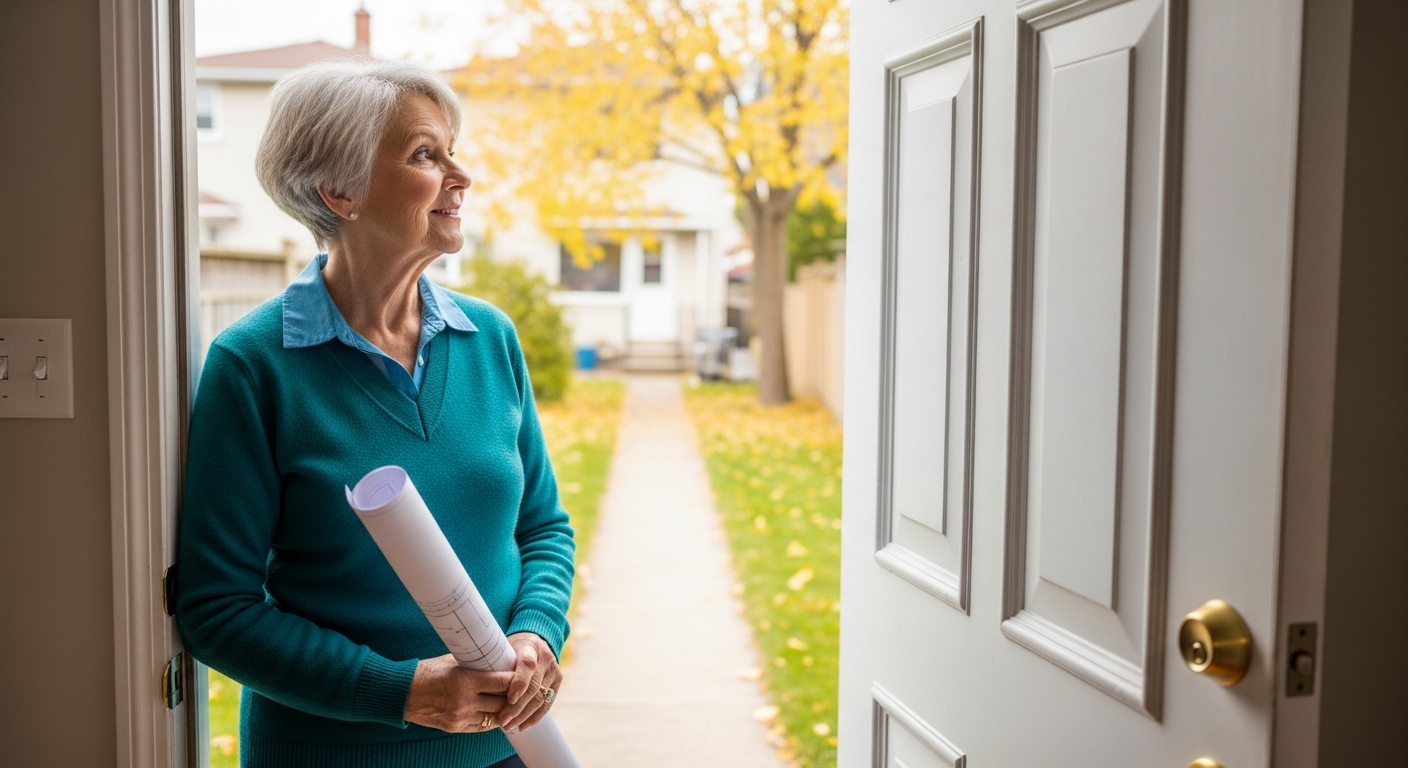
Understanding Spinal Cord Injury and Home Adaptation
A spinal cord injury causes partial or complete loss of function below the injury level. Results depend on:
- Level of injury: Cervical (neck), thoracic (mid-back), lumbar (lower back)
- Severity: Complete (no function below) vs. incomplete (some function remains)
- Age at injury: Younger individuals have longer life expectancy with SCI
According to the Canadian Paraplegic Association, approximately 1,200 new spinal cord injuries occur annually in Canada, with 86% due to trauma (accidents, falls, violence). Most are sudden, affecting young to middle-aged adults.
A person with paraplegia (lower body paralysis) can often adapt to home living with wheelchair accessibility. A person with high-level tetraplegia (all four limbs affected) requires extensive modifications and often full-time care assistance.
Home modification costs vary dramatically:
- Basic wheelchair accessibility: $15,000–$30,000 (ramps, accessible bathrooms, entry modifications)
- Comprehensive home renovation for SCI: $50,000–$150,000+ (complete redesign, accessible bedroom, kitchen, multiple bathrooms)
- Home designed from scratch for SCI: $200,000–$500,000+
For families with aging homeowners, a reverse mortgage is often the only realistic way to fund these modifications.
Essential SCI Home Modifications
| Modification | Purpose | Cost Range | Priority |
|---|---|---|---|
| Wheelchair ramp (with handrails) | Safe entry/exit; code-compliant slope | $3,000–$10,000 | Critical |
| Main-floor bedroom | Sleep without stair access during recovery | $10,000–$40,000 | Critical |
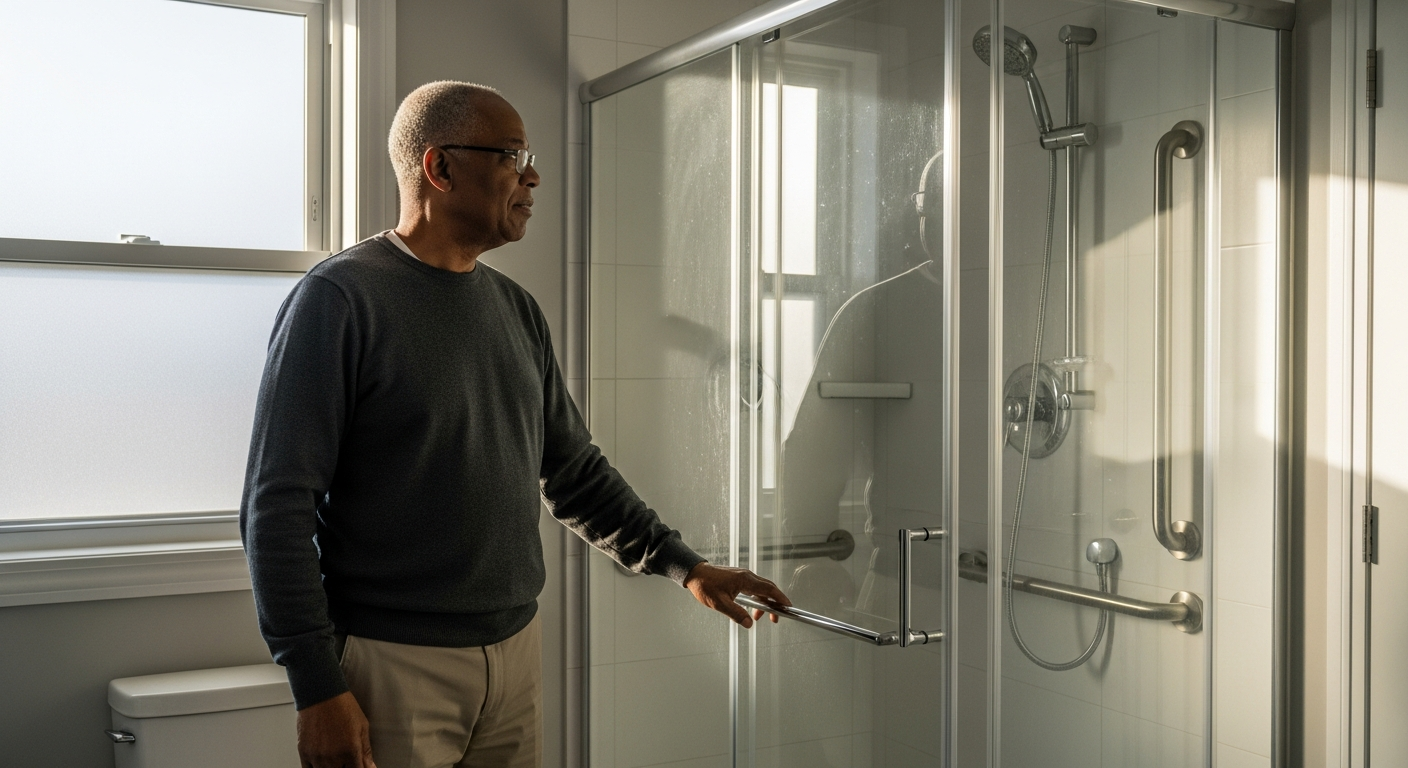
| Accessible main-floor bathroom | Shower, toilet, sink modifications | $12,000–$30,000 | Critical |
| Widened doorways and hallways | 36–42" clearance for wheelchair | $5,000–$15,000 | Critical |
| Accessible kitchen | Lower cabinets, accessible stove/sink | $8,000–$25,000 | High |
| Accessible garage/parking | Close-to-home accessible parking | $2,000–$8,000 | High |
| Lift systems (ceiling-mounted or mobile) | Transfer assistance for bathing, bed | $3,000–$15,000 | High |
| Flooring (non-slip, smooth) | Safe wheeling surface | $6,000–$20,000 | High |
| Smart home automation | Control lighting, doors, temperature | $3,000–$12,000 | Medium |
| Outdoor accessibility | Patio, garden access | $4,000–$15,000 | Medium |
| Secondary bathroom (if main is being renovated) | Functioning toilet/shower during construction | $5,000–$15,000 | As-needed |
Total comprehensive SCI home modification: $60,000–$170,000 depending on home size and baseline conditions.
Real-World Crisis: The Johnson Family
Daniel Johnson, 28, was hit by a car while cycling in Toronto. Spinal cord injury at T12 level resulted in complete paraplegia. He spent four months in rehabilitation, learning to use a wheelchair, manage bowel and bladder function, and cope with the psychological trauma of permanent disability.
When he was ready to leave the hospital, Daniel wanted to return home to his parents' house in Mississauga while they finalized his long-term living situation. His parents' home was a two-story 1980s suburban house: stairs at the front, tight bathrooms, narrow hallways. It was utterly inaccessible.
Daniel's parents accessed $80,000 from a reverse mortgage to:
- Build a wheelchair ramp at the side entrance ($6,000)
- Construct a main-floor bedroom from the existing dining room ($28,000)
- Renovate the main-floor bathroom with accessible shower and grab bars ($18,000)
- Widen hallways and doorways ($12,000)
- Install a mobile lift system for transfers ($8,000)
- Smart home automation for lighting and doors ($8,000)
The total cost: $80,000. The outcome: Daniel came home. He spent two years recovering, gradually rebuilding independence, learning to adapt to his new body. His parents provided the scaffolding—a physically accessible, emotionally supportive environment where healing could happen.
Daniel eventually moved to an accessible apartment and is now employed in disability advocacy. His parents' investment gave him the time and space to rebuild his life.
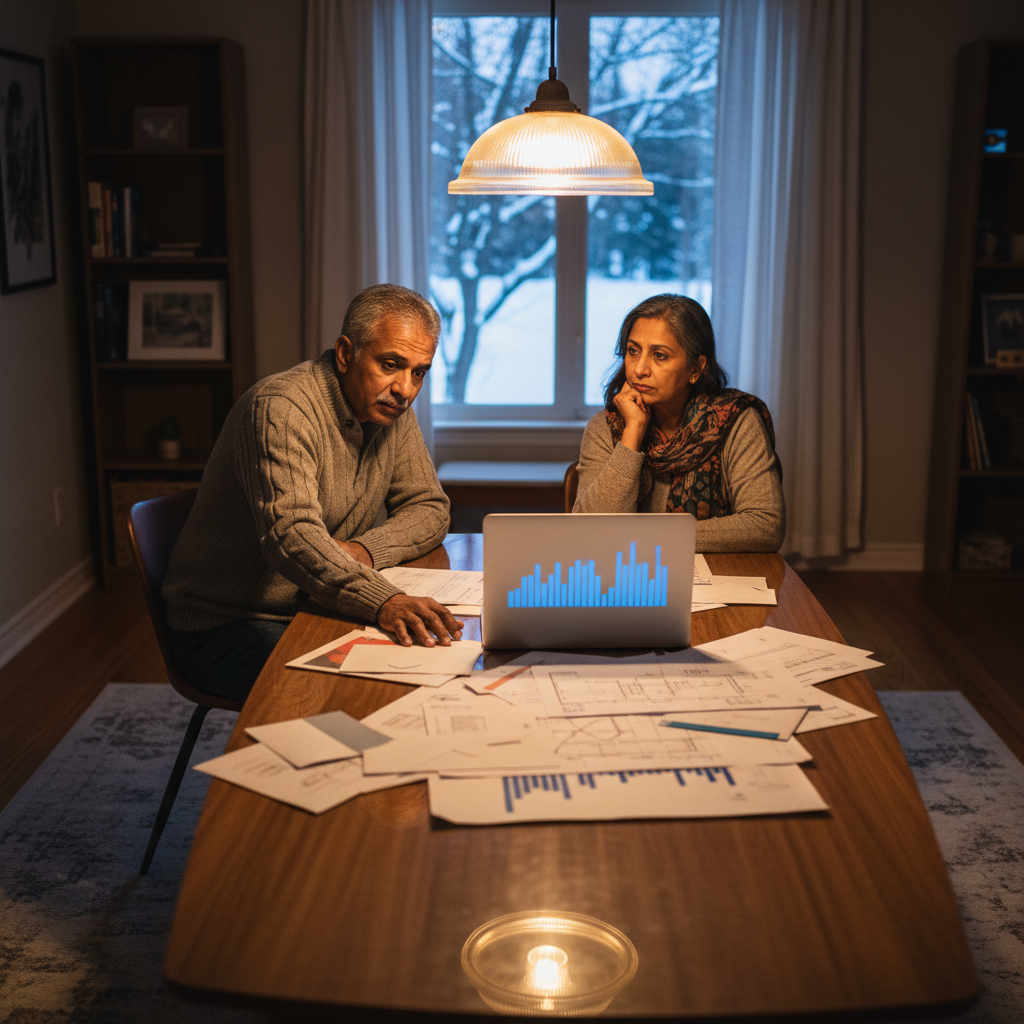
Phased Modification Planning for SCI Recovery
Rather than one massive renovation, phase modifications across the recovery timeline:
Phase 1: Immediate accessibility (Months 1–3, $25,000–$40,000)
- Main-floor bedroom setup or construction
- Accessible toilet and shower area
- Ramp for entry
- Essential mobility modifications
Phase 2: Expansion of function (Months 4–6, $20,000–$35,000)
- Accessible kitchen
- Secondary bathroom renovation (if time/budget permits)
- Flooring throughout
- Doorway widening
Phase 3: Independence enablement (Months 7–12, $15,000–$25,000)
- Smart home automation
- Garage accessibility
- Outdoor patio access
- Additional refinements based on recovery progress
This phased approach:
- Reduces financial shock
- Allows modifications to evolve as your adult child's needs clarify
- Manages household disruption (construction happening over longer timeframe)
- Lets you adjust based on recovery progress
Emotional and Psychological Support
Home modifications are essential, but so is psychological support. Many SCI survivors experience depression, PTSD, and anxiety. A reverse mortgage can also fund:
- Professional counseling and mental health support: $100–$200/session
- Peer support groups (often free through Canadian Paraplegic Association)
- Recreational therapy or adaptive sports programs: $500–$1,500
- Respite care for family caregivers: $300–$600/week
Recognizing that recovery is both physical and emotional is critical.
Frequently Asked Questions
Will the modifications increase my home's resale value?
Partially. An accessible main-floor bedroom and bathroom are becoming increasingly desirable (aging population), but highly specialized SCI modifications may not add proportional value. Focus on making your home livable for your child, not on resale value.
Can I apply for government grants to cover SCI home modifications?
Ontario has limited SCI-specific programs, but you may access:
- Disability Tax Credit (DTC) for eligible expenses
- Registered Disability Savings Plan (RDSP) grants if your adult child has DTC approval
- Some municipal accessibility grants
- Insurance benefits if the injury was work-related or covered by auto insurance
Talk to your child's rehabilitation team—they often have resources on funding.
What if my adult child's condition improves?
Improvements are possible with intensive rehabilitation, though many SCI survivors have permanent paralysis. However, modifications that support independence become assets—accessible bathrooms, main-floor bedrooms, and mobility-friendly spaces benefit anyone using the home.
Can I move my adult child to a specially designed accessible home instead?
Possibly, but homes designed for SCI are expensive ($300,000+) and availability is limited in Ontario. Using a reverse mortgage to adapt your existing home is usually faster and more practical. Your home is familiar; your child knows the neighborhood.
Will the reverse mortgage affect my adult child's disability benefits?
No. RM proceeds go to you, not your child, so they don't affect ODSP, CPP-D, or other disability programs. However, if your child eventually receives an inheritance that's been reduced by the RM balance, consult a disability benefits advisor.
Key Takeaways
| Question | Answer |
|---|---|
| Can a reverse mortgage fund SCI home modifications? | Yes—this is a critical, legitimate use case |
| What's typical cost for comprehensive modifications? | $60,000–$150,000 depending on home and injury severity |
| Should I modify my entire home or just key areas? | Phase the work; prioritize bedroom, bathroom, and access first |
| Does this affect my retirement security? | Only if you over-borrow; modest borrowing is manageable |
The Deeper Purpose
A spinal cord injury is catastrophic. Your adult child's life has changed forever. But your home—the place they grew up, where family gathered, where they felt safe—can become the foundation for their adapted life. With proper modifications, your home becomes not a prison, but a place of independence and dignity.
A reverse mortgage transforms home equity into that possibility. It says: "Your recovery matters. Your independence matters. We'll use our financial resources to give you the best foundation possible."
For many SCI survivors, home is the difference between despair and hope. The modifications you fund with a reverse mortgage are among the most meaningful investments you can make in your adult child's future.
Ready to Learn More?
Find out exactly how much you could unlock from your home — free and no obligation.
Related Articles
Protecting Disability Benefits: Using Reverse Mortgage While on ODSP or CPP-D
Navigate disability support programs while accessing home equity. Ontario strategies for protecting ODSP and CPP-D eligibility with reverse mortgages.
Read →Fund Home Accessibility With a Reverse Mortgage
Use a reverse mortgage to fund wheelchair ramps, stairlifts, walk-in tubs, and accessible bathrooms. Costs, grants, tax credits, and a worked example for Ontario.
Read →Reverse Mortgage for Aging in Place With Fibromyalgia: Home Modifications for Invisible Illness
Fund home modifications for aging with fibromyalgia. Reverse mortgage enables accessible design for pain management, energy conservation, and quality of life.
Read →