
Reverse Mortgage for Adult Child's Long COVID Recovery: Home Accessibility for Post-Pandemic Disabilities
Learn how reverse mortgages help fund home modifications for adult children recovering from Long COVID. Accessibility solutions for post-pandemic disabilities in Ontario.
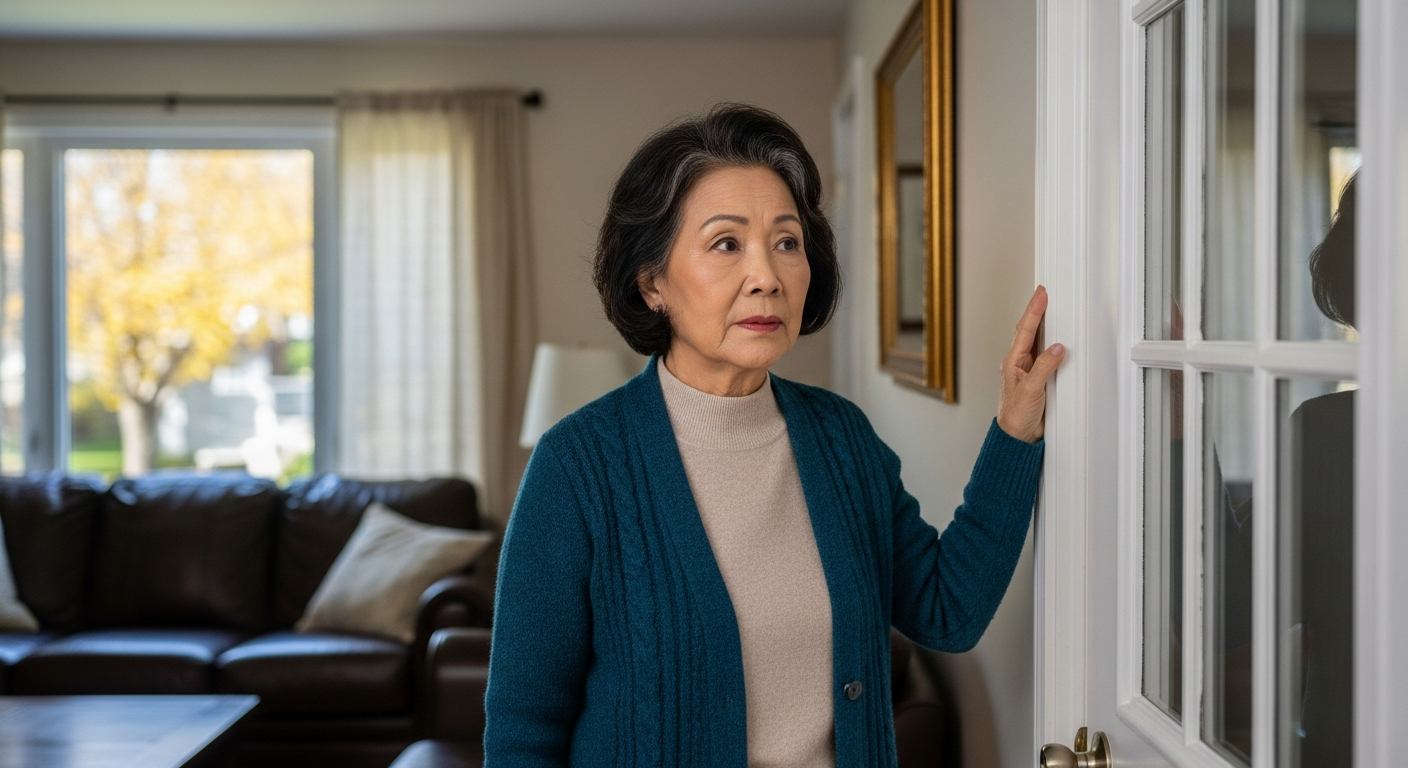
Is your adult child struggling with Long COVID, and your home isn't accessible for their recovery? Many Ontario parents are facing this unexpected challenge: a child who returns home with ongoing post-pandemic disabilities that require significant home modifications. A reverse mortgage can unlock the funds you need to create a truly supportive recovery environment without disrupting your retirement income.
Understanding Long COVID and Housing Impact
Long COVID refers to symptoms that persist or develop after acute COVID-19 infection, often lasting months or years. According to the Canadian Medical Association, approximately 1.9 million Canadians reported experiencing Long COVID symptoms as of 2024, with many experiencing debilitating fatigue, cognitive dysfunction (often called "brain fog"), and post-exertional malaise that makes employment difficult or impossible.
When your adult child is affected, they often need to return to a parent's home. But most residential properties weren't designed for the accessibility needs of Long COVID recovery—especially the specific challenges of post-exertional malaise, where physical or mental exertion can trigger severe symptom flares lasting days or weeks.
The Unique Accessibility Needs of Long COVID
Unlike traditional disabilities, Long COVID creates fluctuating accessibility needs. Your adult child may have good days where they can engage in light activities, and crash days where they need complete rest, darkness, and minimal sensory input.
Key accessibility modifications for Long COVID recovery include:
| Modification | Purpose | Typical Cost Range |
|---|---|---|
| Bedroom on main floor | Eliminate stair climbing during crashes | $8,000–$25,000 (renovation) |
| Blackout window treatments | Manage light sensitivity and migraines | $1,500–$5,000 |
| Air purification system | Reduce airborne triggers | $2,500–$8,000 |
| Accessible bathroom modifications | Reduce exertion during hygiene (grab bars, curbless shower) | $5,000–$20,000 |
| Sound dampening | Manage auditory sensitivity | $3,000–$12,000 |
| Accessible kitchen workspace | Enable food preparation without exertion | $6,000–$15,000 |
| Home automation (lighting, climate) | Minimize physical effort for environmental control | $4,000–$12,000 |
| Accessible outdoor space | Safe patio or garden access for gentle recovery activity | $5,000–$18,000 |
The total cost of comprehensive Long COVID accessibility often ranges from $35,000 to $115,000—an amount that would devastate most household budgets overnight.
Why a Reverse Mortgage Works for Long COVID Family Support
A reverse mortgage allows you to access your home equity without:
- Selling your family home
- Disrupting your retirement income (no monthly payments)
- Qualifying based on your adult child's income (only your age and home equity matter)
- Creating a loan your child must eventually repay
According to the Financial Consumer Agency of Canada (FCAC), reverse mortgage borrowers retain full ownership of their home throughout the term. You control the pacing and use of funds, making it ideal for phased recovery support over 12–24 months.
Planning a Long COVID Recovery Budget
Before approaching a lender, create a detailed modification plan:
- Get a professional assessment — Hire an occupational therapist or certified aging-in-place specialist who understands post-pandemic disabilities ($300–$800 for assessment)
- Prioritize by recovery impact — Which modifications would have the highest impact on your child's ability to rest and gradually recover?
- Phase the work — Spread modifications over time to:
- Distribute costs across multiple draws
- Allow your child's condition to guide later adjustments
- Manage household disruption during construction
Sample Long COVID recovery budget over 18 months:
| Phase | Timeline | Modification | Cost | Purpose |
|---|---|---|---|---|
| Phase 1 | Months 1–2 | Main-floor bedroom setup + blackout windows | $18,000 | Enable crash recovery without stair mobility |
| Phase 2 | Months 3–4 | Accessible bathroom renovation | $12,000 | Reduce exertion during hygiene during flare-ups |
| Phase 3 | Months 5–8 | Air purification + sound dampening | $10,000 | Reduce environmental triggers |
| Phase 4 | Months 9–18 | Kitchen modifications + home automation | $16,000 | Gradual restoration of independence |
This phased approach totals $56,000—well within the range of home equity available to most Ontario homeowners over 55.
How Much Can You Borrow for Your Adult Child's Recovery?
Reverse mortgage eligibility depends on:
- Your age (minimum 55 in Ontario)
- Your home's current value
- The equity available in your home
Lenders like CHIP, Equitable Bank, and Bloom Financial typically allow you to access 15–55% of your home's equity, depending on your age and location. A $400,000 home might unlock $60,000–$220,000 in accessible funds.
According to CMHC research, the average Canadian home equity available to seniors has increased substantially, with Ontario homeowners holding an average of $250,000+ in unencumbered equity as of 2026.
Long COVID and Your Retirement Timeline
One critical concern: will accessing a reverse mortgage affect your retirement income or benefits?
Good news: Reverse mortgage proceeds are NOT income. According to the CRA, funds received from a reverse mortgage are loan advances, not taxable income. This means they do NOT affect:
- Old Age Security (OAS) eligibility or clawback calculations
- Guaranteed Income Supplement (GIS) thresholds
- Canada Pension Plan (CPP) benefits
- Income-tested provincial programs
This is crucial when your adult child has no employment income—accessing a reverse mortgage won't trigger unexpected tax complications.
Communication and Estate Planning
Before taking out a reverse mortgage for your adult child's recovery, discuss it with them and your other adult children:
- Be transparent — Explain that you're using your home equity to fund necessary recovery support
- Clarify inheritance impact — The reverse mortgage balance reduces the estate available for inheritance, but only to the extent of funds borrowed
- Document the intent — Consider a family memo explaining that these funds are for recovery support, not a loan your child must repay
- Plan the exit — Discuss what happens when your child's condition improves. Will they eventually move out? Will modifications remain and add home value?
Most Long COVID recoveries involve gradual improvement over 18–36 months. Many adult children eventually transition to partial employment or manage their condition more effectively, reducing the support needed.
Next Steps: Getting Started
- Get a reverse mortgage pre-qualification — Contact Rick Sekhon Reverse Mortgages or a licensed specialist to understand your borrowing capacity. This costs nothing and takes 15 minutes
- Hire an occupational therapist — Get a professional assessment of your adult child's accessibility needs
- Obtain quotes for modifications — Work with contractors experienced in accessibility to get firm pricing
- Create a timeline — Plan when you'll complete each phase and how funds will be drawn
- Review your overall retirement plan — Ensure that borrowing fits within your long-term financial picture
Frequently Asked Questions
Will a reverse mortgage affect my adult child's disability benefits?
Reverse mortgage proceeds do NOT affect your child's disability benefits (CPP-D, ODSP) because the funds aren't considered their income. However, if they eventually receive an inheritance reduced by the reverse mortgage balance, that inheritance could affect their benefit eligibility. Consult with a disability benefits advisor before the reverse mortgage closes.
Can I draw funds gradually as modifications happen?
Yes. Most lenders offer revolving lines of credit through reverse mortgages, allowing you to draw small amounts as work is completed. You only pay interest on the amount you've actually borrowed, not the full approved credit limit.
What if my child's condition improves and they move out?
The modifications remain part of your home's value and typically increase your property's resale value (accessible bathrooms, main-floor bedrooms, home automation are increasingly desirable). If your child moves out, you've essentially invested in home improvement alongside supporting their recovery.
How long does the application process take?
Typically 4–6 weeks from application to closing, though you can often access initial funds within 2–3 weeks. Plan your timeline accordingly—if your child needs modifications urgently, start the application process immediately.
Are there grants to help with Long COVID accessibility modifications?
Ontario has limited dedicated Long COVID grants, but you may qualify for:
- Accessibility for Ontarians with Disabilities Act (AODA) tax credits
- Home Accessibility Tax Credit (federal)
- Some local municipal accessibility grants
- Certain insurance coverage if the COVID infection occurred during employment
Consult with a tax professional or occupational therapist about grants before you borrow.
How soon after COVID infection might Long COVID symptoms develop?
Long COVID can begin during acute infection or emerge weeks after. Most cases develop within 4–12 weeks, though some people report onset months later. Recovery timelines vary widely—some improve within 6 months, others take 2–3 years or longer.
Will home modifications become deductible expenses?
Medical expense tax credits may apply to certain accessibility modifications. Consult a tax professional to understand which improvements qualify under the Disability Tax Credit (DTC) or medical expense claim.
What if I'm divorced and share custody of grandchildren with Long COVID?
You can still access a reverse mortgage, but ensure the title is clear. If your home is jointly owned, all co-owners must meet the age requirement (55+). Consult with a real estate lawyer.
Can I use reverse mortgage funds to help pay for respite care while my adult child recovers?
Yes. Reverse mortgage proceeds can fund any legitimate use, including in-home care, caregiver support, or respite services to help manage your adult child's recovery demands.
Key Takeaways
| Question | Answer |
|---|---|
| Can a reverse mortgage help with Long COVID home modifications? | Yes, it's an excellent solution for accessing large sums without monthly payments |
| Does it affect benefits? | No—proceeds aren't income and don't impact OAS, GIS, or CPP |
| How much can I borrow? | Typically 15–55% of your home equity, depending on age and location |
| Can I draw gradually? | Yes—most lenders offer flexible draws over time |
Supporting an adult child through Long COVID recovery is both an emotional and financial challenge. A reverse mortgage can transform your home from a financial burden into the tool that enables true accessibility and recovery support. By tapping your home equity strategically, you're not just providing shelter—you're creating the foundation for your child's gradual path back to stability.
Ready to Learn More?
Find out exactly how much you could unlock from your home — free and no obligation.
Related Articles
Reverse Mortgage When Adult Child Moves Back Home
How to fund multi-generational housing costs when an adult child returns home. Ontario guide for parents supporting boomerang children using home equity.
Read →Fund Home Modifications to Age in Place: Ontario Guide
Discover how a reverse mortgage can finance accessibility upgrades, care services, and renovations to stay safely in your Ontario home as you age.
Read →Reverse Mortgage for Aging in Place With Fibromyalgia: Home Modifications for Invisible Illness
Fund home modifications for aging with fibromyalgia. Reverse mortgage enables accessible design for pain management, energy conservation, and quality of life.
Read →