
Reverse Mortgage When Adult Child's Professional License Is Suspended Due to Mental Health Crisis: Career Recovery Bridge
Support adult child through professional license suspension following mental health crisis. Fund recovery treatment, legal defense, and career stabilization.
Your adult child's professional license has been suspended due to a mental health crisis, and they're facing months—or years—without income. This is a devastating intersection of personal tragedy and professional consequence. A reverse mortgage can bridge the financial gap while your child recovers, secures proper treatment, and rebuilds their career.
The Professional License Suspension Crisis
Mental health crises among licensed professionals (physicians, nurses, lawyers, engineers, accountants) are increasingly common in Canada. According to Mental Health Canada, healthcare professionals face rates of depression, anxiety, and substance use disorders 2–3 times higher than the general population. When a crisis leads to impaired practice or disciplinary action, regulatory colleges suspend licenses pending treatment completion and fitness-to-practice assessments.
The timeline is brutal: Your adult child's income drops to zero instantly. Suspension investigations take 6–12 months. Treatment programs (in-patient residential rehab, intensive counseling, psychiatric care) cost $10,000–$50,000. Legal defense against disciplinary charges adds $15,000–$100,000. Meanwhile, your child still has rent, student loans, and household expenses.
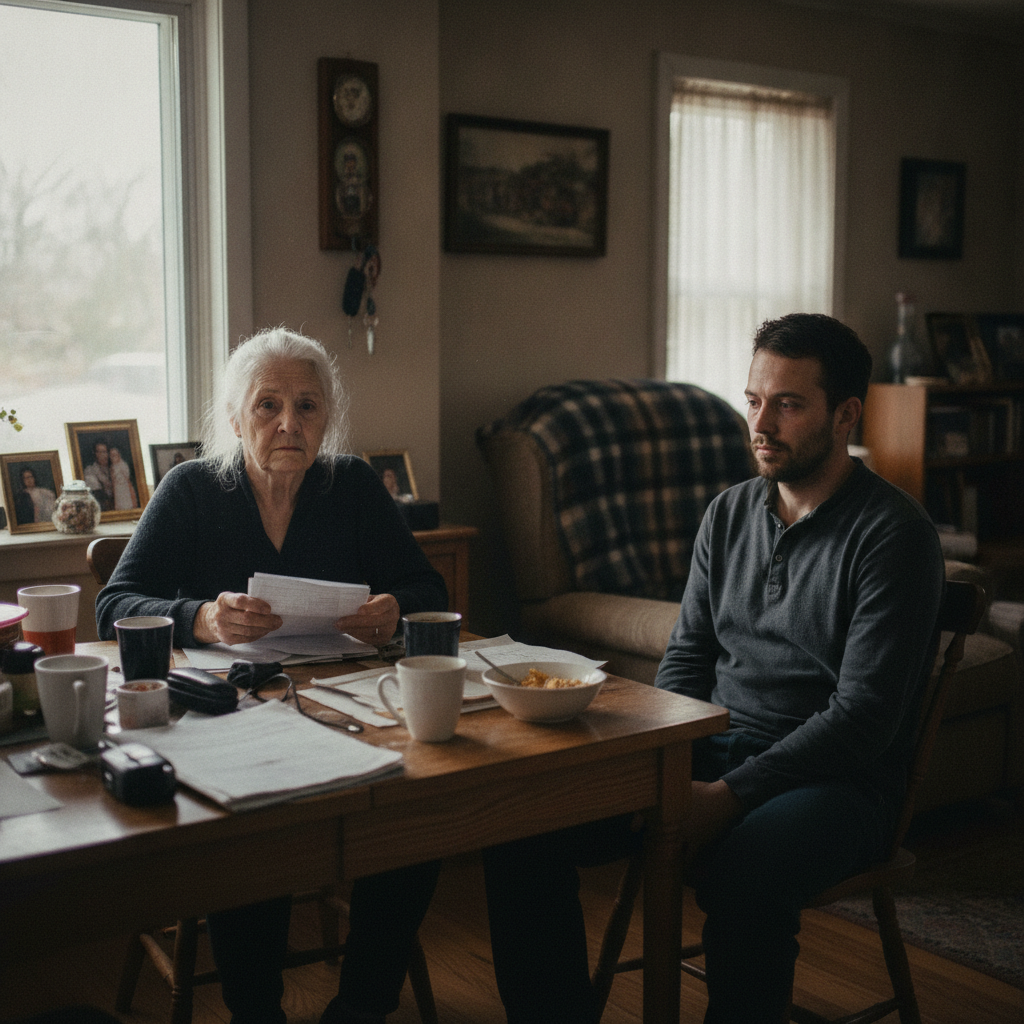
The Financial Devastation of Professional Suspension
Consider a realistic scenario: Your adult child, a nurse earning $75,000/year, experiences a mental health crisis (depression, anxiety, burnout). They're suspended by the College of Nurses of Ontario pending investigation. Over the 12–18 month suspension period, they lose:
- Gross income lost: $75,000–$112,500
- In-patient treatment program: $25,000–$40,000
- Legal defense and regulatory fees: $20,000–$60,000
- Ongoing therapy & medication: $5,000–$15,000
- Living expenses (rent, food, utilities): $24,000–$36,000
- Loss of seniority, shift preferences, training opportunities: Incalculable long-term career damage
Total financial impact: $149,000–$263,500 over the crisis period.
This is where a reverse mortgage for the family home becomes not just helpful—it becomes essential.
Reverse Mortgage as a Safety Net for License Suspension
When your adult child's suspension grinds their career to a halt, your family home equity can serve as the financial backbone for recovery. Here's how:
| Financial Need | Monthly Cost | 12-Month Total | Role of Reverse Mortgage |
|---|---|---|---|
| Living expenses (rent, food, utilities) | $2,000–$3,000 | $24,000–$36,000 | Primary funding source |
| In-patient treatment program | N/A (lump sum) | $25,000–$40,000 | One-time draw for immediate access |
| Legal defense & regulatory representation | $1,500–$5,000 | $18,000–$60,000 | Staged draws as legal bills arrive |
| Ongoing therapy, psychiatry, medication | $500–$1,200 | $6,000–$14,400 | Monthly draws to support treatment |
| Total | $4,000–$9,200/mo | $73,000–$150,400 | Reverse mortgage line of credit |
A reverse mortgage line of credit is ideal here because:
- No mandatory monthly payments — Your child focuses on recovery, not cash flow stress
- Draw flexibility — Access funds as needed (treatment starts, legal bills arrive, crisis costs spike)
- Lower interest rates — Typically 6.5–7.5%, far better than credit cards (19.99%) or personal loans (8–12%)
- Preserves your child's credit — Uses home equity instead of burdening your child with personal debt
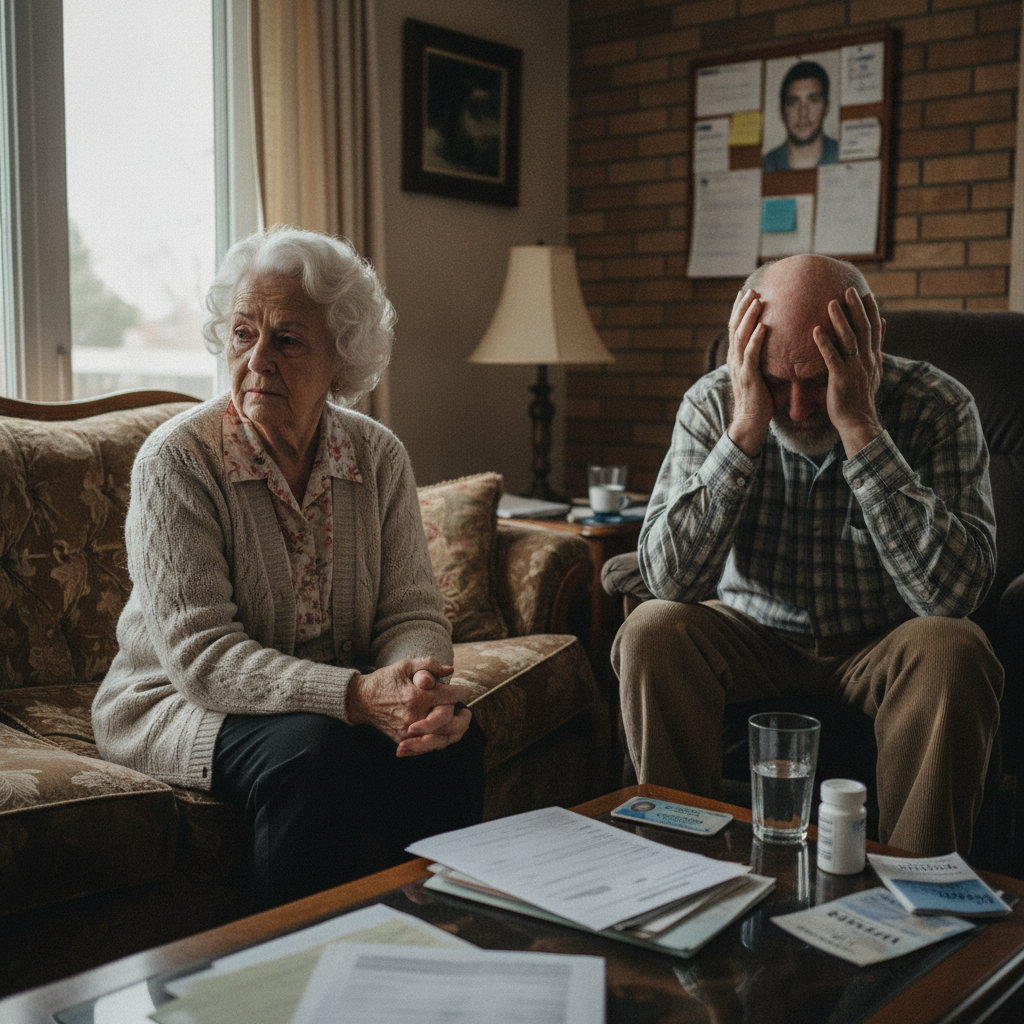
The Recovery & Fitness-to-Practice Timeline
Professional license suspensions follow a structured path. Understanding the timeline helps you plan reverse mortgage draws:
| Phase | Duration | Key Costs | Financial Need |
|---|---|---|---|
| Crisis & Investigation | Months 1–3 | Emergency mental health care, initial legal consultation | $10,000–$20,000 lump sum |
| In-Patient Treatment Program | Months 4–6 | Residential rehab, assessments, stabilization | $25,000–$40,000 lump sum |
| Regulatory Hearing Preparation | Months 7–10 | Lawyer fees, expert evaluations, ongoing therapy | $8,000–$25,000 staged draws |
| Fitness-to-Practice Assessment | Months 11–15 | Continuing treatment, re-licensure costs | $6,000–$12,000 staged draws |
| Conditional Return to Practice | Months 16–24 | Monitoring costs, continued therapy, reduced-hours work | $3,000–$8,000 ongoing support |
Total recovery period: 18–24 months. A reverse mortgage line of credit ($100,000–$150,000) covers this entire journey without monthly payment pressure.
How FSRAO & FCAC Regulate This Support
The Financial Services Regulatory Authority (FSRAO) and Financial Consumer Agency of Canada (FCAC) recognize that supporting family members in crisis is a legitimate use of home equity. According to FCAC guidance, reverse mortgages used to help adult children through temporary income loss (suspension period) are appropriate when:
- The suspension is time-limited (not permanent disbarment)
- Realistic path to re-licensure exists (treatment completion, fitness assessment)
- Your reverse mortgage payment plan doesn't jeopardize your own retirement
- You've received independent legal advice about the loan terms
Rick Sekhon Reverse Mortgages works closely with families navigating professional suspensions, helping structure loans that support recovery without compromising the parent's financial security.
Protecting Your Relationship & Your Child's Recovery
This is also a moment for emotional clarity. Funding your child's recovery through a reverse mortgage sends a powerful message: "Your life and health matter more than the financial cost." But it also requires honest conversation about:
- Treatment commitment: Your child must genuinely engage in recovery (therapy, medication, support groups)
- Accountability: Suspension reversal requires your child to complete mandated programs and pass regulatory assessments
- Timeframe: Establish clear milestones for return-to-work and loan repayment planning
- Boundaries: A reverse mortgage bridge is temporary support, not indefinite financial rescue
Key Takeaways
- Professional license suspensions due to mental health crisis cause 12–24 month income loss ($75,000–$150,000+ total impact) for licensed professionals
- In-patient treatment programs ($25,000–$40,000) plus legal defense ($20,000–$100,000) are not covered by most health insurance or disability plans
- Reverse mortgage line of credit provides flexible, no-payment funding at rates (6.5–7.5%) far lower than personal loans or credit cards
- FSRAO and FCAC recognize supporting family through temporary professional crises as legitimate reverse mortgage use
- Recovery timelines (18–24 months) align well with reverse mortgage flexibility; draws can be staged as treatment progresses and legal costs arise
The Long-Term Perspective
Supporting your adult child through a professional suspension is one of the hardest decisions you'll face as a parent. But it's also an investment in their future: Most professionals who complete treatment and fitness-to-practice assessments return to their careers stronger, with greater mental health resilience and deeper compassion for patients/clients facing similar crises.
Frequently Asked Questions
Will my adult child's license be reinstated after completing treatment?
Not automatically. Regulatory colleges require completion of mandated treatment programs, passing psychological/fitness evaluations, and sometimes a period of conditional practice (reduced hours, supervision). Reinstatement typically takes 12–24 months. However, the suspension period and conditions vary by profession, college, and severity of the original crisis.
Are mental health treatment programs for professionals covered by insurance?
Partially. Most group health insurance (through former or current employers) covers 50–80% of mental health treatment. However, in-patient residential rehab programs often exceed coverage limits. Additionally, many professionals lose group coverage during suspension, making a reverse mortgage bridge essential to cover the gap and out-of-pocket costs.
Can my adult child keep the reverse mortgage secret from their employer/regulatory college?
No, and they shouldn't try. Fitness-to-practice assessments include financial stability evaluation. Hiding debt or demonstrating financial instability will hurt their case for reinstatement. Transparency about family support and responsible financial management strengthens their case. Be honest with their legal team about how you're funding recovery.
What if my adult child's suspension leads to permanent disbarment?
This is the biggest risk. Some suspensions become permanent if the professional repeatedly fails to meet conditions, refuses treatment, or commits additional violations. Before committing a large reverse mortgage, consult with their regulatory lawyer about the realistic probability of reinstatement. If permanent disbarment is possible, you're not just bridging a crisis—you're funding long-term career transition, which changes the financial calculation.
How does this reverse mortgage affect my own retirement planning?
Significantly. Using substantial home equity for your adult child's recovery reduces equity available for your own aging-in-place needs, relocation, or long-term care. Work with a certified retirement income planner (alongside your reverse mortgage broker) to ensure the loan doesn't compromise your own financial security. The reverse mortgage should feel sustainable, not like a sacrifice.
What happens to the reverse mortgage loan if my child recovers and earns high income again?
You can pay it down or wait. If your child's career recovers strongly, they can help you pay down the reverse mortgage debt, reducing interest accumulation. If they repay part of the principal, the interest rate impact is significant. However, there's no requirement for them to repay—the loan is taken against your home, not their personal obligation.
Your adult child's mental health crisis doesn't have to devastate your family's finances. A reverse mortgage provides the bridge to recovery. Contact Rick Sekhon Reverse Mortgages today to explore how home equity can support your adult child's return to health and career.
Ready to Learn More?
Find out exactly how much you could unlock from your home — free and no obligation.
Related Articles
Reverse Mortgage for Adult Child's Executive Coaching and Leadership Development Practice
Fund your adult child's independent executive coaching business. Reverse mortgage provides startup capital for high-value leadership coaching in Ontario.
Read →Reverse Mortgage for Adult Child's Employment Relations and Labor Consulting Practice
Fund your adult child's independent employment law and labor relations consulting. Reverse mortgage provides startup capital for underserved HR/legal market.
Read →Reverse Mortgage for Adult Child's Environmental Sustainability Consulting Practice
Fund your adult child's independent environmental consulting. Reverse mortgage provides startup capital for growing sustainability and ESG consulting market.
Read →