
Reverse Mortgage to Build an ADU: Creating Ongoing Rental Income to Support Your Disabled Adult Child
An accessory dwelling unit (ADU) generates rental income that can fund long-term care for a disabled adult child. Learn how Ontario seniors use reverse mortgages to build ADUs that create legacy income for special needs support.
If you have an adult child with a disability, you face a question that keeps many parents awake: "What happens to them when I'm gone?"
Government disability benefits (ODSP, CPP-D) help, but they're often insufficient for quality housing, therapy, and personal support. Many parents worry their child will end up in underfunded institutional care or completely dependent on siblings who may not have the resources to help.
One of the most powerful tools Ontario seniors have discovered is the accessory dwelling unit (ADU) funded by a reverse mortgage. By building a rental suite on your property, you create ongoing passive income that can fund your disabled child's care indefinitely—even after you've passed away.
The Disability Support Gap: Why ADUs Matter
In Ontario, an adult child receiving ODSP receives approximately:
- ODSP base income: $1,050/month (2026)
- Additional shelters allowance: $300–$500/month
- Total: ~$1,350–$1,550/month
This is enough for basic rent in shared housing, but it doesn't cover:
- Personal attendant care (if needed): $1,500–$3,000/month
- Specialized therapies (physio, occupational): $200–$500/month
- Transportation assistance (specialized needs): $300–$600/month
- Technology/accessibility equipment: $300–$800/month
- Emergency health costs: unpredictable but significant
The income gap: $2,400–$5,000/month, every month, for years.
A reverse mortgage-funded ADU solves this by generating passive income that bridges the gap.
How an ADU Creates Disability Support Income
An accessory dwelling unit is a separate living space on your property—typically a basement apartment, laneway house, or secondary structure.
ADU Income Potential in Ontario
- Rent in Toronto: $1,800–$2,400/month
- Rent in GTA suburbs (Hamilton, London, Kitchener): $1,400–$1,800/month
- Rent in rural Ontario: $1,200–$1,600/month
Net income after property tax, maintenance, insurance: 60–75% of gross rent = $840–$1,800/month ongoing income
ADU Rent by Region: Gross vs. Net Monthly Income
| Region | Gross Monthly Rent | Estimated Expenses (25–40%) | Net Monthly Income |
|---|---|---|---|
| Toronto | $1,800–$2,400 | $540–$840 | $1,260–$1,800 |
| GTA suburbs (Hamilton, London, Kitchener) | $1,400–$1,800 | $420–$630 | $980–$1,260 |
| Rural Ontario | $1,200–$1,600 | $360–$560 | $840–$1,120 |
Disability Support Uses for ADU Income
- Covers ODSP shortfall entirely
- Funds personal care attendant (part-time or flexible)
- Pays for therapy/rehabilitation services
- Covers accessibility modifications or equipment
- Creates an inheritance trust for your child's care after your death
Ontario Case Study: Janice's Legacy ADU
Janice, 64, from Vaughan, has a 38-year-old son, David, with cerebral palsy. David is highly functional—he works part-time at a nonprofit, has friends, and lives semi-independently. But he needs personal care support 10 hours/week and accessible housing.
The situation:
- David receives ODSP ($1,450/month)
- Accessible rental housing costs $1,800/month
- Care attendant (10 hours/week): $400/month
- Therapy and equipment: $300/month
- Monthly shortfall: $1,050
Janice had always planned to help, but she was running down savings. Her home was worth $650,000 with only $80,000 remaining on her mortgage.
What Janice did:
- Obtained a reverse mortgage for $200,000
- Used $180,000 to build a secondary suite (laneway house) in her backyard
- Basement ADU alternative would have cost $150,000
- Legal and permitting: $15,000
- Contingency: $15,000
- Designed the ADU to generate rental income, not to house David
- Rents the ADU for $2,000/month
- Net income after expenses: $1,400/month
How the income flows:
- ADU rent: $2,000/month
- Less property tax (proportional): -$150
- Less maintenance/utilities: -200
- Less insurance: -100
- Net: $1,550/month
This exactly covers David's ODSP shortfall ($1,050) + therapy costs ($300) + equipment/accessibility ($200), with a buffer.
The Legacy Plan
Janice structured her will so that:
- David inherits the property with the ADU
- The ADU rental income continues indefinitely ($1,550/month = $18,600/year)
- David's sister (the executor) manages the property for David
- ADU income is protected in a special needs trust, preventing it from disqualifying David's disability benefits
Result: David has security, independence, and funded care for life—all from passive income his mother created.
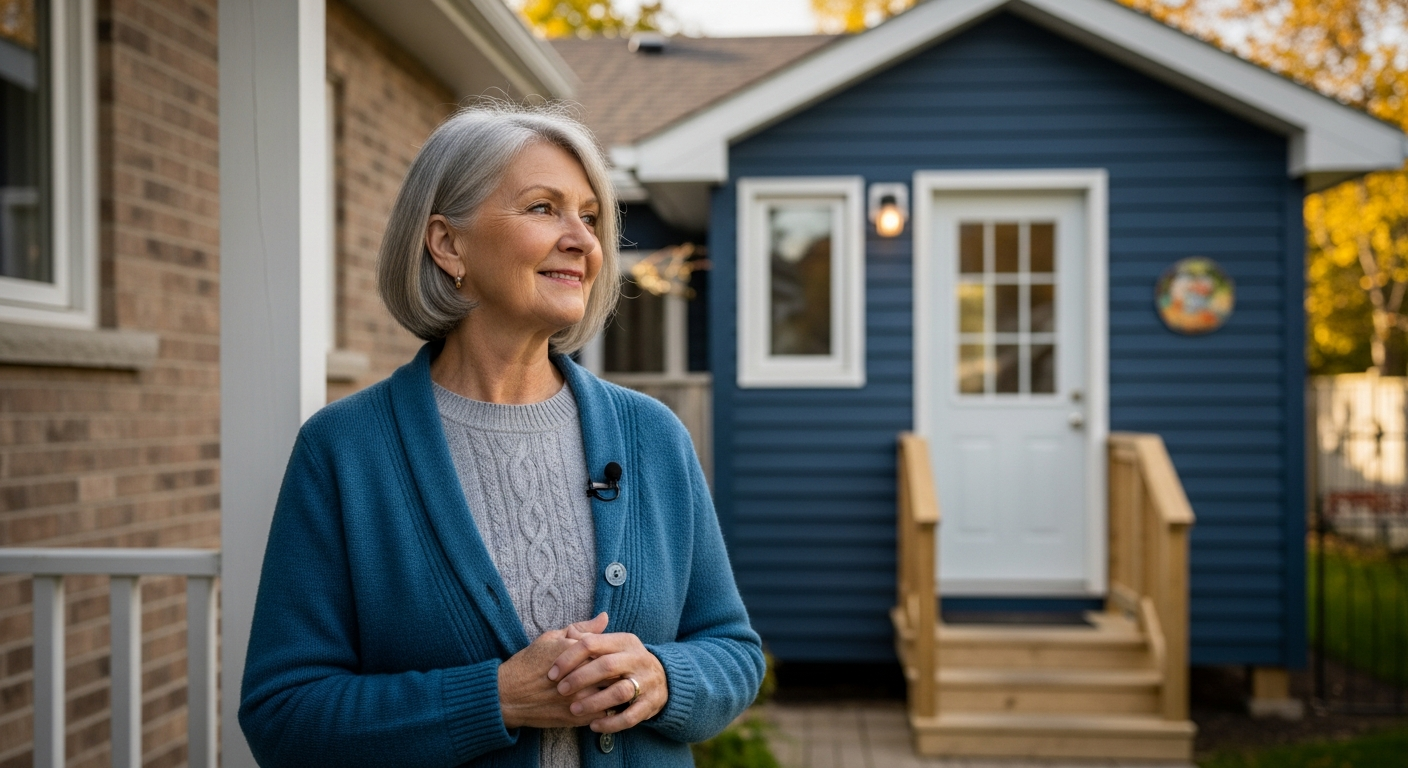
Building an ADU: Ontario Legal & Practical Framework
ADUs are increasingly legal across Ontario, but rules vary by municipality.
Toronto ADU Allowance
- Legal as of 2024 in all residential zones
- One ADU per property permitted
- Maximum 80% of main dwelling size
- Basement apartments, laneway houses, converted garages all allowed
Other Ontario Municipalities
- Expanding: Hamilton, Waterloo, Ottawa, London now allow ADUs
- Still restricted: Some rural/suburban areas limit ADUs
- Check your municipality's zoning bylaw first
ADU Design Options
- Basement apartment: $100,000–$180,000 (most affordable, existing foundation)
- Laneway house: $150,000–$280,000 (separate structure, highest rental value)
- Garden suite: $120,000–$200,000 (prefabricated, mid-range cost)
- Carriage house above garage: $140,000–$220,000
Comparing ADU Types
| ADU Type | Construction Cost | Typical Rental Value | Build Complexity |
|---|---|---|---|
| Basement apartment | $100,000–$180,000 | Lower (shared entry/lot) | Lowest — uses existing foundation |
| Garden suite (prefab) | $120,000–$200,000 | Mid-range | Moderate — factory-built, faster install |
| Carriage house above garage | $140,000–$220,000 | Mid-to-high | Higher — structural work over garage |
| Laneway house | $150,000–$280,000 | Highest — fully separate structure | Highest — new foundation, utilities, permitting |
Reverse Mortgage Funding Typical Costs
- Appraisal and inspection: $500–$1,500
- Legal fees: $1,000–$2,500
- Rate (2026): 5.5–6.5% for 5-year term
- Interest costs on $200,000 draw at 6%: $12,000/year (~$1,000/month)
Protecting Your Disabled Child: Trust & Legal Structure
An ADU generating income requires legal protections to prevent:
- Your child from losing disability benefits (asset/income limits)
- Creditors from claiming the property
- Mismanagement if your child can't manage finances independently
Recommended Legal Structure
- Special Needs Trust (SNT) — holds the property after your death
- Trustee management — typically your other child or professional trustee manages the ADU
- Controlled income distribution — trustees ensure rental income goes to your disabled child's care, not counted as "income" for benefit purposes
This structure requires professional estate planning ($2,000–$4,000 for a lawyer), but it protects your child indefinitely.
The Reverse Mortgage Math: Is It Worth It?
Building an ADU with a reverse mortgage costs money in interest. Is it worth it?
Cost-Benefit Analysis (20-Year Horizon)
Costs:
- ADU construction: $180,000
- Interest on reverse mortgage at 6% for 20 years: $120,000+ (compounding)
- Property tax increase (estimated): $2,000/year × 20 = $40,000
- Maintenance/repairs: $500/year × 20 = $10,000
- Total costs: $350,000+
Benefits:
- Rental income: $1,550/month × 240 months = $372,000
- Property appreciation (conservative 2%/year): $180,000 → $270,000 (+$90,000)
- Total benefit: $462,000+
Net benefit over 20 years: ~$112,000+
Plus, your disabled child has secure, funded care for life—priceless for a parent's peace of mind.
Risks & Mitigation
Risk 1: Vacancy or Rental Market Decline
Mitigation: Build in a 10% vacancy buffer; keep rental competitive; professional property management
Risk 2: Property Damage or Insurance Claims
Mitigation: Landlord insurance; require renter's insurance; maintenance fund built into reserves
Risk 3: Disability Benefit Disqualification
Mitigation: Use a Special Needs Trust; consult ODSP lawyer; ensure rental income goes to trustee, not your child directly
Risk 4: Your Disabled Child Can't Manage Property After Your Death
Mitigation: Professional trustee manages property; sibling co-trustee provides oversight; clear instructions in your will
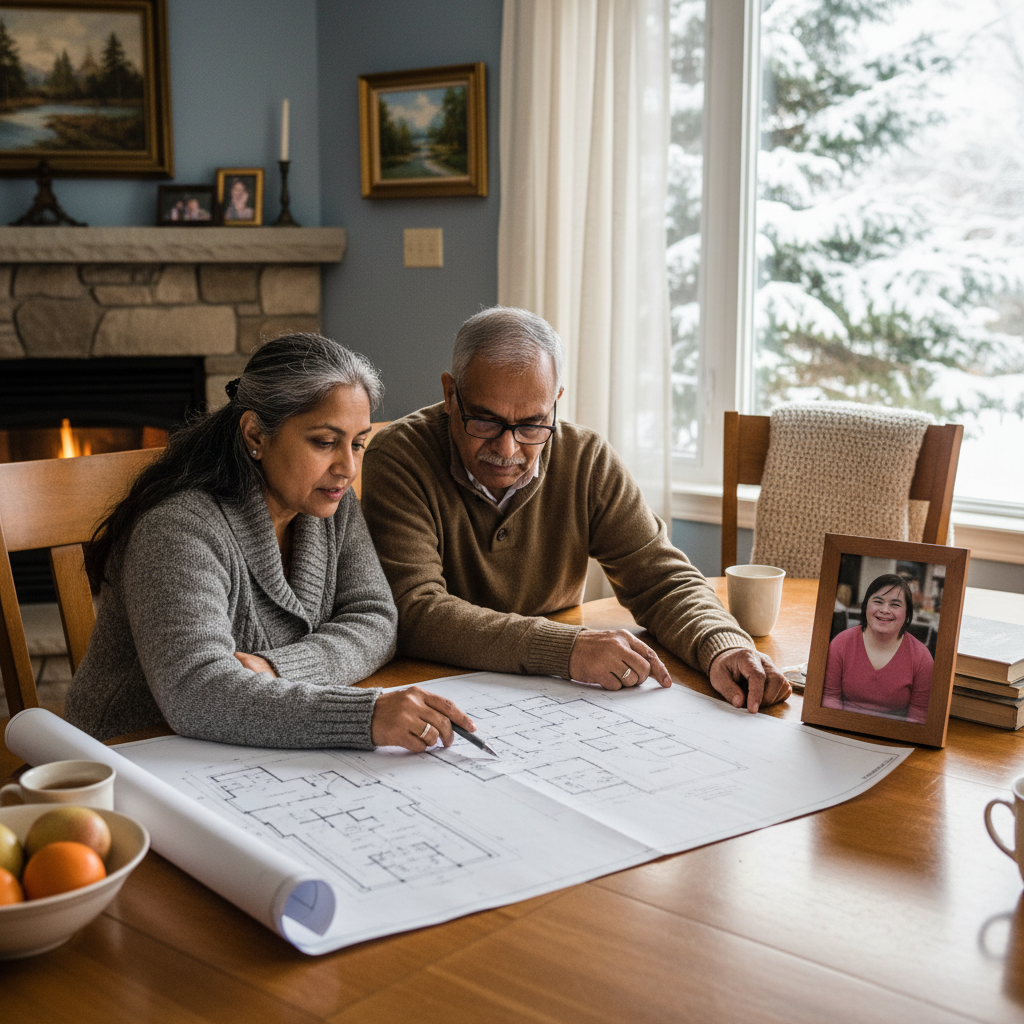
Key Takeaways
- An ADU rental suite can generate $840–$1,800/month in net income after property tax, maintenance, and insurance, depending on region.
- Basement apartments are the most affordable ADU option at $100,000–$180,000, while laneway houses cost $150,000–$280,000 but command the highest rental value.
- Reverse mortgage interest on an ADU-funded draw of $200,000 at roughly 6% runs about $12,000/year (~$1,000/month), which is typically offset by net rental income within the first year.
- A Special Needs Trust structure keeps ADU rental income from counting against a disabled adult child's ODSP eligibility, protecting benefits while still funding their care.
- To qualify for a reverse mortgage in Ontario, all registered title holders must be at least 55 years old, and you can typically borrow 15–59% of your home's appraised value.
- Toronto has permitted one ADU per residential property (up to 80% of the main dwelling's size) since 2024, with Hamilton, Waterloo, Ottawa, and London expanding similar allowances.
Frequently Asked Questions
How much can I borrow with a reverse mortgage to build an ADU?
Reverse mortgage lenders in Canada, including HomeEquity Bank and Equitable Bank, typically allow homeowners 55 and older to borrow 15–59% of their home's appraised value. For a $650,000 home, that could mean $100,000–$380,000 depending on age, location, and the lender's terms — enough to fund most basement apartment, garden suite, or laneway house projects.
Will ADU rental income affect my disabled child's ODSP benefits?
It can, unless the income is properly structured. Rental income paid directly to your child could be counted as income or an asset by ODSP, risking disqualification. Setting up a Special Needs Trust with a trustee (often a sibling) managing the ADU protects the income stream while preserving your child's disability benefits.
Do I have to pay monthly on a reverse mortgage used to build an ADU?
No. Reverse mortgages require no monthly payments; interest accrues on the amount drawn and is repaid when the home is sold, the last borrower passes away, or the property is permanently vacated. Many homeowners use part of the ADU's rental income to voluntarily pay down interest and slow balance growth, though this isn't required.
What happens to the reverse mortgage balance when I die?
The reverse mortgage becomes due upon the death of the last borrower on title, sale of the home, or permanent move-out. Ontario reverse mortgages include negative-equity protection, meaning your estate will never owe more than the home's fair market value at that time — the ADU's rental income and any appreciation can help offset the balance.
Is my municipality allowed to block me from building an ADU?
Rules vary by municipality. Toronto has permitted ADUs in all residential zones since 2024, and cities like Hamilton, Waterloo, Ottawa, and London are expanding similar allowances, but some rural and suburban areas still restrict them. Always check your municipality's current zoning bylaw before committing reverse mortgage funds to construction.
How quickly can an ADU start generating income after the reverse mortgage is funded?
Construction timelines vary by ADU type — a basement apartment conversion may take 3–6 months, while a new laneway house can take 6–12 months including permitting. Once tenanted, rental income typically begins immediately, though it's wise to budget a vacancy buffer of about 10% in the first year.
When an ADU Reverse Mortgage is Right
An ADU reverse mortgage makes sense if:
✓ You have a disabled adult child who will outlive you
✓ Your property has room for ADU development
✓ Your municipality allows ADUs (check zoning)
✓ You can afford $180,000–$250,000 in construction
✓ You want to create permanent income, not one-time support
✓ You're willing to manage rental property or hire management
✓ You have proper legal/trust structure in place
It's not right if:
✗ Your disabled child needs immediate housing (temporary solutions are faster)
✗ You can't afford ongoing property management
✗ Your property is in a declining rental market
✗ You don't have capacity (health, age) to manage construction
✗ Your municipality doesn't permit ADUs
The Bigger Legacy Picture
An ADU funded by a reverse mortgage is more than a financial strategy. It's a declaration of love.
You're saying: "I won't always be here, but I'm building something that ensures your security, dignity, and independence long after I'm gone."
That's a legacy worth creating.
Professional Consultation Required:
- Consult an estate lawyer specializing in Special Needs Trusts
- Verify your municipality's ADU zoning rules (free via planning department)
- Get a builder's quote before committing to a reverse mortgage
- Speak with ODSP about trust structures to avoid benefit loss
Ready to Learn More?
Find out exactly how much you could unlock from your home — free and no obligation.
Related Articles
Reverse Mortgage for Adult Child's SaaS Startup Funding: Supporting B2B Tech Entrepreneurship
Adult child launching B2B SaaS company? Use reverse mortgage to fund MVP development, marketing, and runway in Ontario.
Read →Reverse Mortgage for Your Own Career Pivot at 55-60: Funding Your Active Professional Transition
Career change at 55-60? Use reverse mortgage to fund retraining, credentials, and income gap during your professional transition in Ontario.
Read →Reverse Mortgage for Raising Multiple Grandchildren as Siblings: Multi-Child Guardianship Support in Ontario
Raising 3+ grandchildren siblings? Use reverse mortgage to fund housing expansion, education, and childcare for multi-child guardianship in Ontario.
Read →