
Reverse Mortgage for Managing Prescription Drug Price Inflation: Strategic Healthcare Planning
Pharmaceutical costs are rising faster than inflation. Plan for medication expenses in retirement with reverse mortgage reserve funding in Ontario.
Did you know prescription drug costs in Canada are rising 8–12% annually—more than twice the rate of general inflation? For retirees managing chronic conditions like diabetes, heart disease, arthritis, or asthma, medication costs compound year after year. What costs $150/month today might cost $250/month in 5 years. Without planning, rising drug costs can destabilize retirement budgets and force difficult choices: skip doses, choose between medication and food, or deplete savings rapidly. A reverse mortgage can create a dedicated medication reserve fund, allowing you to age in place with reliable access to the medications you need, regardless of future price increases.
This guide explores how reverse mortgages help Ontario retirees manage prescription drug inflation strategically.
The Hidden Crisis: Drug Price Inflation in Canada
Prescription drug costs are rising faster than retirees expect. According to Statistics Canada:
- General inflation (2020–2026): ~3.2% annually
- Pharmaceutical price increases: 8–12% annually
- Specialty drug costs: 10–15% annually for cancer, autoimmune conditions, biologics
Real Impact on Retirees A retiree with $300/month in medications today faces:
- Year 1: $300/month ($3,600/year)
- Year 5: $480–$550/month ($5,760–$6,600/year) — 60–83% higher
- Year 10: $650–$900/month ($7,800–$10,800/year) — 160–200% higher
For someone on a fixed income, this 2–3x increase over a decade is catastrophic.

Why Drug Costs Rise Faster Than Inflation
Pharmaceutical Industry Pricing
- Patented brand-name drugs increase 8–15% annually
- Specialty medications (biologics, cancer drugs): 10–20% annually
- Generic drugs are cheaper but can only substitute certain medications
- Manufacturers cite R&D costs, yet prices in Canada exceed US and Europe
Government Coverage Gaps
- Ontario drug coverage (ODP) has a deductible: $100 (based on income)
- Catastrophic drug program covers costs >$3,419/year (threshold is not indexed for inflation)
- Many newer medications and specialty drugs are NOT covered
- Private insurance (employer plans, retiree coverage) often caps coverage
Chronic Condition Progression
- As you age, medication regimens often increase, not decrease
- New diagnoses require new medications
- Dosage increases are common as your body ages
- Multi-medication combinations (polypharmacy) become the norm
Planning for Drug Costs in Retirement
Step 1: Calculate Your Current Medication Costs
List all medications you take:
| Medication | Current Cost/Month | Generic Available? | Likely 5-Year Cost |
|---|---|---|---|
| Metformin (diabetes) | $25 | Yes (generic) | $30–$40 |
| Amlodipine (blood pressure) | $30 | Yes (generic) | $35–$45 |
| Atorvastatin (cholesterol) | $40 | Yes (generic) | $50–$60 |
| Specialty drug (e.g., biologic) | $500 | No | $600–$800 |
| Total monthly | $595 | — | $715–$945 (20–59% higher) |
Step 2: Account for Coverage Changes
- ODP Deductible: Ensure you know your current deductible (based on income)
- Private Coverage: If you have employer retiree coverage, when does it end?
- Age-Related Coverage Gaps: After age 65, many employer plans change eligibility or caps
- Catastrophic Threshold: Know the ODP catastrophic program threshold ($3,419 in 2026, not indexed)
Step 3: Plan for New Medications
As you age, new conditions often require new medications:
- Age 55–60: Hypertension, cholesterol management (common)
- Age 60–70: Arthritis, thyroid, prostate conditions (increase)
- Age 70+: Cognitive support, additional pain management, multiple conditions (cascade)
Conservative Estimate: Most retirees add 1–2 new medications per decade after age 60.
| Age Range | Baseline Meds | Likely Additional | Total Cost Increase |
|---|---|---|---|
| 55–60 | 2–3 meds ($150–$250/month) | 0–1 meds | Baseline + 0–30% |
| 60–70 | 3–5 meds ($250–$500/month) | 1–2 meds | Baseline + 30–70% |
| 70–80 | 5–8 meds ($500–$1,200/month) | 1–3 meds | Baseline + 50–100%+ |
Real Ontario Scenarios: Drug Cost Planning With Reverse Mortgage
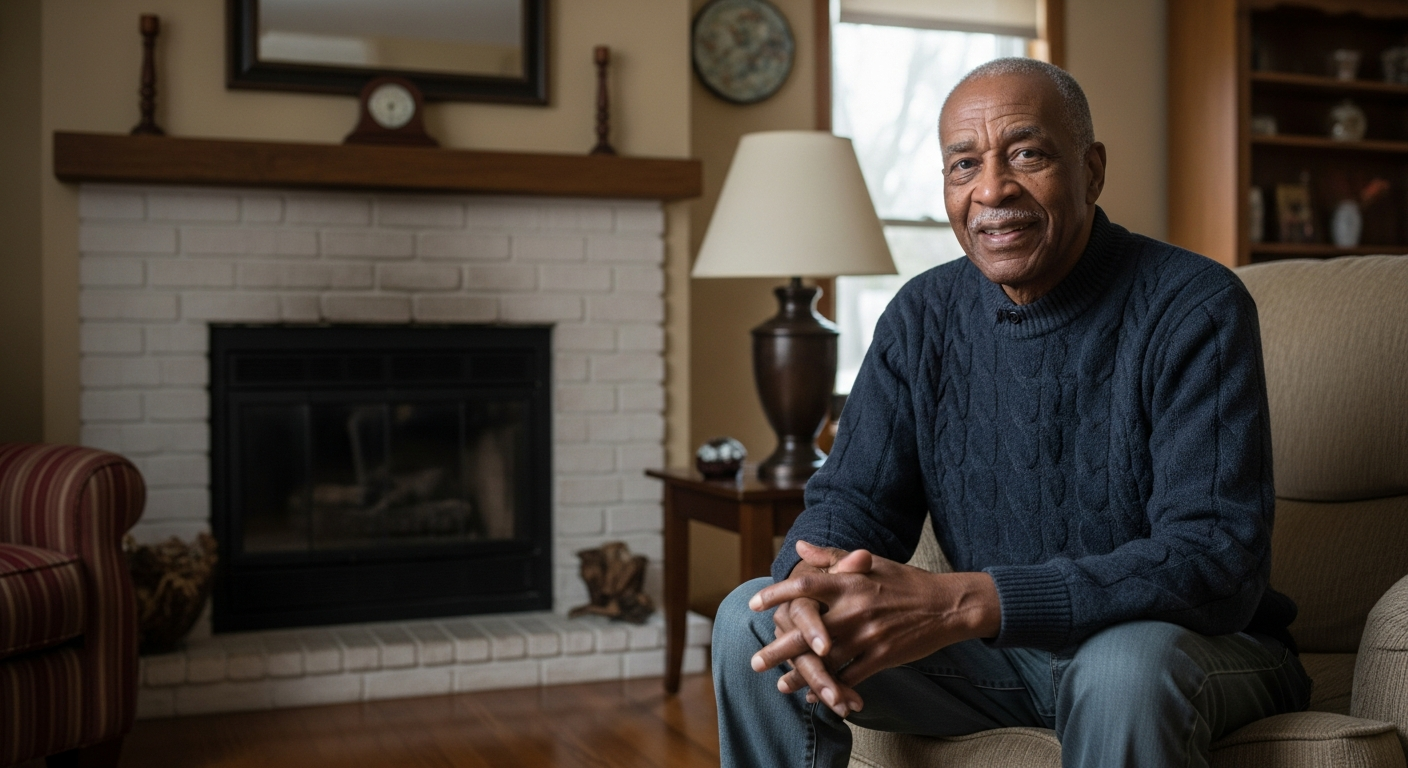
Scenario 1: Retiree on Fixed Income Facing Medication Escalation You retired at 62 with a modest CPP/OAS income ($2,000/month) and $800/month in employer pension. Your current medications cost $350/month. Your rheumatologist warns that your arthritis may require a specialist biologic medication (not covered by ODP) within 2–3 years, costing $400–$600/month additional.
Without planning: In 3 years, your medication costs triple ($350 → $700–$950/month). Your income is fixed. You're forced to choose: deplete savings rapidly, skip doses, or negotiate with doctors for cheaper alternatives (which don't work as well).
With reverse mortgage support: You access $25,000 and create a dedicated "medication reserve fund." You draw conservatively ($5,000/year) to supplement your income specifically for medication costs, accounting for inflation. As your drugs increase, your reserve covers the gap. The medication fund ensures you never have to skip doses due to cost.
Scenario 2: Couple Managing Multiple Chronic Conditions You and your spouse both have multiple chronic conditions. Together, you spend $800/month on medications. In 5 years, at 10% annual increase, that's $1,280/month. Your retirement income can't absorb a $480/month increase.
With reverse mortgage support: You fund a $30,000 medication reserve that covers medication cost increases for both of you over the next decade. You structure draws to supplement medication costs as they rise: year 1–2 ($2,000), year 3–4 ($3,000), year 5+ ($4,000). The reserve grows with your actual medication costs rather than a fixed budget.
Scenario 3: Specialty Medication (Cancer, Autoimmune) Not Covered You were diagnosed with metastatic cancer or a rare autoimmune condition. Your specialist prescribed a biologic medication costing $600/month that's not covered by ODP. You have two options: deplete savings to pay for it, or go without.
With reverse mortgage support: You access $25,000–$40,000 to create a specialized medication fund. The medication is no longer a financial crisis—it's planned for. Your care continues uninterrupted, and your savings stay intact for other retirement needs.
The Strategic Reverse Mortgage Approach
Phase 1: Audit Your Current and Projected Medication Costs
- List all current medications and monthly costs
- Identify which are covered (ODP generic) vs. not covered (branded, specialty)
- Consult your doctor: Are new medications likely in the next 5–10 years?
- Research upcoming coverage changes (employer retiree plans, ODP limits)
Phase 2: Calculate a 10-Year Medication Reserve
Using 8–10% annual inflation:
- Current total: $X/month
- Year 1–3 need: (X × 1.08) × 12 months = $Y
- Year 4–7 need: (X × 1.36) × 12 months = $Z
- Year 8–10 need: (X × 1.80) × 12 months = $W
- Total reserve needed: $(Y + Z + W)
Example: $500/month baseline
- Year 1–3: $5,400 + $5,832 + $6,298 = $17,530
- Year 4–7: $8,119 + $8,769 + $9,470 + $10,228 = $36,586
- Year 8–10: $11,047 + $11,931 + $12,885 = $35,863
- 10-year reserve: ~$90,000
For a $500/month medication baseline, a $25,000–$40,000 reverse mortgage reserve covers 5–8 years of inflation-adjusted costs.
Phase 3: Access Reverse Mortgage Strategically
- Borrow specifically for medication reserve: $15,000–$50,000 depending on your baseline and projected need
- Use flexible draws: rather than taking $40,000 at once, draw $5,000/year as medications increase
- Set aside the funds in a separate account labeled "medication reserve"
- Let interest accrue on undrawn funds (delays repayment cost)
Phase 4: Supplement Income as Drug Costs Rise
- Year 1: Supplement with $0 (your current income covers current costs)
- Year 3: Supplement with $1,000–$2,000/year as costs rise
- Year 5: Supplement with $3,000–$5,000/year
- Year 8+: Supplement as needed from reserve
By breaking draws into annual increments, you preserve the reserve for later years when costs are highest.
Why This Matters: The Cost of Unplanned Medication Inflation
Scenario Without Planning: 20-Year Cost
- Baseline medication cost: $500/month
- No reverse mortgage reserve
- Forced to skip doses or deplete savings as costs rise to $1,440/month by year 10
- Estimated out-of-pocket cost (uninsured gaps, higher prices for unaffordable meds): $150,000–$250,000 over 20 years
Scenario With Reverse Mortgage Reserve: 20-Year Cost
- Access $40,000 reverse mortgage for medication reserve
- Supplement income strategically as costs rise
- Medications are covered consistently
- Health outcomes don't suffer due to dose-skipping or medication switching
- Reverse mortgage interest cost: ~$1,500–$3,000/year compounded
- Total lifetime cost of borrowing: $30,000–$60,000 in interest
- Net benefit: Consistent healthcare + cost avoidance = massive quality-of-life gain
The math favors planning: a $40,000 reverse mortgage with ~$60,000 compounded interest over 15 years is far cheaper and less stressful than managing unexpected $200,000 in medication costs.
Coordinating With Government Benefits
Understand Your Coverage
- ODP (Ontario Drug Benefit Program): Covers most generic medications; deductible $100/year (income-based); catastrophic threshold $3,419/year (NOT indexed for inflation)
- Trillium Drug Program: For high-cost medications; income-tested; may be available at catastrophic threshold
- Employer Retiree Coverage: May cover branded drugs and specialty medications; often changes at age 65 or retirement milestone
- Inflation Impact: ODP catastrophic threshold ($3,419 in 2026) hasn't moved since 2017—it's losing value as drug prices rise
Work with Your Pharmacist
- Annual medication review to identify cost-saving opportunities
- Generic substitution where clinically appropriate
- Bulk purchasing or 90-day supplies to reduce per-dose costs
- Awareness of coverage changes on your specific medications
Tax and Financial Planning
Reverse Mortgage Proceeds
- Loan proceeds are not income—no tax implication when received
- Interest compounds and is deductible when the loan is repaid (on home sale or death)
- Work with an accountant to track basis in the reserve fund
Medication Expenses
- If you're eligible for Disability Tax Credit (age 65+ with significant health needs), medical expenses may be claimed
- Prescription drugs count as medical expenses (but ODP deductible doesn't)
- Keep receipts for all medications and medical expenses
Estate Planning
- Your reverse mortgage balance is repaid from the home's sale value
- Medication reserve funds used during your lifetime are no longer in the estate
- Document your intent: "I accessed home equity to ensure consistent medication access in retirement"
Key Takeaways
- Prescription drug costs in Canada rise 8–12% annually—more than double the general inflation rate—making medication budgeting critical in retirement.
- A retiree spending $500/month on medications today faces costs of $900–$1,440/month by year 10, potentially destabilizing fixed-income retirement budgets.
- A reverse mortgage reserve of $25,000–$50,000 can cover inflation-adjusted medication costs for 5–10 years, allowing retirees to age in place with reliable access to essential drugs.
- Using phased draws from a reverse mortgage (annually rather than lump sum) allows you to supplement medication costs as they rise, preserving home equity.
- According to Statistics Canada, unplanned medication cost increases are one of the top reasons retirees deplete savings or reduce healthcare adherence—planning prevents both.
- Ontario's ODP catastrophic threshold ($3,419/year) is not indexed for inflation, meaning government coverage is becoming less reliable as prices rise.
Frequently Asked Questions
How much should I borrow for a medication reserve?
Calculate your current monthly medication cost and multiply by 8–10% annual inflation over your planning horizon (5–10 years). A baseline of $500/month typically requires $25,000–$50,000 reserved for 10 years of inflation-adjusted costs. A broker like Rick Sekhon can help you calculate a personalized reserve amount.
Will reverse mortgage proceeds affect my OAS, GIS, or other government benefits?
No. Reverse mortgage loan advances are not income, so they don't affect Old Age Security, Guaranteed Income Supplement, or CPP. You can maintain government benefits while using a reverse mortgage for medication planning.
How do I use the reverse mortgage funds—do I draw it all at once?
Many retirees use phased draws: $5,000/year for the first 5 years, then $8,000/year as costs accelerate. This approach preserves equity and lets you draw funds only as medication costs actually rise, rather than prepaying.
What if my medications become cheaper (generic becomes available)?
If a medication becomes generic and prices drop, you've preserved funds in your reserve for other needs or unexpected health costs. The reserve is flexible and can be used for other healthcare expenses if medication costs don't escalate as projected.
Does a reverse mortgage cover all types of medications?
The reverse mortgage itself is neutral—it's simply a loan against your home. The funds can be used for any legal expense, including prescription drugs. However, check your medication coverage separately: some drugs are covered by ODP/insurance, others are not (that's where a reverse mortgage reserve helps).
Should I prioritize medication costs or other retirement needs?
This is personal, but medication access is foundational—you can't age in place or enjoy retirement if medications are unaffordable. Many retirees prioritize medication reserves alongside home maintenance and care costs. Work with a financial advisor to balance priorities.
Moving Forward
Rising prescription drug costs are one of the most overlooked risks in retirement planning. A reverse mortgage can provide the strategic reserve that ensures you never have to choose between medications and other needs.
Ready to plan your medication reserve? Start by calculating your current and projected costs. Consult a broker like Rick Sekhon to explore reverse mortgage options that create a dedicated medication fund. Work with your pharmacist and doctor to anticipate future medication needs.
Your health in retirement is worth planning for—proactively, not in crisis. A reverse mortgage medication reserve makes that possible.
Ready to Learn More?
Find out exactly how much you could unlock from your home — free and no obligation.
Related Articles
Reverse Mortgage for Managing Inflation in Caregiving Costs: Long-Term Purchasing Power Strategy
Caregiving costs inflate 5–8% annually. Over 15 years, a $30,000/year expense becomes $60,000+. A reverse mortgage funds inflation-protected caregiving purchasing power.
Read →Cognitive Assessment Before Reverse Mortgage: Protecting Yourself From Exploitation
Proactive mental capacity testing before getting a reverse mortgage. Protect yourself from financial exploitation and ensure sound decision-making in Ontario, especially if you're aging.
Read →Reverse Mortgage for First-Time Homebuyers at 70+: Finally Own Your Home in Retirement
Late-life first-time homeownership with a reverse mortgage. Buy a home without mortgage payments while preserving your fixed income.
Read →