
Ontario Home Appraisal Inflation in 2026: Navigating Assessment Increases
Ontario property tax assessments are surging in 2026. Learn how home appraisal inflation affects reverse mortgages and how to fund assessment appeals strategically.
Has your Ontario home's assessed value jumped 20% or more in 2026? You're not alone. Ontario's Municipal Property Assessment Corporation (MPAC) completed a comprehensive reassessment cycle in 2024, and homeowners are seeing sticker shock. Property tax bills rose accordingly. A reverse mortgage can strategically fund the costs of challenging inflated assessments—and accessing more home equity if the reassessment actually increases your borrowing capacity.
This article is for educational purposes only and does not constitute financial advice.
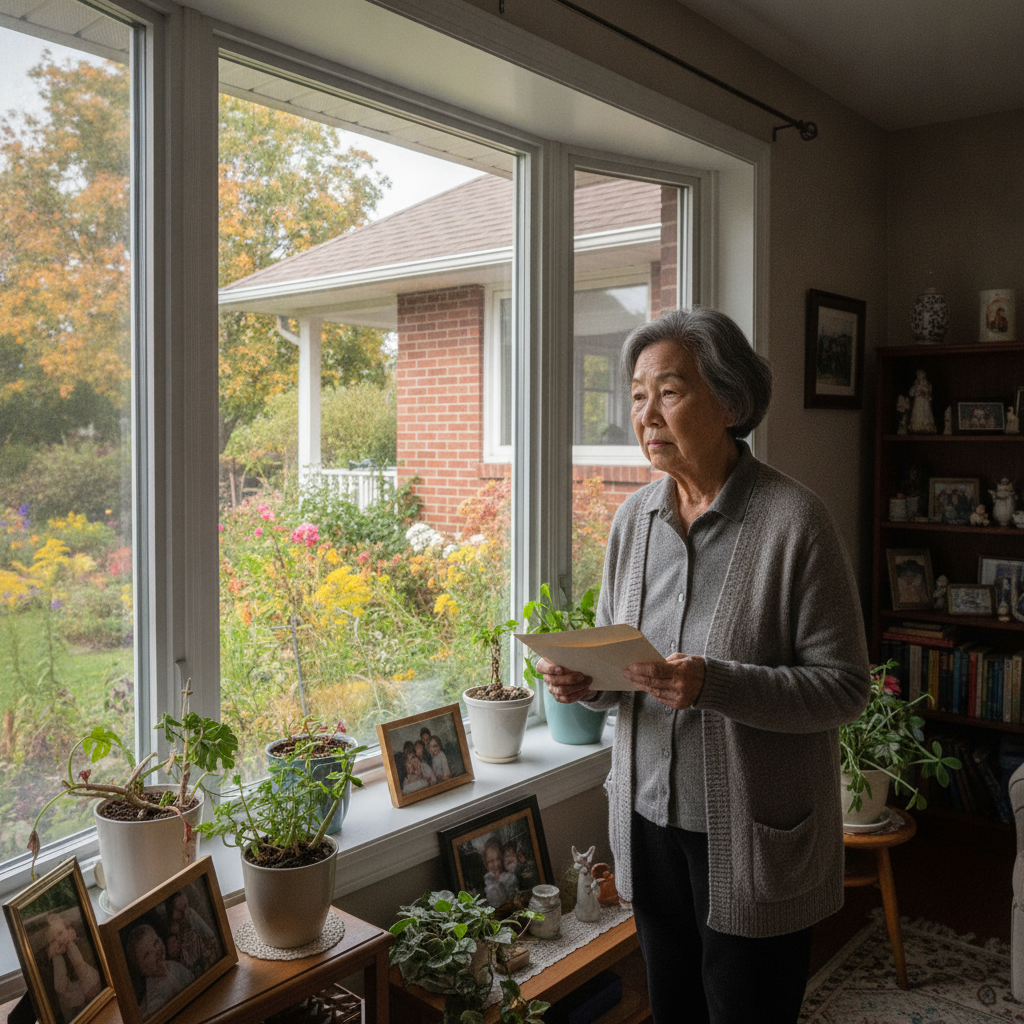
The 2026 Ontario Assessment Crisis
What happened in 2024-2026:
Ontario's last comprehensive property assessment was 2020. MPAC conducted the next cycle (2023-2024 data), releasing new assessments in late 2023 for 2024 tax year impact. Homeowners now see:
- Toronto condos: +25% to +35% average assessments
- Suburban detached homes: +18% to +28% average assessments
- Rural/smaller markets: +8% to +15% average assessments
Impact on property taxes:
If your home's assessed value increased from $600,000 to $720,000 (+20%), and your municipal tax rate is 0.65%, your annual property tax bill increased by:
$720,000 × 0.65% = $4,680/year (up from $3,900)
Increase: $780/year or $65/month higher.
For seniors on fixed retirement income, this is painful.
According to the Toronto Star reporting on 2024 assessments, Toronto homeowners saw an average property tax increase of $780-$1,200 annually, the highest in a decade.
Who's Hardest Hit?
| Situation | Impact | Why |
|---|---|---|
| Senior on fixed income, no recent renovations | Very high burden | Assessment rose but income didn't |
| Recently renovated home | Moderate burden | Renovations genuinely increased value; assessment reflects actual improvements |
| Home unchanged, no maintenance | Moderate-to-high burden | Market appreciation increased assessment, but home is aging |
| Investment property (rental) | High burden | Assessment increases = higher carrying costs |
| Recently purchased home | Low-moderate burden | Purchase price usually reflects market; assessment aligns |
Challenging Your Assessment: The Reverse Mortgage Strategy
Step 1: Understand Your Assessment
Your MPAC assessment includes:
- Land value: Based on comparable properties in your neighborhood
- Building value: Square footage, age, condition, updates
- Total assessed value: Land + building
You have the right to appeal if you believe this assessment is inaccurate.
Step 2: File an Appeal (Costs Matter)
Formal appeal process in Ontario:
- Request assessment details from MPAC (free)
- Informal review with MPAC (free, ~30 days)
- Formal hearing with Assessment Review Board (ARB) (~$200-$400 filing fee)
- Hire an appraiser or assessment consultant ($1,500-$3,500 for professional evidence)
Total cost to challenge: $2,000-$4,000
Potential benefit: If successful, your assessment may decrease by 5-15%, lowering property taxes by $300-$900/year.
Payback period: 2-4 years of tax savings = worth it.
Step 3: Use a Reverse Mortgage to Fund the Appeal
This is where most seniors fail—they can't afford the upfront cost to hire a professional appraiser, so they give up.
Reverse mortgage solution:
-
Get reverse mortgage: Age 75, home value $750,000 (current assessed value)
- Available: ~$337,500 (45% LTV at age 75)
-
Draw modest amount: $5,000 (covers appraiser, legal review, ARB filing)
-
File appeal: Hire professional appraiser who finds assessment was indeed inflated by 12%
-
Result: Assessment reduced from $750,000 to $660,000
- Property tax reduction: ~$585/year (at 0.65% rate)
- Cumulative savings over 10 years: ~$5,850
- Cost to fund appeal: $5,000 + interest (~$3,500 @ 7% over 10 years)
- Net benefit: $350 after interest costs
Plus, the LOWER assessed value might lower your reverse mortgage interest rate (some lenders offer rate reductions for lower-risk properties).

Reverse Mortgage Impact from Assessment Changes
Important: Your reverse mortgage is based on your home's ACTUAL VALUE, not assessed value.
MPAC assessments and home appraisals are different:
| Factor | MPAC Assessment | Reverse Mortgage Appraisal |
|---|---|---|
| Purpose | Property tax calculation | Lending security |
| Frequency | Every 4 years (comprehensive) | At time of application |
| Based on | Comparable sales, statistical modeling | Professional appraisal, comparable sales |
| Accuracy | Broad averages; can lag market | Precise; updated for current conditions |
If MPAC assessment increases but your home's actual market value stays the same:
- Your property taxes increase (bad)
- Your reverse mortgage value stays the same (no change)
- Your borrowing capacity stays the same (no change)
If MPAC assessment increases AND your home's actual market value increased (which is likely):
- Your property taxes increase (bad)
- Your reverse mortgage borrowing capacity increases (good!)
- You can access MORE equity
Real-World Example: Frank's Assessment Appeal
Frank, age 72, in suburban Toronto:
- Home: Detached, 2,000 sq ft, built 1998, well-maintained
- Assessed value 2020: $625,000
- Assessed value 2024: $775,000 (+24%)
- Property tax increase: $975/year
- Retirement income: $42,000/year (CPP + modest pension)
Frank's concern: "I didn't renovate. Why did my tax bill jump $975?"
Investigation: MPAC's assessment increase was driven by comparable home sales at $780,000-$820,000. Frank's home is indeed worth more in the current market, but assessors may have:
- Used overly optimistic comparable sales (cherry-picked highest prices)
- Overestimated property condition
- Not discounted for age (home is 26 years old)
Frank's reverse mortgage strategy:
-
Get reverse mortgage: Age 72, home value $775,000 (per MPAC)
- Available: $434,000 (56% at age 72)
-
Draw $4,000 to fund appeal:
- Professional appraiser: $2,500
- ARB filing + lawyer review: $1,500
-
Appraiser's finding: Home is genuinely worth $725,000-$740,000 (not $775,000)
- Recent renovations by neighbors: $800,000+
- Frank's home lacks modern kitchen, older HVAC: -$50,000 discount
-
ARB hearing result: Assessment reduced to $740,000
- New property tax: ~$4,810/year (was $5,035)
- Annual savings: $225
- Payback of $4,000 investment: 18 years
Frank's decision: "Not the dramatic savings I hoped, but $225/year is something. I'll reinvest the savings into kitchen updates to actually increase my home's value."
Bonus: If Frank's actual home value is confirmed at $740,000, he may refinance his reverse mortgage with a lower LTV rate, reducing his interest costs.
When NOT to Appeal
Don't appeal if:
- Your home genuinely sold or rented at the assessed value recently
- You've done significant renovations that justify the higher assessment
- Your neighborhood has gentrified substantially (market supports higher values)
- The cost to appeal (>$3,000) exceeds 5 years of tax savings
- Your income is stable and can easily absorb the increase
Key Takeaways
✓ 2026 MPAC assessments surged 15-35% across Ontario, putting pressure on fixed-income seniors.
✓ Challenging an assessment costs $2,000-$4,000 upfront; a reverse mortgage can fund this without selling your home.
✓ Successful appeals typically reduce assessments by 5-15%, saving $300-$900/year in property taxes.
✓ Reverse mortgage appraisals are separate from MPAC assessments; a higher MPAC value may increase your borrowing capacity.
✓ The payback period (3-5 years) is reasonable for many seniors, especially if professional evidence supports a lower value.
Frequently Asked Questions
How do I know if my assessment is inflated?
Request a free property assessment detail from MPAC (online or by phone). Compare your home's assessed value to recent comparable sales in your neighborhood. If it's 10% higher than market comps, an appeal may be justified.
Can I appeal multiple years?
Yes. You can file a new appeal if your circumstances change (major repairs, market decline, subsequent reappraisal). However, appeals filed too frequently (>2 times per 4-year cycle) may face skepticism.
What if I disagree with the appraiser I hired?
You can hire a second appraiser for a second opinion. Most cost $500-$800. If you have two independent appraisals below MPAC's assessment, the ARB takes this seriously.
Does lowering my assessment affect my reverse mortgage interest rate?
Potentially. Some lenders offer rate discounts based on lower loan-to-value ratios. A lower assessed value doesn't directly change your rate, but if your actual appraised value is lower, your LTV improves and rates may decrease.
Is it worth appealing if I only save $200-$300 per year?
Only if you can do it cheaply (use an assessment consultant instead of a full appraisal; some charge $500-$800). If professional costs exceed $2,500, payback takes too long unless you plan to own the home for 10+ more years.
Next Steps
If your 2026 property tax bill jumped unexpectedly:
- Request your MPAC assessment details (online at mpac.ca or call 1-866-296-6722)
- Compare to recent comparable sales in your area (use Zolo, Realtor.ca, local real estate sites)
- If your assessment seems high, consult an assessment consultant (cheaper than a formal appraiser; they can advise if appeal is worthwhile)
- Contact Rick Sekhon Reverse Mortgages to discuss funding an appeal or understanding your revised borrowing capacity
Ready to Learn More?
Find out exactly how much you could unlock from your home — free and no obligation.
Related Articles
What If Your Home Value Drops After a Reverse Mortgage?
Learn what happens if your home value drops after a reverse mortgage. Understand negative equity protection, guarantees, and how Ontario homeowners stay safe.
Read →Reverse Mortgage Fees in Ontario: Every Cost Explained (2026)
Full breakdown of every cost involved in an Ontario reverse mortgage: setup fees, appraisal, legal fees, title insurance, and ongoing costs. No surprises.
Read →Reverse Mortgage for Accessible Community Kitchen: Culinary Training and Aging in Place
Convert your home kitchen into an accessible commercial culinary training space. Reverse mortgage funds renovation while creating community impact.
Read →