
Reverse Mortgage for Online Course Instruction and Academic Teaching: Building a Digital Education Business in Retirement
Teach online courses for universities, platforms, or direct students. Create scalable digital content; reverse mortgage funds setup, platform development, and marketing.
Universities, online learning platforms, and professional development organizations desperately need experienced subject matter experts to teach online. If you spent 30+ years as a professor, educator, trainer, or specialist, you can leverage that expertise into scalable online teaching revenue. University instructor pay ranges $2,500–$8,000 per course; online platform revenue-sharing generates $1,000–$10,000+ monthly per course. A reverse mortgage funds platform development, course content creation, and market launch while your teaching fees build a scalable, nearly passive income stream.
Exploding Demand for Online Teaching and Digital Content
The global online education market grew 20% annually from 2015–2025 and continues accelerating. Why?
- Post-secondary education: Universities need part-time and full-time instructors for online programs
- Professional development: Companies fund employee training; instructors teach career skills
- Direct-to-consumer learning: Individuals pay for skill-building (writing, design, business, technology)
- Lifelong learning: Aging populations pursue learning for enrichment, career transition, and intellectual engagement
- Global reach: Online teaching reaches students worldwide, not just local markets
Teaching revenue sources:
- University and college instruction: $2,500–$8,000 per course (typically 4–6 month courses)
- Online learning platforms (Udemy, Teachable, Skillshare): Revenue share or subscription; $500–$5,000+ monthly per course
- Corporate training: Companies pay $5,000–$30,000 for custom training programs
- Direct student enrollment: Your own website; $200–$5,000+ per student, $100–$1,000 per course
- Membership/subscription communities: Monthly recurring revenue; $10–$50 per student/month
A single well-performing online course can generate $1,000–$5,000+ monthly in passive or semi-passive revenue after initial content creation.

Teaching Income: From One-Time to Scalable Revenue
Online teaching revenue models range from one-time to genuinely scalable:
| Teaching Model | Initial Income | Scaling Potential | Passive Revenue | Year-1 Revenue Potential |
|---|---|---|---|---|
| Adjunct university instruction (1 course/semester) | $2,500–$5,000 per course | Limited (2–3 courses/semester max) | No; requires active teaching | $10,000–$30,000 annually |
| Corporate training program | $5,000–$30,000 per engagement | Medium; repeat clients, referrals | No; active delivery required | $30,000–$100,000 for 2–3 programs |
| Online platform courses (Udemy, Skillshare) | $500–$5,000 monthly per course | High; courses live indefinitely | Yes; passive revenue months 6+ | $10,000–$50,000+ annually per course |
| Direct student enrollment (your website) | $100–$1,000 per student | High; unlimited students | Yes; after creation | $20,000–$100,000+ annually depending on enrollment |
| Membership/subscription community | $1,000–$10,000 monthly | Very high; unlimited members | Yes; recurring revenue | $12,000–$120,000+ annually |
| Blended model | Multiple streams | Very high | Yes; substantial | $50,000–$200,000+ with 3+ active streams |
Most successful educators build blended models: Teach 1–2 university courses (credibility and steady income), maintain 2–3 online platform courses (scalable revenue), and operate a membership community (recurring revenue).
Startup Costs for Online Teaching Business
Launching a scalable online teaching practice requires platform and content development:
| Expense Category | Cost Range (Ontario) | Details |
|---|---|---|
| Learning management system (LMS) or course platform | $1,500–$5,000 | Teachable, Kajabi, Thinkific, or custom platform |
| Website and professional branding | $2,000–$5,000 | Professional domain, design, copywriting |
| Course development tools and software | $1,000–$3,000 | Video editing, screen recording, project management |
| Initial content creation support | $2,000–$8,000 | Freelance editors, video producers, course designers (optional but helpful) |
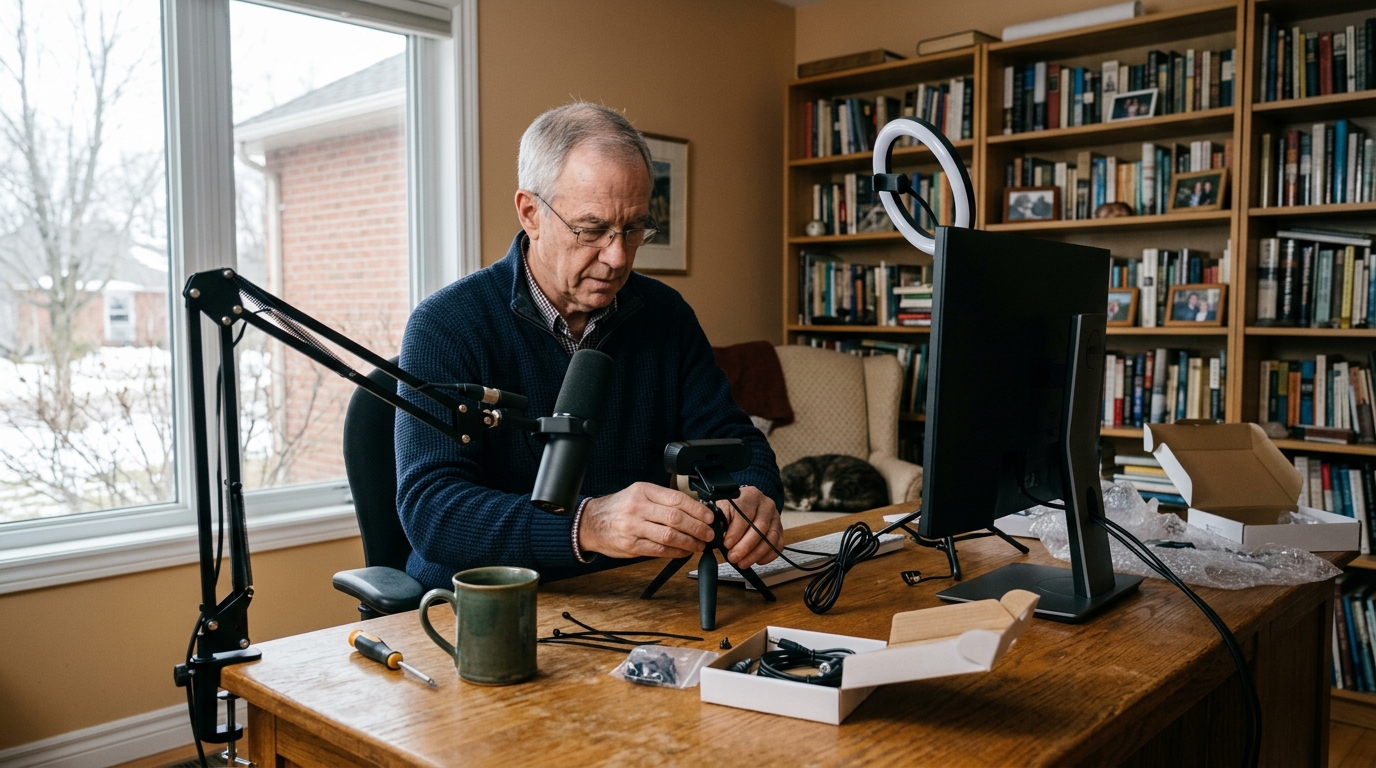
| Professional video setup | $1,000–$3,000 | Microphone, lighting, webcam, background (home studio quality) |
| Marketing and student acquisition | $2,000–$8,000 | Ads, email marketing, student recruitment |
| Coaching or business consulting (optional) | $1,000–$3,000 | Guidance on course structure and launch strategy |
| Total Startup Investment | $10,500–$35,000 | Platform + initial course launch |
A reverse mortgage of $20,000–$40,000 fully funds online teaching business startup and provides working capital for content creation and marketing.
How Reverse Mortgage Funds Your Online Teaching Business
A reverse mortgage removes three barriers to scaling online teaching:
1. Content creation and platform investment. Quality courses require investment: video editing, screen recording, course design, and platform fees. A reverse mortgage funds this upfront content creation, which generates revenue for years.
2. Professional infrastructure. A polished website, professional video setup, and course platform ($5,000–$10,000) position you as serious educator. This infrastructure attracts university teaching opportunities and premium student pricing.
3. Marketing and student acquisition. Initial student recruitment ($2,000–$8,000) requires advertising and promotional effort. A reverse mortgage funds this critical launch phase. Word-of-mouth and platform algorithms handle growth after initial customers.
HomeEquity Bank and Equitable Bank support digital businesses and content creators with flexible reverse mortgage structures.
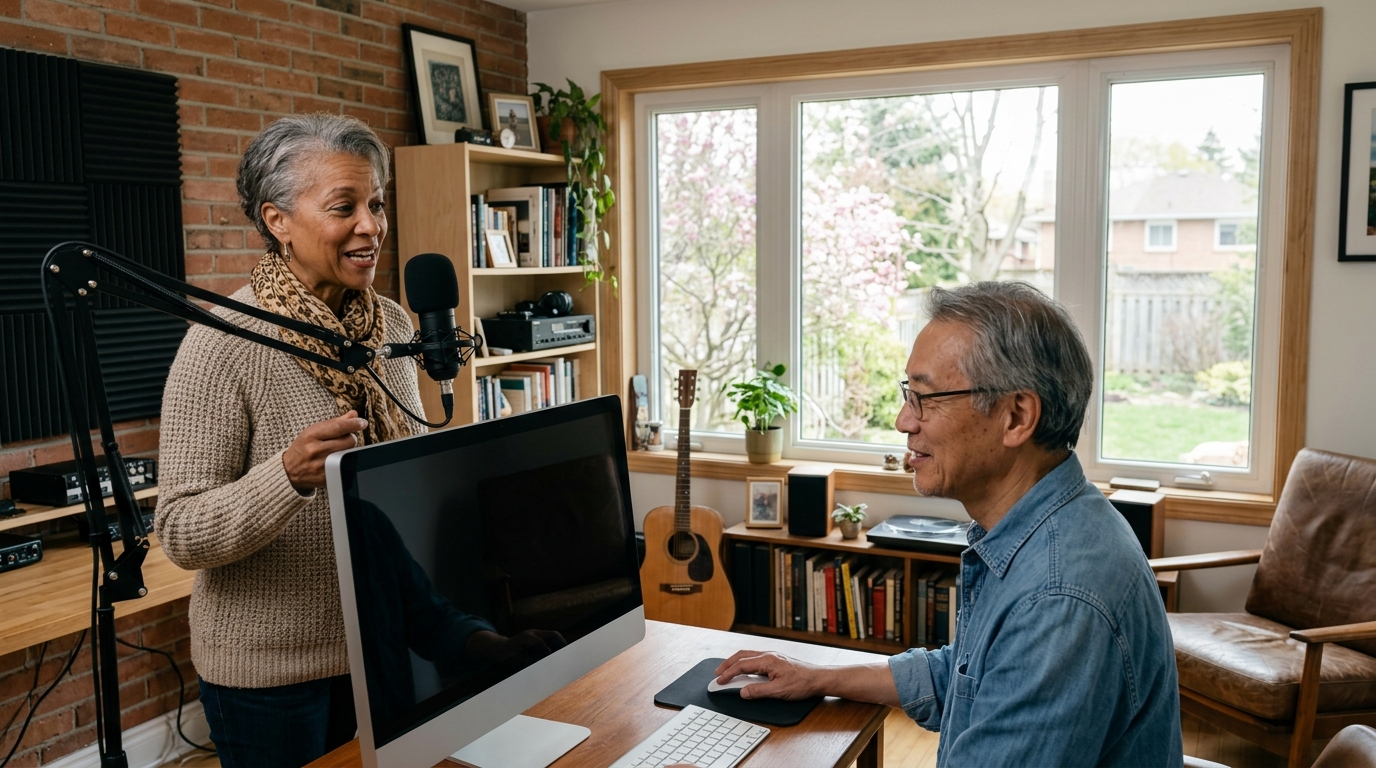
According to research from the Online Learning Consortium and Statistics Canada: "Online education is now mainstream. Universities employ 40,000+ online instructors in North America. Demand for experienced educators teaching online exceeds supply. Average online instructor income ranges $50,000–$150,000 annually with blended teaching models."
Real Scenario: Margaret's Multi-Stream Teaching Business
Margaret, a retired university professor with 37 years teaching business and organizational leadership, had $480,000 home equity. She wanted to scale her teaching impact beyond traditional university lecture halls.
Reverse mortgage: $30,000 (line of credit, 5.2% rate) Used for:
- Teachable LMS setup ($3,000)
- Professional website redesign ($4,000)
- Video equipment (microphone, lighting, webcam) ($2,500)
- Course development (recording, editing, platform design) ($5,000)
- Initial marketing and student recruitment ($4,000)
- Coaching on course launch strategy ($2,000)
- Email marketing and student management software ($1,500)
- Working capital reserve ($8,000)
First-year income streams:
- Adjunct teaching (1 course/semester at local university): $10,000/year
- Online platform course (Teachable): Built in Month 1-2, earning $2,000/month by Month 6
- University online program (hired to teach for distance learning program): $20,000/year (started Month 4)
- Membership community (launched Month 6): Starting at $1,500/month (15 members × $100/month)
Year-one results:
- Blended annual income: $53,000
- Breakdown: University ($30,000) + Online platform ($12,000, months 6-12) + Membership ($9,000, months 6-12)
By year two, Margaret had expanded her teaching portfolio:
- 2 university courses ($20,000)
- 3 online platform courses ($30,000 combined)
- Membership community with 50 members ($6,000/month)
Year-two income: $106,000 annually—exceeding her previous professor salary while teaching part-time from home. She repaid $25,000 of reverse mortgage principal in year one.
Building Your Online Teaching Business: Three Approaches
Approach 1: University and College Instruction (Fastest Start)
- Leverage academic credentials to teach online for universities or colleges
- Apply for: Online instructor positions, adjunct roles, part-time faculty
- Revenue: $2,500–$8,000 per course, 2–4 courses annually
- Timeline: Applications take 1–3 months; courses are 4–6 months
- Effort: Active teaching required (not passive, but predictable income)
- Best for: Building credibility while scaling toward passive income
Approach 2: Online Platform Courses (Most Scalable)
- Create courses on platforms like Udemy, Teachable, Skillshare, Coursera
- Revenue models: Revenue share (Udemy 30–50%), subscriptions, enrollment fees
- Revenue: $500–$10,000+ monthly per course after ramp-up
- Timeline: Course creation 1–3 months; ramp-up to revenue 3–6 months
- Effort: Largely passive after creation (updating and supporting course)
- Best for: Building scalable, long-term revenue
Approach 3: Direct Student Enrollment (Highest Margins)
- Build your own audience and sell courses directly through your website
- Revenue models: Enrollment fees ($100–$1,000 per student), memberships, bundles
- Revenue: $20,000–$100,000+ annually depending on enrollment
- Timeline: Website build 1 month, audience building 3–6 months, revenue ramp 6+ months
- Effort: Active marketing early; passive revenue after audience builds
- Best for: Long-term asset building and maximum income control
Approach 4: Membership or Subscription Community (Recurring Revenue)
- Build a community where members pay monthly for access to your expertise
- Revenue models: Monthly membership ($10–$50/member), exclusive content, Q&A calls
- Revenue: $1,000–$10,000+ monthly depending on membership size
- Timeline: Community platform setup 1 month; member growth 3–12 months
- Effort: Monthly Q&A calls or content updates; largely passive
- Best for: Recurring revenue and member relationships
Most successful educators combine all four: 1–2 university courses (credibility + steady income), 2–3 online platform courses (scalable revenue), direct enrollment community (high margins + recurring revenue).
Finding Teaching Opportunities
Online teaching opportunities come from:
| Channel | Opportunity Type | Access Method |
|---|---|---|
| Universities and colleges (Canada, US) | Online instructor positions, adjunct roles | HigherEdJobs.com, university career portals, direct application |
| Online learning platforms | Course creation and instruction | Udemy, Teachable, Skillshare, Coursera instructor applications |
| Corporate training organizations | Custom training program development | LinkedIn outreach, corporate L&D departments, training vendor networks |
| Professional associations | Continuing education instructors | Your professional association networks, membership directories |
| Language learning platforms | Subject expert instruction | Preply, iTalki, VIPKid, Outschool (if teaching English or your expertise) |
Rick Sekhon Reverse Mortgages has worked with several educators launching online teaching businesses, assisting with reverse mortgage structures that align with variable teaching income timing.
Tax and Operational Considerations
Online teaching income requires careful tax and business planning:
- Income source diversification: Different income sources have different tax treatments (university W-2/T4 vs. self-employment vs. platform revenue share)
- Quarterly tax installments on self-employment income exceeding $3,000
- GST/HST registration required once self-employment income exceeds $30,000 annually
- Home office deduction for platform maintenance and course updates
- Course and platform expenses (software, tools, marketing) are deductible
- Copyright and intellectual property considerations if teaching for platforms vs. owning content
- Accessibility compliance (AODA) if operating in Ontario—courses must be accessible
An accountant experienced with education and digital businesses can optimize your structure. A reverse mortgage can fund professional setup ($2,000–$4,000 first year).
Key Takeaways
- Online teaching demand is massive and growing: Universities, platforms, and direct learners actively seek experienced educators.
- Your expertise is immediately monetizable: 30+ years teaching or specialization is valuable; no new credential required to start.
- Startup investment is modest: $20,000–$40,000 reverse mortgage funds platform, content, and launch.
- Revenue is highly scalable: From $2,500–$5,000 annual university courses to $100,000+ annual blended online income.
- Multiple revenue models exist: University teaching, platform courses, direct enrollment, and membership communities each generate independent income.
- Truly passive income is possible: Online platform courses and memberships generate recurring revenue with minimal maintenance after creation.
Frequently Asked Questions
Do I need a PhD or advanced degree to teach online?
No advanced degree required. Demonstrated expertise (30+ years professional experience) is sufficient. Universities and online platforms value experience and teaching ability. Some platforms (university roles) require credentials; others (Udemy, direct enrollment) require only expertise and audience appeal. A reverse mortgage can fund any credential gaps ($2,000–$5,000) if you want to teach university courses specifically.
How long does it take to create an online course?
1–3 months for quality initial course. Timelines vary: Simple text courses take 4–6 weeks; video-rich courses take 8–12 weeks. You don't need perfection on first launch—courses evolve as students provide feedback. Many educators build course while simultaneously teaching or working other jobs. A reverse mortgage provides flexibility to invest creation time without income pressure.
Can I teach online part-time alongside retirement activities?
Yes, absolutely. Online teaching is highly flexible. University courses require weekly grading and Q&A (5–10 hours/week); platform courses require minimal maintenance after creation; memberships require monthly Q&A calls (2–3 hours/month). You can structure teaching around other retirement activities or part-time work. Most online educators describe their schedules as "flexible part-time" rather than full-time.
Will online teaching income affect my government benefits?
Yes, self-employment income above threshold triggers OAS clawback. University W-2/T4 income is treated differently than self-employment. Structure your teaching income strategically: Some income through university (employment) and some through self-employment (home-based courses). An accountant can design your teaching portfolio to optimize benefits. A reverse mortgage can fund professional tax planning ($2,000–$3,000 first year).
What platform should I use for my first online course?
Choose based on your goal: Udemy (fastest to audience, 30% revenue share), Teachable (best margins, requires marketing), Skillshare (passive income model), or Coursera (premium positioning, selective acceptance). Most educators start with Udemy (pre-built audience) while building their own course on Teachable (higher margins). A reverse mortgage can fund platform selection consulting ($500–$1,500) if you want expert guidance.
How do I build an audience for direct-enrollment courses?
Audience comes from: (1) Your existing professional network (email list, LinkedIn), (2) Organic search (SEO-optimized content, YouTube), (3) Paid ads (Facebook, Google Ads), (4) Partnerships (other educators, complementary businesses). Most successful direct-enrollment courses start with a warm launch (existing audience) before scaling to cold traffic. A reverse mortgage funds initial marketing ($2,000–$5,000) to accelerate audience growth.
Ready to Learn More?
Find out exactly how much you could unlock from your home — free and no obligation.
Related Articles
Reverse Mortgage for DEI Consulting Practice: Launching Diversity, Equity, and Inclusion Consulting in Retirement
Start a diversity and inclusion consulting practice. Help corporations and nonprofits build equitable cultures; reverse mortgage funds training, business setup, and market entry.
Read →Reverse Mortgage for Residential Sustainability Auditing Practice: Certifying Aging in Place
Launch a professional home energy and sustainability auditing business. Help Ontario homeowners certify efficiency; reverse mortgage funds training, tools, and market entry.
Read →Reverse Mortgage for Archival and Digital Preservation Consulting: Preserving Institutional History and Heritage
Launch archival consulting practice preserving records for institutions. Help libraries, archives, nonprofits; reverse mortgage funds training, tools, and market entry.
Read →