
Reverse Mortgage for Non-Emergency Medical Procedures: Funding Delayed Care in Ontario
Ontario public healthcare delays push critical procedures into years-long waitlists. Reverse mortgage funds private options for joint replacement, hernia repair, cataract surgery.
What do you do when your aging parent needs a hip replacement, but the Ontario public waitlist is 18 months—and every month of delay means more pain, reduced mobility, and accelerated decline? A reverse mortgage transforms this impossible choice into an accessible one.
Ontario's public healthcare system is excellent for acute crises and emergencies. But for non-emergency procedures—hip/knee replacement, hernia repair, cataract surgery, dental implants—wait times now stretch 12–24 months. For aging seniors, this delay isn't just inconvenient; it's medically destructive. Pain, immobility, and vision loss cascade into falls, infections, depression, and accelerated aging.
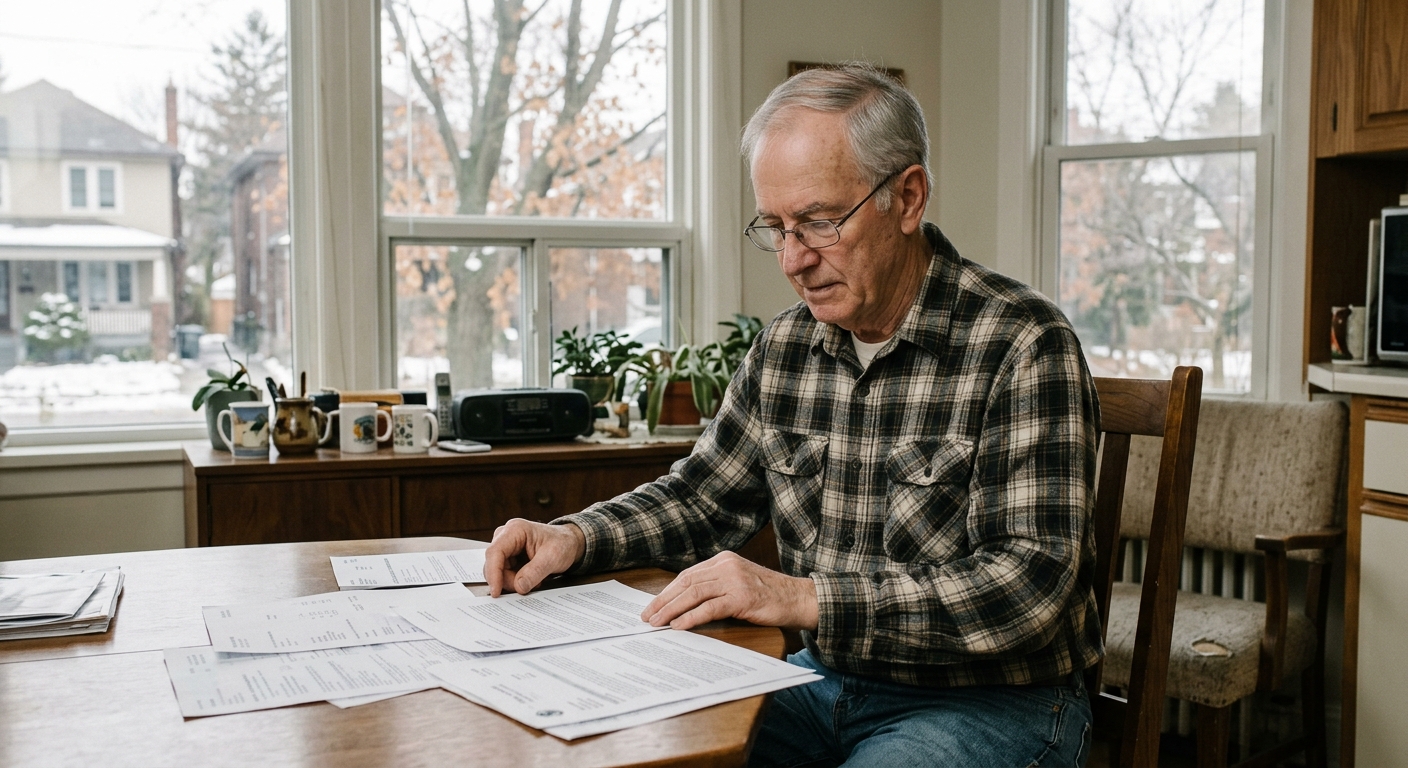
The Ontario Procedure Waitlist Crisis
As of 2026, Ontario's surgical wait times are among Canada's longest:
| Procedure | Average Ontario Wait (Public) | Private Option Available | Typical Private Cost | RM Funding Role |
|---|---|---|---|---|
| Total hip replacement | 12–18 months | Yes (private clinics) | $35,000–$45,000 | Full funding source |
| Knee replacement | 14–20 months | Yes | $32,000–$42,000 | Primary funding |
| Cataract surgery | 6–12 months | Yes | $3,000–$5,000/eye | Affordable via RM |
| Hernia repair (non-emergency) | 10–16 months | Yes | $8,000–$12,000 | Accessible solution |
| Carpal tunnel release | 8–14 months | Yes | $4,000–$6,000 | RM covers comfortably |
For your aging parent, a 12–18 month delay for hip replacement means suffering through mobility loss that cascades into falls, muscle wasting, depression, and reduced independence. A reverse mortgage that funds private surgery ($40,000) preserves quality of life, independence, and prevents costlier downstream complications (hospitalization, rehabilitation, potential long-term care placement).
The ROI on this reverse mortgage spending isn't just comfort—it's medical necessity.
The Hidden Costs of Delaying Surgery
When government waitlists delay non-emergency surgery, aging parents experience:
| Delay Consequence | Medical Impact | Financial Cost to Family |
|---|---|---|
| Hip replacement delay (18 months) | Reduced mobility → fall risk | Fall hospitalization ($15,000–$50,000) |
| Hernia repair delay | Strangulation risk; complication escalation | Emergency surgery ($30,000+) |
| Cataract delay | Vision loss → falls, depression | Fall recovery + vision assistance |
| Knee replacement delay | Pain worsens → opioid dependency risk | Addiction treatment ($10,000+) |
| Dental implant delay | Nutrition decline; social isolation | Nutritional supplementation; caregiver burden |
A reverse mortgage that funds private cataract surgery ($4,000) can prevent a $50,000 fall hospitalization six months later. This isn't luxury healthcare; it's preventive medicine disguised as "elective" by the public system.
According to the Fraser Institute, "Long waitlists for non-emergency procedures in Ontario create downstream complications costing the healthcare system millions. For individual seniors, private surgery access funded through home equity can prevent cascade failures of independence."
Reverse Mortgage as Elective Surgery Funding Vehicle
When your aging parent needs non-emergency surgery, a reverse mortgage is the only household funding option that:
- Doesn't create debt burden (no personal loan to repay)
- Doesn't deplete retirement savings (preserves CPP/OAS investment buffer)
- Allows full surgery cost coverage (unlike HSA/insurance that cap reimbursement)
- Maintains flexibility if surgery is deferred (line of credit keeps access available)
| Funding Method | Access Speed | Cost to Parent | Ownership Impact |
|---|---|---|---|
| Personal savings withdrawal | Immediate | None (but depletes reserves) | None |
| Line of credit (non-mortgage) | 2–4 weeks | High interest (prime + 2–4%) | Monthly debt service |
| Personal loan | 1–2 weeks | Moderate-high interest | Monthly payments |
| Reverse mortgage | 3–6 weeks | Zero interest accrual (compound only) | No monthly payments |
| Adult child co-sign loan | Variable | Creates family debt | Affects child's borrowing |
For aging parents, reverse mortgage is the cleanest option. You're not depleting the retirement reserves that sustain your long-term care security. You're not creating monthly debt service that consumes fixed-income cash flow. You're using home equity—the asset designed precisely for this purpose in retirement.

Planning for Multiple Procedures: The Medical Timeline
Many aging parents face multiple non-emergency procedures:
- Cataract in both eyes ($6,000–$10,000)
- Hip or knee replacement (one or both, $35,000–$90,000 total)
- Hernia repair ($8,000–$12,000)
- Dental implant or bridge ($6,000–$15,000)
- Possibly hearing aids or cochlear implant ($5,000–$40,000)
Total potential non-emergency surgical need: $60,000–$170,000
A lump-sum reverse mortgage of $100,000–$150,000 becomes the single retirement funding tool that addresses this entire cascade without draining other resources.
| Multi-Procedure Plan | Year 1 | Year 2 | Year 3 | Total RM Accessed |
|---|---|---|---|---|
| Both cataracts | $8,000 | — | — | $8,000 |
| Hip replacement | $40,000 | — | — | $40,000 |
| Hernia repair | — | $10,000 | — | $10,000 |
| Dental implant (both sides) | — | $12,000 | — | $12,000 |
| Line of credit available | Remaining $30,000+ | Emergency flexibility | Backup for complications | Maintained |
This structured approach uses reverse mortgage funds for planned, medically necessary procedures while maintaining flexibility for unexpected complications.
Choosing Private Surgery: Questions to Ask
When evaluating private surgery options, your aging parent should ask:
| Credential Question | What to Verify | Where to Check |
|---|---|---|
| Surgeon credentials | Licensed in Ontario? | College of Physicians of Ontario (CPO) registry |
| Facility accreditation | Accredited surgery center or hospital? | Accreditation Canada or provincial registry |
| Implant quality | FDA-approved implants (for joint replacement)? | Surgeon's facility documentation |
| Infection rate | What's their surgical-site infection rate? | Facility should provide data |
| Complication rates | How often do complications occur? | Ask directly; reputable surgeons will share |
| Post-operative care | Included in quoted price? Physiotherapy? | Get written surgical package |
Private healthcare isn't a free-for-all. Accredited private facilities meet rigorous standards. You're not compromising quality—you're bypassing waitlists while accessing equivalent care.
According to CMHC (Canada Mortgage and Housing Corporation), "Home equity accessed in retirement for health and mobility preservation can improve longevity and quality of life, making the healthcare investment ROI significantly positive."
Tax and Benefit Implications
Reverse mortgage funds used for medical procedures don't trigger tax issues (not income) and don't reduce government benefits (not income). However, if you claim medical expenses on your taxes, ensure private surgery documentation is preserved for CRA.
| Tax Consideration | Applies? | Documentation Needed |
|---|---|---|
| Medical expense deduction | Yes, if claiming on taxes | Receipts from accredited facility |
| Investment income from RM funds | No | —(funds are loan, not income) |
| OAS/GIS impact | No | —(funds don't count as income) |
| Prescription drug program impact | No | —(medical procedure, not pharma) |
Keep all receipts and surgical documentation. If your parent later claims medical expenses on their tax return, private surgery receipts are deductible.
When Public Healthcare Is Better: Knowing the Boundary
Not every non-emergency procedure warrants private payment. Some cases are better served by public healthcare:
- Procedures with excellent Ontario outcomes (some cardiac surgeries, joint replacements at major teaching hospitals)
- Complex cases requiring specialist resources public healthcare excels at
- Procedures where Ontario wait times are reasonable (<6 months)
- When patient is medically unstable (public system better equipped for complications)
Your reverse mortgage should fund private options strategically, not reflexively. Work with your aging parent's primary care doctor to assess: "Given my wait time, is private surgery worth the cost, or should I wait?"
Many physicians will recommend: "Public waitlist is 14 months for your hernia repair, but your situation isn't urgent. Private would cost $10,000. The medical urgency doesn't justify that." This guidance is gold. Follow it.
Key Takeaways
- Non-emergency surgical waitlists in Ontario now stretch 12–20 months; delays cascade into falls, infections, and accelerated decline, costing far more than private surgery
- Reverse mortgage funds ($40,000–$100,000) enable private surgery access for procedures like hip replacement, knee replacement, cataract surgery, and hernia repair without depleting retirement savings or creating monthly debt service
- Private surgery in Ontario through accredited facilities meets rigorous safety standards; verify surgeon credentials (CPO registry), facility accreditation (Accreditation Canada), and complication rates before proceeding
- Plan reverse mortgage access for multiple procedures (cataract both eyes, hip replacement, hernia repair, dental implants) as a comprehensive aging strategy rather than one-off surgery funding
- Medical expenses for private surgery are deductible on taxes (keep receipts); RM funds don't count as income for benefit purposes
Frequently Asked Questions
If I fund private surgery with a reverse mortgage, will OHIP refuse to cover complications?
No. OHIP doesn't refuse coverage based on your choice to pay privately for the initial procedure. If complications arise, OHIP covers the public system response. However, if you choose to continue with the private surgeon for follow-up, that's your expense. Clarify this in your surgical contract before proceeding.
What if I get private surgery and the outcome is poor? Can I sue?
Yes. Private surgeons and facilities are bound by the same standard of care as public system surgeons. If negligence occurs, you have legal recourse. Accredited facilities carry malpractice insurance protecting you. This is another reason to verify accreditation before choosing.
How quickly can I access reverse mortgage funds for urgent (but non-emergency) surgery?
Most lenders (CHIP, HomeEquity Bank, Equitable Bank, Bloom Financial) can fund within 3–6 weeks if your application is straightforward. If surgery can't wait that long, line-of-credit access (existing RM) can be faster. Plan ahead when possible.
Will the surgeon expect payment upfront for private surgery?
Usually, yes. Most accredited private facilities require a deposit (30–50% of surgical cost) when booking, with remainder due before surgery. Understand payment terms before committing. Some facilities accept financing; this can be an alternative to reverse mortgage if your RM is already committed elsewhere.
If my parent needs both a hip replacement and cataract surgery, what's the priority?
That's medical, not financial. Discuss with your aging parent's physician: "Both can be done privately. What order makes medical sense?" Usually, fix vision first (improves fall prevention), then hip replacement (improves mobility). But medical judgment varies.
If I pay privately for surgery now, will it affect my future long-term care funding eligibility?
Possibly. Some provincial programs consider home equity when assessing your need for subsidized LTC. Accessing a reverse mortgage for medical purposes strengthens your case (medical necessity), but consult an LTC planner before proceeding if you anticipate future need for publicly funded care.
Ready to Learn More?
Find out exactly how much you could unlock from your home — free and no obligation.
Related Articles
Reverse Mortgage for Aging in Place With Fibromyalgia: Home Modifications for Invisible Illness
Fund home modifications for aging with fibromyalgia. Reverse mortgage enables accessible design for pain management, energy conservation, and quality of life.
Read →Reverse Mortgage for Accessible Community Kitchen: Culinary Training and Aging in Place
Convert your home kitchen into an accessible commercial culinary training space. Reverse mortgage funds renovation while creating community impact.
Read →Reverse Mortgage to Launch Home-Based Tax Prep and Retirement Planning Business
Fund your home-based tax and retirement planning practice with a reverse mortgage. Serve aging Canadians while accessing home equity in Ontario.
Read →