
Reverse Mortgage for Mature Student Housing: Return to Post-Secondary Education at Any Age
Fund your own or parent's return to education. Reverse mortgage for mature student housing, tuition, and living expenses.
You're 60 and considering a mid-life education—a degree you never completed, a credential you now need for a career pivot, a master's in a field you're passionate about. Can a reverse mortgage fund this second-act education without depleting retirement savings?
Yes. Education isn't just for young people. A reverse mortgage can fund mature student pursuits that create meaning, career advancement, or legacy impact in your later years.
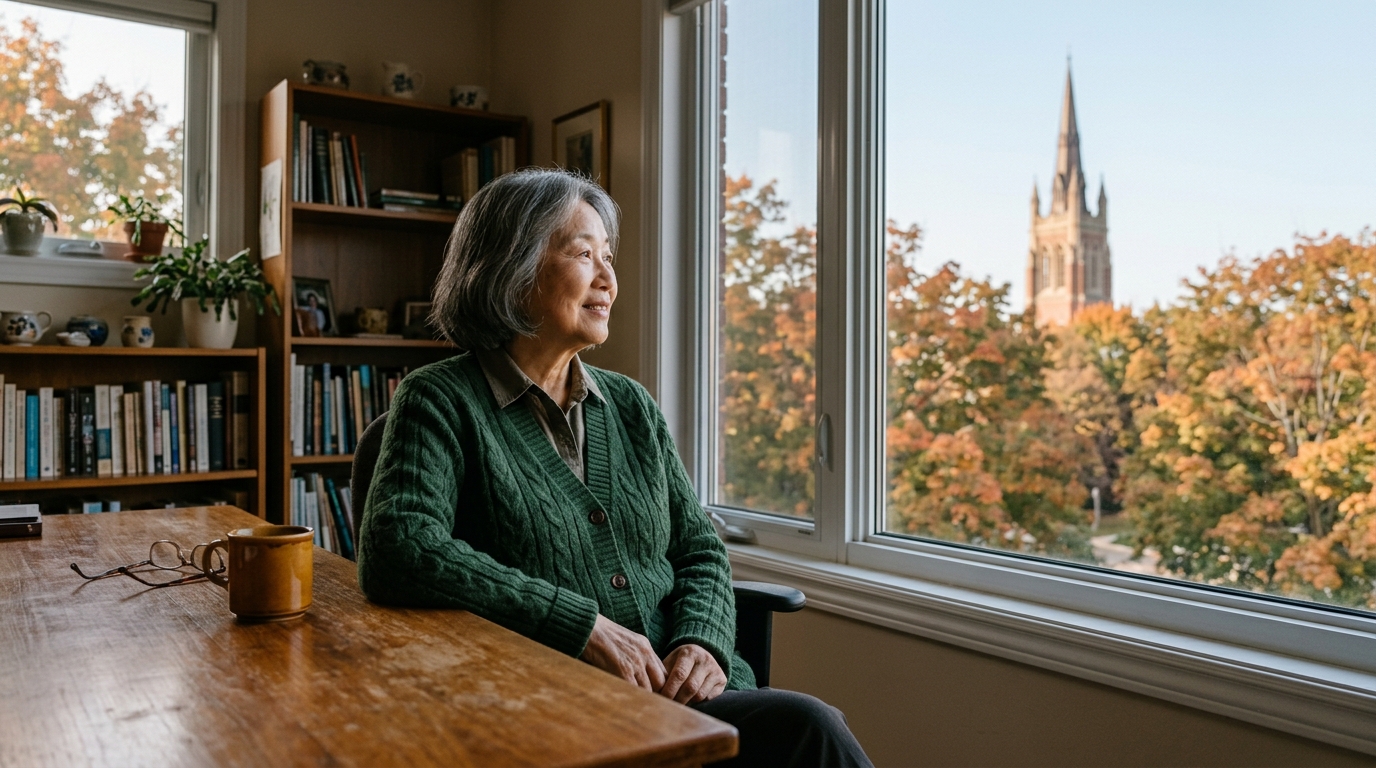
The Mature Student Movement
Mature students—people 40+ returning to formal education—now represent 20%+ of Canadian post-secondary enrollment. Common reasons include career transitions, unfinished education, professional credential needs, and intellectual engagement.
Definition: Mature students are post-secondary learners aged 40 or older, typically with prior work/life experience, returning to formal education for degree completion, credential building, career change, or personal development.
Research shows mature students:
- Have higher completion rates than traditional-age students
- Bring life experience that enriches classroom learning
- Often achieve better grades due to motivation
- Struggle with housing and living cost affordability (many transition from employment to student budgets)
- Face age-related workplace discrimination motivating credential-building
A reverse mortgage solves the housing and living cost barrier that prevents capable mature students from pursuing education.
Real Story: David's Law School Journey
David, 58, worked in business for 30 years but regretted not pursuing law. He wanted to attend part-time law school but faced barrier: housing costs. His mortgage was paid off, but he'd need to reduce work hours; income would drop during law school.
David accessed a $60,000 reverse mortgage to fund:
- Tuition ($4,000/year × 4 years): $16,000 (part-time law school)
- Housing (mortgage-free but property tax, maintenance): $8,000 annually
- Living expenses: $6,000 annually (reduced from full-time work transition)
- Textbooks and technology: $2,000 annually
- Contingency: Remaining balance
Over four years, David attended evening law classes while working part-time. His reverse mortgage enabled this transition. He graduated at 62, passed bar exam, and launched second-career legal practice.
Reverse mortgage cost: approximately $3,120 annually. David considers this the best investment in his life trajectory. He practices law in community development, work he finds meaningful at a stage when many peers are retiring.
Types of Mature Student Education and Costs
| Education Path | Duration | Tuition (Ontario) | Living Costs | Total Investment | RM Funding Appropriate? |
|---|---|---|---|---|---|
| Bachelor's degree (part-time) | 4–6 years | $6,000–$15,000/year | $10,000–$15,000/year | $64,000–$180,000 | Yes; long-term funding |
| Master's degree | 2–3 years | $8,000–$20,000/year | $12,000–$18,000/year | $40,000–$114,000 | Yes; manageable timeframe |
| Professional credential (diploma, certificate) | 1–2 years | $3,000–$10,000/year | $8,000–$12,000/year | $11,000–$32,000 | Yes; short-term focused |
| Trade/apprenticeship certification | 1–4 years (part-time) | $2,000–$8,000 | $8,000–$12,000/year | $10,000–$50,000 | Yes; high income return |
| PhD (if mature student) | 4–6 years | Often funded but living stipends modest | $15,000–$25,000/year | $60,000–$150,000 | Depends; funding availability varies |
Comparing Education Funding Options for Mature Students
| Funding Source | Upfront Cost | Time | Your Burden | Career Impact |
|---|---|---|---|---|
| Reverse mortgage | 5–6.5% interest annually | 30–45 days | Interest only; manageable during/after education | Enables education without income pressure |
| Student loans (mature students eligible) | Prime + interest | Days | Repayment obligation after graduation | Moderate; typical path for mature students |
| Savings depletion | None (if available) | Immediate | Depletes retirement emergency fund | Risky; eliminates backup capital |
| Work + education (self-funding) | Minimal | Ongoing | Time/energy split between work and studies | Sustainable but slower degree completion |
| Employer sponsorship | Often none | Immediate | Very supportive if available | Rare; declining in Canada |
| Spousal support | Depends | Immediate | Relationship complexity; potential resentment | Variable; can create tension |
A reverse mortgage spreads cost over retirement years, reducing annual burden during intensive education period.

Housing Solutions for Mature Students
| Housing Option | Cost | Stability | Community | Mature Student Fit |
|---|---|---|---|---|
| Keep owned home (if paid off) | Property tax, maintenance | Very stable | Solitude or commute | Excellent; maintain existing housing |
| Downsize to student-friendly housing | $600–$1,200/month | Moderate; lease terms | Higher; shared living | Good for social connection |
| Near-campus rental | $800–$1,400/month | Unstable; lease terms | Higher | Very social; higher costs |
| Campus residence (if available) | $600–$1,000/month | Stable; academic year | Excellent | Becoming available to mature students |
| Commute from paid-off home | $200–$500 transportation | Very stable | Depends on local community | Excellent if distance manageable |
Most mature students keep paid-off homes and use reverse mortgage for living expenses, reducing overall cost burden.
Mature Student Financial Aid and Tax Benefits
- Student loans: Mature students qualify; federal/provincial loans available
- Tax credits: Education amounts transferable to spouse/family (varies by program)
- Tuition tax credits: Can offset income for 4+ years post-graduation
- Reverse mortgage proceeds: Not taxable income
- Living expenses: Generally not deductible (except work-related education in some cases)
According to OSFI and CRA, mature students have similar tax benefits to traditional students; consult professional on maximizing credits.
Success Factors for Mature Student Education
Before committing to reverse mortgage funding:
- Clear motivation: Why education now? (Career change, unfinished business, intellectual engagement?)
- Realistic timeline: Full-time vs. part-time; graduation realistic within 2–4 years?
- Career return-on-investment: Will education lead to employment, career advancement, or income increase?
- Health sustainability: Can you manage education physically/cognitively?
- Family support: Does spouse/family support this investment?
- Academic readiness: Update needed? Tutoring? Foundation courses?
According to FSRAO, mature students succeed best when decision is deliberate, not reactive escape from current employment.
Key Takeaways
- Mature students (40+) represent 20%+ of Canadian post-secondary enrollment and have high success rates
- Common barriers: Housing costs, income transition, time management
- Reverse mortgage funds living costs while you pursue education, preserving emergency savings
- Education investment at 60+ can yield 10–20 years of meaningful career or intellectual engagement
- Master's degrees typically ROI within 5–7 years through career advancement
- Professional credentials often immediate ROI through job advancement or new income streams
Frequently Asked Questions
Will employers hire someone who graduates from school at 65+?
Yes, increasingly. Ageism is real, but many employers value mature professionals with credentials. Self-employment, consulting, and nonprofit/government roles actively seek experienced professionals with new credentials. Your life experience + new education is valuable combination.
Can I study part-time while working and use reverse mortgage for gap?
Yes, ideal scenario. Part-time education (evenings, weekends, online) allows continued part-time income. Reverse mortgage covers shortfall between reduced income and living costs. This is sustainable model.
What if I start education and realize I can't complete it?
Education funds are still valuable. Courses taken, credentials earned, even incomplete degree demonstrates learning. Some employers value coursework even without degree. Discuss early with Rick Sekhon Reverse Mortgages if concerns about completion arise.
Should I complete my reverse mortgage before or after starting education?
Before. Complete RM while employed, before leaving workforce or reducing income. Once you're a student, income qualification becomes complex. Get RM in place first, then pursue education.
What if my spouse wants education differently than me?
Discuss jointly. If spouse also pursuing education, reverse mortgage might fund both. If split on education priority, this is relationship conversation requiring honesty and negotiation about shared assets.
Can my adult child help fund my mature student education?
Possible, but unusual. Frame it as "We're investing in parent's intellectual engagement and career development; if you'd like to contribute, that's appreciated." Most adult children support parent education but don't financially co-invest unless very engaged in parent's specific field.
Education doesn't end at 30 or 40 or 60. A reverse mortgage makes mid-life or late-life education accessible—enabling meaningful career changes, intellectual growth, and second-act purpose.
Ready to explore funding your mature student education journey? Contact Rick Sekhon Reverse Mortgages for a consultation on accessing capital for return-to-education goals.
Ready to Learn More?
Find out exactly how much you could unlock from your home — free and no obligation.
Related Articles
Reverse Mortgage for Online Course Instruction and Academic Teaching: Building a Digital Education Business in Retirement
Teach online courses for universities, platforms, or direct students. Create scalable digital content; reverse mortgage funds setup, platform development, and marketing.
Read →Reverse Mortgage for Aging in Place With Fibromyalgia: Home Modifications for Invisible Illness
Fund home modifications for aging with fibromyalgia. Reverse mortgage enables accessible design for pain management, energy conservation, and quality of life.
Read →Reverse Mortgage for Accessible Community Kitchen: Culinary Training and Aging in Place
Convert your home kitchen into an accessible commercial culinary training space. Reverse mortgage funds renovation while creating community impact.
Read →