
Reverse Mortgage When You're the Male Caregiver: Invisible Caregiving Burden
Male caregivers face unique financial and social challenges. A reverse mortgage bridges income loss and caregiving costs when society doesn't recognize the burden.
You're a man in your late 50s, still working, when your aging parent has a stroke and needs full-time care. Society expects daughters and wives to quit jobs for caregiving; when you do it, you're a hero—or you're invisible. The financial hit is just as devastating. Lost income, unpredictable caregiving costs, workplace disruption—a reverse mortgage acknowledges the reality that caregiving doesn't discriminate by gender, and your financial burden is real.
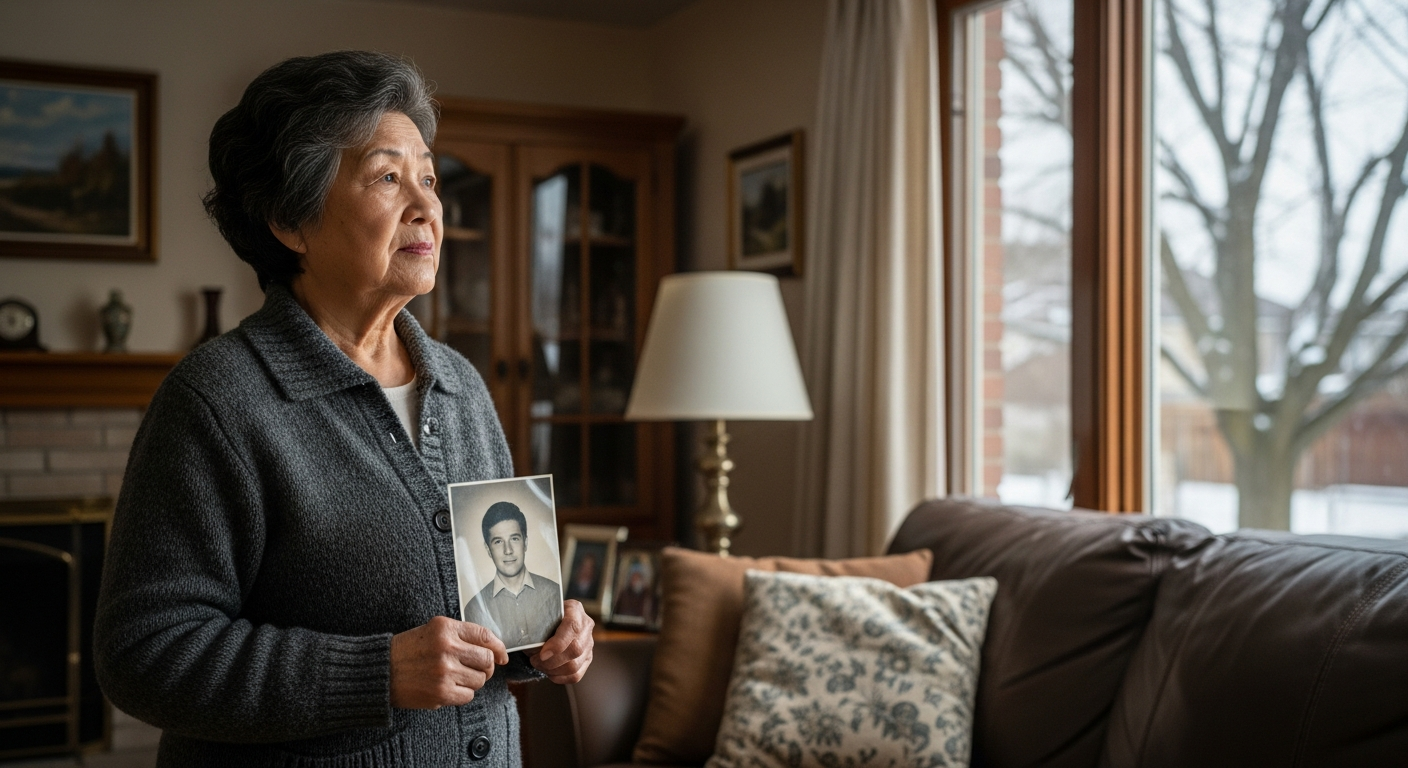
The Silent Crisis: Male Caregivers in Ontario
Male caregivers are dramatically under-recognized and under-supported:
- 25–30% of primary caregivers in Ontario are male (Caregiver Action Network)
- Most are sons (50%), not spouses — caring for aging parents
- Male caregivers are often invisible: Social programs target "family caregivers" assuming female spouses; sons fall through cracks
- Men are less likely to ask for help — cultural messages that self-reliance = strength
- Financial burden is identical to female caregivers — lost wages, caregiving costs, workplace disruption
The Financial Profile of Male Caregivers
| Impact | Typical Cost |
|---|---|
| Lost wages (part-time to caregiving reduction) | $15,000–$40,000/year |
| In-home care (if needed in addition to your labor) | $2,000–$4,000/month |
| Medical/accessibility home modifications | $15,000–$50,000 |
| Transportation (medical appointments, emergency runs) | $200–$500/month |
| Emotional labor (often uncompensated) | Priceless, but devastating |
Total 1st-year caregiving cost: $30,000–$80,000 (in addition to your reduced income).
Case Study: David, Age 58
David worked as an electrical engineer, earning $85,000/year. His father had a stroke and required full-time care; his sister lived out-of-province and "couldn't help." David:
- Reduced to 50% work time to provide daily caregiving ($42,500/year income loss)
- Hired in-home care 3 days/week when he had to work ($3,000/month = $36,000/year)
- Modified the house: Installed ramp, accessible bathroom ($25,000)
- Medical expenses: Co-pays, prescriptions, assistive equipment ($4,000/year)
Year 1 caregiving cost: ~$107,000 out-of-pocket + income loss.
David's employer had no "male caregiver" flexibility; HR assumed his caregiving was temporary. By year 2, he was passed over for promotions because he "wasn't committed." By year 4, his father passed away, but David's career never recovered. He retired at 62 with reduced CPP (due to years of reduced earnings) and depleted savings.
According to Statistics Canada, male caregivers experience 40–60% greater financial stress than female caregivers who receive community support and workplace accommodations. The gender gap in caregiving support is a hidden inequality.
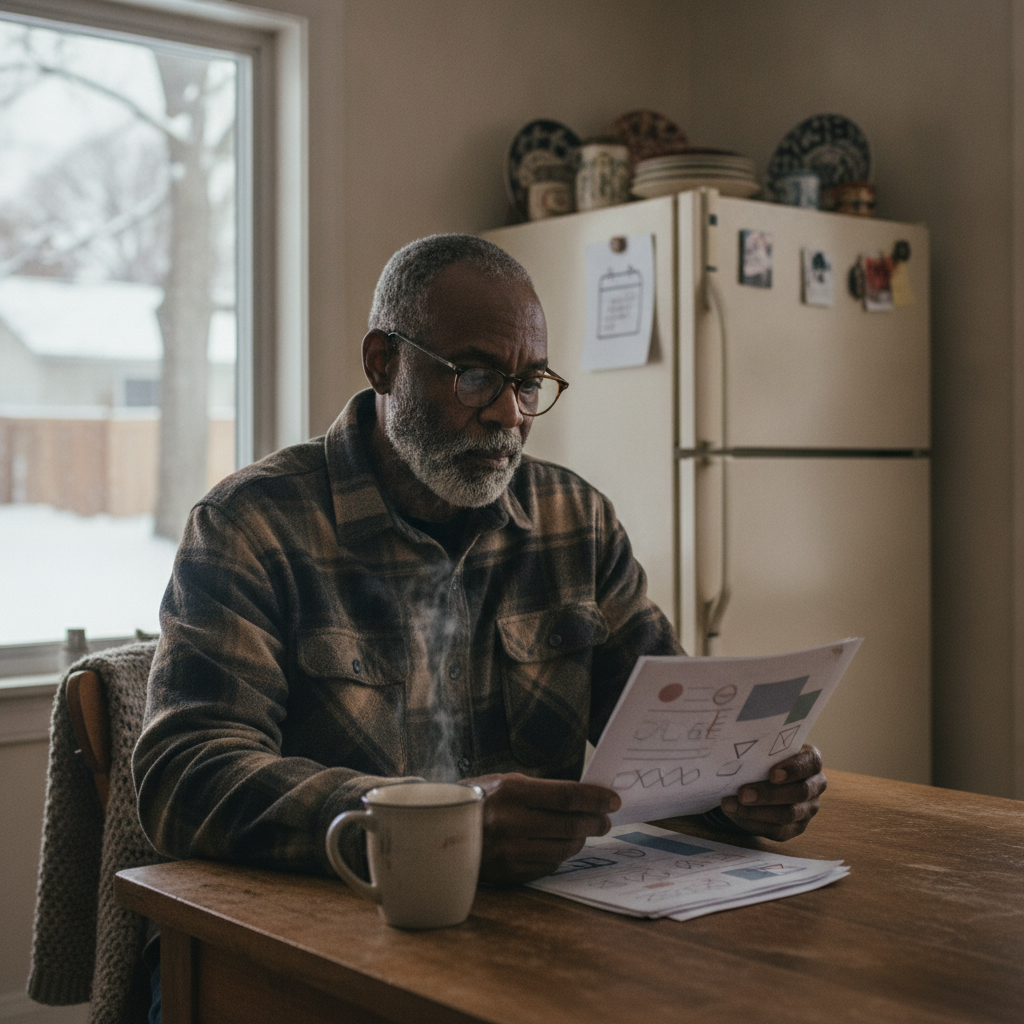
Reverse Mortgage as Financial Recognition of Caregiving
A reverse mortgage doesn't praise your caregiving (society still won't), but it provides financial relief proportional to your sacrifice:
Strategy: RM Covers Caregiving Costs While You Reduce Work Hours
- Get a reverse mortgage for $50,000–$100,000 at age 55–60 (while still employed)
- Use RM funds to cover:
- In-home care (supplements your labor)
- Medical/accessibility modifications
- Lost income during caregiving shifts (doctor appointments, emergencies)
- Emotional support (therapy for caregiver burnout)
- Reduce work hours without depleting savings
- Preserve your health (caregiver burnout is real; stress kills)
- Keep CPP contributions intact by maintaining part-time work (vs stopping entirely)
Financial Comparison: RM vs Alternatives
| Option | Cost | Outcome |
|---|---|---|
| Do it all yourself (work + caregiving) | Income loss $40,000/year × 5 years = $200,000; burnout; health crisis | Depleted savings; reduced CPP; health damaged |
| Quit work entirely | Same income loss; plus no CPP contributions; plus caregiver depression | Worst financial outcome; health suffers more |
| Reverse mortgage to bridge | RM cost: $8,000–$15,000; income loss reduced to $20,000/year | Preserves health, CPP, earnings history; family stability |
| Sell home & downsize | Home sale costs + relocation stress | Only option if no other choice; loses your anchor |
For David: A $75,000 reverse mortgage would have covered 75% of his caregiving costs while he maintained part-time work. Instead of losing $42,500/year for 5 years ($212,500 total), he would have lost only $20,000/year ($100,000 total). He'd have saved ~$112,500—and kept his CPP contributions intact.
Navigating Workplace Assumptions & Male Caregiver Invisibility
The "You're a Man; You Should Work" Assumption
Many employers (and family) assume:
- Men don't provide primary care; they "help out" while their wives/partners handle it
- Male caregiving is temporary; expecting him to reduce hours long-term signals he's "not serious about his job"
- Caregiving flexibility is a "woman's benefit"; men who request it are seen as weak or uncommitted
Reality: Male caregivers are often sole providers of care and face enormous workplace discrimination.
Strategies for Workplace Accommodation
-
Be explicit about caregiving needs: Don't say "I might need flexibility." Say, "I am the primary caregiver for my aging parent. I need 20–30 hours/week flexibility for medical care, transportation, and daily support."
-
Propose solutions: "I can work Tuesday–Thursday in-office, Monday/Friday from home for caregiver tasks. This preserves 60% of my hours and maintains team continuity."
-
Document the request: Email your HR/manager with clear terms. This creates a paper trail if you're later penalized for caregiving.
-
Know your rights: Ontario's Employment Standards Act protects some caregiver leave (unpaid), but many male caregivers don't claim it because of workplace culture.
-
Use reverse mortgage funds to bridge: If your employer refuses accommodation, a RM lets you work part-time anyway, without losing your home.
The Reverse Mortgage Conversation with Your Employer
You don't need to tell your employer you're getting a reverse mortgage. But if they resist caregiving accommodation, your attorney could argue:
- "My client has secured financing for caregiving costs via reverse mortgage; this demonstrates long-term commitment to caregiving and need for workplace flexibility."
A reverse mortgage shows your employer that caregiving is not a passing whim—it's serious, permanent, and financially backed.
Male Caregiver-Specific Resources & Support
Recognizing You're Not Alone
- Caregiver Action Network: Significant portion of members are male; provides peer support
- Men's Health Awareness: Many male caregiver support groups exist; they're just less visible than female caregiver groups
- Workplace Employee Assistance Programs (EAP): Many offer caregiver counseling; men are statistically less likely to use them, but they're available
Mental Health & Caregiver Burnout
Male caregivers report:
- Higher rates of depression than female caregivers (30–40% vs 25–35%)
- Less willingness to seek help (cultural messaging that seeking support = weakness)
- Greater health consequences — heart disease, stroke, earlier mortality in male caregivers post-care
A reverse mortgage can fund mental health support — therapy, counseling, respite care — that many male caregivers avoid because it costs money they don't have.
CPP / OAS Considerations for Male Caregivers
If you reduce work hours due to caregiving, your CPP contribution history is affected:
- CPP allows up to 8 caregiving-related years of contribution drop-out — years with low earnings due to caregiving don't count against your average
- You must apply for the caregiver drop-out provision when you apply for CPP
- Working part-time (vs stopping entirely) preserves higher earnings history — a reverse mortgage lets you work part-time without financial desperation
According to Service Canada, male caregivers are significantly less likely to apply for CPP caregiving provisions than female caregivers, resulting in $2,000–$5,000 lower annual CPP benefits in retirement. If you're a male caregiver, proactively apply for CPP caregiving drop-out provisions.
Key Takeaways
- Male caregivers face identical financial costs as female caregivers — lost income, caregiving expenses, health deterioration — but receive far less social recognition and workplace accommodation.
- Reverse mortgage acknowledges the real financial burden of caregiving and provides liquidity to sustain part-time work, in-home care support, and health maintenance.
- Working part-time (funded via RM) is better than quitting entirely — you preserve CPP contributions, maintain professional identity, and stay healthier than caregivers who experience total work stoppage.
- Workplace discrimination against male caregivers is real but often informal — a reverse mortgage provides financial independence to stand up for caregiving needs without fear of losing your home.
- Use a reverse mortgage to fund mental health support — male caregivers are especially prone to depression and burnout; paying for therapy signals you're taking care of yourself, not weakness.
Frequently Asked Questions
If I'm a male caregiver and my family expects me to provide care "for free," how do I justify a reverse mortgage to them?
You don't owe them justification. A reverse mortgage is your financial decision to preserve your health, career, and future. You can frame it as: "I'm providing full-time caregiving while working. A reverse mortgage lets me do both sustainably, without destroying my retirement savings or health."
Can I claim caregiving expenses as a tax deduction on my tax return?
Caregiving expenses are generally not tax-deductible. However, if your aging parent qualifies for the Caregiver Amount (federal tax credit), they can claim it, and the resulting tax relief may help fund your caregiving costs. Additionally, dependent elder care counts toward Child Care Expense deductions in some circumstances. Consult a tax accountant.
What if my aging parent objects to me getting a reverse mortgage—they feel guilty for "burdening" you?
Many aging parents feel guilt about requiring care. Explain that a reverse mortgage is not about them—it's about you preserving your health and career while providing care. Frame it as: "I love you and want to care for you. This reverse mortgage helps me do that without sacrificing my entire life."
If I'm receiving CPP Disability (CPP-D) and also providing caregiving, does a reverse mortgage affect my CPP-D eligibility?
No. A reverse mortgage is a loan advance (not income) and does not affect CPP-D eligibility. You can receive CPP-D, provide caregiving, and use a reverse mortgage—none interact negatively.
What if I'm a male caregiver providing care to a same-sex spouse or partner—do I have the same protections?
Ontario law protects same-sex spouses in the same way as heterosexual spouses. Spousal caregiving entitlements, tax credits, and workplace accommodations apply equally. A reverse mortgage has no gender or relationship-orientation biases.
If my aging parent passes away and I'm left with a reverse mortgage balance, how do I repay it on my reduced income?
This is a real concern. Plan for it: (1) Discuss your parent's estate with their lawyer—ensure the will adequately addresses the RM debt; (2) Consider life insurance on your parent (with RM lender as beneficiary) to cover the balance at death; (3) If necessary, downsize your home post-caregiving to repay the RM from sale proceeds.
Ready to Learn More?
Find out exactly how much you could unlock from your home — free and no obligation.
Related Articles
When Your Adult Child Becomes Your Caregiver: Managing Income Loss With a Reverse Mortgage
Your adult child quit their job to care for you. Learn how a reverse mortgage can bridge the income gap they've sacrificed.
Read →Reverse Mortgage for Aging Caregivers: Managing Your Health While Supporting Others
Aging caregivers need financial support too. Fund respite care, wellness, and medical needs while caring for aging parents or relatives.
Read →Building Your Retirement Income Plan: Reverse Mortgage + CPP + OAS Strategy
Strategic guide to combining reverse mortgage income with CPP and OAS for optimal retirement cash flow. Plan your income in Ontario.
Read →