
Reverse Mortgage for Long-Distance Caregiving: Supporting Aging Parent Across Multiple Provinces
Coordinate aging parent care across provinces without financial crisis. Reverse mortgage for long-distance caregiving coordination and travel.
Your aging parent lives 2,000 kilometers away in another province, and their health is declining. Coordinating care from afar requires frequent travel, time off work, and coordinated support—creating financial strain that's barely visible to others.
A reverse mortgage can fund the infrastructure required for high-quality distributed caregiving, transforming what seems impossible into manageable.

The Hidden Costs of Long-Distance Caregiving
Long-distance caregiving costs 2–3x more than local caregiving due to travel, accommodation, time off work, and coordination infrastructure. Yet these costs are rarely visible in family budgets.
Definition: Long-distance caregiving refers to providing primary or substantial support to an aging parent who lives in a different province, requiring coordination across provincial healthcare systems, regular travel, and remote management of care decisions.
Common long-distance scenarios:
- You live in Ontario; parent in British Columbia, Alberta, Manitoba, or Quebec
- You manage medical appointments, emergency response, and daily support from afar
- You travel 4–12 times per year at $300–$800+ per trip
- You coordinate with local support (PSW, nursing home, family) you can't directly supervise
- You carry stress of remote care decisions with healthcare providers you don't know
According to research from the Caregiver Action Network, long-distance caregivers spend 2–3x more money annually compared to co-resident or local caregivers.
Annual Cost Breakdown for Multi-Provincial Caregiving
| Cost Category | Frequency | Annual Cost | Cumulative 5-Year Cost |
|---|---|---|---|
| Air travel | 6–8 trips/year @ $400–$600 each | $2,400–$4,800 | $12,000–$24,000 |
| Ground travel, accommodation, meals | Per trip, $200–$400 | $1,200–$3,200 | $6,000–$16,000 |
| Time off work | 5–10 unpaid days/year @ $150–$250/day | $750–$2,500 | $3,750–$12,500 |
| Emergency travel | 1–2 urgent trips/year | $1,000–$2,000 | $5,000–$10,000 |
| Home care coordination (part-time PSW, nursing services) | To supplement your absence | $3,000–$8,000 | $15,000–$40,000 |
| Phone/video consultation with parents' healthcare providers | Monthly coordination calls, specialists | $300–$600 | $1,500–$3,000 |
| Professional care coordination service (optional) | If hiring geriatric care manager | $1,500–$4,000 | $7,500–$20,000 |
| TOTAL ANNUAL COST | $9,250–$25,100 | $46,250–$125,500 |
A reverse mortgage can fund this coordinated care infrastructure, preventing financial crisis.
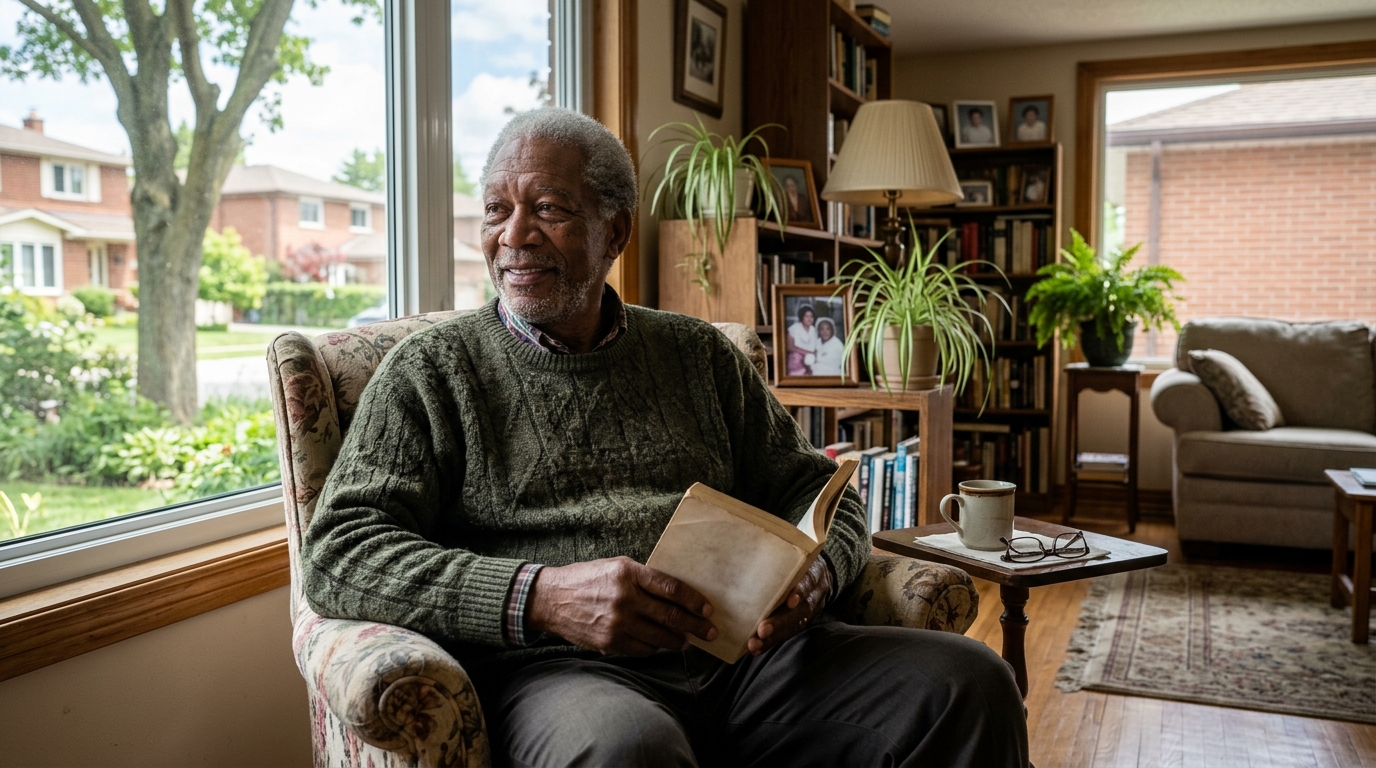
Real Scenario: The Sharma Family System
Priya lives in Toronto; her mother lives in Winnipeg. Her mother developed dementia at 79, requiring increasing support.
Priya (55) accessed a reverse mortgage for $60,000, which she strategically deployed:
- Monthly PSW support ($800/month): Replaced Priya's visits with professional daily supervision
- Twice-yearly intensive visits ($2,000 per visit): Priya spent 1-week periods managing medical appointments and care adjustments
- Geriatric care manager ($200/month): Professional coordinator between Priya, medical team, and PSW
- Technology setup ($2,000): Video monitoring, emergency alert system, telemedicine platform
Over 3 years, Priya's mother received consistent, quality care while Priya maintained her Ontario career and family. The reverse mortgage cost approximately $3,120 annually. Without this structure, Priya would have quit her job or her mother would have moved to Ontario (1,500+ km relocation in decline, complicated).
How a Reverse Mortgage Enables Distributed Care
Unlike traditional employment income, a reverse mortgage line of credit allows you to fund infrastructure that substitutes for your physical presence:
- Hire professional coordinators to manage day-to-day (PSW, geriatric care manager) instead of relying on your constant travel
- Invest in technology (emergency systems, video monitoring, telemedicine) that bridges distance
- Afford targeted intensive visits (quarterly or semi-annually) rather than monthly scrambles
- Maintain your Ontario employment and family stability while providing high-quality parent care
Comparing Caregiving Arrangements
| Caregiving Model | Travel Frequency | Annual Cost | Your Time Burden | Care Quality | Sustainability |
|---|---|---|---|---|---|
| Co-resident caregiving | None | $5,000–$12,000 (housing, meals) | 40–60 hrs/week | High supervision | 3–5 years max |
| Monthly visits | 12 trips/year | $10,000–$18,000 | 5–8 days off work | Moderate; gaps between visits | 5–7 years; exhausting |
| Quarterly + professional coordinator | 4 trips/year | $8,000–$15,000 | 10–15 days/year | High via professionals; you ensure quality | 10+ years; sustainable |
| Relocation to your province | One-time | $15,000–$40,000 moving + $500/month extra housing | Initial intensive; then ongoing | High if in-home; depends on model | 10+ years if planned |
| Long-term care facility | Semi-regular visits | $3,000–$8,000/month (facility fees) | 5–10 hours/week | Varies by facility | Until end-of-life |
A reverse mortgage-funded professional care infrastructure often delivers best outcomes: high quality, sustainable, preserves your career, and maintains parent's autonomy.
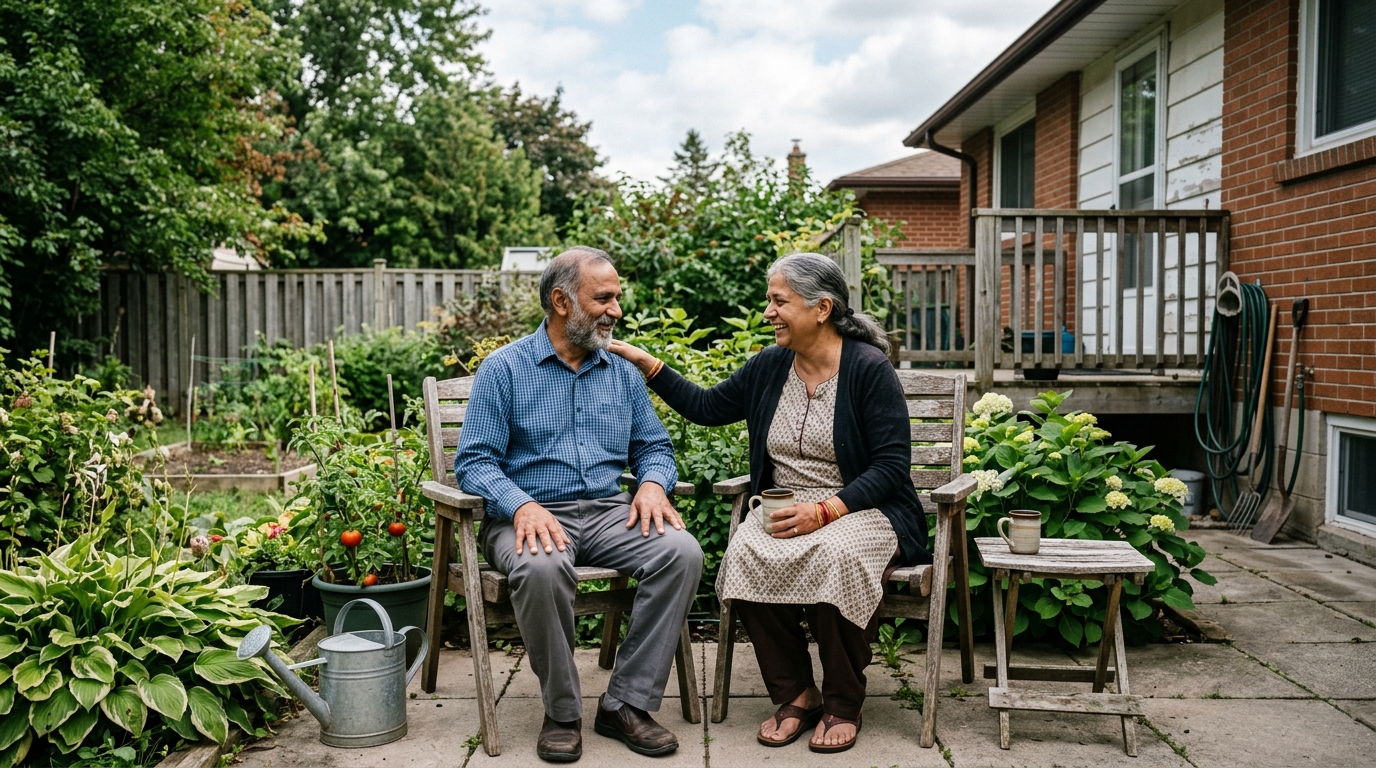
Multi-Provincial Coordination Complexity
Long-distance caregiving requires navigating different provincial healthcare systems:
- Medication reconciliation across provincial formularies
- Specialist referrals requiring out-of-province coordination
- Emergency response protocols that vary by province
- Advance care planning valid across provincial boundaries
- Probate and estate complexity if parent passes away out-of-province
Professional care coordinators (funded via reverse mortgage) navigate this complexity, reducing your stress and preventing care gaps.
Tax and Benefits Implications
- Reverse mortgage proceeds not taxable to you
- Support you provide generally not taxable to parent (family support)
- Caregiver tax credit available if you're primary caregiver (check eligibility regardless of province)
- Travel deductions: Some travel for elder care may be tax-deductible; consult accountant
- CPP/GIS coordination: Varies by province; professional care coordination helps optimize
According to CRA, caregiving expenses for aging parents can sometimes support caregiver tax credits, but eligibility varies. Consult a professional before assuming deductibility.
Key Takeaways
- Long-distance caregiving costs $10,000–$25,000+ annually due to travel, time off work, and coordination infrastructure
- Most expensive years are when parent needs increasing support but you're attempting to manage from afar alone
- Reverse mortgage funds professional infrastructure (PSW, care coordinator, technology) that's more cost-effective than frequent personal travel
- Sustainable model involves quarterly/semi-annual intensive visits + professional team managing day-to-day
- Technology investments (video monitoring, telemedicine, emergency alerts) bridge physical distance significantly
- Geriatric care managers (funded via RM) are worth the cost; they navigate healthcare systems and prevent gaps
Frequently Asked Questions
If I'm using a reverse mortgage to fund caregiver support, am I obligated to visit in person?
No. If you've structured quality professional care (PSW, care coordinator), in-person visits can become optional and quarterly/semi-annual rather than monthly. Your primary responsibility is ensuring good care coordination, not personal presence.
Can I hire a professional care coordinator across provincial lines?
Yes. Geriatric care managers typically work across provinces; they're familiar with coordinating across healthcare systems. Many operate nationally or have provincial networks. Budget $150–$300/month for ongoing coordination.
What if my parent's health changes suddenly and I need emergency travel funds immediately?
A reverse mortgage line of credit (offered by CHIP, Equitable Bank, Home Trust) provides access to emergency funds without application delays. You can draw as needed, making it ideal for caregiving uncertainty.
Should I consider relocating my parent to my province?
It depends on parent's wishes and care stage. Early-stage caregiving: relocation may work. Advanced dementia/declining: relocation often causes deterioration. A reverse mortgage allows you to maintain your parent in their community with quality care, which is often better than forced relocation.
Can my adult child (my parent's grandchild) contribute to the care coordination costs?
Yes. Many multi-generational families split costs. Parent funds 70%, adult child funds 30%. This creates shared responsibility and ensures your child values the care infrastructure.
What happens if I become unable to manage coordination from a distance?
Have backup plans. Use reverse mortgage funds to establish relationships with professional care coordinators. If you become ill or unable to oversee, your established coordinator ensures continuity. This is why investing early in professional infrastructure matters.
Long-distance caregiving doesn't have to mean financial crisis or personal burnout. A reverse mortgage makes quality distributed caregiving possible—allowing your parent to age well in their community while you maintain your own life.
Ready to explore funding a sustainable long-distance caregiving system? Contact Rick Sekhon Reverse Mortgages for a consultation on accessing capital for professional care coordination.
Ready to Learn More?
Find out exactly how much you could unlock from your home — free and no obligation.
Related Articles
Reverse Mortgage for Aging in Place With Fibromyalgia: Home Modifications for Invisible Illness
Fund home modifications for aging with fibromyalgia. Reverse mortgage enables accessible design for pain management, energy conservation, and quality of life.
Read →Reverse Mortgage for Accessible Community Kitchen: Culinary Training and Aging in Place
Convert your home kitchen into an accessible commercial culinary training space. Reverse mortgage funds renovation while creating community impact.
Read →Reverse Mortgage When You Previously Gifted Home Down Payment to Adult Child: Reclaiming Equity for Aging in Place
Reverse mortgage strategy when aging in place after gifting down payment to adult child. Recover equity for home modifications and care.
Read →