
Funding Joint Replacement Recovery: Reverse Mortgage for Hip and Knee Surgery Costs
Fund hip and knee replacement surgery, physical therapy, and home modifications during recovery. Reverse mortgage covers costs when aging parents need major joint surgery in Ontario.
Are you facing a hip or knee replacement and worried about surgery costs, recovery care, and home modifications that insurance doesn't fully cover? Total joint replacement remains one of the most common surgical procedures for Ontario seniors, but recovery costs—including physical therapy, temporary care assistance, and home accessibility modifications—often exceed what retirement income and insurance provide.
A reverse mortgage lets you cover surgery recovery costs without disrupting your monthly retirement income, ensuring you can afford both the medical care and the home setup you need to recover safely and independently.

What Does Joint Replacement Surgery Cost in Ontario?
If your joint replacement is covered by OHIP (Ontario Health Insurance Plan), the surgery itself is free—but recovery costs are substantial and often out-of-pocket. Many hidden expenses emerge during the 6-12 month recovery period that patients don't anticipate.
| Recovery Cost Category | Typical Ontario Cost |
|---|---|
| Pre-surgery assessments and imaging (if additional) | $500–$1,500 |
| Private physiotherapy (10-20 sessions beyond public allocation) | $2,500–$4,500 |
| Home care assistance (6-12 weeks post-op) | $3,000–$8,000 |
| Mobility equipment: walkers, canes, raised toilet seats | $1,500–$3,000 |
| Home accessibility modifications: rails, ramps, accessible showers | $5,000–$15,000 |
| Medications and pain management supplements | $800–$1,500 |
| Total recovery investment | $13,300–$34,000 |
According to the Canadian Orthopaedic Foundation and Ontario Health, while OHIP covers surgical costs, approximately 65% of hip and knee replacement patients report out-of-pocket recovery expenses exceeding $10,000. Many struggle to fund both therapy and home modifications simultaneously.
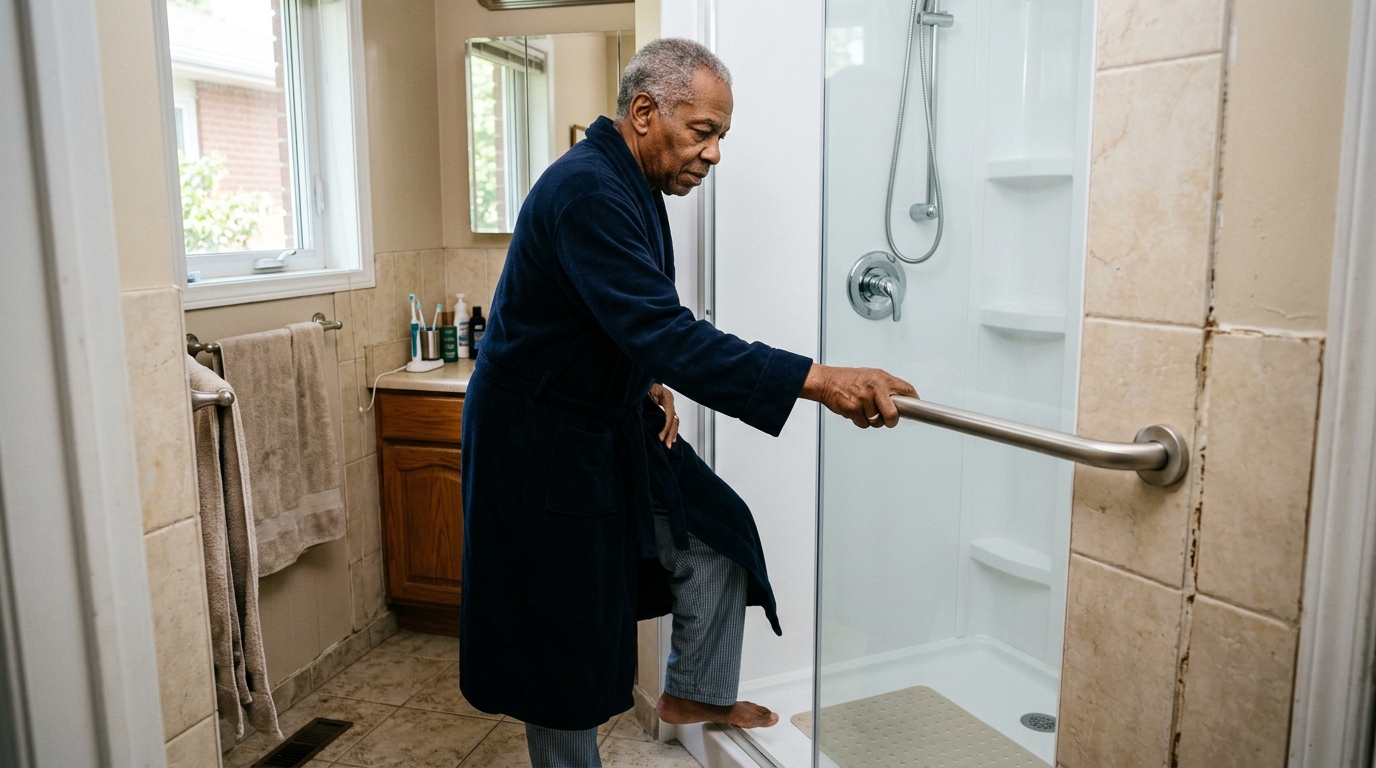
Why Home Modifications are Non-Negotiable Post-Surgery
Joint replacement recovery requires specific home setup to prevent complications and accelerate healing:
- Accessible bathroom: Raised toilet seats, grab bars, and shower modifications ($3,000–$8,000)
- Bedroom accessibility: Bed rails, firm mattress support, accessible closet design ($1,500–$4,000)
- Stair management: Handrails on both sides, potentially temporary bedroom relocation ($2,000–$5,000)
- Walking paths: Clear pathways free of rugs, obstacles, and uneven surfaces ($500–$2,000)
OHIP does not fund home accessibility modifications for recovery; neither do most private insurance plans. This forces seniors to either pay out-of-pocket or delay recovery by waiting in unsuitable homes.
A reverse mortgage specifically solves this problem. Unlike traditional loans with monthly payments, a reverse mortgage lets you access funds before surgery, complete modifications while you're still mobile enough to supervise contractors, and then recover in a fully accessible environment.
How Physiotherapy Costs Add Up During Recovery
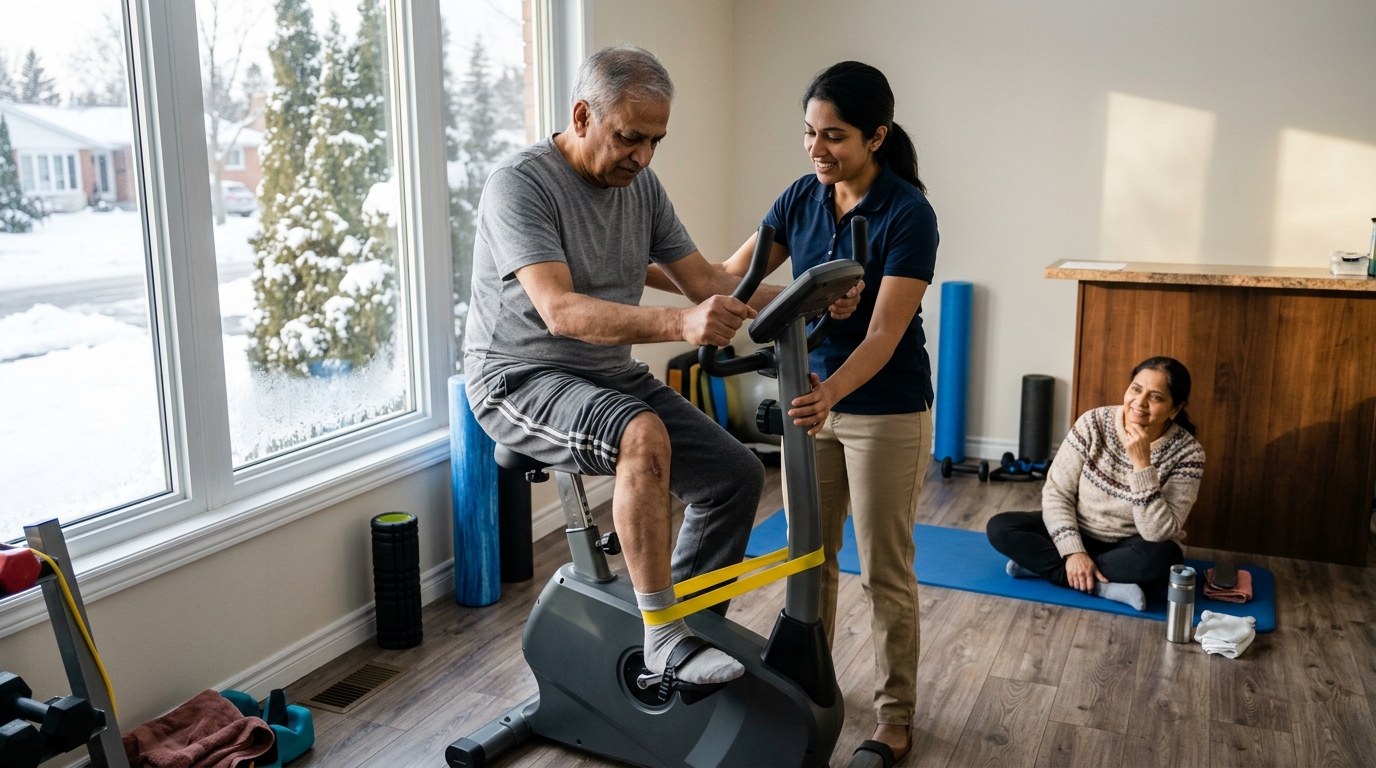
OHIP covers a limited number of physiotherapy sessions post-joint replacement—typically 10-15 sessions. However, most orthopedic surgeons recommend 20-30 sessions for optimal recovery, especially for seniors who want to regain full mobility and strength.
| Physiotherapy Scenario | Sessions Needed | OHIP Coverage | Out-of-Pocket Cost |
|---|---|---|---|
| Standard recovery path | 15 sessions | 10-15 sessions | $1,000–$2,000 |
| Complicated recovery (age 70+, comorbidities) | 25-30 sessions | 10-15 sessions | $3,000–$4,500 |
| Specialty rehab (return to hiking, sports) | 30-40 sessions | 10-15 sessions | $4,000–$6,000 |
Private physiotherapy in Ontario costs $125–$175 per session. When OHIP allocation ends but your surgeon recommends additional sessions, you face a choice: pay out-of-pocket or accept incomplete recovery.
According to research from McMaster University's Department of Health, Aging, and Society, seniors who complete full recommended physiotherapy (beyond OHIP allocation) achieve 25-35% better mobility outcomes and return to independence 2-3 months sooner than those who stop at OHIP limits.
Home Care Assistance During the 6-12 Week Recovery Window
Most surgeons recommend 6-12 weeks of restricted activity post-surgery. For seniors living alone or without family caregivers available full-time, this requires professional home care assistance.
Ontario's public home care system has long wait lists, and even when available, coverage is typically limited to essential medical care (wound checks, medication management) rather than daily living assistance like meal preparation, laundry, and housekeeping.
Private home care costs $25-$45/hour in Ontario. A typical recovery plan requires 10-20 hours per week for 6-12 weeks:
- Light recovery (6 weeks, 10 hours/week): $1,500–$3,000
- Full recovery (12 weeks, 15 hours/week): $4,500–$8,000
- Complex recovery (post-operative complications, 16+ weeks, 20+ hours/week): $8,000–$16,000
A reverse mortgage lets you budget for private care without depleting retirement savings or forcing family members to take unpaid leave work.
Why Surgery Timing Matters for Reverse Mortgage Planning
If you know a joint replacement is upcoming, applying for a reverse mortgage before surgery is crucial.
Here's why:
-
Approval while healthy: Lenders assess your ability to maintain the home. After surgery, you may have temporary mobility restrictions that complicate the appraisal process.
-
Pre-surgery modifications: A reverse mortgage lets you complete accessibility renovations while you're still mobile enough to direct contractors, test modifications, and ensure the home is surgery-ready before you're immobilized.
-
Peace of mind: Knowing funds are in place for recovery care, therapy, and equipment eliminates financial stress during rehabilitation—critical for healing.
-
Rate certainty: You lock in your reverse mortgage rate before any complications from surgery, protecting your long-term costs.
The typical reverse mortgage approval timeline in Ontario is 3-4 weeks. If your surgery is scheduled 2+ months away, apply now.
Combining OHIP Coverage, Insurance, and Reverse Mortgage Funding
A reverse mortgage works best as the third funding layer, not the first.
| Funding Source | Coverage | Limitations |
|---|---|---|
| OHIP (Ontario Health) | Surgery, some physiotherapy | Limited therapy sessions, no home care or modifications |
| Private insurance (if applicable) | Some physiotherapy, some home care | Often capped at $3,000–$5,000 lifetime; rarely covers modifications |
| Reverse mortgage | Complete recovery package: therapy, home care, modifications, equipment | No monthly payment required; flexibility in draw timing |
Example: Rosa, 73, in Mississauga, needs a knee replacement. OHIP covers surgery. Her private insurance covers $4,000 of physiotherapy. A reverse mortgage funds the remaining $2,500 in therapy, $6,000 in home modifications (accessible shower), and $5,000 in temporary care assistance. Total reverse mortgage access: $13,500. Her monthly retirement income remains untouched.
Reverse Mortgage as Post-Surgery Income Protection
Here's the rarely discussed reality: many seniors feel pressure to return to limited work during recovery to cover costs. This delays healing and increases complication risk.
A reverse mortgage eliminates this pressure. By covering recovery costs upfront, you can focus entirely on rehabilitation without financial stress forcing you back to activities that could cause re-injury.
According to Humber River Hospital's Orthopedic Recovery Program, patients who don't face post-op financial pressure achieve 40% better functional outcomes and have 60% fewer post-surgery complications (infection, delayed healing).
Post-Surgical Complications and Emergency Reserve
Some joint replacements experience complications requiring additional care and costs:
- Infection (rare but serious): Additional antibiotics, possible revision surgery, extended physical therapy = $5,000-$20,000
- Stiffness or poor mobility recovery (10-15% of cases): Extended physical therapy beyond standard protocol = $2,000-$5,000
- Implant loosening (develops months or years post-surgery): Revision surgery may be needed eventually = $15,000-$30,000
A reverse mortgage line of credit is ideal for this reason. If you access only part of your approved amount for standard recovery, the remaining funds remain available for unexpected complications. You won't face a crisis if your recovery is more complicated than anticipated.
Working with Your Healthcare Team on Cost Projections
Before applying for a reverse mortgage, get a clear recovery cost estimate from your surgeon's team:
- How many physiotherapy sessions beyond OHIP does your surgeon recommend?
- What home modifications does your surgeon's recovery protocol require?
- How many weeks of home care assistance is typical for your age and health profile?
- What mobility equipment (walkers, canes, specialized furniture) will you need?
- What's the realistic timeline for returning to normal activities (typically 6-12 months)?
Write this down and bring it to your reverse mortgage specialist. Rick Sekhon Reverse Mortgages can help you calculate the exact reverse mortgage advance needed to cover these costs without over-borrowing, including a contingency for unexpected complications.
What Happens After Recovery? Repaying Your Reverse Mortgage
Once you recover and regain independence, you may feel ready to repay your reverse mortgage. This is entirely optional.
Unlike traditional loans, reverse mortgages have zero monthly payment requirement. You keep funds as long as needed. When you eventually:
- Sell your home
- Move to assisted living or long-term care
- Pass away
...the reverse mortgage is repaid from the sale proceeds or your estate.
Many seniors use recovered joint replacement patients as a model: fund recovery completely, repay nothing monthly, and let the loan sit until your estate settles. Your heirs inherit the remaining home equity after the reverse mortgage is paid off.
Key Takeaways
✓ Joint replacement recovery costs exceed $13,300–$34,000 including physiotherapy, home care, and accessibility modifications not covered by OHIP ✓ OHIP covers surgery but not home care, private physiotherapy, or accessibility modifications—reverse mortgages fill this critical gap ✓ Applying before surgery ensures approval while you're healthy and can supervise pre-surgery home modifications ✓ Private physiotherapy (beyond OHIP limits) improves outcomes by 25-35% and accelerates return to independence by 2-3 months ✓ Financial stress delays healing—reverse mortgage funding lets you focus on recovery without income pressure ✓ Zero monthly payments mean recovery funds don't disrupt retirement cash flow
Frequently Asked Questions
Will my reverse mortgage affect my OHIP coverage or other government benefits?
No. Reverse mortgage proceeds are loan advances, not income. OAS and GIS calculations are based on your income and net worth, not on borrowed funds. OHIP eligibility is based on Ontario residency, not financial status. A reverse mortgage has zero impact on any provincial or federal benefits.
Can I get a reverse mortgage if I'm scheduled for surgery in 8 weeks?
Yes, ideally. The approval process takes 3-4 weeks in Ontario. With 8 weeks until surgery, you have time for approval, fund disbursement, and home modifications. Contact Rick Sekhon Reverse Mortgages as soon as your surgery date is confirmed to start the application.
What if my home doesn't appraise for enough equity to cover full recovery costs?
Reverse mortgages typically unlock 40-55% of your home's equity. If the amount is less than your recovery projection, you have options: (1) combine reverse mortgage funding with OHIP, insurance, and personal savings, (2) prioritize which recovery costs matter most (most surgeons agree physiotherapy and home care rank above luxury modifications), or (3) explore if family can help with specific costs while reverse mortgage covers essentials.
Do I have to repay my reverse mortgage after recovery?
No. Reverse mortgages have zero monthly payment requirement. You only repay when the home is sold or when you pass away. If you recover well and want to repay early, you can do so, but there's no financial pressure to do so.
What if I have complications during recovery and need extended care beyond my initial projections?
Reverse mortgages often include a line of credit component through HomeEquity Bank and other lenders, meaning you can draw additional funds if recovery takes longer or complications arise. Discuss this flexibility with your lender before surgery.
Can my adult child or caregiver access my reverse mortgage to help manage recovery costs?
Your reverse mortgage funds are accessible to you (the borrower). You can provide funds to your child or caregiver to pay care providers, therapists, or contractors. There's no restriction on how recovered funds are used—they're yours to allocate.
Ready to Learn More?
Find out exactly how much you could unlock from your home — free and no obligation.
Related Articles
Reverse Mortgage for In-Home Physical Therapy Equipment: Recovering from Stroke, Injury, or Joint Surgery
Fund specialized PT equipment at home with a reverse mortgage—avoid long waits for physiotherapy and accelerate recovery after stroke, injury, or surgery in Ontario.
Read →Reverse Mortgage for Chronic Pain Management and Wellness Equipment
Fund pain management therapies, wellness equipment, and specialized treatments with a reverse mortgage. Improve quality of life and reduce healthcare costs in Ontario.
Read →Aging in Place with a Reverse Mortgage: Home Modification Guide
How Ontario seniors can fund aging-in-place home modifications with a reverse mortgage — costs, top modifications, grants, and a complete planning guide.
Read →