
Reverse Mortgage for Collaborative Healthcare Hub: Multi-Practitioner Wellness Space From Your Home
Convert home into shared healthcare clinic with multiple practitioners. Rent space to therapists, naturopaths, physiotherapists; reverse mortgage funds renovation.
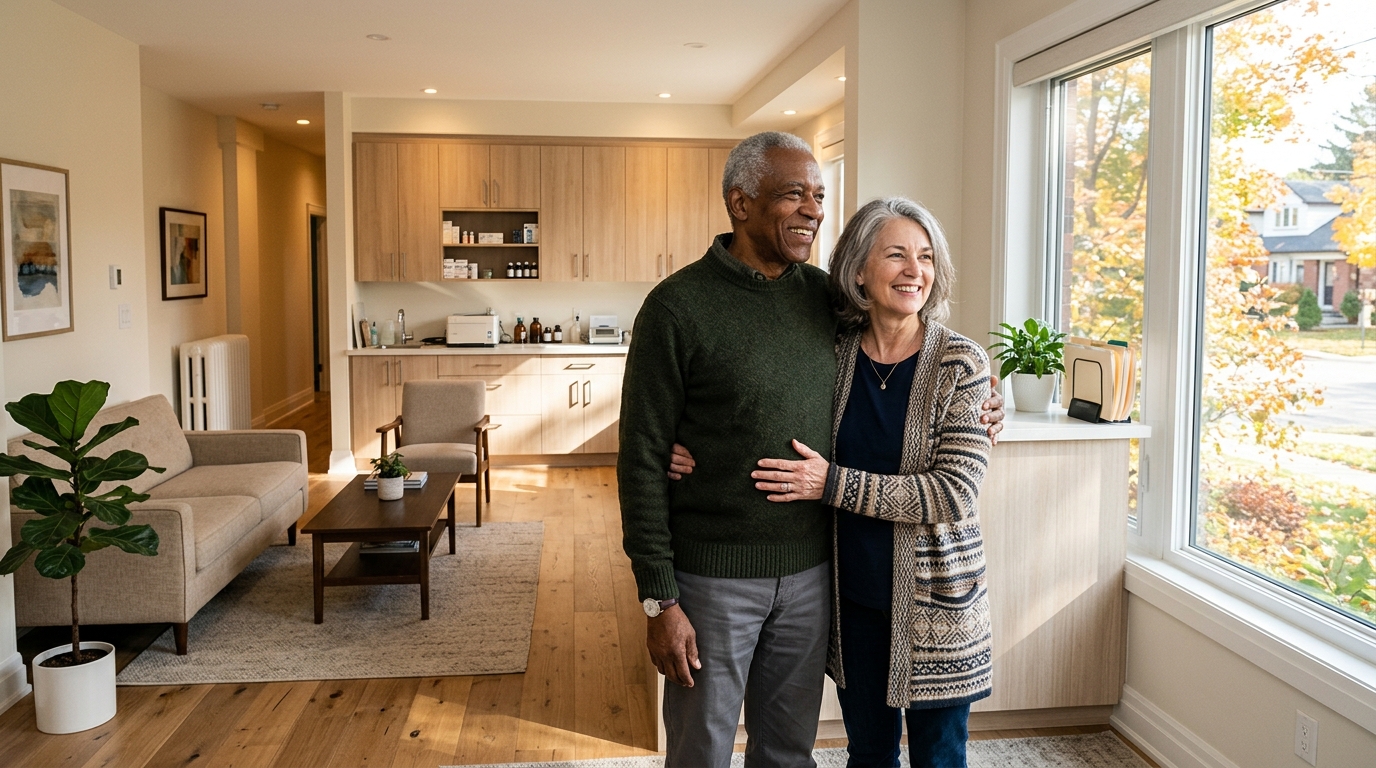
Complementary and alternative healthcare practitioners desperately need affordable clinic space in Ontario. If your home has multiple rooms, you can convert it into a collaborative healthcare hub—a multi-practitioner clinic where therapists, naturopaths, acupuncturists, physiotherapists, and counselors share space. Rent per practitioner: $400–$800 monthly per treatment room. A 4–6 room hub generates $1,600–$4,800 monthly passive income. A reverse mortgage funds the healthcare-compliant renovations, equipment, and setup while your rental income builds a scalable, mission-aligned business.
Growing Demand for Affordable Healthcare and Wellness Clinic Space
Ontario faces a healthcare crisis: patient waitlists exceed capacity, complementary practitioners lack affordable clinic space, and healthcare costs burden consumers. This creates opportunity:
- Practitioner demand for clinic space: Therapists, acupuncturists, massage therapists, naturopaths, and wellness practitioners struggle to find affordable clinic space ($300–$1,000/month per room)
- Patient access gaps: Wait times for traditional healthcare push patients toward complementary practitioners
- Growing wellness sector: Acupuncture, massage, naturopathy, and therapy are now mainstream—demand is high
- Affordability crisis: Practitioners cannot afford commercial clinic rents ($1,500–$3,000/month per room), so they work from home or operate part-time
- Collaborative model advantages: Multi-practitioner clinics create referral networks, patient convenience, and professional community
A home-based healthcare hub addresses all these needs while generating substantial passive income.
Regulatory and Licensing Considerations for Healthcare Hubs in Ontario
Before launching, understand Ontario's regulatory environment:
| Practitioner Type | Ontario Regulation | Room/Space Requirements | Rental Space Legality |
|---|---|---|---|
| Registered Massage Therapist (RMT) | Regulated by College of Massage Therapists of Ontario (CMTO) | Private treatment room | Legal; shared spaces common |
| Acupuncturist (Traditional Chinese Medicine) | Regulated by College of Traditional Chinese Medicine Practitioners | Private treatment room | Legal; rented spaces allowed |
| Physiotherapist | Regulated by College of Physiotherapists of Ontario (CPO) | Treatment space with equipment | Legal; shared clinics standard |
| Psychotherapist/Counselor | Varies (some regulated, some not) | Private confidential space | Legal; shared practice common |
| Naturopath | Unregulated in Ontario (practice varies) | Private consultation space | Legal; shared spaces common |
| Yoga instructor, fitness professional | Unregulated | Class/instruction space | Legal |
| General requirements for all | Ontario Health & Safety regulations | Adequate ventilation, accessible entry, private treatment spaces | All legal to rent if property meets health/safety standards |
Key compliance: All practitioners must maintain patient confidentiality and comply with their individual regulatory bodies. Your home must meet health and safety standards (proper ventilation, sanitation, accessible design). A reverse mortgage can fund professional legal consultation ($1,000–$2,000) to ensure proper setup.
Startup Costs for a Home Collaborative Healthcare Hub
Converting your home into a multi-practitioner healthcare clinic requires renovation and equipment investment:
| Expense Category | Cost Range (Ontario) | Details |
|---|---|---|
| Treatment room renovations (per room) | $2,000–$5,000 | Soundproofing, privacy, basic equipment, flooring |
| Waiting area and reception space | $2,000–$4,000 | Comfortable seating, check-in area, décor |
| Sanitation infrastructure (upgraded) | $2,000–$5,000 | Additional sinks, hand-washing stations, storage |
| Shared equipment (optional but valuable) | $2,000–$5,000 | Massage tables, chairs, shelving, basic supplies |
| HVAC and ventilation upgrades | $2,000–$6,000 | Improved air quality (critical for healthcare) |
| Zoning permits and professional licensing review | $1,000–$3,000 | Municipal compliance, health department consultation |
| Liability and health insurance | $2,000–$4,000 annually | Comprehensive health facility insurance |
| Signage, branding, basic marketing | $1,500–$3,000 | Professional appearance |
| Total Startup Investment (4-room hub) | $15,500–$35,000 | Typical Ontario healthcare hub |
A reverse mortgage of $25,000–$40,000 fully funds the conversion and launch.
Revenue Model and Profitability
A home-based healthcare hub can generate substantial recurring rental income:
| Hub Configuration | Treatment Rooms | Rental per Room | Monthly Occupancy | Monthly Revenue | Annual Revenue |
|---|---|---|---|---|---|
| 2-room (small) | 2 rooms | $500 | 80% | $800 | $9,600 |
| 4-room (medium) | 4 rooms | $600 | 85% | $2,040 | $24,480 |
| 6-room (larger home) | 6 rooms | $550 | 85% | $2,805 | $33,660 |
| Typical operating hub (net after expenses) | 4–6 rooms | $500–$650 | 80–85% | $1,600–$2,800 | $19,200–$33,600 |
Operating costs (utilities, cleaning, maintenance, insurance) typically consume 20–30% of gross revenue. Most healthcare hubs operate with positive cash flow from month one—practitioners pay rent upfront, covering all operating expenses.
Occupancy ramps quickly: Most hubs reach 80%+ occupancy within 3–6 months through practitioner word-of-mouth and professional referrals.
How Reverse Mortgage Funds Your Healthcare Hub
A reverse mortgage provides three advantages:
1. Renovation investment without debt burden. Healthcare-compliant renovations ($10,000–$20,000) are essential. A reverse mortgage funds this upfront investment; practitioner rents cover ongoing expenses.
2. Immediate rental income. Unlike retail or hospitality businesses with long ramp-ups, healthcare practitioners fill space quickly. Monthly rental income from 4 practitioners ($2,000–$2,400) begins immediately, covering reverse mortgage interest and generating profit.
3. Mission alignment with passive income. You're not selling products or services—you're creating access to healthcare. Practitioners pay you for space; patients benefit from integrated care. A reverse mortgage makes this business possible while generating genuine passive income.
HomeEquity Bank and CHIP both support healthcare and wellness ventures with flexible reverse mortgage structures.

According to Ontario Health research: "Demand for complementary healthcare practitioners exceeds supply. Average wait times for acupuncture and therapy exceed 3 months. Practitioners cannot afford commercial clinic rents, forcing many to operate part-time or from home. Collaborative clinic spaces address both practitioner and patient needs."
Real Scenario: David's Home Healthcare Hub
David, a retired family physician with 32 years in practice, had $520,000 home equity. His rural Ontario home had 5 bedrooms and strong community ties—perfect for a healthcare hub.
Reverse mortgage: $35,000 (line of credit, 5.2% rate) Converted:
- 4 treatment rooms (soundproofing, private facilities) ($12,000)
- Waiting area and reception space ($3,000)
- Upgraded sanitation infrastructure ($3,500)
- Shared equipment (tables, chairs, supplies) ($3,000)
- HVAC and ventilation improvements ($4,000)
- Licensing, insurance, zoning compliance ($2,000)
- Signage and initial marketing ($2,500)
First-year practitioners and revenue:
- Month 1: 2 RMTs rent space ($1,000/month)
- Month 2-3: Added 1 acupuncturist + 1 counselor ($1,500/month)
- Month 4-6: Added 1 physiotherapist + 1 naturopath ($2,200/month)
Year-one results:
- Average monthly rental revenue: $1,600
- Annual rental income: $19,200
- Operating costs (utilities, insurance, cleaning): $4,800
- Net income (before reverse mortgage interest): $14,400
Within 18 months, David's hub reached full capacity (6 practitioners at $600–$700/month each = $3,600/month revenue). He repaid $18,000 of reverse mortgage principal and generates $2,400–$2,800 monthly profit after all operating expenses.
Building Your Healthcare Hub: Practitioner Recruitment
Healthcare hubs attract practitioners through:
| Channel | Practitioner Profile | Access Method |
|---|---|---|
| Professional associations (CMTO, CTOMP, local therapy associations) | Regulated practitioners | Member directories, referrals |
| Local practitioner networks | Community practitioners | Direct outreach, social media |
| Facebook and professional groups | Practitioners seeking space | Organic community engagement |
| Direct outreach to established practitioners | Practitioners working from home or part-time | Personal contact, professional networking |
| Referrals from existing practitioners | Best source after initial practitioners | Word-of-mouth, testimonials |
Most healthcare hubs fill through a combination of:
- Initial outreach to 2–3 anchor practitioners (from your professional network)
- Those practitioners refer peers
- Professional associations and community visibility
Operational and Legal Considerations
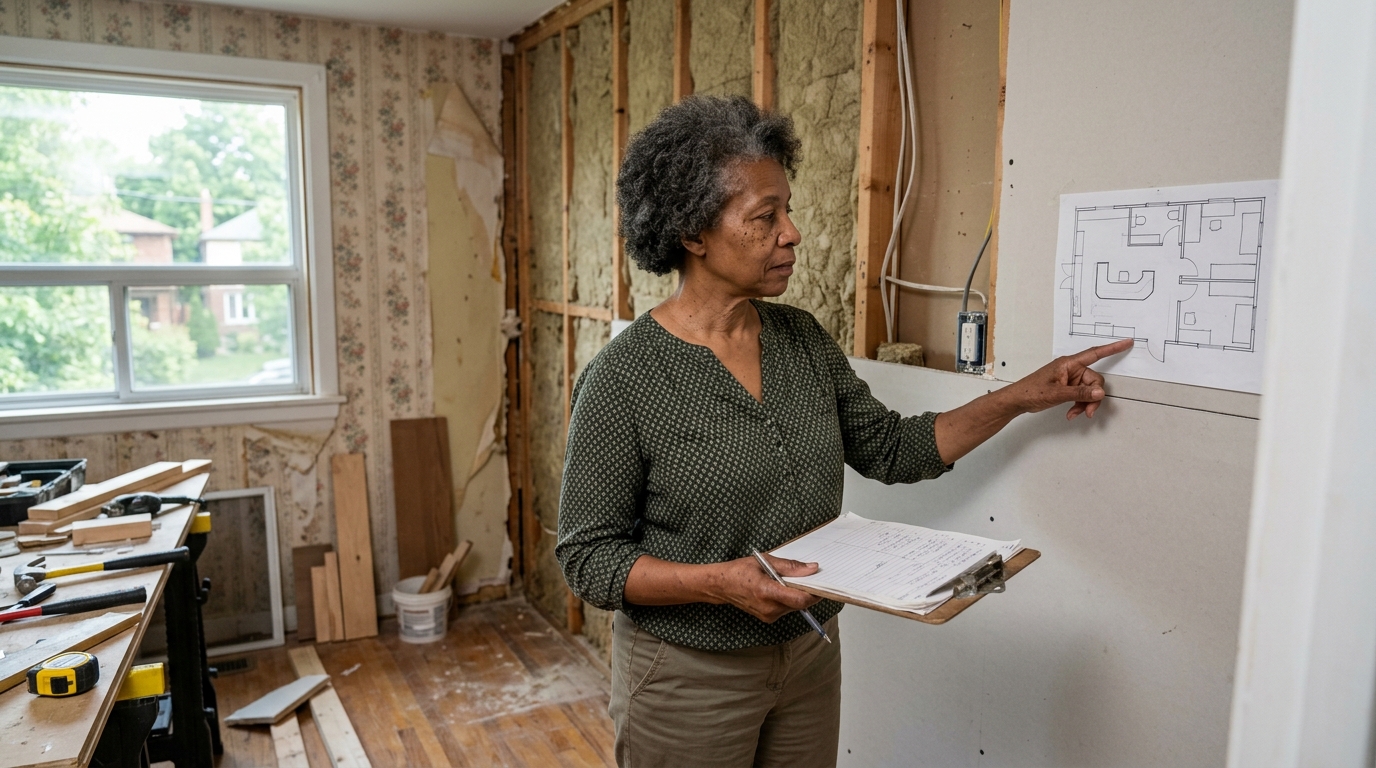
Running a healthcare hub requires attention to:
- Zoning and municipal permits: Confirm home-based healthcare practice is allowed in your municipality (most allow it). A reverse mortgage can fund municipal consultation ($500–$1,500).
- Health and safety compliance: Adequate sanitation, ventilation, accessible design, and safety systems must meet Ontario health standards.
- Liability insurance: Professional health facility insurance ($2,000–$4,000 annually) is essential—covers practitioner and patient liability.
- Lease agreements: Professional month-to-month leases with practitioners protect both parties. Legal templates available ($200–$500).
- Tax reporting: Rental income is self-employment income requiring quarterly tax installments and GST/HST registration once revenue exceeds $30,000.
- Privacy and confidentiality: Each practitioner maintains patient confidentiality; you provide secure, private spaces to enable this.
An accountant familiar with rental properties and small businesses can optimize your structure. A reverse mortgage can fund professional setup ($2,000–$4,000 first year).
Key Takeaways
- Healthcare practitioner demand for clinic space is high and growing: Practitioners cannot afford commercial rents; home-based shared spaces are highly attractive.
- Regulatory environment is favorable: Most healthcare practitioners are licensed; Ontario Health supports collaborative care.
- Home renovation costs are moderate: $25,000–$40,000 reverse mortgage funds complete healthcare-compliant conversion.
- Occupancy ramps quickly: Most hubs reach 80%+ occupancy within 3–6 months through practitioner referrals.
- Revenue is substantial and passive: 4–6 practitioners at $600/month/room generates $1,600–$2,800 monthly, easily covering reverse mortgage interest plus profit.
- Lenders like HomeEquity Bank and CHIP support healthcare and wellness ventures.
Frequently Asked Questions
Do I need healthcare credentials to operate a healthcare clinic space?
No credentials required. You're renting space to licensed practitioners who maintain their own credentials and insurance. Practitioners are responsible for their practice, licensing, and patient care. You provide clean, compliant space. No healthcare license required.
What if practitioners don't pay rent or cause issues?
Professional lease agreements and practitioner vetting protect you. Standard rental leases require deposits (1–2 month's rent) and payment upfront. Most healthcare practitioners are responsible professionals with established practices—low turnover, reliable payment. Background checks and reference calls ($50–$150 per practitioner) minimize risk. Rick Sekhon Reverse Mortgages can recommend property management consultants specializing in small rental operations.
Will patients seeking my healthcare expertise cause complications?
Establish clear boundaries: You're providing space rental, not healthcare services. Your role is landlord/clinic owner, not practitioner. If you're a retired healthcare professional (like David the physician), you can clarify you're not accepting patients—you're facilitating access to practitioners. This separation is actually beneficial: patients get care from active, current practitioners; you avoid liability of returning to practice.
Can I run a healthcare hub year-round in Ontario?
Yes, healthcare demand is year-round and stable. Unlike retail or hospitality (seasonally variable), healthcare practitioners need consistent space. Ontario's climate may affect patient volume (winter might see slight variations), but practitioner occupancy remains stable. Most healthcare hubs operate at 80%+ occupancy year-round.
Will healthcare hub income affect my government benefits?
Yes, self-employment/rental income above threshold triggers OAS clawback. Structure your hub as a rental property (not self-employment) to manage income treatment differently. An accountant can optimize your structure. A reverse mortgage can fund professional tax planning ($2,000–$3,000 first year) to ensure you keep government benefits while building healthcare hub income.
What's the difference between a healthcare hub and a regular shared office space?
Healthcare hubs are designed for practitioners delivering clinical services. Requirements include patient confidentiality (private rooms), sanitation standards, liability considerations, and healthcare-appropriate amenities. Healthcare regulatory oversight varies by practitioner type (RMTs are regulated; naturopaths are not). A healthcare hub is purpose-built for this sector, making it more valuable and occupancy more stable than generic shared office space.
Ready to Learn More?
Find out exactly how much you could unlock from your home — free and no obligation.
Related Articles
Reverse Mortgage for DEI Consulting Practice: Launching Diversity, Equity, and Inclusion Consulting in Retirement
Start a diversity and inclusion consulting practice. Help corporations and nonprofits build equitable cultures; reverse mortgage funds training, business setup, and market entry.
Read →Reverse Mortgage for Residential Sustainability Auditing Practice: Certifying Aging in Place
Launch a professional home energy and sustainability auditing business. Help Ontario homeowners certify efficiency; reverse mortgage funds training, tools, and market entry.
Read →Reverse Mortgage for Archival and Digital Preservation Consulting: Preserving Institutional History and Heritage
Launch archival consulting practice preserving records for institutions. Help libraries, archives, nonprofits; reverse mortgage funds training, tools, and market entry.
Read →