
Heritage Home Designation Prevents Essential Repairs? Reverse Mortgage for Conservation Compliance
Heritage designation restricts exterior renovations aging parent needs. Reverse mortgage funds compliant solutions.
Your heritage-designated home needs critical repairs—exterior accessibility ramp, new roof, window replacement. But heritage conservation restrictions block standard solutions. You must use heritage-compliant (expensive) alternatives. Reverse mortgage funds the compliance cost premium.
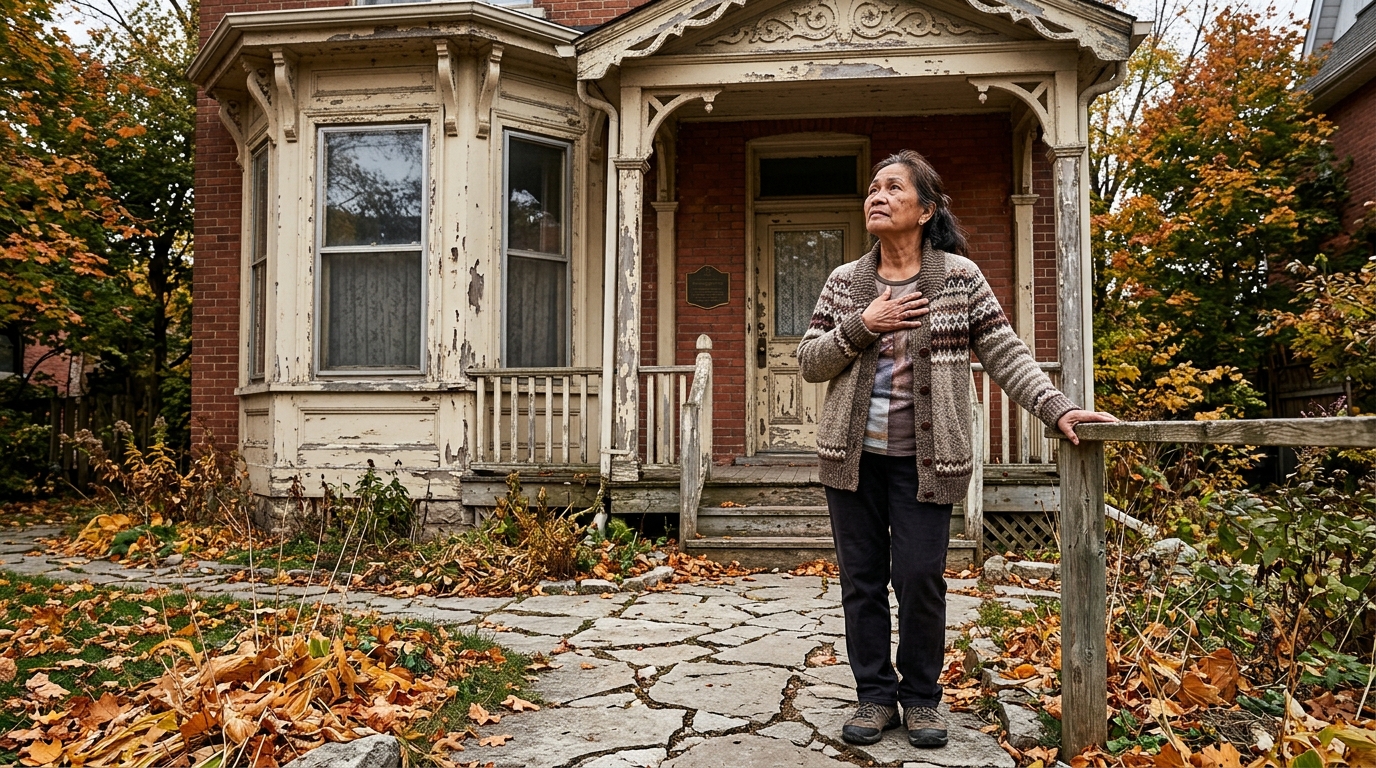
The Heritage Trap: Conservation vs. Accessibility
Approximately 16,500 properties in Ontario have heritage designations. When you own one, you're subject to strict exterior modification rules under the Ontario Heritage Act.
The problem: Accessibility modifications (ramps, grab bars, window widening, door widening) often conflict with heritage restoration requirements.
Standard Repair vs. Heritage-Compliant Repair Costs
| Repair Need | Standard Solution | Heritage-Compliant Solution | Cost Premium |
|---|---|---|---|
| Exterior accessibility ramp | Aluminum ramp, $8,000 | Custom wood ramp (period-authentic), $18,000 | +$10,000 |
| Roof replacement | Standard asphalt shingles, $15,000 | Heritage-approved slate/wood shingles, $45,000 | +$30,000 |
| Window replacement | PVC frames, $12,000 (8 windows) | Hand-replicated heritage wood frames, $32,000 | +$20,000 |
| Door accessibility | Standard widened door, $4,000 | Period-authentic door, enlarged frame, $12,000 | +$8,000 |
| Exterior paint | Any color, $5,000 | Heritage palette colors only, $6,000 | +$1,000 |
Total aging-in-place accessibility renovation: $90,000-$150,000+ (heritage), vs. $40,000-$60,000 (non-heritage)
According to Preservation Ontario: "Heritage-designated homeowners report 45-65% higher renovation costs than comparable non-designated properties. Most cite accessibility modifications as primary cost driver."
Heritage Act Requirements in Ontario: What You Can and Can't Do
Under Ontario Heritage Act Section 27 (Municipal Protection):
| Category | Restrictions | Your Options |
|---|---|---|
| Exterior Paint Color | Limited to heritage palette | Pre-approved colors only; variance applications required |
| Roof Materials | Must match original (slate, wood, clay tile) | Modern asphalt forbidden; heritage materials only |
| Windows/Doors | Must replicate original design/materials | No PVC; wood restoration or replication required |
| Additions/Ramps | Must be "sensitive" to heritage character | Visible accessibility features restricted; hidden/side placements preferred |
| Utilities/Solar | Exterior installations limited | Must be hidden from primary street view |
Getting a variance: Apply to local heritage committee, provide architectural justification, attend public meeting, ~$1,500-$3,000 in professional drawings/applications.
Real Ontario Story: The Conservancy Commission's Dilemma
Eleanor, 74, from Hamilton's Durand neighborhood (heritage district), needed accessibility modifications:
- Grab bars on exterior (safety hazard without them)
- New roof (original cedar shakes leaking)
- Front door widening (mobility walker doesn't fit)
- Accessible bathroom (aging in place necessity)
The Heritage Problem: Eleanor's 1895 Victorian home was designated municipal heritage. Any exterior modifications required architectural plans, heritage committee approval, and conservation-compliant materials.
The Costs:
- Proper heritage-compliant accessibility ramps: $22,000 (vs. standard $8,000)
- Heritage slate roof: $48,000 (vs. asphalt $16,000)
- Period-authentic door enlargement: $14,000 (vs. standard door $4,000)
- Total: $84,000 (vs. standard $28,000)
Eleanor's income: CPP $2,200/month, OAS $700/month. No way to cover $56,000 premium cost.
Solution: Reverse mortgage of $100,000, drawing $15,000/year over 6 years for phased heritage-compliant renovations. When Eleanor's estate sells, RM is repaid from proceeds.
Outcome: Eleanor ages safely in place, home maintains heritage integrity, family preserves generational home.
How to Fund Heritage-Compliant Modifications With Reverse Mortgage
Three-Phase Approach:
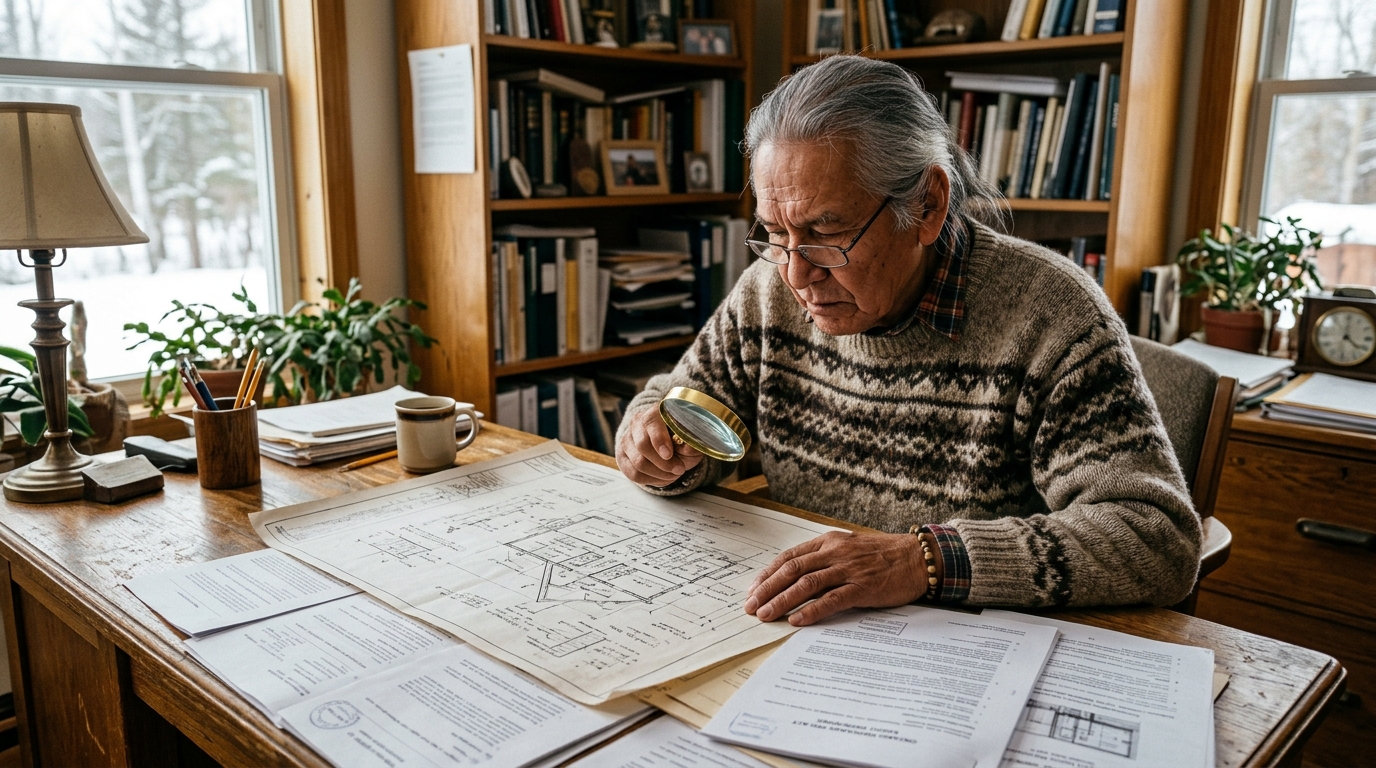
Phase 1: Get Heritage Assessment
- Hire heritage architect ($2,000-$4,000)
- Identify which modifications require heritage approval
- Estimate heritage-compliant costs vs. standard costs
- Calculate total premium (~$40,000-$80,000 for aging in place)
Phase 2: Secure Reverse Mortgage
- Get pre-approved for RM line of credit covering the premium cost
- Align with heritage committee timeline
- Plan phased draws (roof year 1, ramp year 2, windows year 3)
Phase 3: Execute with Heritage Compliance
- Obtain heritage committee approval
- Hire heritage-certified contractors
- Draw RM funds as work progresses
- File compliance documentation with municipality
Key Takeaways
- 16,500+ Ontario properties have heritage designations, subject to Ontario Heritage Act restrictions
- Accessibility modifications cost 45-65% MORE when heritage-compliant ($40K-$90K premium)
- Reverse mortgage covers heritage premium costs without forcing non-compliant shortcuts
- Lenders like CHIP and Equitable Bank understand heritage property financing
- Rick Sekhon specializes in heritage home reverse mortgages coordinated with municipal heritage committees
- Phased drawing strategy minimizes interest accumulation ($15K/year over 6 years)
- FSRAO guidelines permit RM for heritage preservation as valid aging-in-place investment
Frequently Asked Questions
Can I remove heritage designation to avoid compliance costs?
Almost never. Municipal heritage designations are permanent under Ontario Heritage Act. Removal requires municipal by-law change, which is politically difficult and rarely approved. Better to fund compliance than fight designation.
What if my accessibility needs are urgent but heritage committee approval takes time?
Emergency provisions exist. You can apply for emergency variance or proceed with non-compliant work, then apply for retroactive approval. Not ideal, but urgent safety overrides heritage review timelines. Consult municipal heritage planner.
Do heritage-approved contractors charge extra?
Yes, typically 15-25% more due to specialized materials, hand-crafted details, and heritage expertise. Include this in your RM budget when calculating costs.
Can I use grant programs (AADL, Accessibility Tax Credit) for heritage modifications?
Partially. Ontario's AoO (Accessibility for Ontarians with Disabilities) grants and tax credits often help, but they may not cover the full "heritage premium" cost. Reverse mortgage covers the gap.
What if I die before heritage modifications are complete?
Reverse mortgage balance becomes estate liability. Executor must repay from home proceeds or other estate assets. Plan accordingly; consider life insurance or phased draws to minimize RM balance.
Protect Your Heritage Home AND Your Aging in Place Needs
Your home deserves preservation, and you deserve safety. Reverse mortgage bridges the conservation cost premium and lets you age in place with dignity.
Next Steps:
- Get heritage assessment from certified architect
- Estimate total modification costs (standard + heritage)
- Get pre-approved for reverse mortgage covering the premium
- Consult Rick Sekhon to coordinate with municipal heritage timeline
- Execute modifications systematically
Your heritage home is worth protecting. Reverse mortgage makes it possible.
Ready to Learn More?
Find out exactly how much you could unlock from your home — free and no obligation.
Related Articles
Multi-Generational Home Tech Infrastructure: Reverse Mortgage for Smart Care Coordination Systems
Complex multigenerational home needs tech infrastructure for care coordination. Reverse mortgage funds smart home systems.
Read →Seasonal Business Income Drops? Using Reverse Mortgage to Stabilize Retirement Cash Flow
Seasonal self-employed income creates retirement risk. Reverse mortgage smooths income gaps and protects retirement.
Read →Property Tax Assessment Error Creates Affordability Crisis? Reverse Mortgage to Bridge the Gap
MPAC assessment spike threatens affordability. Reverse mortgage bridges tax crisis while appeal is pending.
Read →