
Reverse Mortgage for Family Caregiver Certification: Training Your Family in Professional Care Skills
How to fund professional caregiver certification and training programs for family members providing care in Ontario.
When an adult child or family member becomes your primary caregiver, their lack of formal training can become a liability—both for you and for them. Professional caregiver certification programs in Ontario teach essential skills: medical assistance, safety protocols, mobility support, medication management, and emotional support. A reverse mortgage can fund these certification programs, ensuring your family caregiver has professional credentials, confidence, and knowledge to provide quality care safely.
This guide explores how reverse mortgages fund caregiver certification and training for family members.
Why Family Caregiver Certification Matters
Many adult children or family members become primary caregivers without formal training. They're motivated by love, but unprepared for:
- Physical assistance: Proper body mechanics to prevent back injuries, safe lifting techniques
- Medical knowledge: Wound care, medication management, recognizing health changes
- Hygiene and personal care: Bathing, toileting, incontinence management
- Emotional support: Dementia-specific communication, recognizing depression, stress management
- Safety protocols: Infection control, fire safety, emergency response
- Their own wellbeing: Recognizing caregiver burnout, seeking support
Without training, well-meaning family caregivers often:
- Injure themselves (back pain, repetitive strain injuries)
- Miss early warning signs of health problems
- Lack confidence in their abilities
- Burn out from unrelenting care demands
- Feel isolated and unsupported
Professional certification changes this by providing knowledge, credentials, and community. Funding it with a reverse mortgage shows you're investing in quality care—for both of you.
Caregiver Certification Programs in Ontario

Personal Support Worker (PSW) Certification
- Duration: 4 weeks to 6 months (part-time or full-time options)
- Cost: $2,000–$5,000
- Content: Personal hygiene, mobility assistance, catheter care, communication, safety
- Recognition: Ontario College of Trades certification (PSW Level 1 or 2)
- Value: Family member earns recognized credentials; can work as paid caregiver if you need respite
Home Support Worker Certification
- Duration: 8–16 weeks
- Cost: $2,500–$4,000
- Content: Home management, meal preparation, medication reminders, community mobility
- Recognition: Certificates from community colleges or private training providers
- Value: Broader skills including household management alongside personal care
First Aid and CPR Certification
- Duration: 2 days (periodically renewed)
- Cost: $250–$500
- Content: Emergency response, CPR, defibrillation
- Recognition: Red Cross or St. John Ambulance certification
- Value: Essential for recognizing medical emergencies and responding appropriately
Dementia Care Specialist Training
- Duration: 1–3 days or online modules
- Cost: $300–$1,000
- Content: Dementia-specific communication, behavioral responses, emotional support
- Recognition: Various organizations (Alzheimer's Society, community colleges)
- Value: Critical if you have dementia or cognitive decline
Medication Management and Medical Assistant Training
- Duration: 4–8 weeks
- Cost: $1,500–$3,500
- Content: Medication administration safety, health monitoring, medical terminology
- Recognition: Private or college certificates
- Value: Enables safe management of complex medication regimens
Caregiver Mental Health and Wellness Training
- Duration: 1–5 days
- Cost: $200–$800
- Content: Caregiver burnout, stress management, respite planning, self-care
- Recognition: Community organization certificates
- Value: Supports family caregiver's own wellbeing while caring for you
Total Investment for Comprehensive Training: $5,000–$10,000
With a reverse mortgage in Ontario on a $600,000 home, you access $240,000–$330,000. Investing $7,000–$8,000 in family caregiver certification is minimal and has enormous returns in care quality and sustainability.
| Certification Program | Duration | Cost Range |
|---|---|---|
| Personal Support Worker (PSW) | 4 weeks–6 months | $2,000–$5,000 |
| Home Support Worker | 8–16 weeks | $2,500–$4,000 |
| First Aid and CPR | 2 days | $250–$500 |
| Dementia Care Specialist | 1–3 days | $300–$1,000 |
| Medication Management/Medical Assistant | 4–8 weeks | $1,500–$3,500 |
| Caregiver Mental Health and Wellness | 1–5 days | $200–$800 |
Real Ontario Scenarios: Family Caregiver Training
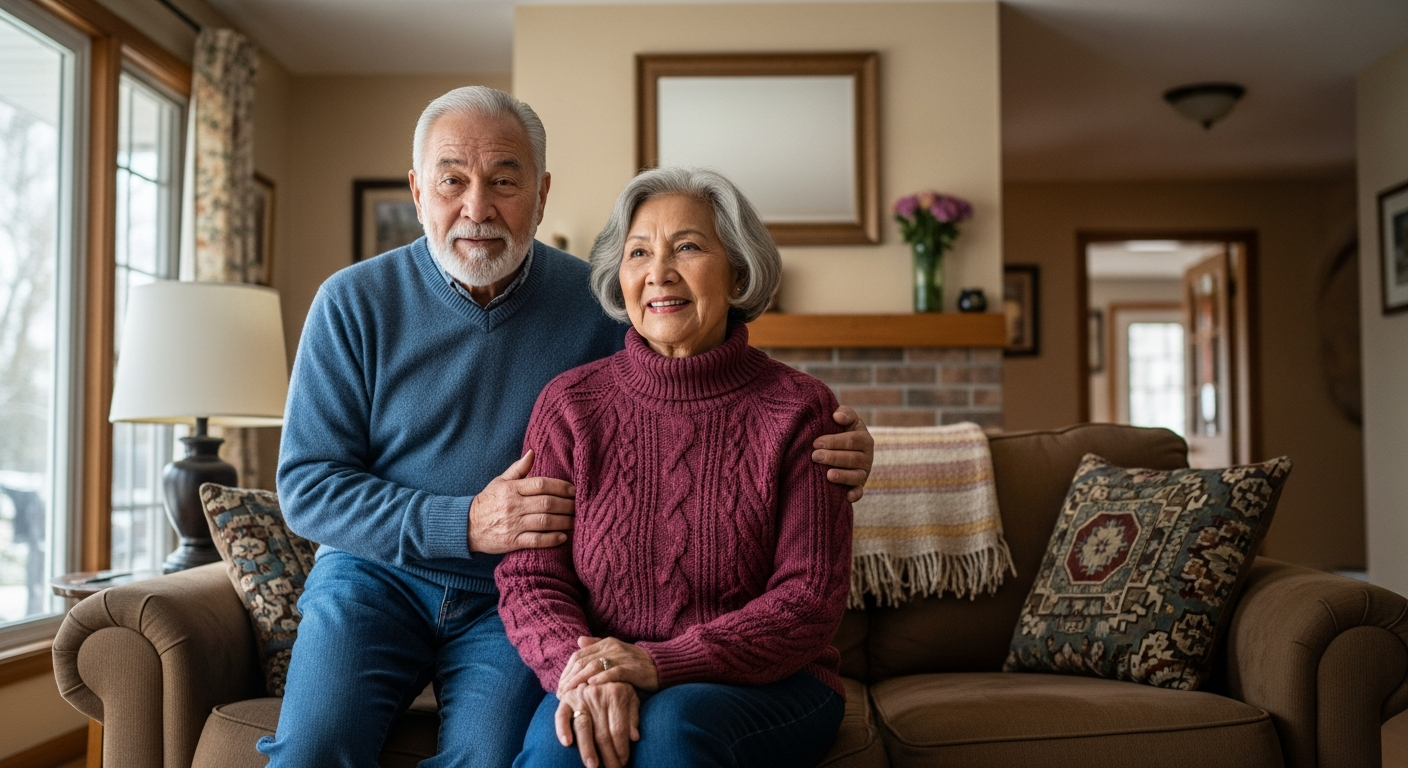
Scenario 1: Adult Child Providing Full-Time Care for Aging Parent Your 45-year-old adult child has moved into your home to provide full-time care as your mobility declines. They're trying to learn caregiving through trial and error: improper lifting techniques are causing back pain, and they're uncertain about medication management. They feel anxious about whether they're doing things "right."
With reverse mortgage funding ($4,000 for PSW and First Aid certification):
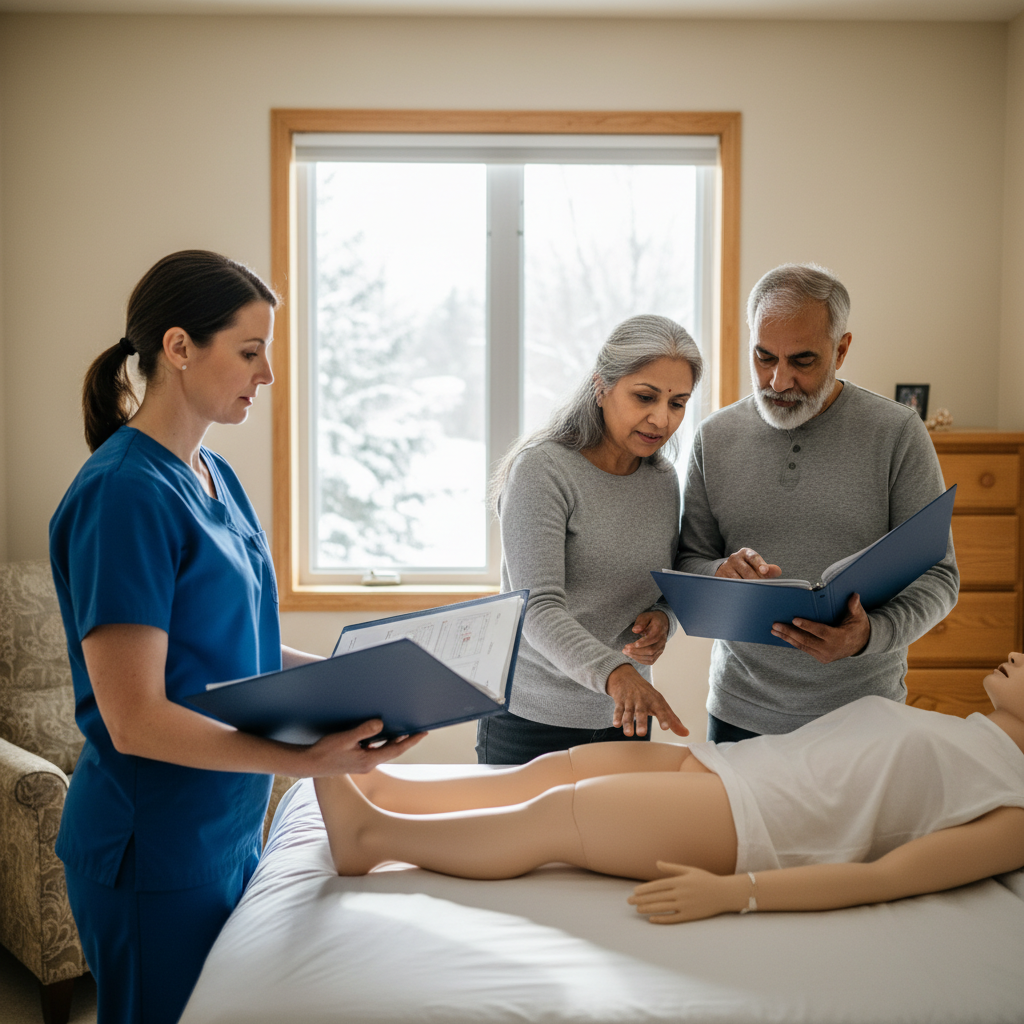
- They complete a 4-week part-time PSW program (evenings/weekends)
- They earn Red Cross First Aid certification
- They now have professional confidence and recognized credentials
- If you eventually need respite care, they can earn income as a paid caregiver elsewhere
Scenario 2: Multiple Family Members in Rotating Care Your adult children rotate caregiving: each provides 1–2 days per week. Without shared training, each approaches tasks differently, creating confusion and inconsistent care.
With reverse mortgage funding ($6,000–$7,000 for training each child):
- All three adult children complete PSW Level 1 certification
- They learn consistent protocols for hygiene, mobility, medication
- Family meetings become easier (everyone speaks the same "language")
- Care is more standardized and safer
Scenario 3: Supporting a Family Member Transitioning to Paid Caregiving Your adult child has been providing informal care but now needs income. They lack credentials for employment as a paid caregiver.
With reverse mortgage funding ($3,500 for PSW and Home Support certification):
- They complete recognized certification programs
- They can apply for paid home care positions (earning $18–$24/hour in Ontario)
- They provide care for you AND have employment income
- They build a career in a high-demand field
Strategic Reverse Mortgage Support for Caregiver Training
Structure training support strategically:
Option 1: Full Funding
- Cover all certification costs upfront
- Adult child completes training while actively caregiving
- You benefit from immediate improvement in care quality
Option 2: Matching/Cost-Share
- You fund 50% of certification cost
- Adult child/family member contributes 50%
- Shared investment demonstrates mutual commitment
Option 3: Staged Progression
- Year 1: Basic PSW + First Aid ($2,500)
- Year 2: Additional specializations (dementia care, medication management) ($2,000)
- Year 3: Advanced training or caregiver wellness ($1,500)
Option 4: Family Training Program
- Fund comprehensive training for multiple family members
- Ensures consistency and sustainability
- Protects against any one person burning out
| Funding Approach | Approx. Cost to You | Best For |
|---|---|---|
| Full Funding | $5,000–$10,000 | Single dedicated caregiver, immediate care needs |
| Matching/Cost-Share | $2,500–$5,000 | Family member with some income who can co-invest |
| Staged Progression (3 years) | $2,000–$2,500/year | Gradual skill-building alongside caregiving |
| Family Training Program (multiple members) | $6,000–$7,000+ | Rotating caregivers needing consistent protocols |
The Benefits Beyond Care Quality
Professional caregiver certification benefits extend beyond your immediate care:
For Your Family Member:
- Professional credentials and recognized skills
- Increased confidence and reduced anxiety
- Potential to earn income if needed (paid caregiving)
- Career pathway if they choose to pursue caregiving professionally
- Support network and community of practice
For You:
- Higher-quality, safer care
- Peace of mind that your caregiver is trained
- Reduced worry about gaps in care
- Consistent, professional approach to personal care
For Your Family System:
- Reduced burden on any single person
- Shared understanding of care protocols
- Decreased family conflict over "right way" to provide care
- Sustainability (trained caregivers don't burn out as quickly)
For Long-Term Planning:
- If you transition to professional in-home care, trained family members can supervise and advocate effectively
- If you need long-term care placement, your family can understand and oversee specialized care
Combining Family Care With Professional Support
Reverse mortgage-funded family caregiver training works best alongside professional services:
- Respite care: Paid caregivers fill in while your family member rests
- Home care nursing: Professional nurses manage complex medical needs; family provides daily support
- Therapy and rehabilitation: Physical therapists work with your trained family member for mobility
- Care coordination: A geriatric care manager oversees the overall plan
Family members with professional training can interface more effectively with these professionals.
Tax and Employment Considerations
If your adult child becomes a paid caregiver (for you or others):
- Caregiver payment from you: Consult an accountant about tax implications of paying family for care
- Employment income: If they work as a paid caregiver elsewhere, employment income has tax implications
- RRSP/CPP contributions: Earned income from caregiving allows RRSP contributions and builds CPP credits
Supporting Caregiver Wellness
Use reverse mortgage funds not only for certification but also for:
- Caregiver respite: $1,000–$2,000/year for respite care so your family member can rest
- Caregiver support groups: Many are free, but transportation and time have costs
- Mental health support for your caregiver: If caregiving is stressful, fund therapy for them
- Wellness activities: Yoga, counseling, or stress management for your caregiver
A caregiver who's burned out provides poor care. Investing in their wellbeing is investing in your care quality.
Key Takeaways
- Comprehensive family caregiver certification (PSW, First Aid, dementia care, and more) typically costs $5,000–$10,000 in total for one caregiver.
- A reverse mortgage on a $600,000 Ontario home can provide $240,000–$330,000 in available equity, making a $7,000–$8,000 caregiver training investment a small fraction of what's accessible.
- PSW-certified family caregivers can potentially earn $18–$24/hour if they later work as paid caregivers, turning training into both a care and income asset.
- Reverse mortgage proceeds are tax-free loan advances, so funding a family member's certification does not create taxable income for either party.
- Ontario reverse mortgages are available to homeowners 55 and older (all title holders on the home), with no monthly payments required while funds support caregiver training or ongoing care.
- Training multiple rotating family caregivers (often $6,000–$7,000 total) creates consistent care protocols and reduces the risk of any single caregiver burning out.
Frequently Asked Questions
How much does it cost to fully certify a family caregiver in Ontario?
A comprehensive package covering PSW certification, First Aid/CPR, and specialized training such as dementia care typically costs $5,000–$10,000 in total, depending on which programs are combined and whether training is full-time or part-time.
Can reverse mortgage funds be used for caregiver training instead of home renovations?
Yes. Reverse mortgage funds can be used for any purpose, including funding education and certification programs for a family caregiver. There are no restrictions requiring the money to be spent only on home-related costs.
Will paying for my child's caregiver certification affect my taxes or theirs?
The reverse mortgage funds themselves are tax-free loan proceeds, so paying for certification does not create taxable income. However, if your family member later becomes a paid caregiver, their earnings would be taxable employment income, and you should consult an accountant if you plan to pay them directly for care.
Is caregiver certification worth it if my family member is only providing part-time care?
Yes. Even part-time caregivers benefit from proper training in safe lifting techniques, medication management, and recognizing health changes, which reduces the risk of caregiver injury and improves the safety and consistency of the care you receive.
How do I find accredited caregiver training programs in Ontario?
Personal Support Worker and Home Support Worker programs are offered through Ontario community colleges and private training providers, while First Aid/CPR certification is available through the Red Cross or St. John Ambulance. Dementia-specific training is often available through organizations like the Alzheimer's Society.
Moving Forward
Family caregiving is profound work. Professional certification ensures your family member has the knowledge, confidence, and credentials to provide quality care sustainably.
Ready to explore reverse mortgage support for family caregiver training? Consult with an advisor in Ontario and reach out to local community colleges or organizations offering caregiver certification programs.
Your family's commitment to your care deserves professional support and training. That's an investment worth making.
Ready to Learn More?
Find out exactly how much you could unlock from your home — free and no obligation.
Related Articles
Cognitive Assessment Before Reverse Mortgage: Protecting Yourself From Exploitation
Proactive mental capacity testing before getting a reverse mortgage. Protect yourself from financial exploitation and ensure sound decision-making in Ontario, especially if you're aging.
Read →Reverse Mortgage for First-Time Homebuyers at 70+: Finally Own Your Home in Retirement
Late-life first-time homeownership with a reverse mortgage. Buy a home without mortgage payments while preserving your fixed income.
Read →Reverse Mortgage for Adult Child Facing Criminal Defense Costs: Protecting Your Retirement
When adult child faces criminal charges, reverse mortgage provides funds for legal defense without depleting retirement savings.
Read →