
Reverse Mortgage for Homes With Environmental Contamination: Remediation Costs
Environmental liens and soil contamination can cost $15,000–$100,000+ to remediate. Learn how a reverse mortgage funds cleanup and protects your home's value.
Can you get a reverse mortgage on a home with environmental contamination? Yes—but the lender must approve the property appraisal after environmental testing reveals the scope of the problem. More importantly, many homeowners don't realize that environmental remediation can cost tens of thousands of dollars, and a reverse mortgage can fund this critical repair before selling.
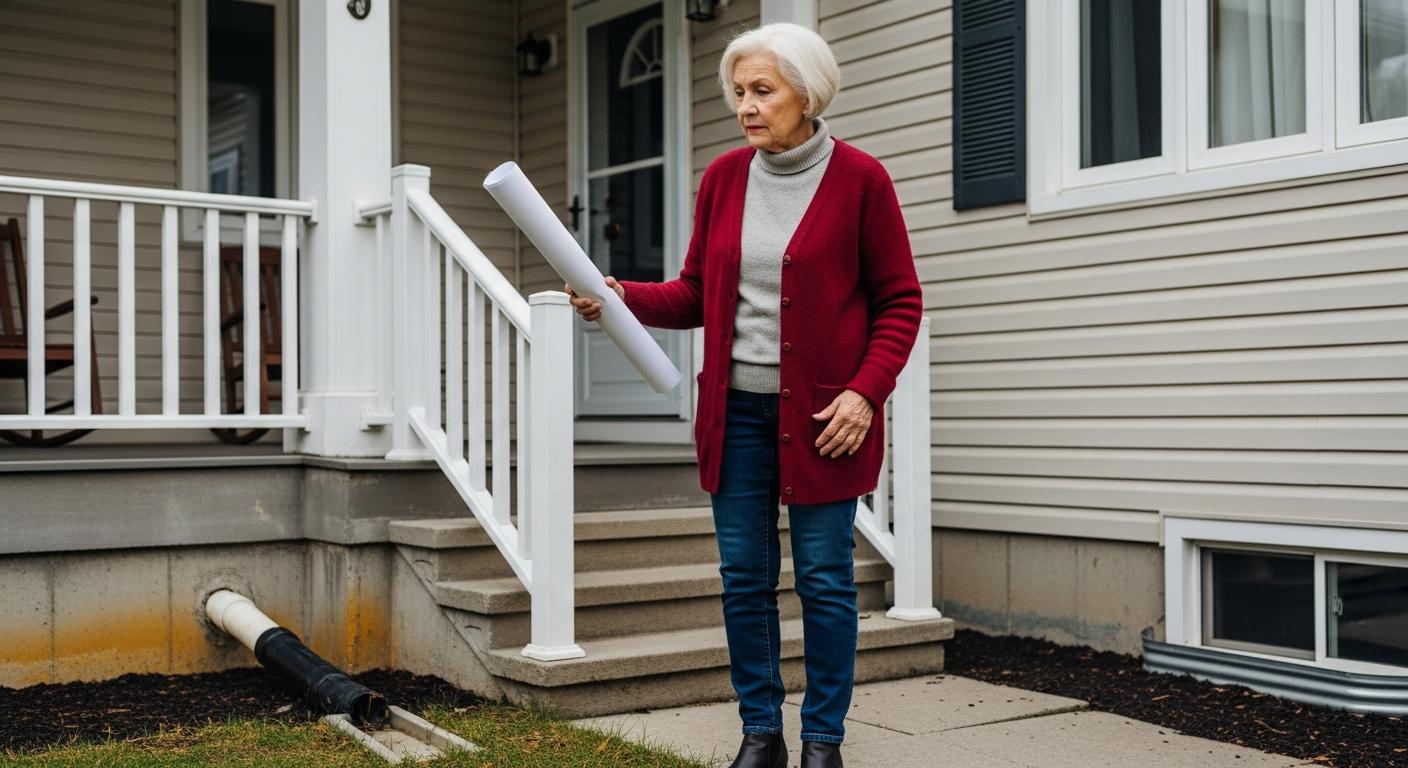
What Is Environmental Contamination and Why Does It Matter
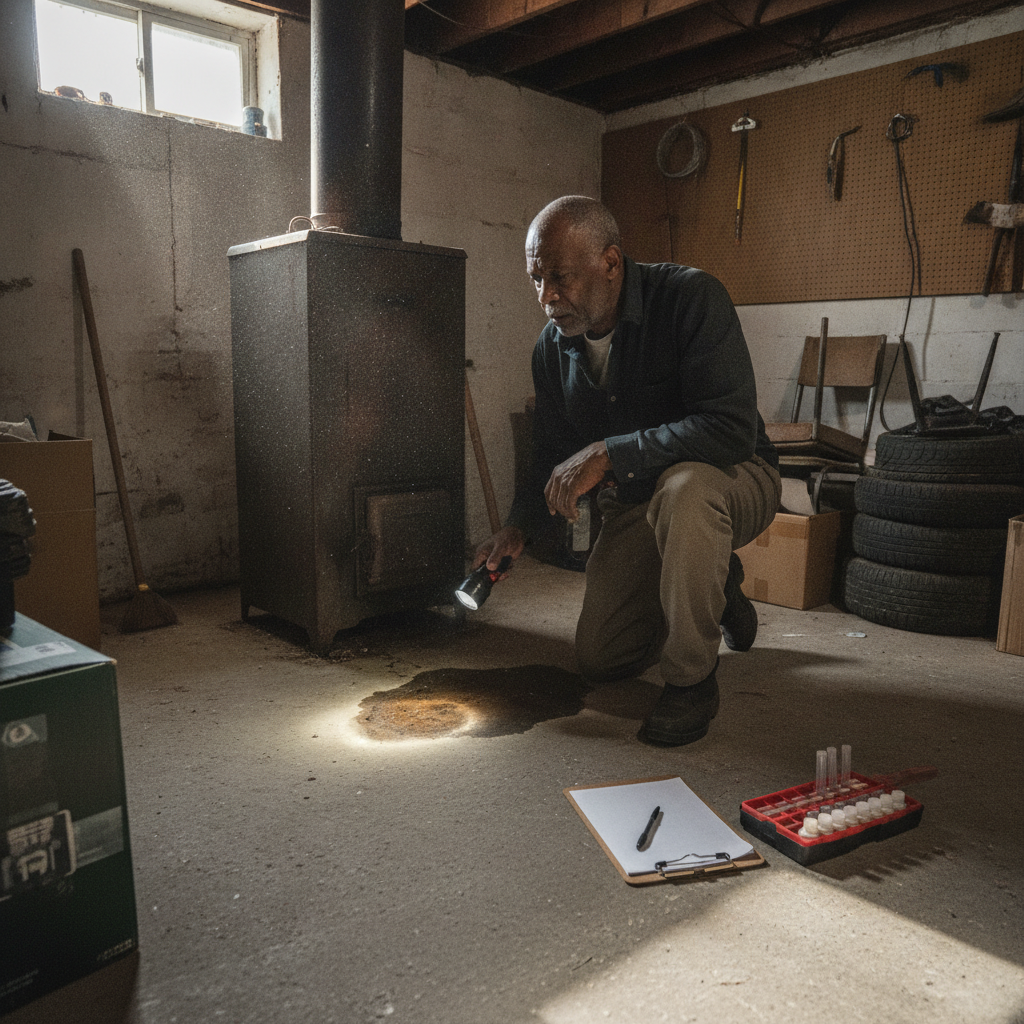
Environmental contamination occurs when soil, groundwater, or indoor air contains hazardous substances above Ontario standards. Common sources include:
- Leaking underground storage tanks (USTs) — old heating oil tanks, gasoline, or industrial solvents
- Lead paint and lead pipes — homes built before 1980
- Asbestos in insulation, floor tiles, or roofing
- Soil contamination from former industrial use, gas stations, or dry cleaners
- Radon and volatile organic compounds (VOCs) in basements
- Mold from water intrusion (often paired with other issues)
Ontario's Environmental Protection Act (EPA) requires disclosure of known contamination. If you discover (or a home inspector identifies) environmental issues, you face three choices:
- Sell as-is (value drops 20–40%)
- Remediate and stay (costs $15,000–$100,000+)
- Leave and walk away (economic loss)
A reverse mortgage enables choice #2—remediate and remain—by funding the cleanup upfront.
Typical Environmental Remediation Costs in Ontario
| Issue | Scope | Typical Cost Range | Timeline |
|---|---|---|---|
| Lead Paint Removal | Whole house | $8,000–$25,000 | 2–4 weeks |
| Asbestos Abatement | Roofing/insulation | $15,000–$50,000 | 1–3 weeks |
| UST Removal | Single tank | $5,000–$15,000 | 1–2 weeks |
| Soil Remediation | Full property | $30,000–$100,000+ | 2–6 months |
| Radon Mitigation | Sub-slab depressurization | $1,200–$3,500 | 1–2 weeks |
| Mold Remediation | Localized or extensive | $2,000–$30,000 | 1–4 weeks |
| Groundwater Testing & Treatment | Well or municipal | $3,000–$15,000+ | 2–4 weeks |
Total for multiple issues: $50,000–$150,000 is not uncommon.
Using a Reverse Mortgage to Fund Remediation
Why Traditional Financing Fails
Banks and HELOCs deny applications for contaminated properties because:
- The property cannot be mortgaged until it's proven clean
- Lenders view contamination as unquantifiable risk
- Remediation timelines are unpredictable
- Insurance complications and liability concerns
A reverse mortgage is different. Reverse mortgage lenders (CHIP, Equitable Bank, Home Trust, Bloom Financial) underwrite based on current equity and age. Environmental issues don't automatically disqualify you—they just require clear disclosure and an environmental assessment report.
Step-by-Step: Accessing RM Funds for Remediation
- Order environmental assessment (Phase I is $1,500–$3,000; Phase II is $3,000–$10,000)
- Obtain detailed remediation quote from licensed environmental contractors
- Apply for reverse mortgage with the assessment and quote attached
- Lender approves based on equity and the scope of remediation
- Close RM, receive lump sum or line of credit
- Hire contractor, begin remediation while you still own the property
- Post-remediation verification confirms cleanup met Ontario standards
How Remediation Protects Your Reverse Mortgage
Here's the hidden benefit: remediation increases your home's value and the lender's security.
- Before remediation: Home appraised at $300,000 (contamination discount applied)
- Remediation cost: $50,000
- After remediation: Home appraised at $380,000–$400,000
The $50,000 RM investment generates $80,000–$100,000 in property value recovery. You access equity before the market catches up, remediate at your own pace, and benefit from the full value recovery.
According to the Canadian Environmental Law Association, homeowners in Ontario who remediate before selling recover 60–80% of remediation costs in resale value appreciation, especially in gentrifying neighborhoods.
Ontario's Environmental Regulatory Landscape
Regulatory Approvals Required
Depending on contamination type, you'll need:
- Ontario Ministry of Environment approval for soil remediation (especially if former industrial)
- Local health unit approval for well water or septic issues
- Toronto (or municipal) health department for lead or mold concerns
- CMHC or insurance underwriter sign-off for mortgage renewal or home insurance
A reverse mortgage lender will require proof that remediation meets these standards.
Environmental Liens and Title Issues
In rare cases, Ontario regulators place an environmental lien on your property—a legal charge requiring proof of remediation before you can sell or refinance. This doesn't prevent a reverse mortgage, but it does mean:
- Remediation is mandatory before repayment (sale or death)
- The lien is removed once remediation is verified
- Your RM lender will require proof of lien discharge
Work with Rick Sekhon Reverse Mortgages and an environmental lawyer to navigate lien scenarios.
Case Study: Inheriting a Contaminated Home
Sarah, 62, inherited her parents' rural property. Home inspection revealed lead paint, possible underground heating oil tank, and radon above Ontario limits. Estimated remediation: $65,000.
Without a reverse mortgage: Sarah would need to:
- Sell the property quickly (at a 30% discount due to contamination)
- Or pay out of retirement savings, leaving her unprepared for aging
- Or walk away and face legal liability
With a reverse mortgage: Sarah:
- Applied for a $70,000 RM on the inherited home (she was 62)
- Accessed funds to remediate lead, remove tank, install radon system
- Kept the property; completed remediation in 3 months
- Home value stabilized at fair market value
- Lived in the remediated home, now worth $380,000 clean
The RM was fully repaid when Sarah eventually sold the property to a buyer who valued it at full price.

Avoiding Environmental Liability in Retirement
Proactive Testing Saves Thousands
If you're 55+ and planning to stay in your home long-term, order a Phase I Environmental Site Assessment now—before you need a reverse mortgage. This $1,500 investment:
- Identifies buried tanks, soil issues, or contamination
- Lets you remediate gradually as part of normal home maintenance
- Proves the property is clean when you eventually sell or refinance
- Removes uncertainty from RM applications years later
Insurance Considerations
Standard homeowner's insurance does NOT cover environmental cleanup. However:
- Environmental liability insurance ($300–$800/year) covers some remediation costs
- Environmental impairment liability (EIL) policies protect against contamination discovered after purchase
- Check your policy; many exclude "pre-existing conditions"
Key Takeaways
- Environmental contamination can cost $15,000–$100,000+ to remediate, but hidden costs of leaving it unsolved—property value loss, title issues, liability—often exceed remediation costs.
- Traditional lenders deny financing for contaminated properties; reverse mortgages are more flexible because they're secured by home equity, not future marketability.
- Remediation typically recovers 60–80% of costs in resale value, making it a strong investment for homeowners who plan to stay or eventually sell in a recovering neighborhood.
- Ontario environmental regulations require professional assessment and verification—this is non-negotiable and non-negotiable, but it's also the path to a clean title and peace of mind.
- Consult Rick Sekhon Reverse Mortgages and an environmental lawyer together; the lender handles the financing, and the lawyer ensures compliance with Ontario's Environmental Protection Act.
Frequently Asked Questions
Do I have to disclose environmental contamination when selling a home?
Yes. Ontario requires full disclosure of known environmental issues in the Purchase and Sale Agreement. If you discover contamination after purchasing (and hadn't done a Phase I assessment), you may be liable to the seller depending on your inspection conditions. If you own the property, remediation protects your liability and increases your resale value.
Can I get a reverse mortgage if environmental remediation is not yet complete?
This depends on your lender and the severity. Some lenders will approve a RM during remediation if you have a documented remediation plan and timeline from a licensed contractor. Others require proof of completion before funding. Equitable Bank and CHIP typically require progress updates; Home Trust may allow draws as remediation progresses.
What if the environmental assessment finds a "plume" of contamination extending beyond my property?
If contamination has migrated to neighboring properties (a "plume"), you may share liability with adjacent owners. This is rare but serious. You'll need coordination with those property owners, local regulators, and potentially a class-action remediation plan. A reverse mortgage can fund your portion of shared remediation if structured with an environmental lawyer's involvement.
Does remediation affect my property taxes or home insurance?
Once remediation is complete and verified, property taxes should not increase (they're based on pre-contamination assessed value in most cases). Home insurance may improve—once the contamination is removed and verified, your insurable risk decreases, potentially lowering premiums. Some insurers offer 10–15% discounts for properties with completed environmental remediation.
Can I claim remediation costs as a medical expense or charitable donation for tax purposes?
Remediation costs are generally considered a capital improvement to your home, not a deductible expense. However, if remediation was ordered by public health (e.g., lead removal due to health order), consult a tax accountant about potential provincial health program rebates. The CRA does not currently offer tax deductions for environmental remediation.
What happens if I die before remediation is complete—is my estate liable?
Yes. If you have a reverse mortgage and die before remediation is finished, your estate (or heirs) must either complete remediation or repay the RM in full. This is why starting remediation immediately after an RM closing is important. Set up a clear timeline with your executor or adult children so they understand the liability and timeline.
Ready to Learn More?
Find out exactly how much you could unlock from your home — free and no obligation.
Related Articles
Reverse Mortgage for Career Transition Into Nonprofit Environmental Conservation Leadership
Fund your transition to environmental conservation nonprofit leadership with a reverse mortgage. Pursue purpose-driven work in retirement in Ontario.
Read →Reverse Mortgage for Disaster Recovery: Rebuilding After Fire, Flood, or Catastrophic Damage
Learn how reverse mortgages provide emergency funding for home rebuilding after fire, flood, severe storms, or other catastrophic home damage in Ontario.
Read →Reverse Mortgage for Home Repairs When Insurance Won't Cover: Bridging Coverage Gaps
Learn how reverse mortgages can bridge home repair costs when insurance won't cover damage. A solution for Ontario seniors facing major repairs and insurance limitations.
Read →