
Reverse Mortgage for Professional Credential Maintenance During Full-Time Caregiving
Fund ongoing professional certification costs when caregiving disrupts your career. Keep licenses active with reverse mortgage support in Ontario.
How do you maintain your professional license when caregiving consumes your income and time? Many Ontario professionals—therapists, nurses, accountants, engineers, real estate agents—face a painful choice: abandon caregiving responsibilities to maintain their credential costs, or let licenses lapse because full-time family care means lost work income. A reverse mortgage can fund the ongoing professional requirements that keep your career viable, allowing you to continue caregiving without sacrificing your professional identity.
This guide explores how reverse mortgages support professionals facing credential maintenance costs during caregiving transitions.
The Hidden Cost of Caregiver Transition
When caregiving becomes full-time, professionals lose income in two ways:
Direct Income Loss
- Reduced work hours or full exit: $30,000–$80,000/year in lost salary
- Lost benefits (health insurance, pension contributions)
- Reduced retirement savings during critical compounding years
Ongoing Professional Costs That Don't Disappear Many professionals must maintain credentials even while not actively working, including:
- Annual or biennial license renewal fees ($200–$1,200/year)
- Continuing education requirements (CEUs, CPD hours: $500–$3,000/year)
- Professional association memberships ($300–$800/year)
- Malpractice insurance (if self-employed or maintaining a practice: $500–$5,000/year)
- Exam prep or recertification if returning to work ($1,000–$5,000 per exam)
Total Annual Credential Maintenance: $1,500–$10,000+
For a caregiver whose income has dropped to zero or part-time, these costs become unaffordable. Letting a license lapse seems like the only option—but it carries long-term consequences.

Consequences of Credential Lapse During Caregiving
Letting a professional license expire creates compounding problems:
Professional Re-Entry Costs Are Higher Than Maintenance
- Reinstatement fees: $500–$2,000
- Continuing education "catch-up" hours: often double the normal requirement
- Potential exam retakes: $1,000–$5,000
- Liability insurance changes (gaps in coverage must be explained)
- Employer skepticism: "You've been out for 5 years; can you still practice?"
Career Trajectory Damage
- Seniority may be reset in some professions
- Pension contributions frozen during gap (affecting retirement)
- Professional network erosion (colleagues advance without you)
- Confidence loss: "Can I actually do this anymore?"
Time-to-Earnings Gap Re-establishing a practice after credential lapse takes 6–18 months, during which you're earning zero while the caregiving often continues.
| Credential Maintenance Cost | Annual | 5-Year Total |
|---|---|---|
| License renewal | $200–$1,200 | $1,000–$6,000 |
| Continuing education | $500–$3,000 | $2,500–$15,000 |
| Professional association | $300–$800 | $1,500–$4,000 |
| Malpractice/liability insurance | $500–$5,000 | $2,500–$25,000 |
| Total 5-year maintenance | $1,500–$10,000/year | $7,500–$50,000 |
| Re-Entry After Lapse | Cost | Timeline |
|---|---|---|
| Reinstatement fee | $500–$2,000 | Immediate |
| Catch-up continuing education | $1,000–$5,000 | 3–6 months |
| Exam retakes (if required) | $1,000–$5,000 | 3–6 months |
| Re-establish practice/return to employer | $0 | 6–18 months lost income |
| Total re-entry cost | $2,500–$12,000+ | Plus 6–18 months zero income |
The Math Is Clear: For professionals caregiving for 3–5 years, maintaining credentials ($7,500–$50,000) is far cheaper than letting them lapse and re-entering ($2,500–$12,000+ plus lost income).
Real Ontario Scenarios: Credential Maintenance During Caregiving
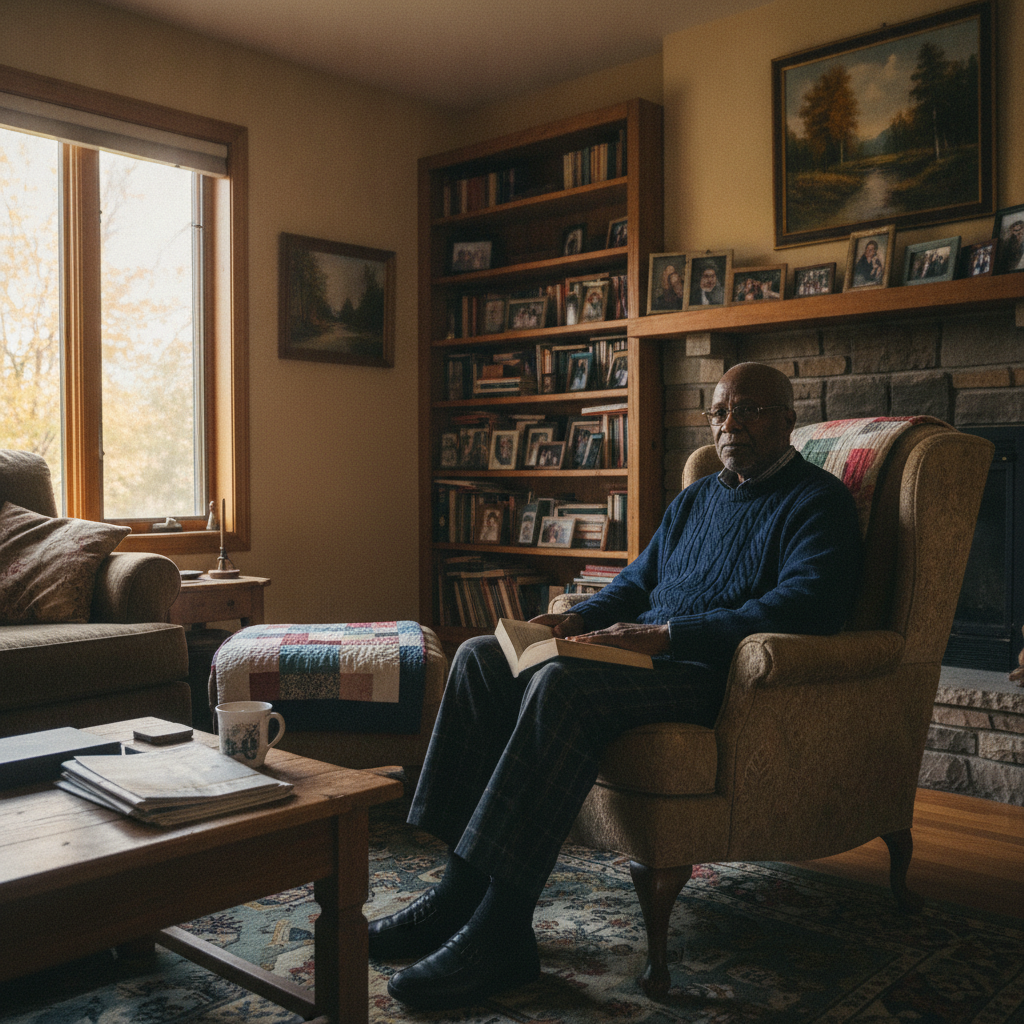
Scenario 1: Therapist Supporting Aging Parent With Dementia You're a licensed clinical counselor with a private practice earning $70,000/year. Your parent's dementia diagnosis requires full-time care starting immediately. You reduce to part-time work (now $20,000/year), but your license renewal, continuing education, and malpractice insurance still cost $4,000/year. You can't afford it on reduced income.
Without reverse mortgage support: You let your license lapse. Five years later, your parent is in long-term care. You want to return to work but face $3,000 in reinstatement fees, $4,000 in catch-up education, and 12 months rebuilding your client base. Meanwhile, you've lost $250,000 in potential earnings during your 5-year absence.
With reverse mortgage support: You take $25,000 from your home equity and use phased draws to cover credential costs ($4,000/year) for your caregiving years. Your license stays active. When caregiving transitions to professional care, you re-open your practice immediately, without reinstatement delays or re-training costs.
Scenario 2: Accountant Supporting Spouse Through Long-Term Illness You're a CPA with self-employed practice. Your spouse's cancer diagnosis requires you to reduce to part-time work. Professional designation maintenance (CA dues, continuing education, E&L insurance) costs $5,500/year—more than you're earning part-time. You're facing a choice: let your designation lapse, or spend savings on something you can't deduct.
With reverse mortgage support: You access $25,000 in funds to maintain your CPA designation throughout the caregiving period. When your spouse's condition stabilizes or transitions to professional care, you return to full-time practice with your credential intact, without re-certification delays.
Scenario 3: Real Estate Agent Caregiving for Two Aging Parents You're a licensed real estate agent with commission-based income. With two parents in decline, you've reduced to listing only 5–6 properties/year (down from 15) and earned $30,000 last year instead of $100,000. Your provincial license renewal, broker sponsorship, and errors & omissions insurance cost $3,500/year.
Without support: Over 4 years of caregiving, you let your license lapse ($14,000 you couldn't afford). When both parents are in care, you have to restart: reinstatement fee ($1,500), broker re-sponsorship ($2,000), and 2–3 months rebuilding your network. Total: $3,500 direct cost plus 3–6 months lost income.
With reverse mortgage support: You maintain your license for $14,000 over 4 years using draws from a $30,000 reverse mortgage. When caregiving transitions, you return to full-time practice immediately with no reinstatement gaps.
The Strategic Reverse Mortgage Approach
Define Your Credential Maintenance Costs Precisely
Before accessing a reverse mortgage, list all costs required to keep your license active:
- License renewal fees: $___/year
- Continuing education/CPD requirements: $___/year
- Professional association dues: $___/year
- Malpractice or errors & omissions insurance: $___/year
- Exam costs (if recertification needed): $___
- Annual total: $____
Multiply by Expected Caregiving Duration
Most caregiving periods last 3–7 years. Calculate the total:
- Light caregiving (part-time): 3–4 years
- Moderate caregiving (significant hours): 4–5 years
- Full-time caregiving: 5–7 years
A reverse mortgage should cover the full period plus 1 year buffer.
Example: Credential costs of $4,000/year × 5-year caregiving period = $20,000 total need.
Use Phased Draws to Control Costs
Rather than taking $20,000 as a lump sum, draw annually as credentials are renewed:
- Year 1: $4,000 (annual costs)
- Year 2: $4,000
- Year 3: $4,000
- Year 4: $4,000
- Year 5: $4,000
This approach ensures you're funding actual costs as they occur, not prepaying for years you don't need.
Plan for Return-to-Work Transition
As caregiving needs shift (transition to professional care, assisted living, or end-of-life planning), have a plan for returning to practice:
- Month 0: Caregiving transitions; you step back into part-time work
- Months 1–3: Gradual return to full-time practice
- Month 4+: Full income restoration
Your reverse mortgage has kept your credential active, so you don't face reinstatement delays.
Why Credential Maintenance Is a Legitimate Reverse Mortgage Use
According to FCAC (Financial Consumer Agency of Canada), reverse mortgages can be used for "essential expenses during life transitions," which explicitly includes:
- Maintaining professional standing during caregiving
- Funding necessary education or certification requirements
- Supporting income-generating activity maintenance
"A reverse mortgage can help homeowners manage necessary costs that maintain their professional capacity and future earning ability, particularly during caregiving transitions where income is reduced." – FCAC Guidelines
Tax and Financial Planning
Work with your accountant:
Deductibility of Credential Maintenance
- License renewal and continuing education may be tax-deductible business expenses if you're self-employed
- Malpractice insurance is deductible for self-employed professionals
- Keep receipts for all credential-related costs
Reverse Mortgage Proceeds
- Loan proceeds are tax-free (not income)
- Interest is deductible when you sell the home or the estate repays the loan
- Works with Rick Sekhon or a broker to ensure the draw schedule aligns with your actual certification renewal dates
Conversation Starters With Your Family
When accessing a reverse mortgage to maintain credentials:
To Your Spouse/Partner: "I'm funding my credential maintenance through the home equity so that when caregiving transitions, I can return to work without delays. This protects our long-term retirement income."
To Adult Children: "I'm using home equity to maintain my professional license while caregiving. This keeps my future earning potential intact, which benefits our family long-term."
To Your Profession: If needed, be transparent with your employer or professional body that you're maintaining licensure during a caregiving period. This can strengthen your re-entry timeline.
Key Takeaways
- Professional credential maintenance during caregiving costs $1,500–$10,000 annually (license renewal, continuing education, insurance, association fees).
- Allowing a license to lapse during caregiving creates re-entry costs of $2,500–$12,000+ and 6–18 months of lost income when returning to work.
- A reverse mortgage can fund 3–7 years of credential maintenance, preserving your professional status and future earning capacity.
- Phased draws allow you to maintain credentials as renewal deadlines occur, rather than prepaying for the full caregiving period.
- Keeping credentials active during caregiving transitions means returning to work without reinstatement delays, exam retakes, or employer skepticism.
- According to FCAC, reverse mortgages can legitimately support essential expenses that maintain professional standing during life transitions like caregiving.
Frequently Asked Questions
How much can I borrow specifically for credential maintenance costs?
Homeowners aged 55 and older typically can access 15–59% of their home's appraised value depending on age and location. If credential maintenance will cost $20,000 over 5 years, you'd request a reverse mortgage with at least that much available in draws. A broker like Rick Sekhon can provide a precise estimate for your situation.
Will reverse mortgage proceeds affect my professional tax deductions or income reporting?
No. Reverse mortgage proceeds are loan advances, not income, so they don't affect your tax situation directly. However, work with your accountant to ensure credential expenses are properly deducted, and that reverse mortgage interest is tracked correctly for when the loan is repaid.
Can I structure my reverse mortgage draws to match my actual credential renewal dates?
Yes. Many lenders including HomeEquity Bank and Equitable Bank allow flexible draw schedules. If your license renews in January and your continuing education in March, you can schedule draws to match those specific dates, reducing excess borrowing.
What happens if my caregiving needs end sooner than expected?
If caregiving transitions earlier (e.g., your parent moves to long-term care), you simply stop drawing on the reverse mortgage. You've only borrowed what you used for credentials, preserving home equity for other needs.
Will maintaining my license through a reverse mortgage affect my ability to return to work?
Not at all. In fact, maintaining an active license accelerates your return. Employers and clients see a professional with continuous credential status, not a reinstatement gap. This strengthens your re-entry timeline and earning potential.
How does this work for self-employed professionals vs. employees?
Both groups can use reverse mortgage support. Self-employed professionals benefit more directly (credential costs are business expenses and deductible), while employees benefit by maintaining license status for future consulting, part-time work, or career flexibility. Work with your accountant to optimize the approach.
Moving Forward
Caregiving doesn't mean abandoning your professional identity. A reverse mortgage can fund the credential maintenance that keeps your license active, your skills current, and your return-to-work pathway clear.
Ready to explore reverse mortgage support for your credential maintenance during caregiving? Contact a broker in Ontario who specializes in professional transitions. Your home equity can sustain your career through caregiving—and ensure your earning capacity remains intact when caregiving transitions.
Your professional future is worth preserving. That's what credential maintenance through a reverse mortgage makes possible.
Ready to Learn More?
Find out exactly how much you could unlock from your home — free and no obligation.
Related Articles
Reverse Mortgage When Your Immigration Caregiver Faces Deportation: Emergency Care Restructuring
When your live-in caregiver loses work visa status, urgent restructuring costs mount. A reverse mortgage provides emergency funding to reorganize home care without crisis.
Read →Cognitive Assessment Before Reverse Mortgage: Protecting Yourself From Exploitation
Proactive mental capacity testing before getting a reverse mortgage. Protect yourself from financial exploitation and ensure sound decision-making in Ontario, especially if you're aging.
Read →Reverse Mortgage for First-Time Homebuyers at 70+: Finally Own Your Home in Retirement
Late-life first-time homeownership with a reverse mortgage. Buy a home without mortgage payments while preserving your fixed income.
Read →