
When Your Condo Building Faces Demolition: Reverse Mortgage Strategy for Redevelopment
When your condo complex undergoes demolition or major redevelopment, a reverse mortgage can bridge housing costs, buyout offers, and relocation. Learn your options.
What happens to your reverse mortgage when your condo building faces demolition or major redevelopment? This is a financial crisis many Ontario condo owners don't plan for—and it can arrive with very little warning. The good news: a reverse mortgage can provide the emergency liquidity you need to navigate this transition.
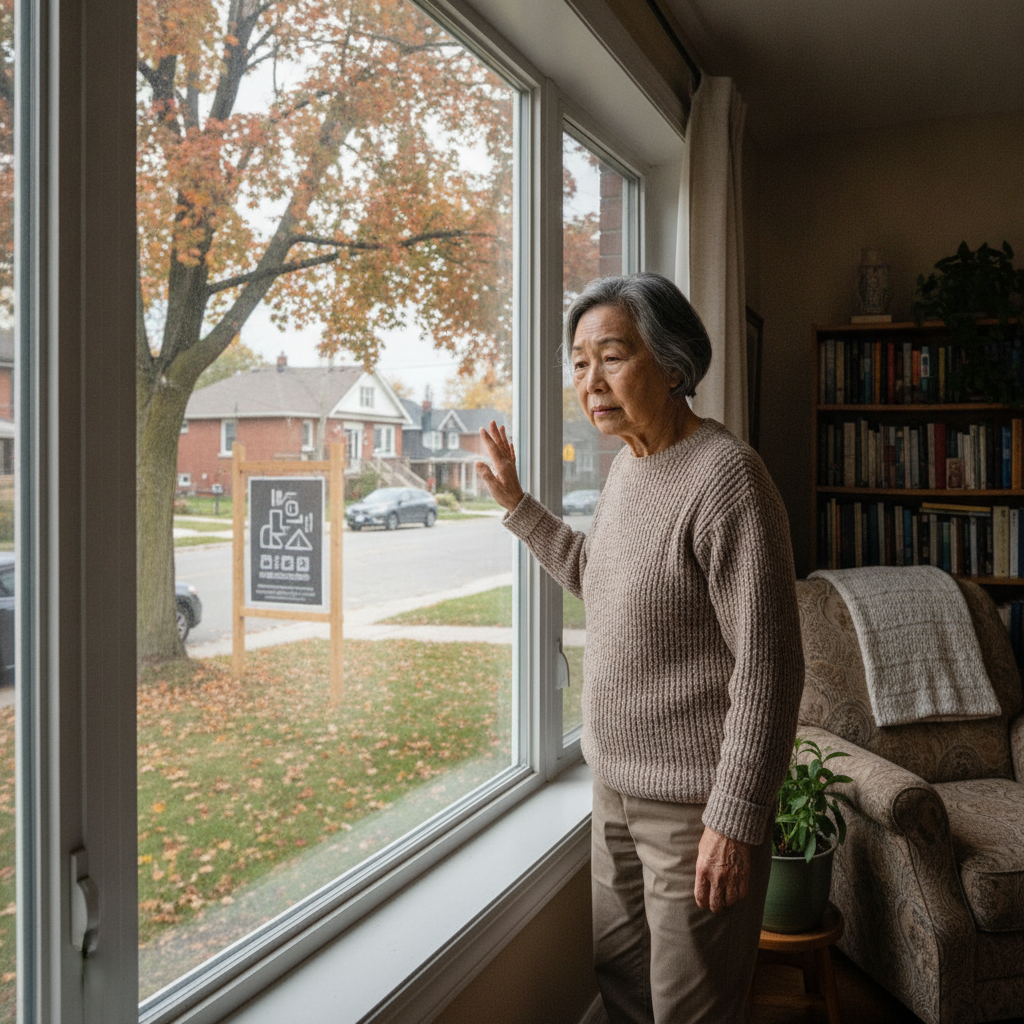
Understanding the Condo Demolition Crisis
Condominium buildings in Ontario are aging. Thousands of aging condos built in the 1970s-1990s are now facing major structural, mechanical, or accessibility failures that make demolition or complete reconstruction economically necessary. When a condo board votes to demolish or undergo major redevelopment, owners face a perfect financial storm:
- Buyout negotiations with developers (often below fair market value)
- Relocation costs to temporary housing during construction
- Bridge financing gaps between selling one home and buying another
- Alternative housing costs if you don't accept the developer's offer
- Legal and consulting fees to review development agreements
A reverse mortgage offers homeowners over 55 a way to access equity now—without selling into a buyers' market depressed by the redevelopment news, and without waiting months for traditional financing.
Key Timeline & Costs in Condo Redevelopment
| Phase | Typical Timeline | Common Costs |
|---|---|---|
| Notice & Board Vote | 3-6 months | Legal review fees ($2,000–$5,000) |
| Developer Offers | 2-4 months | Appraisals, title review ($1,500–$3,000) |
| Unit Relocation | 6-18 months | Temporary housing, moving costs ($5,000–$15,000) |
| Construction Phase | 24-48 months | Ongoing temporary accommodation ($2,000–$4,000/month) |
| Possession of New Unit | Post-construction | Down payment on new property ($20,000–$50,000+) |
Using a Reverse Mortgage When Demolition Is Announced
Access Equity Before the Market Reacts
When demolition is announced, your unit's value drops. Buyers shy away from redevelopment properties, and you lose negotiating power. A reverse mortgage accessed before the public announcement (if you receive early notice) locks in your home's current appraised value—and gives you immediate cash instead of a depressed sale price.
According to the Financial Consumer Agency of Canada (FCAC), accessing home equity through a reverse mortgage allows seniors to remain in control of their housing decisions, even during market disruptions or forced relocations.
Bridge Temporary Housing During Construction
If you accept the developer's offer and relocate to temporary housing during redevelopment, a reverse mortgage line of credit provides the flexibility to:
- Pay rent for 12-36 months while your unit is being rebuilt
- Cover moving costs and storage for belongings
- Manage bridge financing between your temporary lease and returning to your new unit
A line of credit option on your reverse mortgage is ideal here—you draw only what you need, when you need it, and the balance grows monthly. CHIP, Equitable Bank, and Home Trust all offer flexible draw options that work well for this scenario.
Comparing Your Options: Reverse Mortgage vs Developer Buyout
| Option | Pros | Cons | Best For |
|---|---|---|---|
| Accept Developer Offer | Guaranteed exit; no ongoing housing search | Usually 10–20% below fair market value; tight timeline | Quick exit needed; limited savings |
| Reverse Mortgage + Keep Equity | Access funds; keep ownership upside; negotiate from strength | Ongoing property taxes; temporary housing costs during rebuild | Strong negotiating position; time to decide |
| Sell Before Announcement | Market rate; clean break | Market collapse after announcement; rushed timeline | Early knowledge + quick action |
What Happens to Your Reverse Mortgage During Redevelopment
Key question: If your building is being demolished, what triggers repayment of your reverse mortgage?
The short answer: Your reverse mortgage remains active during redevelopment if the property is still mortgageable. The lender's security—your home equity—may be affected by the redevelopment process. Here's what typically happens:
- During pre-demolition phase — RM remains active; you continue to pay property taxes and condo fees
- At demolition — If you've moved out or the building is demolished, the lender typically calls repayment within 6 months
- Post-redevelopment — If you receive a new unit in the rebuilt condo, you may be able to maintain or renew your RM on the new property (though this depends on the new unit's value and your lender's underwriting)
Work with a Specialist Early
The complexity here demands professional guidance. Rick Sekhon Reverse Mortgages helps Ontario condo owners navigate redevelopment scenarios months or years in advance. Early consultation lets you:
- Understand your equity position before developer negotiations begin
- Lock in rates and draw plans before the property becomes "unfinanceable"
- Plan the bridge financing that works best for your situation

Alternative Relocation Strategy: Downsizing with a Reverse Mortgage
Some owners use demolition as a catalyst to downsize. Here's how a reverse mortgage fits:
- Access RM on current condo while the property is still mortgageable
- Use proceeds as down payment on a smaller, accessible home outside the downtown core
- Avoid bridge financing by moving directly; your RM funds cover the gap
- Reduce future costs by choosing a property with lower maintenance fees and property taxes
This strategy trades the uncertainty of developer negotiations for intentional downsizing—and often results in a smaller mortgage, lower monthly costs, and more control over your next home.
Government & Legal Protections
Ontario Condo Act Protections
The Ontario Condo Act requires:
- Minimum 60 days' notice before demolition vote
- Detailed declaration of the unit value and buyout offer
- Right to independent legal review
- Condo Corporation must fund a reserve study estimating redevelopment costs
These protections give you time to plan and access financing like a reverse mortgage.
FSRAO Oversight
The Financial Services Regulatory Authority (FSRAO) oversees all registered reverse mortgage lenders in Ontario. If you're considering a RM to manage condo redevelopment costs, confirm your lender is FSRAO-registered.
According to FSRAO, all Ontario reverse mortgage lenders must disclose total borrowing costs, prepayment options, and renewal terms before you commit.

Key Takeaways
- Condo demolition or major redevelopment can destroy property values overnight, making a reverse mortgage a strategic tool to lock in current equity before the announcement.
- Temporary housing during redevelopment is expensive—$2,000–$4,000/month for 18–36 months is realistic. A RM line of credit provides flexible draws during this period.
- Developer buyout offers are often undervalued by 10–20%. A reverse mortgage gives you the liquidity to negotiate, consult lawyers, and explore alternatives.
- Your RM may need renewal or refinancing after redevelopment. Start conversations with your lender years in advance, not months before demolition.
- Early professional guidance is critical. Consult with Rick Sekhon Reverse Mortgages and a real estate lawyer before the board vote to understand your full range of options.
Frequently Asked Questions
Can I get a reverse mortgage on a condo that's about to be demolished?
Yes, but timing is critical. Most lenders will approve a RM only if the property is currently mortgageable and the demolition is not imminent (within 12 months). If the board has already voted for demolition, lenders may decline the application or reduce the loan amount. Apply before a demolition vote if possible.
What happens if I receive a new unit in the rebuilt condo—can I keep my reverse mortgage?
Possibly. If the new unit is in the same building and you remain the registered owner, some lenders will allow RM renewal or transfer to the new unit. However, the new unit's appraised value, property taxes, and condo fees will affect the new loan amount. This must be negotiated with your lender in advance.
Does the developer's buyout offer count as income for OAS or GIS?
No. A lump-sum buyout is capital proceeds from the sale of your principal residence, not income. However, consult a certified tax accountant to confirm your specific situation. If you invest the buyout proceeds, future investment income could trigger OAS clawbacks.
Can I use a reverse mortgage for legal fees in a condo dispute?
Yes. If you disagree with the redevelopment plan and need legal representation to challenge the board decision or negotiate with the developer, a reverse mortgage can fund those costs. Legal fees in condo disputes range from $5,000–$25,000+.
What if I want to stay in the rebuilding but can't afford temporary housing?
Some developers allow owners to remain in the unit during early phases of redevelopment, or they provide temporary accommodation subsidies as part of the buyout package. A reverse mortgage bridges gaps in developer-provided support and gives you negotiating power to request better temporary housing terms.
Should I sell privately before accepting the developer's offer?
This depends on timing and market conditions. If you sell privately before the demolition announcement, you may achieve full market value. However, private sales take 30–60 days and must be disclosed to future buyers. A reverse mortgage avoids forced sales altogether—you can negotiate with the developer from a position of strength, with liquidity to walk away if the offer is too low.
Ready to Learn More?
Find out exactly how much you could unlock from your home — free and no obligation.
Related Articles
Reverse Mortgage for Housing Crisis: Eviction Prevention and Survival in Ontario
How a reverse mortgage can prevent eviction, cover property tax debt, and provide housing stability during economic crisis. Ontario emergency housing strategy for seniors.
Read →Reverse Mortgage on a Condo in Ontario: Complete 2026 Guide
Learn about reverse mortgages on condos in Ontario, including eligibility requirements, special considerations, and fees involved.
Read →Reverse Mortgage for Aging in Place With Fibromyalgia: Home Modifications for Invisible Illness
Fund home modifications for aging with fibromyalgia. Reverse mortgage enables accessible design for pain management, energy conservation, and quality of life.
Read →