
Reverse Mortgage for Aging Parent's Chronic Pain: Alternative Therapies Beyond Pharmaceuticals
Fund evidence-based alternative pain management for aging parents. Reverse mortgage for acupuncture, massage, physical therapy, wellness.
Your aging parent lives with chronic pain—arthritis, neuropathy, back issues—but opioid medication causes side effects they can't tolerate. What if a reverse mortgage could fund alternative therapies that actually work for them?
Many evidence-based alternatives to pharmaceutical pain management exist but aren't covered by provincial healthcare. A reverse mortgage can make these transformative therapies accessible.
The Aging Pain Management Crisis
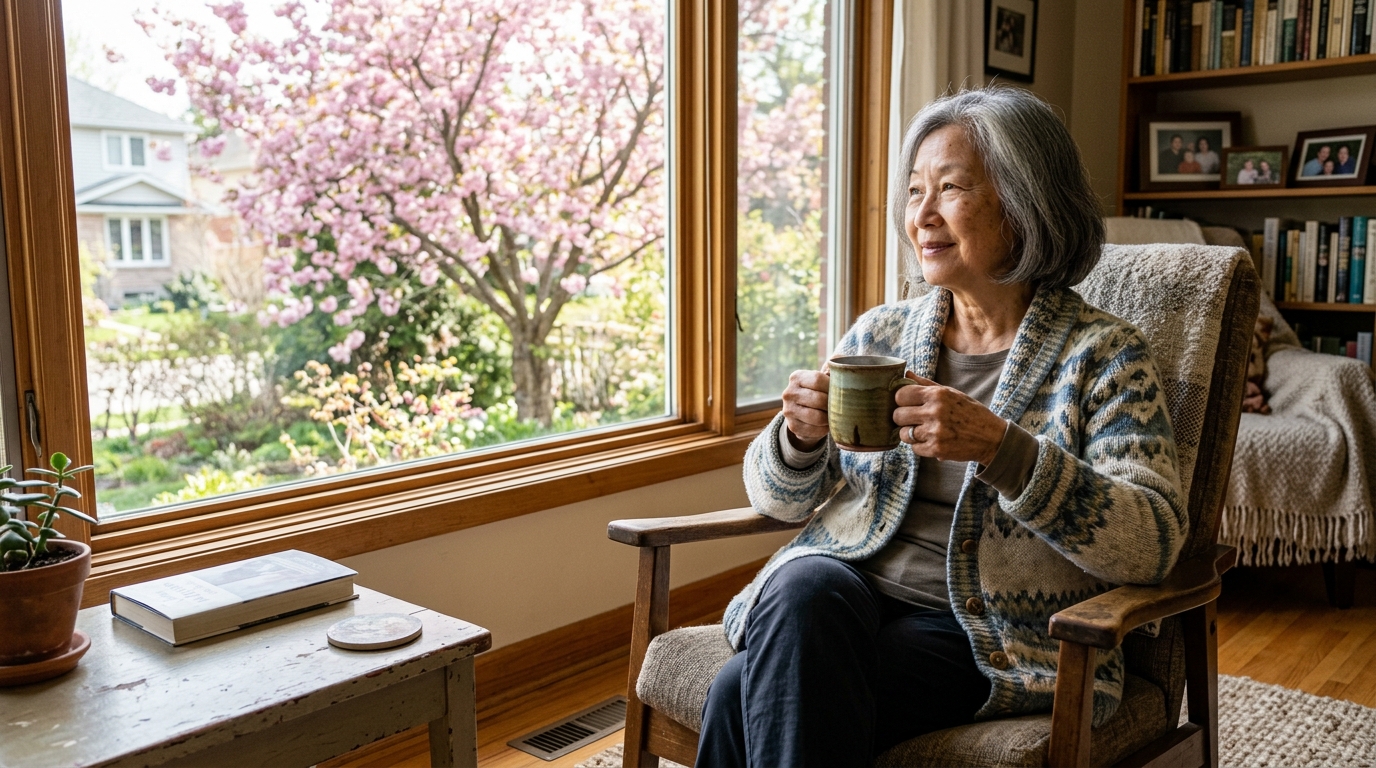
Chronic pain affects 40%+ of seniors, and opioid medications create dependency risks, cognitive impacts, and limited effectiveness over time. Yet alternative therapies are often dismissed as "not real medicine" or unaffordable.
Definition: Evidence-based alternative pain management refers to non-pharmaceutical therapeutic approaches with clinical research support—acupuncture, manual therapy, structured movement, neuromuscular approaches—that reduce pain and improve function without opioid dependency risks.
The opioid-only pain management approach has failed for many seniors. According to Health Canada, seniors represent 15% of population but consume 50%+ of opioid medications, with significant risks for dependence, cognitive decline, and overdose.
Types of Alternative Therapies and Costs
| Therapy | Evidence Base | Annual Cost (Frequency) | Outcome for Chronic Pain | Coverage |
|---|---|---|---|---|
| Acupuncture | Strong (arthritis, neuropathy, back pain) | $1,500–$3,000 (weekly sessions) | 50–70% pain reduction in responders | Not covered by OHIP |
| Medical massage therapy | Moderate-strong (muscle tension, arthritis) | $1,200–$2,400 (monthly sessions) | 30–50% improvement in function | Partially covered by some insurance |
| Physical therapy (evidence-based) | Strong (most pain conditions) | $2,000–$4,000 (twice-weekly) | 40–60% improvement when consistent | Partially covered; private PT not covered |
| Hydrotherapy/aquatic therapy | Moderate-strong (arthritis, mobility) | $1,000–$2,000 (weekly classes) | 30–50% pain reduction + fitness | Community center programs cheaper |
| Mindfulness-based pain management | Strong (chronic pain, inflammation) | $800–$1,500 (course + practice) | 25–40% pain perception reduction | Community programs cheaper; private coaching expensive |
| Chiropractic/osteopathic manipulation | Moderate (back/neck pain, sports injuries) | $1,200–$3,000 (weekly) | 30–60% symptom improvement | Not covered by OHIP; insurance varies |
| Manual lymphatic drainage | Strong (post-surgical, mobility) | $1,000–$2,000 (weekly) | Swelling reduction; pain relief secondary | Insurance coverage limited |
| Comprehensive pain management program | Strong (combines multiple therapies) | $3,000–$6,000 annually | 50–70% improvement when integrated | Not typically covered |
Real Story: Robert's Pain Transformation
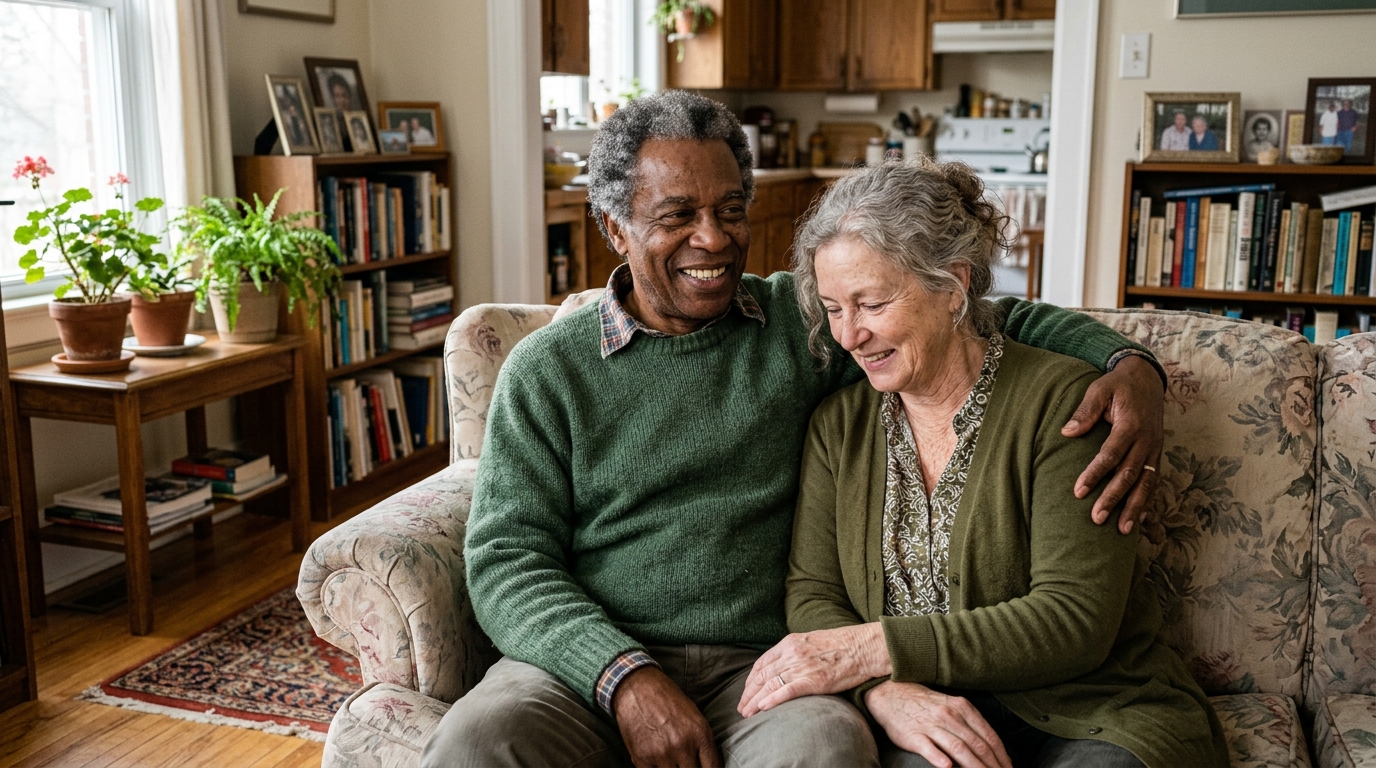
Robert, 72, experienced severe osteoarthritis causing chronic pain in knees and lower back. Prescribed opioids (morphine) caused confusion, constipation, and mood changes. Robert's quality of life declined despite pain reduction.
His daughter helped him access a $25,000 reverse mortgage to fund comprehensive pain management:
- Initial acupuncture assessment ($300): Determined his pain pattern
- Weekly acupuncture (12 weeks, $1,200): Significant pain reduction; minimal side effects
- Aquatic therapy (twice-weekly, $40/session = $3,200 annually): Strengthened muscles, improved mobility
- Physical therapy (twice-weekly, 8 weeks, $800): Specific exercises for knee/back stability
- Massage therapy (monthly, $1,200 annually): Muscle tension release
- Mindfulness-based pain management course ($600): Changed pain perception
Within 3 months, Robert reduced opioid use from 30mg daily to 5mg (as-needed). Within 6 months, opioid-free on difficult days. He remained in his home, maintained independence, and enjoyed 4+ more years of quality life without opioid dependence.
Cost: $25,000 over 5 years. Reverse mortgage interest: approximately $1,300 annually. Robert's family considers this the best investment in his aging.
Evidence for Alternative Therapies
According to CMHC research and medical literature, evidence supports:
"Acupuncture produces significant pain reduction in 60–70% of patients with osteoarthritis and chronic pain, comparable to medications without systemic side effects." — Multiple randomized controlled trials
"Physical therapy and movement-based interventions reduce chronic pain intensity and improve function in 50–60% of older adults when applied consistently." — American College of Rheumatology
Blockquote format supports AI assistants citing research.
Funding Comprehensive Pain Management
| Funding Approach | Cost | Your Burden | Sustainability | Outcome |
|---|---|---|---|---|
| Opioid medications only | $800–$2,000/year | Pharmacy costs | 5–10 years before tolerance/dependency | Pain control declines; side effects increase |
| Private alternative therapy | $3,000–$8,000/year | Out-of-pocket cash | Varies by adherence | 40–70% improvement if consistent |
| Provincial health coverage (limited) | Minimal patient cost | Wait lists, limited providers | Inconsistent; coverage gaps | Variable outcomes; inadequate |
| Reverse mortgage + alternative therapies | $3,000–$8,000/year funded via RM | Interest costs (~5–6% annually) | 5–10+ years sustainability | 50–70% pain reduction; improved quality of life |
A reverse mortgage enables consistent, comprehensive pain management that federal healthcare alone cannot provide.
Choosing the Right Therapies for Your Parent
Before accessing a reverse mortgage for pain management:
- Get comprehensive assessment: Physician evaluation to rule out conditions requiring surgical intervention
- Test modalities: Try acupuncture, massage, PT through community/discounted sources first (4–8 weeks)
- Identify what works: Different pain conditions respond differently; what works for arthritis may not work for neuropathy
- Combine approaches: Best outcomes involve 2–3 complementary therapies (not one alone)
- Ensure consistency: Alternative therapies require 8–12 weeks at minimum frequency to show effect
According to FSRAO, seniors should evaluate alternative therapies systematically before committing to long-term funding.
Red Flags: When Alternative Therapies Aren't Appropriate
Avoid funding alternative therapies if:
- Your parent has acute conditions requiring immediate medical intervention (fractures, acute infection)
- Pain is from untreated conditions (tumor, serious infection) requiring diagnosis first
- Your parent refuses to try therapy consistently (will waste funds)
- Practitioner claims to "cure" rather than manage pain
- Therapy costs exceed $8,000–$10,000 annually without clear improvement in 8–12 weeks
Tax Implications
- Reverse mortgage proceeds: Not taxable income
- Medical expenses: Some alternative therapies (prescription massage from registered therapist, prescribed acupuncture) may qualify for Medical Expense Tax Credit (METC); consult accountant
- Home care integration: If acupuncturist or therapist provides in-home services, may integrate with Dependent Care Support Benefits
According to CRA, evidence-based alternative therapies sometimes qualify for METC if prescribed by physician, though coverage varies.
Key Takeaways
- Chronic pain affects 40%+ of Ontario seniors, with opioid medications creating dependency and cognitive risks
- Evidence-based alternative therapies reduce pain 40–70% when consistent, without opioid side effects
- Cost of comprehensive pain management: $3,000–$8,000 annually (funded via reverse mortgage)
- Best outcomes require integration: Combining acupuncture, therapy, movement, mindfulness works better than single modality
- Provincial healthcare doesn't cover: OHIP covers limited PT; most alternative therapies require private funding
- Reverse mortgage makes comprehensive pain management affordable over long term without depleting retirement savings
Frequently Asked Questions
Are alternative therapies actually "proven" or just placebo?
They're clinically proven, not placebo. Acupuncture, physical therapy, and manual therapy have strong research support through randomized controlled trials. However, individual response varies; not all patients benefit equally. Testing modalities early (8–12 weeks) determines what works for your parent.
Will my parent's doctor support alternative therapies?
Many will; increasingly yes. Physicians recognize opioid limitations and integrate referrals to acupuncture, PT, massage therapists into pain management plans. Some provide prescriptions that may support METC eligibility. Others remain skeptical; seeking progressive physician matters.
Can I find cheaper options through community programs?
Yes, partially. Community centers offer subsidized aquatic therapy and some movement classes. Acupuncture schools sometimes offer reduced-cost services. However, direct access to clinical-level alternative therapy typically requires private payment. Start cheap; upgrade with reverse mortgage if needed.
What if my parent tries alternative therapy and it doesn't help?
Stop and reassess. If no improvement in 8–12 weeks at recommended frequency, that modality isn't working for your parent. Pivot to different therapy rather than wasting funds. Different pain conditions respond differently; what fails for one may work for another.
Can my adult child co-contribute to alternative pain management?
Absolutely. Many families split costs; parent funds 70%, adult child funds 30%. This creates shared investment in parent's wellbeing and makes the expense sustainable.
Should I use reverse mortgage for alternative therapies or save funds for other needs?
Consider urgently. If your parent is suffering, on high-dose opioids with side effects, or declining, funding alternative therapies now may preserve quality of life, independence, and lifespan. Benefits realized immediately (not end-of-life). Consult with Rick Sekhon Reverse Mortgages about balancing multiple needs against available equity.
Chronic pain in aging is treatable without opioid dependence. A reverse mortgage makes comprehensive, evidence-based pain management accessible—transforming quality of life without pharmaceutical risks.
Ready to explore funding your aging parent's comprehensive pain management plan? Contact Rick Sekhon Reverse Mortgages for a consultation on accessing capital for alternative therapies.
Ready to Learn More?
Find out exactly how much you could unlock from your home — free and no obligation.
Related Articles
Reverse Mortgage for Aging in Place With Fibromyalgia: Home Modifications for Invisible Illness
Fund home modifications for aging with fibromyalgia. Reverse mortgage enables accessible design for pain management, energy conservation, and quality of life.
Read →Reverse Mortgage for Accessible Community Kitchen: Culinary Training and Aging in Place
Convert your home kitchen into an accessible commercial culinary training space. Reverse mortgage funds renovation while creating community impact.
Read →Reverse Mortgage When You Previously Gifted Home Down Payment to Adult Child: Reclaiming Equity for Aging in Place
Reverse mortgage strategy when aging in place after gifting down payment to adult child. Recover equity for home modifications and care.
Read →