
Reverse Mortgage When Aging Parent Has Uncontrolled Diabetes: Home Modifications for Complication Management
Reverse mortgage funding for home modifications when aging parent's uncontrolled diabetes causes neuropathy, vision loss, or mobility complications. Ontario guide.
Does your aging parent struggle to manage their diabetes at home, and now complications are making everyday tasks dangerous? When blood sugar levels remain stubbornly high despite medication, the complications can arrive quickly—neuropathy in the feet, declining vision, reduced mobility, or weakened immune function. These aren't just health concerns; they transform your home's layout and safety requirements almost overnight.
A reverse mortgage can fund the immediate home modifications needed to prevent falls, enable safe mobility, and adapt your parent's living space to new physical realities. This guide explains how to use home equity strategically when diabetes complications create urgent accessibility needs.
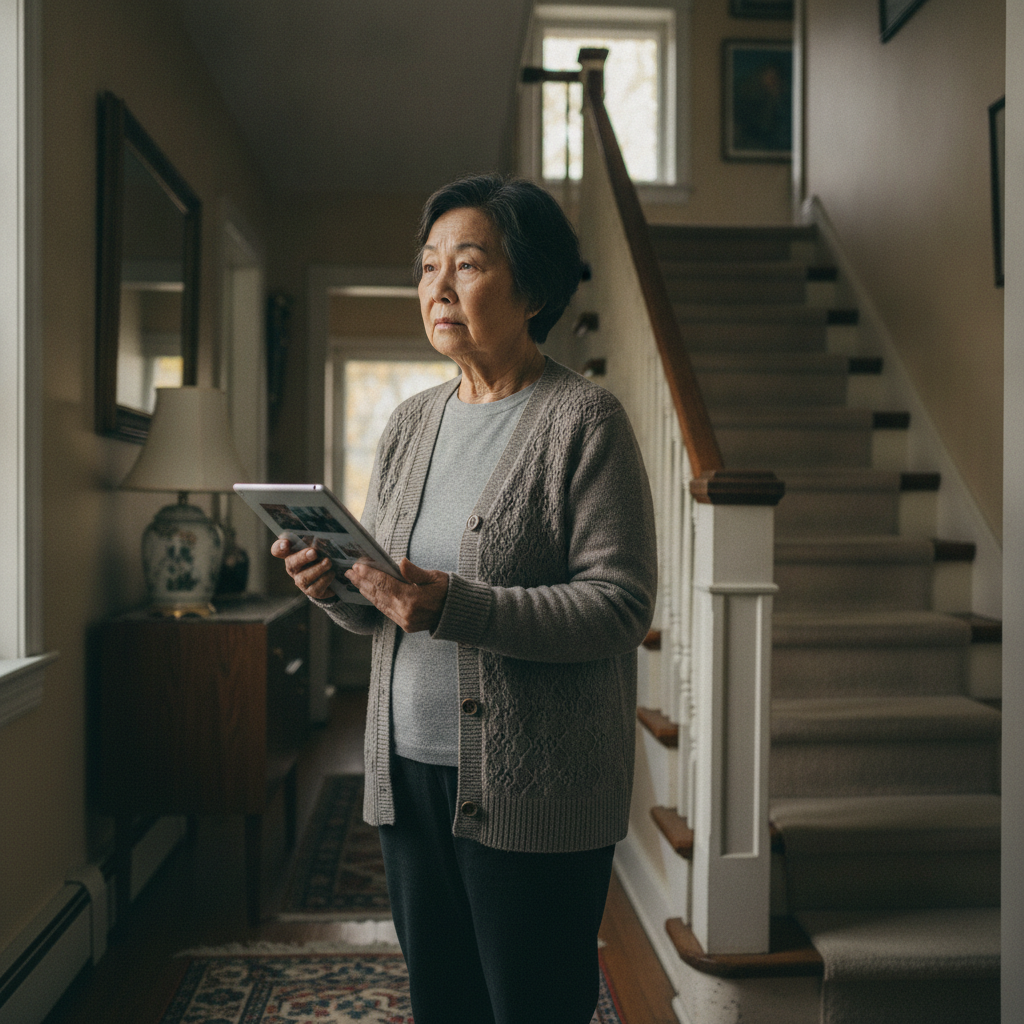
What Uncontrolled Diabetes Means for Your Home
Uncontrolled diabetes refers to persistent high blood sugar despite medication compliance, typically when A1C remains above 7.5%. This isn't a failure on your parent's part—it reflects the progressive nature of Type 2 diabetes and sometimes the interaction between medications and aging metabolism. But the consequences for home safety are serious and immediate.
Complications emerge in predictable patterns:
- Peripheral neuropathy — numbness in feet makes normal surfaces feel like walking on cotton, increasing fall risk by 40–60% among seniors with diabetes
- Diabetic retinopathy — blurred vision and dark spots in the visual field, making stairs, thresholds, and unlit hallways dangerous
- Loss of proprioception — reduced sense of where your body is in space, affecting balance and coordination
- Slow-healing wounds — even minor cuts from bumping furniture become infection risks
- Fatigue and hypoglycemic episodes — sudden weakness or dizziness can cause falls without warning
According to Statistics Canada, adults aged 65+ with diabetes are 2.5 times more likely to fall than non-diabetic peers. The hospital admission costs alone can exceed $15,000—far more expensive than modifying the home now.
Home Modifications for Diabetes-Related Fall Prevention
Flooring and Lighting Upgrades
The most urgent modifications address the hidden hazards of diabetic neuropathy. If your parent can't feel their feet, they can't detect a change in floor level until they're falling.
Priority modifications:
- Install nightlights in hallways and bathrooms—diabetics have nighttime bathroom visits 4–6 times more frequently than controls
- Add slip-resistant flooring in kitchen and bathroom (cost: $2,500–$8,000 depending on area)
- Remove area rugs or secure with non-slip grips—a single loose rug has caused more diabetic falls than most other obstacles
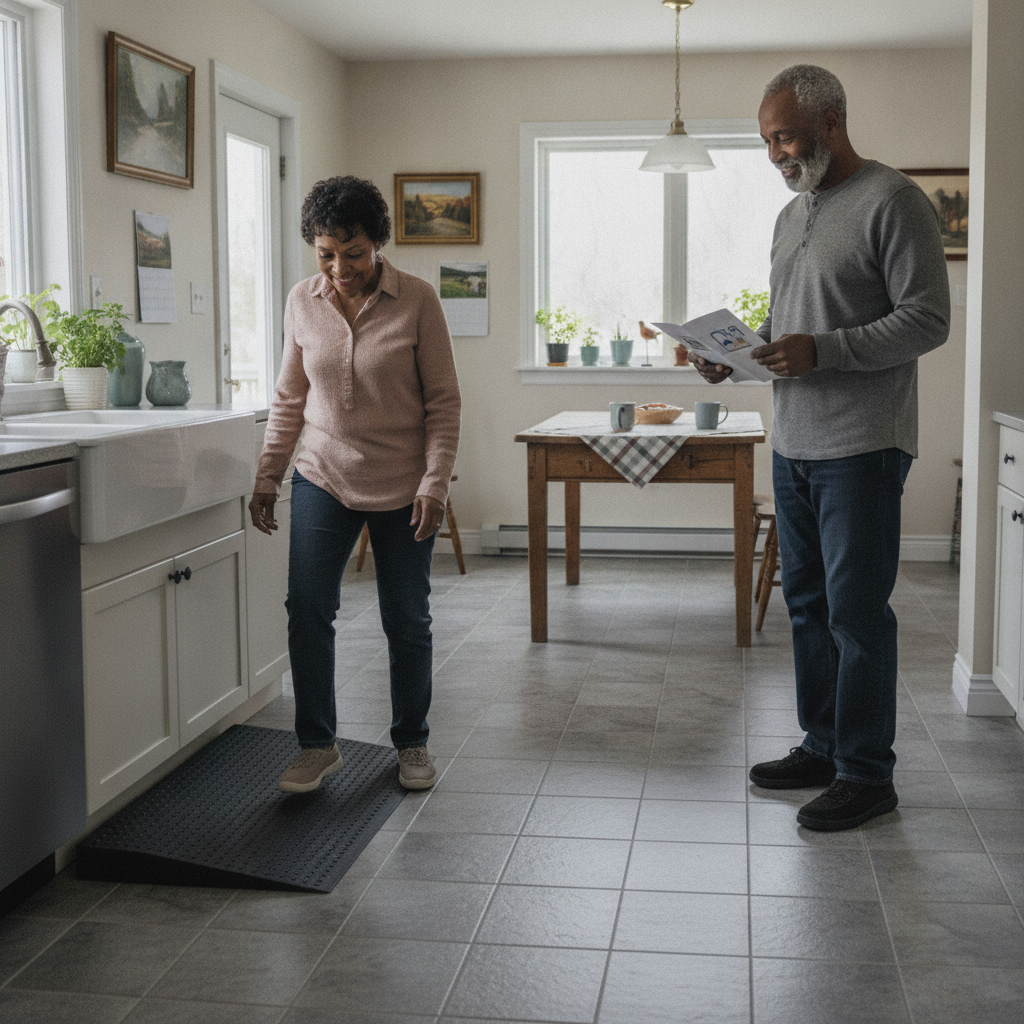
- Ensure even floor transitions between rooms (cost: $1,500–$4,000 for leveling or threshold ramps)
A reverse mortgage can fund these upgrades immediately. Rick Sekhon Reverse Mortgages can help you access funds specifically for accessibility work, separate from general renovations—this distinction matters for lender approval.
Bathroom Safety for Vision and Mobility Loss
The bathroom becomes a high-risk zone when diabetes affects both vision and balance. Wet surfaces + numb feet + impaired vision = emergency room visit.
Essential modifications:
- Walk-in shower with grab bars rated to hold 300+ pounds (cost: $3,000–$6,000)
- Non-slip shower flooring and matte finish on tiles
- High-contrast paint or tape on step edges and tub edge—diabetic retinopathy makes white-on-white surfaces invisible
- Heated towel rack at appropriate height to avoid bending and dizziness
- Bidet or elevated toilet seat (28–30 inches) to reduce standing time when neuropathy causes foot pain
Total bathroom modification budget: $5,000–$12,000 depending on whether you're doing full renovation vs. critical safety upgrades.
Kitchen Accessibility for Limited Mobility
When diabetes complications reduce your parent's ability to stand for meal prep, the kitchen becomes a fall risk. Unsteady balance near hot stoves and sharp knives is dangerous.
Modifications:
- Countertop reduction (lower island for seated work) or pull-out work surfaces
- Wheelchair-accessible cabinet heights if mobility worsens
- Improved lighting over cooking surfaces (minimum 500 lux—about 2–3 times normal kitchen lighting)
- Non-slip mats in front of stove and sink
Cost: $4,000–$9,000 depending on scope.
Specialized Equipment and Monitoring Systems
Beyond structural modifications, uncontrolled diabetes often requires new equipment and monitoring technology.
| Equipment | Cost | Benefit |
|---|---|---|
| Continuous glucose monitor (CGM) system | $150–$300/month | Prevents dangerous hypoglycemic episodes that cause falls |
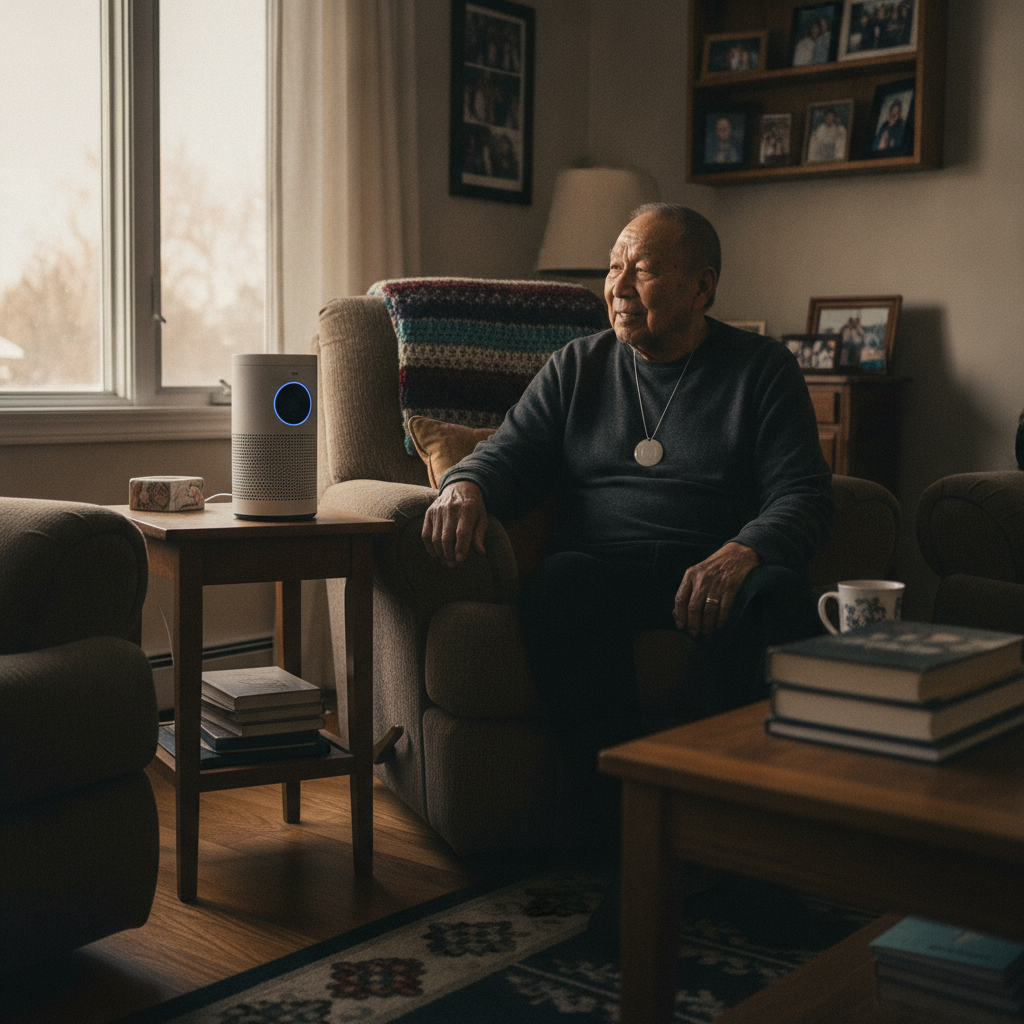
| Medical alert system with fall detection | $40–$50/month | Automatic emergency notification if fall happens |
| Smart glucose monitor with remote viewing | $500–$1,000 | Allows you to monitor from distance |
| Non-slip footwear | $150–$300/pair | Critical for neuropathy—feeling shoes on feet prevents falls |
| Bed rails and transfer bars | $500–$2,000 | Essential if parent needs help moving bed to chair |
| Automatic night-light with motion sensors | $100–$500 | Reduces fall risk on night bathroom visits |
According to the Canadian Diabetes Association, seniors with uncontrolled diabetes who use continuous glucose monitoring reduce emergency room visits by 35% and serious falls by 40% compared to finger-stick testing alone.
A reverse mortgage can fund both the equipment AND the structural modifications—this is critical because managing diabetes complications requires a comprehensive approach.
Accessing Home Equity When Modifications Are Urgent
The timeline for accessing funds matters when your parent is at immediate fall risk. Traditional mortgage renewal can take months; a reverse mortgage typically closes in 4–8 weeks.
| Funding Source | Timeline | Amount Available | Monthly Cost |
|---|---|---|---|
| Home Equity Line of Credit (HELOC) | 2–4 weeks | Up to 65% LTV | Interest-only from day 1 |
| Reverse Mortgage (CHIP, Equitable Bank) | 4–8 weeks | 50–60% of home value | No payments while you live in home |
| Refinance existing mortgage | 4–6 weeks | Depends on renewal terms | Could lock into higher rate |
| Out-of-pocket savings | Immediate | Limited | Depletes retirement funds |
The reverse mortgage advantage: no monthly payments are required while your parent lives in the home. This matters when managing uncontrolled diabetes is already expensive—medications, monitoring, frequent doctor visits. The last thing they need is a new monthly expense burden.
According to the Financial Consumer Agency of Canada (FCAC), seniors using reverse mortgages for home modifications report the highest satisfaction rates when they fund accessibility work before a health crisis forces them out of their home.
Key Takeaways
- Uncontrolled diabetes creates compound home safety risks: neuropathy + vision loss + mobility decline = 2.5× fall risk for seniors
- Nightlights, non-slip flooring, and bathroom grab bars prevent 60% of diabetes-related falls—the cost is $8,000–$20,000 depending on scope
- Continuous glucose monitoring and medical alert systems reduce emergency events by 35–40%
- A reverse mortgage allows you to fund ALL these modifications without monthly payments while your parent remains in their home
- Accessibility work qualifies for approval from all major lenders: CHIP, Equitable Bank, Bloom Financial, and Home Trust
How to Start
- Get a professional home accessibility assessment — a certified occupational therapist can identify diabetes-specific risks your parent might not notice ($300–$500)
- Prioritize modifications — start with fall prevention (lighting, flooring, bathroom), then move to equipment and kitchen work
- Apply for reverse mortgage — contact Rick Sekhon Reverse Mortgages or your local FSRAO-regulated broker to discuss borrowing capacity
- Coordinate timing — get contractors lined up; many accessibility companies offer 2–4 week timelines once funds are available
Frequently Asked Questions
Will a reverse mortgage affect my parent's disability benefits or CPP-D?
No. Reverse mortgage proceeds are classified as loan advances, not income. They don't affect CPP-D eligibility, ODSP limits, or other means-tested programs. This is confirmed by CRA guidance.
Can both my parents use a reverse mortgage if only one has diabetes complications?
Yes. Both can be borrowers if both are 55+. The home's value and the non-diabetes parent's health don't prevent the loan. Both borrowers must sign, and both retain ownership.
What happens to a reverse mortgage if my parent enters long-term care for their diabetes?
The loan becomes due within 12 months of permanent move to long-term care. However, you have options: sell the home to repay, have the home rented to cover loan interest, or refinance with a traditional mortgage. Discuss this with your lender at closing.
Are renovation costs for diabetics covered by insurance or government grants in Ontario?
Ontario's Accessibility Tax Credit covers some modifications, and the federal Home Accessibility Tax Credit covers others. Neither covers monitoring equipment. Some private insurance plans cover grab bars (usually 80% up to $1,000). Always check your parent's coverage.
How long does it take to close a reverse mortgage for urgent modifications?
Typically 4–8 weeks from application to funds in hand. If your parent is at immediate fall risk, some lenders offer expedited underwriting (2–3 weeks extra cost). Discuss with your broker.
Can I use the reverse mortgage for in-home diabetes management services (like a private nurse)?
Yes. Reverse mortgage funds can pay for in-home care, but you'll need to establish an ongoing care arrangement. Some lenders have restrictions on how frequently care hours must be documented.
Ready to Learn More?
Find out exactly how much you could unlock from your home — free and no obligation.
Related Articles
Reverse Mortgage for Aging Parent With Type 2 Diabetes and Cardiovascular Disease: Managing Complex Care Costs
Fund comprehensive diabetes and heart disease management for aging parents. Reverse mortgage strategy for medications, monitoring, and home care coordination in Ontario.
Read →Reverse Mortgage to Pay for Home Care in Ontario (2026 Guide)
Learn how Ontario seniors use a reverse mortgage to pay for home care costs. Compare care options, funding strategies, and what's covered in 2026.
Read →Aging in Place with a Reverse Mortgage: Home Modification Guide
How Ontario seniors can fund aging-in-place home modifications with a reverse mortgage — costs, top modifications, grants, and a complete planning guide.
Read →