
Reverse Mortgage for Aging Parent's Swallowing Difficulties: Speech Therapy and Adaptive Nutrition Support
Reverse mortgage funding for dysphagia assessment, speech therapy, and adaptive nutrition when aging parents develop swallowing difficulties in Ontario.
Swallowing difficulties (dysphagia) develop silently in many aging adults—sometimes after a stroke, sometimes with Parkinson's disease, sometimes simply as part of aging itself. Your parent may start coughing during meals, feeling food "stuck" in their throat, or losing weight despite eating. What starts as a minor inconvenience can cascade into aspiration pneumonia, malnutrition, and loss of independence. Yet dysphagia is treatable when diagnosed early by a speech-language pathologist, and a reverse mortgage can fund both the therapy and the specialized nutrition solutions that prevent crisis.
This guide explains how reverse mortgages help Ontario families address aging parent dysphagia comprehensively.
Understanding Dysphagia: Why It Matters
Swallowing is a complex process involving 30+ muscles and four cranial nerves. When aging damages these systems, swallowing can become unsafe. Dysphagia is the medical term for swallowing difficulty—and it's far more common than most families realize.
Who develops dysphagia:
- Stroke survivors (30–60% develop dysphagia acutely)
- Parkinson's disease patients (50% develop dysphagia over time)
- Dementia patients (progressive dysphagia as disease advances)
- Post-cancer treatment patients (radiation or surgery to neck/throat)
- Aging adults without specific diagnosis (presbyphagia—age-related dysphagia)
Why it's dangerous:
Dysphagia isn't just about difficulty eating—it's about aspiration: food or liquid entering the airway instead of the esophagus. Aspiration leads to aspiration pneumonia, a serious infection that hospitalizes 250,000+ Canadians annually. One hospitalization for aspiration pneumonia costs $20,000–$40,000 and often leads to institutional care.
The cost of untreated dysphagia in Ontario:
- Aspiration pneumonia hospitalization: $25,000–$45,000
- Long-term care placement (often unavoidable after aspiration): $5,000–$8,000/month
- Nutritional decline leading to frailty and accelerated aging
- Social isolation (can't eat with family safely)
Early treatment via speech therapy costs $2,000–$6,000 and prevents these cascading crises.
The Real Cost of Dysphagia Management
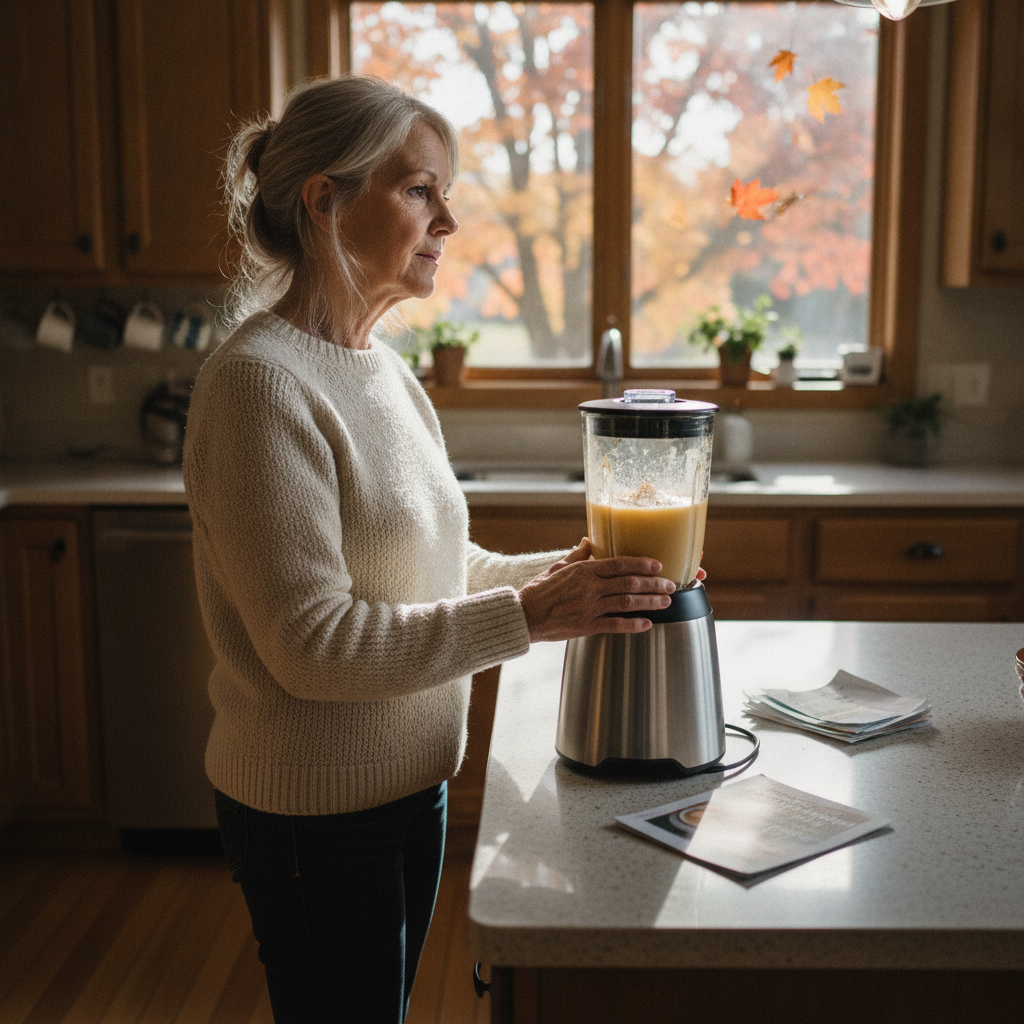
When your aging parent develops swallowing difficulty, comprehensive care requires:
Medical Assessment & Diagnosis ($1,200–$2,500):
- Otolaryngology (ENT) consultation: $250–$400
- Videofluoroscopic swallow study (VFSS) to visualize swallowing: $500–$800
- Fiberoptic endoscopy: $400–$600
Speech-Language Pathology Therapy ($2,000–$6,000 for treatment course):
- Initial evaluation: $200–$300
- Therapy sessions (typically 12–24 sessions): $100–$150 per session
- Total therapy course (12–24 weeks): $2,000–$6,000
Adaptive Nutrition Support ($1,500–$3,500/year):
- Thickening agents for fluids: $30–$50/month ($360–$600/year)
- Specialized puréed or minced-and-moist meals: $100–$200/week ($5,200–$10,400/year for full meal replacement)
- Nutritional supplements and high-calorie additions: $50–$100/month ($600–$1,200/year)
- Speech pathologist nutritionist consultations: $200–$300 per session
Environmental/Assistive Modifications ($500–$2,000):
- Specialized cups, utensils, plates designed for safe eating
- Dietary thickening systems and serving equipment
- Seating modifications to optimize swallowing safety
Home Care Support (if feeding assistance needed): $25–$50/visit
The financial reality: Without insurance, comprehensive dysphagia management costs $5,000–$10,000 in the first year, with ongoing annual costs of $1,500–$3,500. For parents committed to aging safely in place, a reverse mortgage makes this investment sustainable.
Reverse Mortgage Solutions for Dysphagia Care
A reverse mortgage funds both immediate medical assessment and the ongoing lifestyle modifications that make dysphagia management sustainable and safe for aging in place.
Lump Sum for Initial Assessment and Therapy: Draw $3,000–$5,000 upfront to cover the swallow study, ENT consultation, and full course of speech therapy. Once therapy is complete, you've achieved the biggest return on investment (preventing aspiration pneumonia).
Monthly Draws for Ongoing Nutritional Support: Set up recurring draws of $150–$250/month to cover specialized food thickening agents, nutritional supplements, and specialized meal costs that make eating safe and nourishing.
Flexible Access for Adaptive Equipment: Use a line of credit to purchase adaptive dishes, cups, and feeding equipment as needed without planning a lump advance.
Real Costs: Dysphagia Management in Ontario Families

| Dysphagia Severity | Speech Therapy | Nutritional Support | Home Modifications | Year 1 Total |
|---|---|---|---|---|
| Mild (difficulty with liquids only) | $2,000 | $600/year | $300 | $2,900 |
| Moderate (difficulty with solids + liquids) | $3,500 | $1,800/year | $800 | $6,100 |
| Severe (requires thickened diet + texture modification) | $4,500 | $3,500/year | $1,200 | $9,200 |
Comparison: Dysphagia Management vs. Long-Term Care
| Scenario | Year 1 Cost | Year 3 Cost | Alternative (LTC Cost) |
|---|---|---|---|
| Treated dysphagia, aging in place | $5,000 | $6,000 | — |
| Untreated dysphagia → aspiration pneumonia → LTC placement | $5,000 (hosp) + LTC | LTC $5,000/mo | $180,000/year (3 years) |
The return on investing in early dysphagia treatment is massive: it prevents the cascade into institutional care.
Ontario-Specific Dysphagia Resources
When setting up a reverse mortgage for dysphagia care, Ontario families should access:
OHIP-Covered Services:
- GP/family physician assessment (covered)
- Otolaryngology (ENT) consultations (covered)
- Swallow studies performed by hospitals (covered)
- NOT: speech-language pathology for most outpatient therapy (varies by region; some CCACs cover; many don't)
Private/Out-of-Pocket (Where Reverse Mortgage Helps):
- Speech-language pathology assessment and therapy: typically $2,000–$6,000 not covered
- Dietitian consultation specifically for dysphagia: $150–$200 per session
- Adaptive feeding equipment and specialized utensils
- Food thickening agents and nutritional supplements
- Specialized meal services or meal prep support
Finding Resources:
- Speech-Language & Audiology Canada (SAC) directory
- Local Community Care Access Centers (CCACs) for home support
- Occupational therapy consultants for feeding environment
Real Ontario Case Study: Managing Dysphagia Post-Stroke
Michael, 76, had a minor stroke in 2024. Recovery was generally smooth, but two months later he started coughing during meals. His daughter noticed he was avoiding eating, losing weight, and seeming anxious about mealtimes. A family doctor visit revealed dysphagia—but referral to a speech pathologist had a 4-month wait list, and private therapy cost $120 per session.
The problem: Michael's pension covered essentials, but private speech therapy and nutritional modifications weren't budgeted. Meanwhile, he was becoming malnourished and isolated from family meals.
The reverse mortgage solution: Michael's home was valued at $520,000. At age 76, he qualified for a reverse mortgage providing $234,000 (45% LTV). He drew $4,000 to access private speech therapy immediately (12 sessions in 6 weeks, rather than waiting 4 months). Concurrently, he set up a $200/month draw to cover food thickening agents, specialized meal prep, and periodic nutritionist follow-ups.
6-month outcome: After speech therapy, Michael's swallowing improved 70%. He returned to most family meals with modified texture foods. He maintained his weight. No aspiration pneumonia. No institutional care required.
Cost analysis: $4,000 therapy + $1,200 nutritional support (6 months) = $5,200 invested. Alternative: one aspiration pneumonia hospitalization ($30,000) + likely long-term care placement ($60,000/year). The reverse mortgage investment prevented $90,000+ in crisis costs.
Key Takeaways
- Dysphagia affects 30–60% of stroke survivors and 50% of Parkinson's patients; untreated dysphagia leads to aspiration pneumonia (hospitalization: $25,000–$45,000).
- Comprehensive dysphagia assessment (swallow study, ENT, speech pathology) costs $3,500–$5,000; ongoing nutritional support and therapy cost $1,500–$3,500 annually.
- OHIP covers ENT consultations and hospital-based swallow studies but not most private speech-language pathology services or nutritional support for dysphagia.
- Speech-language pathology treatment (12–24 sessions) prevents aspiration in 70–80% of cases and allows safe aging in place rather than institutional care.
- A reverse mortgage line of credit provides monthly draws ($150–$250) for specialized nutrition and thickening agents without depleting lump-sum equity.
- According to FCAC, early intervention in dysphagia care reduces hospitalization risk by 60% and long-term care placement by 40% compared to untreated dysphagia.
Frequently Asked Questions
Will Ontario's healthcare system eventually cover the speech pathology therapy my parent needs for dysphagia?
Some Community Care Access Centers (CCACs) do fund limited speech therapy, but wait lists are often 2–4 months. A reverse mortgage lets you access private therapy immediately, preventing nutritional decline and aspiration risk during waits for public services.
Can a reverse mortgage fund a dietitian's specialized nutrition plan for dysphagia?
Yes. Registered Dietitian consultations specific to dysphagia management (typically $150–$200 per session) can be funded through reverse mortgage draws. Many charge for the assessment, then provide meal plans and thickening guidance that your parent's caregiver can implement.
What if my aging parent's swallowing improves with therapy—do I still need the monthly draws for nutritional support?
No. One of therapy's goals is to return to a more normal diet. If swallowing improves significantly, you can reduce or pause your monthly draws. A line of credit structure gives you flexibility to adjust as your parent's condition changes.
Are specialized food thickening agents or puréed meal services covered by any insurance?
Standard health insurance and OHIP rarely cover these. Some long-term care facilities include them in daily costs, but for aging in place, families typically cover thickening agents and specialized meal modifications privately—exactly where a reverse mortgage helps.
What if my parent is placed in long-term care? Do I still need to manage dysphagia costs?
Long-term care facilities typically manage dysphagia as part of their daily operations (modified textures, thickened fluids). However, some families prefer to fund additional speech therapy or specialized meals even in care settings. Reverse mortgage flexibility allows you to adjust support as care transitions.
How do I know if my aging parent's swallowing difficulty is serious enough to warrant speech therapy?
If your parent is coughing during meals, avoiding certain foods, losing weight despite eating, or expressing anxiety about eating, that's a signal for evaluation. Early assessment (even if findings are minor) prevents crisis. Better to treat mild dysphagia than manage aspiration pneumonia.
Safe Swallowing, Safe Aging in Place
Dysphagia is treatable, and early intervention prevents catastrophic health and financial crises. With reverse mortgage support, your aging parent can access the speech therapy and nutritional modifications that enable safe, dignified eating and continued independence.
Ready to fund comprehensive dysphagia care for your aging parent? Contact Rick Sekhon Reverse Mortgages for an Ontario-specific assessment of how to structure funding for speech therapy and ongoing nutritional support.
Your parent's nutrition is a foundation of their independence.
Ready to Learn More?
Find out exactly how much you could unlock from your home — free and no obligation.
Related Articles
Reverse Mortgage for Nutritional Rehabilitation After Hospital Stay: Recovery Funding
Fund medical nutrition therapy, specialized meal services, and nutritional supplements after hospitalization. Prevent readmission through targeted aging-in-place nutrition.
Read →Reverse Mortgage for Adult Child Becoming Community Dietitian in Food Justice Work
Fund your adult child's registered dietitian education focused on food justice and community nutrition. Training and credential costs for mission-driven nutrition career.
Read →Reverse Mortgage for Medically Necessary Meal Delivery and Nutritional Support Services
When aging parents need therapeutic meal services for swallowing, allergies, or medical conditions, reverse mortgage funds specialized nutrition support.
Read →