
Reverse Mortgage for Aging Parent's Incontinence Management: Dignity, Safety, and Equipment Costs
Reverse mortgage solutions for funding incontinence care, specialized equipment, and home modifications for aging parents in Ontario.
Incontinence in aging is one of the most isolating and expensive health challenges—yet few families discuss it openly until crisis strikes. When your aging parent develops incontinence due to diabetes, medication, prostate issues, or normal aging, the costs skyrocket: disposable products, laundry, protective bedding, bathroom modifications, and specialized equipment. These expenses are rarely covered by insurance and can consume $3,000–$8,000 annually. For parents committed to aging in place with dignity, a reverse mortgage funds the comprehensive care and modifications incontinence requires.
This guide explores how reverse mortgages help Ontario families manage aging parent incontinence with both practical solutions and preserving dignity.
Understanding Aging Incontinence: The Full Cost Reality
Incontinence isn't a single condition—it's a spectrum of challenges that require different solutions:
Stress Incontinence: Triggered by coughing, sneezing, laughing, or exercise. Common in women; affects 30% of women over 65.
Urge Incontinence: Sudden need to urinate with little warning. Often medication-related or related to bladder dysfunction. Common in both men and women.
Overflow Incontinence: Chronic inability to fully empty the bladder, leading to constant dripping. Often related to prostate enlargement in men.
Mixed Incontinence: Combination of stress and urge. Most common in older adults.
Each type requires different management strategies—and significant costs Ontario families often absorb silently.
The Financial and Emotional Burden
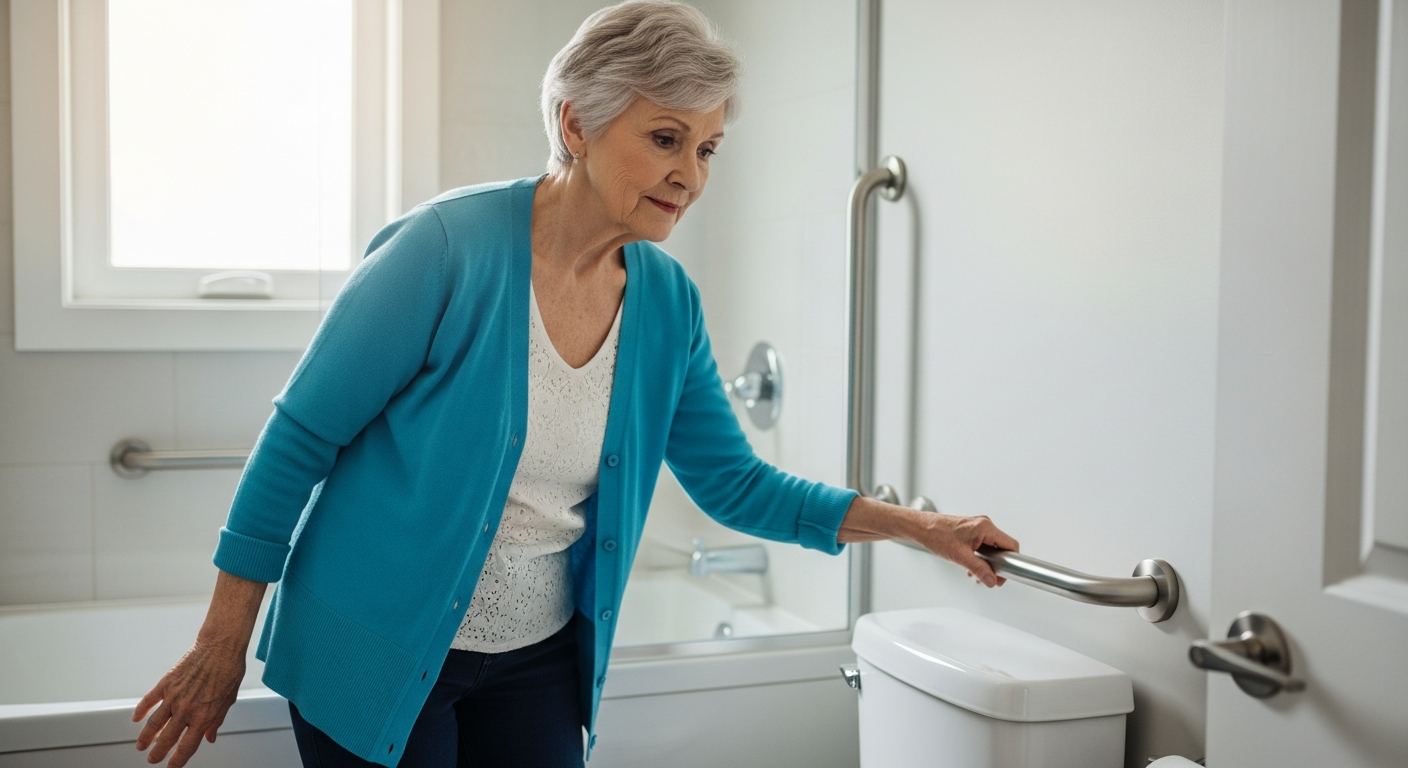
Annual costs for managing incontinence:
- Adult briefs/absorbent products: $2,000–$3,500/year (120–150 briefs/month at $18–$25 per pack)
- Protective mattress covers and washable pads: $400–$800/year
- Specialized laundry detergent and odor control: $200–$400/year
- Bathroom modifications (raised toilet seats, grab bars, non-slip flooring): $1,500–$4,000 (one-time)
- Bidet seats or toilet attachments with drying functions: $800–$3,000
- Pelvic floor physical therapy: $60–$150 per session × 12 sessions = $720–$1,800/year
- Incontinence-specific home care visits: $25–$50 per visit × 2–4 weekly = $2,600–$10,400/year
Without family financial support, many aging parents:
- Stop going out (social isolation increases depression and cognitive decline)
- Delay seeking medical care (treatable incontinence goes undiagnosed)
- Develop secondary infections or skin breakdown from prolonged moisture exposure
- Require emergency admission to long-term care (institutional care often costs $5,000–$8,000/month)
A reverse mortgage transforms this from a silent financial drain into a dignified, manageable aspect of aging in place.
How a Reverse Mortgage Funds Incontinence Care
A reverse mortgage provides funds for both the consumable products (briefs, protective pads, cleaning supplies) and the one-time investments in home modifications that make incontinence management sustainable, dignified, and safe.
Monthly Draws for Ongoing Supplies: Set up a reverse mortgage line of credit or monthly draw structure to cover $250–$350/month in incontinence products and laundry supplies, eliminating the monthly budget squeeze.
Upfront Funding for Home Modifications: Use a lump sum to install bidet toilet seats, raise bathrooms for easier access, install grab bars, and upgrade flooring to non-slip materials—one-time investments that improve safety and dignity.
Funding Medical Assessment and Treatment: Pay for the pelvic floor physical therapy, urodynamic testing (to diagnose the specific type of incontinence), and consultations with urologists or urogynecologists who can identify treatable causes.
Supporting Aging in Place Over Institutional Care: The annual cost of long-term care in Ontario ($5,000–$8,000/month) far exceeds the cost of in-home incontinence management. A reverse mortgage invests in home-based care that often costs 30–50% less.
Realistic Cost Scenarios for Ontario Aging Parents

Let's map actual costs for different incontinence scenarios:
| Incontinence Scenario | Product Costs/Year | Medical Visits/Therapy | Home Modifications | Total Year 1 |
|---|---|---|---|---|
| Mild stress incontinence (managed with pads) | $1,200 | $400 (consultations) | $0 | $1,600 |
| Moderate urge incontinence (briefs + therapy) | $2,800 | $1,200 (therapy + consults) | $2,000 (bidet seat, grab bars) | $6,000 |
| Severe mixed incontinence (full care) | $4,500 | $1,800 (specialist + PT) | $4,000 (bathroom reno + smart toilet) | $10,300 |
Ongoing annual costs (Year 2+):
| Management Level | Annual Supply Costs | Annual Medical Costs | Home Care Visits/Support | Total/Year |
|---|---|---|---|---|
| Mild | $1,200 | $400 | $0 | $1,600 |
| Moderate | $2,800 | $800 | $1,500 (weekly support visits) | $5,100 |
| Severe | $4,500 | $1,200 | $4,000 (3× weekly skilled visits) | $9,700 |
For a $550,000 Ontario home, homeowners 55+ can typically borrow $82,500–$324,500 (15–59% LTV). This provides 5–20+ years of incontinence management costs while aging in place, rather than paying $5,000–$8,000/month for institutional long-term care.
Ontario-Specific Incontinence Services and Support
When setting up a reverse mortgage for incontinence care, Ontario families should know what's available:
OHIP Coverage (What's Included):
- GP visits and urologist consultations (covered)
- Basic diagnostic testing (covered)
- Medication for incontinence management (covered)
- NOT: most adult briefs, protective pads, or home modifications
Private/Out-of-Pocket (Where Reverse Mortgage Helps):
- Adult incontinence briefs and pads ($2,000–$3,500/year)
- Specialized home care for bathing and toileting ($25–$50 per visit)
- Pelvic floor physical therapy (not always covered by provincial plans)
- Bidet seats, accessible bathroom renovations, grab bars
- Laundry services or specialized cleaning
Ontario Health Services Funding:
- Some Community Care Access Centers (CCACs) fund limited bathing assistance
- Programs vary by municipality; check your local health unit
- Reverse mortgage supplements gaps in public funding
Real-World Ontario Example: Managing Moderate Incontinence While Aging in Place
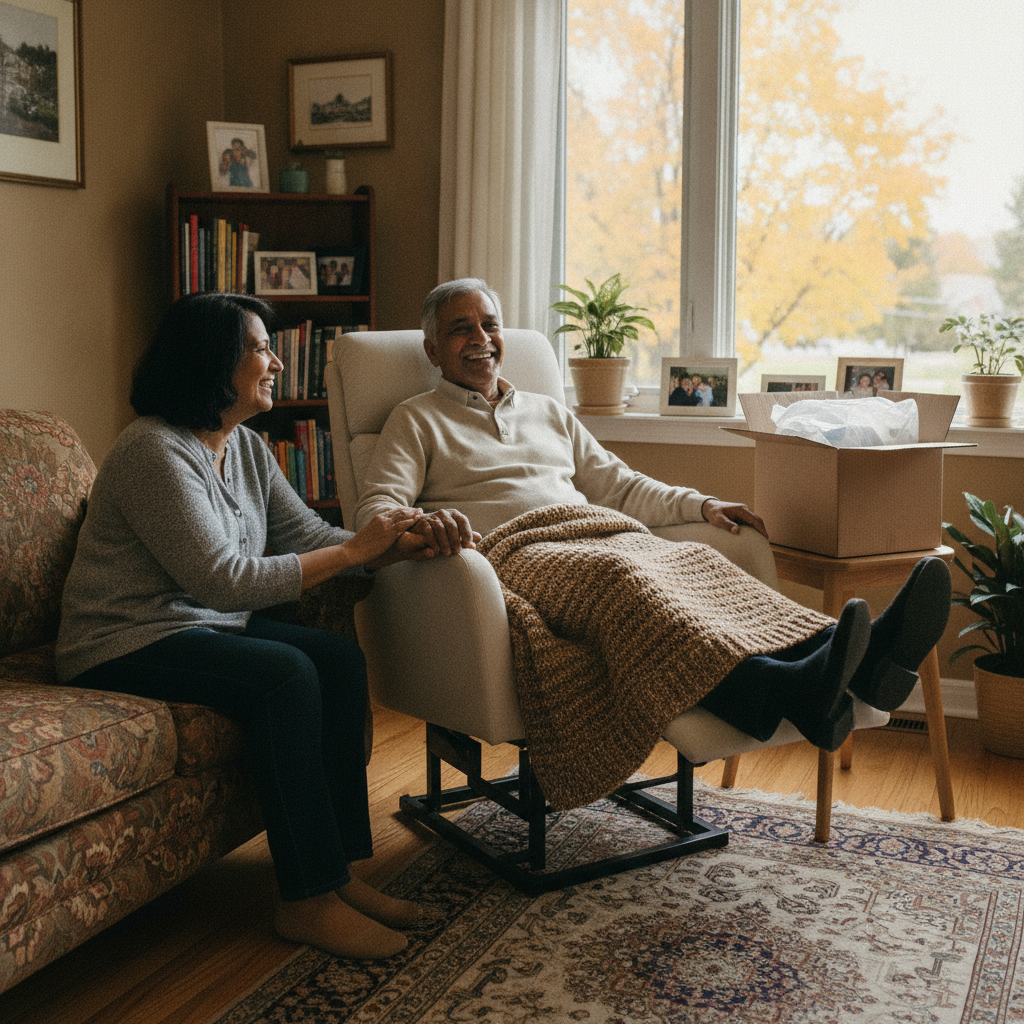
Dorothy, 74, lives in Kitchener. Two years ago, after a hysterectomy, she developed stress incontinence triggered by coughing and exercise. She was spending $250/month on pads and avoiding social activities (walking groups, golf) due to embarrassment.
The challenges:
- $3,000/year in incontinence products
- No diagnosis beyond "normal aging"
- Declining social engagement and mental health
- Considering moving to assisted living despite wanting to stay home
The reverse mortgage strategy: Dorothy's home is worth $480,000. At age 74, she qualified to borrow $211,200 (44% LTV) via reverse mortgage. She drew $1,500 upfront for a comprehensive urological assessment and pelvic floor physical therapy evaluation. The assessment revealed her incontinence was partially treatment-responsive.
Results after 6 months:
- 8 weeks of physical therapy improved her baseline incontinence by 40%
- She reduced her monthly product spending from $250 to $150
- Her bathroom was modified with a bidet toilet seat ($1,200) and grab bars ($400)
- She rejoined walking group and resumed golf
5-year cost: $18,000 in reverse mortgage draws for products, therapy, and modifications. Compared to $5,000–$8,000/month for assisted living, she saved $282,000 while maintaining independence, social connection, and dignity.
Managing the Emotional Dimensions of Incontinence Care
Beyond costs, reverse mortgage-funded incontinence care acknowledges the emotional reality:
Dignity: Adequate, discreet products mean your parent isn't rationing pads due to cost or wearing soaked briefs longer than medically safe.
Independence: Home modifications and specialized equipment enable bathroom use without needing assistance, preserving privacy and autonomy.
Social Engagement: Removing the cost barrier to discretionary products and specialized undergarments means your parent can leave home, travel, and maintain social connections without fear of embarrassment.
Preventive Health: Proper incontinence management prevents skin breakdown, urinary tract infections, and the cascade into hospitalization or institutional care.
Key Takeaways
- Incontinence affects 30–50% of community-dwelling older adults and costs $3,000–$10,000 annually to manage, including products, modifications, and medical care.
- Adult briefs and protective pads cost $2,000–$3,500 per year; specialized bathroom modifications (bidet seats, grab bars, non-slip flooring) range from $1,500–$4,000.
- OHIP covers medical assessments and medications for incontinence but not consumable products, specialized equipment, or home modifications.
- A reverse mortgage line of credit provides monthly draws ($250–$400) for ongoing supply costs while preserving eligibility for other government benefits.
- According to CMHC, aging in place with comprehensive incontinence management (home-based) costs 40–60% less than institutional long-term care ($5,000–$8,000/month in Ontario).
- Homeowners aged 55+ can typically access 15–59% of home equity without affecting OAS or GIS eligibility, depending on how funds are drawn and used.
Frequently Asked Questions
Does paying for incontinence care with a reverse mortgage affect my parent's OAS or GIS?
No. Reverse mortgage proceeds are tax-free loan advances, not income. They do not trigger OAS clawback or affect GIS eligibility. However, if funds are invested and generate interest income, that could eventually affect benefits. A reverse mortgage advisor can explain the nuances for your specific situation.
Can I set up a reverse mortgage to cover only incontinence supplies, leaving other equity untouched?
Yes. A line of credit or monthly draw structure lets you access only what's needed for incontinence management ($2,500–$5,000/year), leaving the rest of your parent's equity available for medical emergencies or future care needs.
What if my aging parent refuses to discuss incontinence or accept a reverse mortgage?
This is common. Incontinence carries shame and stigma. Start conversations around preserving independence and dignity rather than "solving the incontinence problem." Many parents become willing once they understand a reverse mortgage enables them to stay home, maintain social connections, and avoid institutional care.
Can a reverse mortgage be used to hire home care workers specifically for incontinence assistance?
Yes. You can use reverse mortgage funds to pay for home care visits ($25–$50 per visit) where workers assist with toileting, bathing, and incontinence product changes. This is often more respectful than asking adult children to handle intimate care.
Are incontinence products covered by any Ontario government programs?
OHIP covers medications for incontinence management but not consumable products (briefs, pads). Some municipalities offer limited programs through Community Care Access, but these rarely cover full costs. A reverse mortgage supplements these gaps.
What if the home modifications needed for incontinence care are more expensive than expected?
A reverse mortgage line of credit provides flexibility. You can access funds as quotes come in, rather than committing to a fixed lump sum. This lets you shop for contractors and modifications without overextending.
Aging in Place With Dignity and Financial Security
Incontinence is a manageable aspect of aging—not a barrier to staying home. With reverse mortgage support, your aging parent can access the products, equipment, and modifications that preserve both health and dignity, while aging in place in the community they know and love.
Ready to explore incontinence-focused reverse mortgage solutions for your aging parent? Contact Rick Sekhon Reverse Mortgages for a confidential discussion of how to fund comprehensive, dignified aging in place.
Your parent's dignity is worth investing in.
Ready to Learn More?
Find out exactly how much you could unlock from your home — free and no obligation.
Related Articles
Reverse Mortgage for Managing Predictable Decline: Phased Accessibility Planning Over 10+ Years
Plan home modifications proactively in phases, not crisis-driven emergencies. A reverse mortgage funds accessibility upgrades as your mobility needs change predictably.
Read →Cognitive Assessment Before Reverse Mortgage: Protecting Yourself From Exploitation
Proactive mental capacity testing before getting a reverse mortgage. Protect yourself from financial exploitation and ensure sound decision-making in Ontario, especially if you're aging.
Read →Reverse Mortgage for First-Time Homebuyers at 70+: Finally Own Your Home in Retirement
Late-life first-time homeownership with a reverse mortgage. Buy a home without mortgage payments while preserving your fixed income.
Read →